
Module 4
1
Module 4 - Road Safety
2
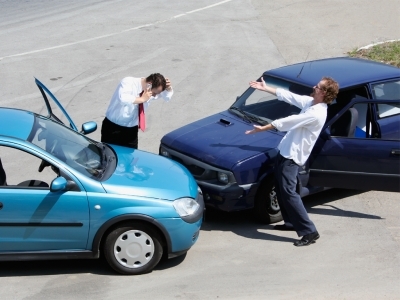
Human activity as an active participant in road traffic is characterized by a number of psychological conditions. The space in which traffic occurs is social and full of sources of tension and conflict that disrupt interpersonal relationships.
3
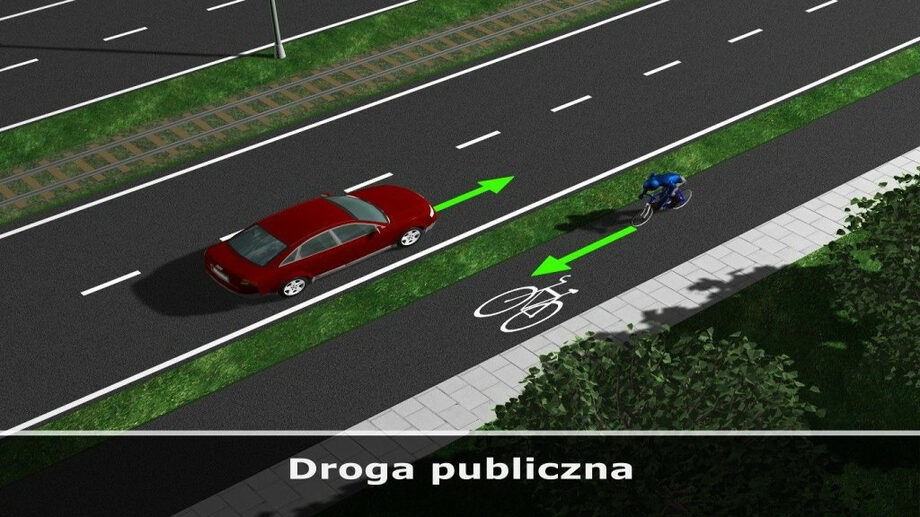
The road is a space shared by road users, including car drivers, motorcyclists, moped riders, cyclists, pedestrians, e-scooters, personal vehicles, and road transport. Mutual respect for other road users is not only a means of enjoying the road but, above all, a guarantee of maximum safety.
4
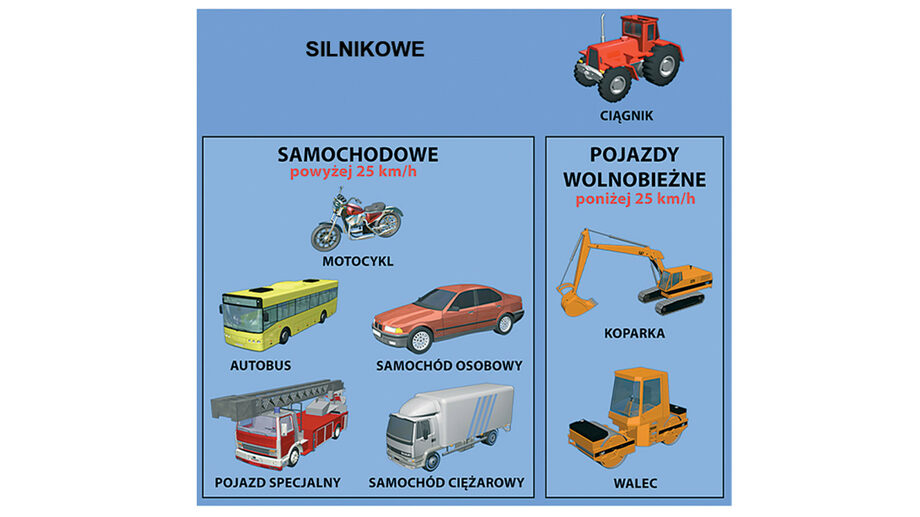
Roads are used by a variety of road users, but only a few are required to know the rules. While driving tests are administered to applicants for a driver's license, pedestrians, including a large group without a license, travel on the roads, and their knowledge of traffic rules is never tested. Therefore, when driving, you should always pay attention to this group of road users.
5
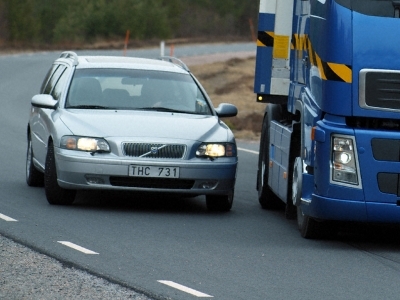
Dangerous behavior of drivers, as a rule, is a consequence of errors in assessing the traffic situation, improper steering, violation of current traffic rules (conscious or unconscious), lack of skills and inadequacy of driving technique to the psychophysical capabilities of the driver.
6
The most common reasons for driver penalties in European countries are: speeding, alcohol, poor parking, red lights, improper overtaking, failure to give way to pedestrians, failure to give way, failure to use seat belts, and overloading the vehicle.
7
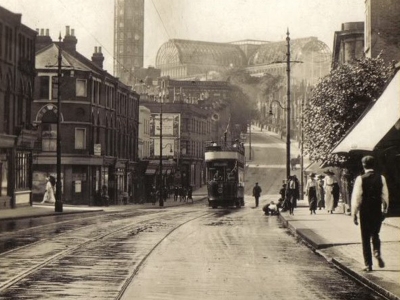
The first recorded fatal road accident occurred on August 17, 1896, in London. The victim was Bridget Driscoll, a 44-year-old housewife who was walking past the Crystal Palace with her teenage daughter. Local coroner Percy Morrison, upon receiving the death certificate, expressed the hope that "such a thing will never happen again."
8
The car that hit Mrs. Driscoll was traveling at 7 km/h. After this accident, the speed limit on London streets was reduced to 6 km/h. Today, this speed may seem ridiculous, but even a car traveling at a slow speed can cause significant harm.
9
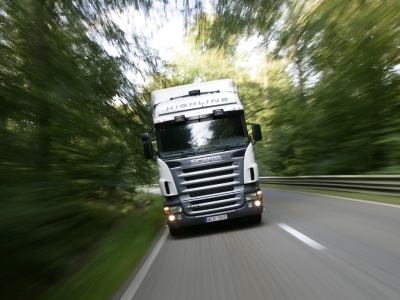
Research conducted in Poland and abroad shows that excessive speed is a major road safety issue, especially in built-up areas. This is due to the following reasons:
- excessive speed increases the likelihood of an accident and significantly increases its consequences;
- speeding is not a random or spontaneous event (it occurs with some driver awareness);
- reducing speed directly improves road safety;
10
According to the latest data from the European Commission, in 2020, the highest number of road accidents occurred in Germany - 264,499, followed by Italy - 118,298, and France - 45,117. Poland ranked 8th in the European ranking for the number of road accidents. There were 23,540 accidents in our country. (The statistics and information on road accidents contained in this lesson, marked with *, are taken from the website of the Main Police Headquarters - Annual Road Accident Reports: "Road Accidents in Poland in 2022".)
11
In the EU, the best results in 2020 were achieved by Malta (17), Sweden (18), and Denmark (23). In contrast, the countries with the highest death rates per million inhabitants were Romania (93), Bulgaria (81), Latvia (78), and Croatia (72). Poland ranks fifth from the bottom in the EU with 59 deaths per million inhabitants.
12
However, there are countries such as Austria and Germany, where motorisation rates are several times higher than in Poland, and the risk to residents (number of deaths per 100,000 inhabitants) is significantly lower.*

13
Poland lost PLN 56.6 billion in road accidents in 2018. Since 2009, the number of fatalities has begun to decline, from 4,572 to 2,245 in 2021.
14
In most countries, despite the growth of the automobile industry, there has been a steady decline in the number of accidents and casualties. Therefore, an increase in the number of cars does not necessarily mean an increase in risk. Experience from OECD (Organization for Economic Co-operation and Development) countries shows that the most effective way to reduce road hazards is through systematic, multidisciplinary measures (educational, legal, regulatory, and engineering) implemented in accordance with a long-term road safety improvement program.
15
The main causes of road accidents in Poland, consistently over many years, are dangerous behaviour of road users, such as: - failure to give way to a right-of-way, - inappropriate speed, - improper crossing of pedestrian crossings.
16
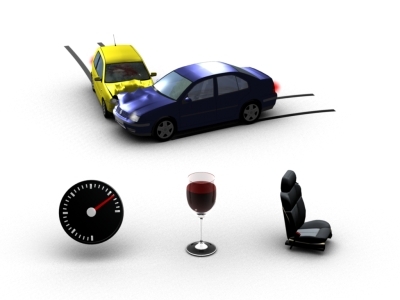
Road accidents and their consequences are not only a social and moral problem, but also an economic one. The pain and suffering of accident victims and their families is incalculable. These losses are immeasurable. However, the material losses to society as a result of road accidents, measured in lost national income, exceed the amount of our state budget expenditures on healthcare and social assistance.
17
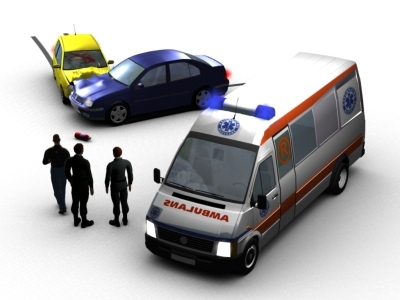
The social costs of one fatality, calculated using the method described in the previous slides, amounted to 2.4 million zlotys! The cost of a seriously injured victim was 3.3 million zlotys, and the cost of a traffic accident was estimated at 1.4 million zlotys.

18
The first road safety program (Road Safety) was adopted in Poland in 1972 by the Council of Ministers. The primary focus was on improving safety and mitigating the consequences of road accidents, in the mistaken belief that increased risk was an inevitable consequence of the dynamic development of the automotive industry.
19
In 1992, a group of World Bank experts concluded that significant improvements in road safety were possible if systemic measures were taken.
20
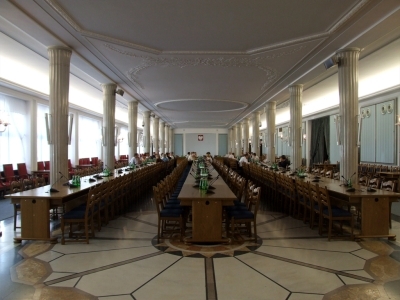
In 1993, the National Road Safety Council was established.
Composition of the National Road Safety Council:
- representatives of ministries,
- representatives of central agencies,
- representatives of public organizations,
- experts.

21
In 1994, the Minister of Transport commissioned the Research Committee to develop a research project entitled "Integrated Road Safety Improvement System", which was given the acronym "GAMBIT".

22
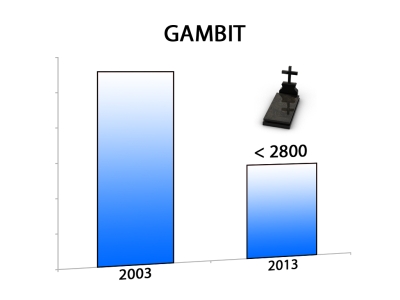
May 2004 – Poland joins the European Union. The EU mandate is to halve the death toll. The Council of Ministers adopts a new program, GAMBIT 2005, for 2005–2013. The strategic goal of this program was to reduce the death toll to no more than 2,800.

23
Unfortunately, the GAMBIT program's 2013 projections were never realized, despite numerous road safety measures, both preventative and punitive. The death toll was 3,357, 557 more than GAMBIT projected.

24
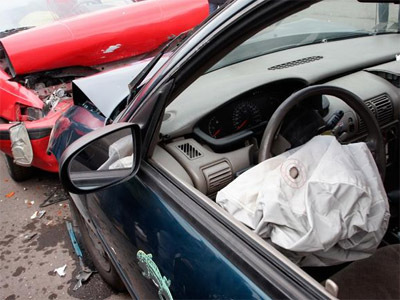
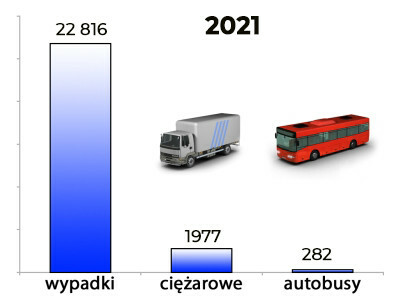
Despite numerous campaigns and "repair" programs, 22,816 road accidents occurred on Polish roads in 2021, but there is a downward trend compared to 2020, when 23,540 accidents occurred. This number represents a decrease of 724 accidents.
25
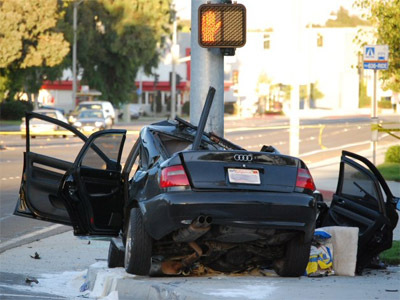
In 2021, 2,245 people died as a result of road accidents, and, unfortunately, this figure decreased by 246 people compared to 2020.
26
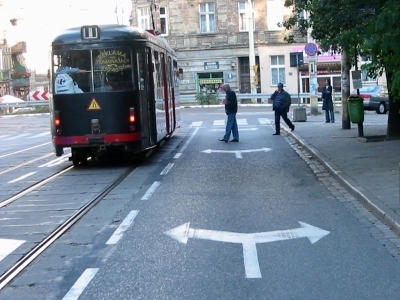
The main reasons for the high level of road safety in Poland are:
- an inconsistent system of preventative measures;
- dangerous behavior by road users;
- inadequate protection for pedestrians, children, and cyclists;
- poor road infrastructure.
27
To improve road safety, the GAMBIT program was implemented in 2003. The program's primary goal was to reduce road fatalities by 50% by 2013 compared to 2003 levels.
28
The objectives of the GAMBIT program were:
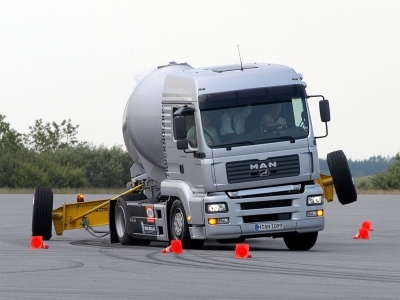
1. To create a foundation for effective and long-term road safety action.
29
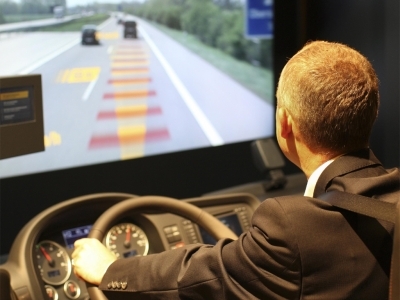
2. Formation of safe behavior of road users.
30
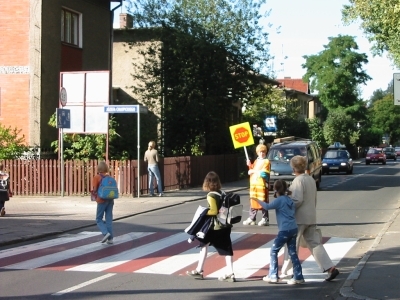
3. Protection of pedestrians, children and cyclists.
31
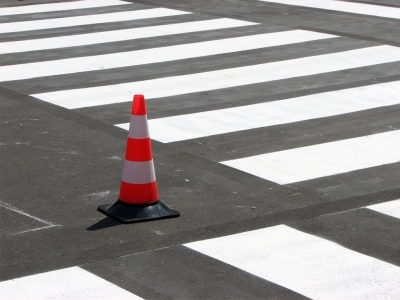
4. Construction and maintenance of safe road infrastructure.
32
5. Reducing the severity of accidents.
33
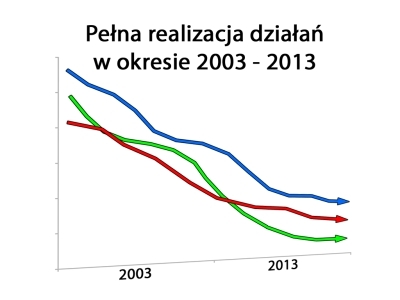
Full implementation of the priority actions between 2003 and 2013 was expected to result in the following:
- saving more than 16,800 people from death,
- reducing the number of injuries by 180,000 people,
- reducing the cost of road accidents and collisions by 68 billion zlotys.
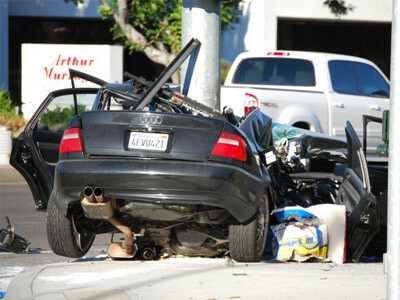
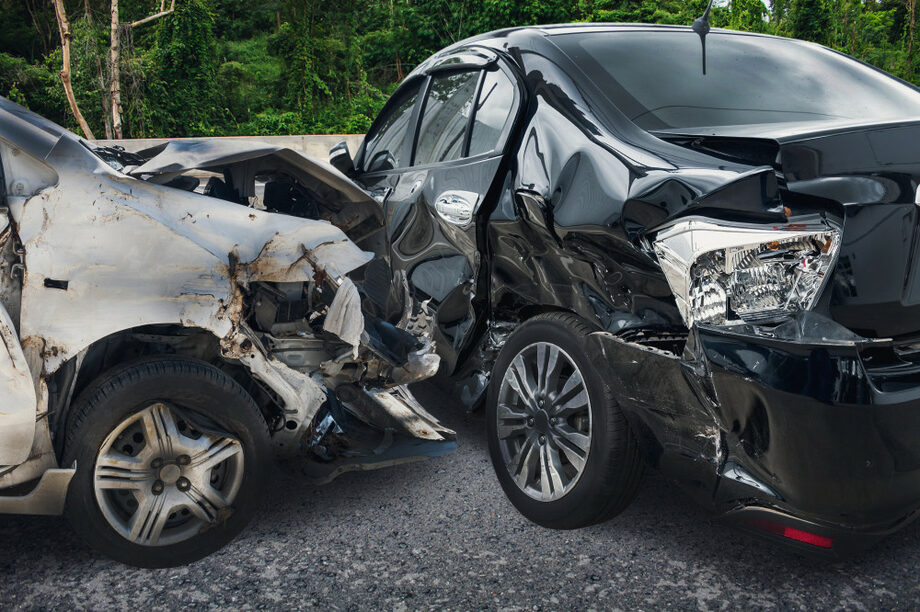
34
Due to the lack of expected effects and the need to adopt further measures and programs to improve safety, on June 20, 2013, the National Highway Safety Council adopted the “National Highway Safety Program for 2013-2020”.

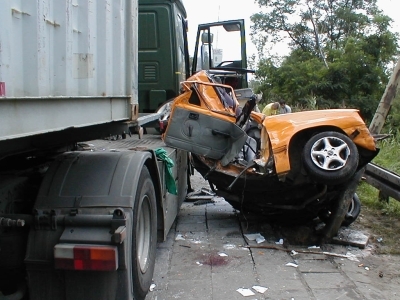
35
The motto of the National Road Safety Council was “Poland’s role in the implementation of the United Nations Decade of Action for Road Safety 2011–2020.”
36
The National Road Safety Council decided to prepare the next national road safety program for 2013-2020, which included the following:
- taking into account international conditions (EU, UN),

37
- maintaining the previously adopted Vision Zero, i.e. introducing measures to completely reduce the number of fatalities in road accidents by 2050.

38
- change the strategic goals and activities adopted in the National Road Safety Program GAMBIT 2005 (2005 - 2013).

39
In addition, it was established that the main goal of the next National Road Safety Program for 2014-2020 should be to reduce the number of fatal accidents by 50% compared to 2010, i.e. no more than 2,000 in 2020.
40
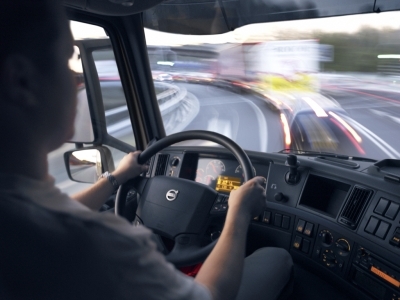
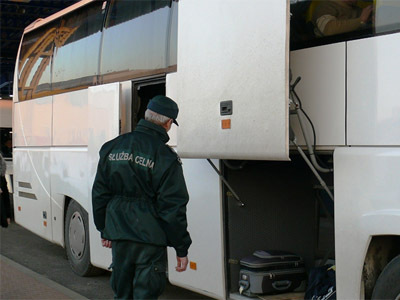
Poland's accession to the European Union and subsequently the Schengen Area led to an escalation in migration, reflected in an increase in transit traffic. The opening of borders means that the issue of road safety now has a transnational dimension.
41
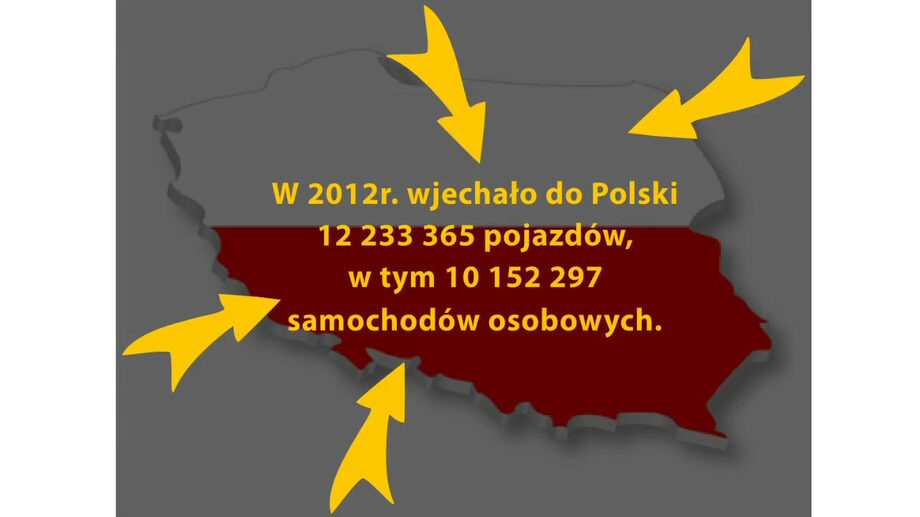
Our country's location on the European map and its position on the east-west transport route generates significant transit traffic. According to the Main Directorate of the Border Guard, 12,435,345 vehicles entered Poland through the EU's external borders in 2018, including 9,970,787 passenger cars.
42
The largest number of passenger cars entered Poland through the border crossing with Ukraine – 5,037,472 vehicles.
43
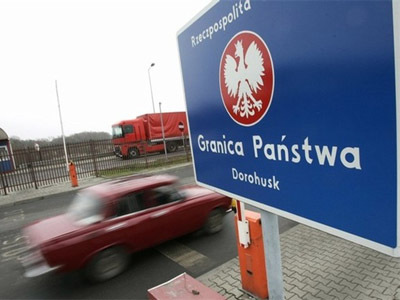
On the other hand, the largest number of trucks entered through the border crossing with the Republic of Belarus - 1,176,451, then with Ukraine - 875,111, the least - only 83,265 - through the border crossing with the Russian Federation.
44
The situation for buses is exactly the same as for passenger cars. The largest number of buses entered Poland through the border crossing with Ukraine – 104,145, followed by the border crossing with the Republic of Belarus – 41,997, and 1,038 through the border crossing with the Russian Federation.
45
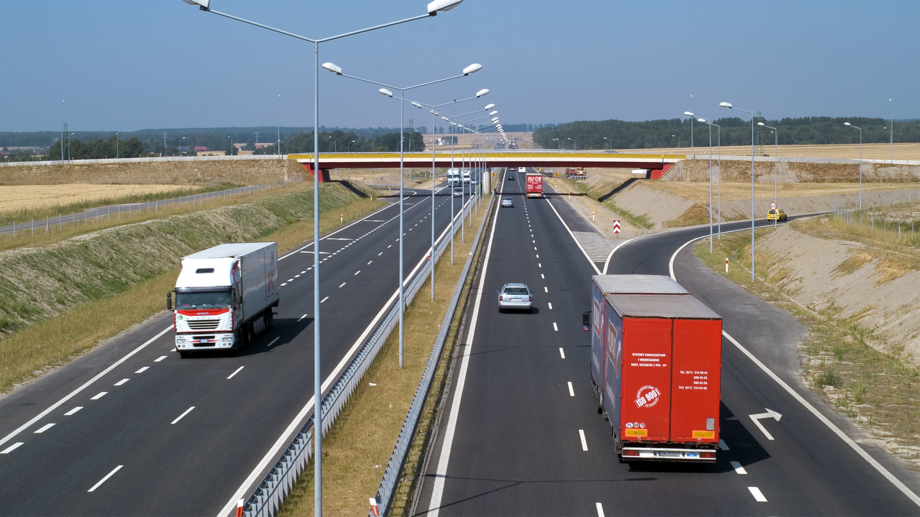
Since the early 1990s, the number of vehicles registered in Poland has been steadily increasing.
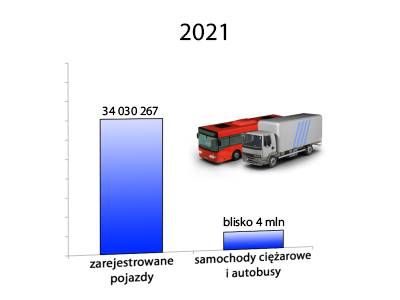
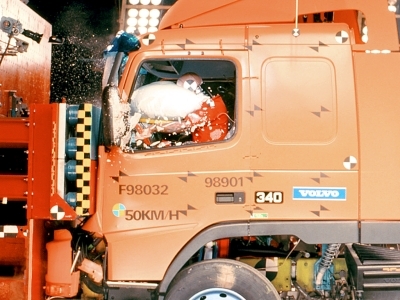
In 2011, over 24 million vehicles were registered in Poland, including nearly 3 million trucks and buses.
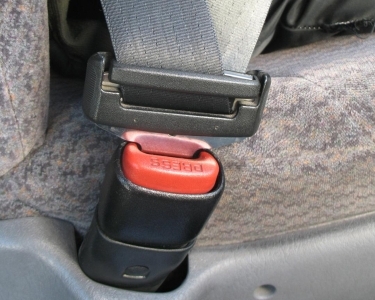
46
By comparison, in 2021, the number of registered vehicles was 34,030,267 units, including almost 4 million trucks and buses.
47
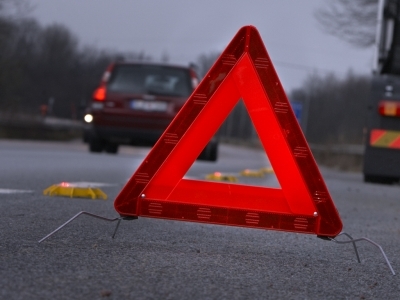
Road accidents have become an inevitable part of the ever-evolving automotive industry. Surveys show that in our neighborhoods, we fear the dangers of reckless driving the most. Elsewhere, burglaries, thefts, and robberies occur.
48
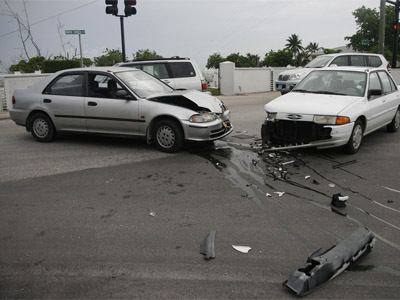
In 2021, there were 22,816 road accidents in Poland, while in 2007 there were 49,536 and in 2006 there were 46,876 accidents.
49
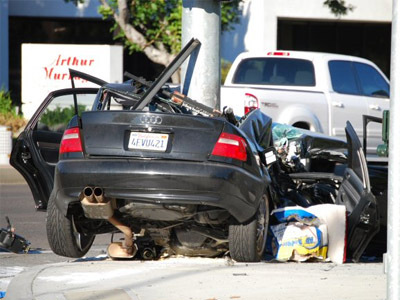
In 2021, 2,245 people died in road accidents on Polish roads, compared to 4,189 in 2011.
50
In 2021, 26,415 people were injured in accidents. In previous years, these figures were much higher: 2008 - 62,097.
51
Police receive reports of road accidents every day.
In 2021, police received 422,627 reports of road accidents. In previous years, these figures were:
- 455,454 collisions in 2019
- 382,046 collisions in 2020
52
Over the past decade, the highest number of road accidents and their victims was recorded in 2011 - 40,065 accidents, in which 4,189 people died and 49,501 were injured.
53
From 2012, there was a decline in the number of road accidents and their casualties, until 2016, when the number of accidents and their casualties increased. In 2017, there was a significant decrease compared to the previous year. In 2019, the number of accidents and injuries decreased, while the number of fatalities increased.*
54
The number of road accidents in individual provinces in 2021 was as follows:
Lower Silesia:
1,730 accidents,
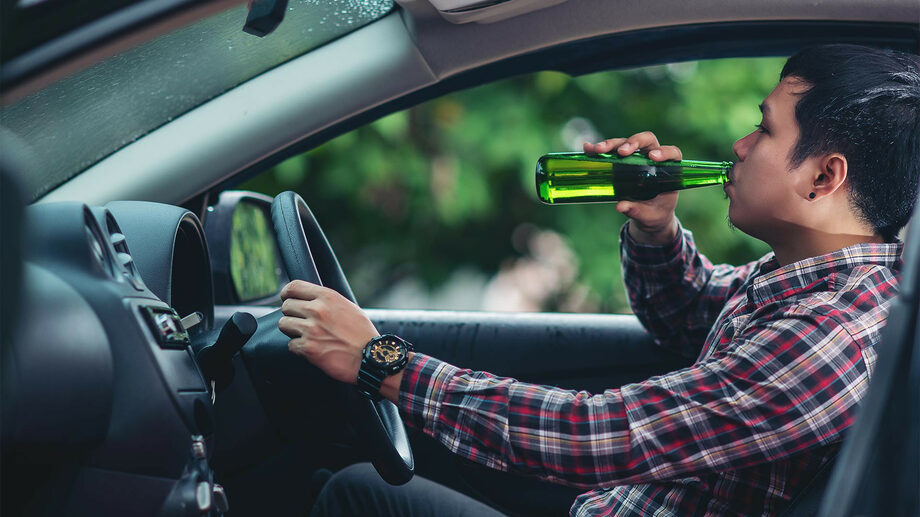
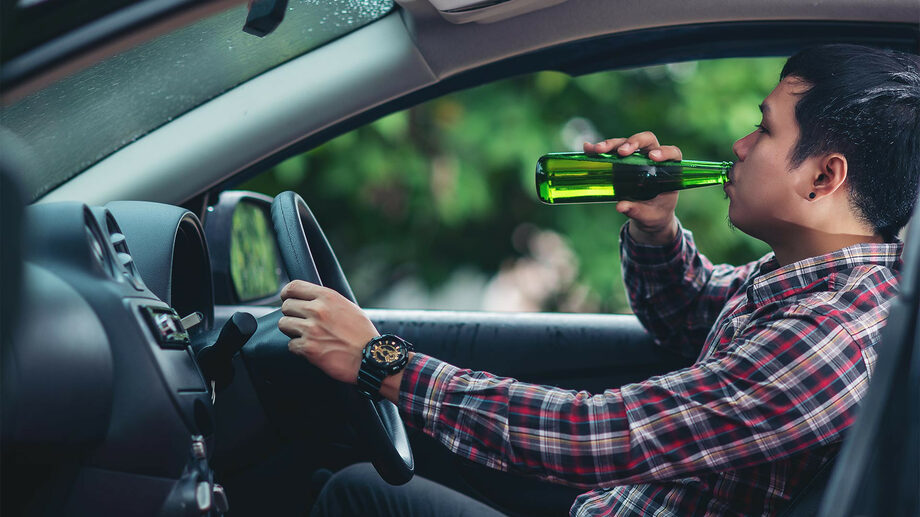
179 fatalities
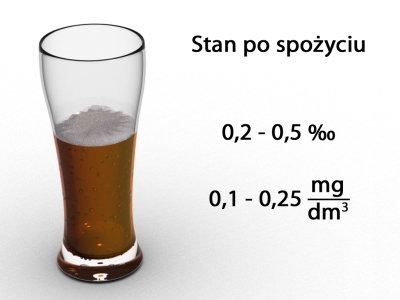
2,018 injuries; *
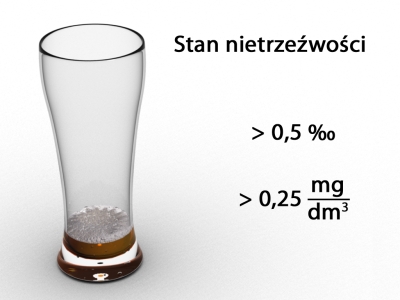
55
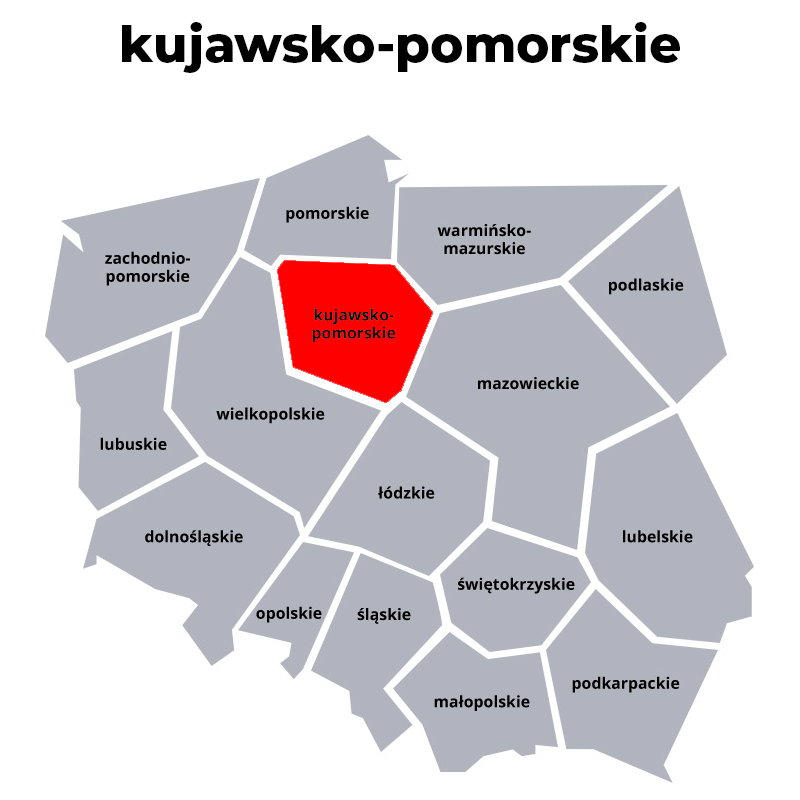
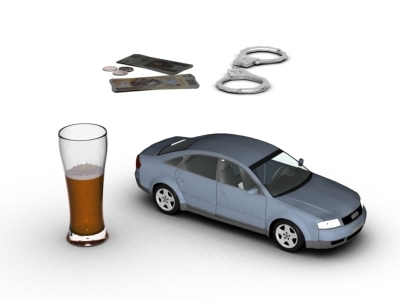
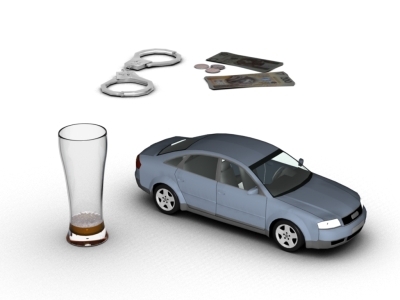
Kuyavian-Pomeranian Voivodeship:
797 accidents
122 killed,
866 injured; *
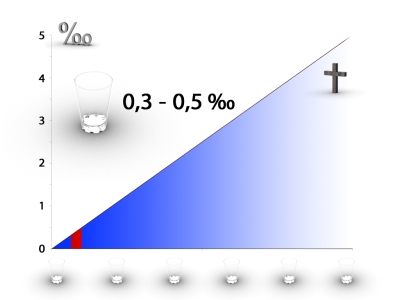
56
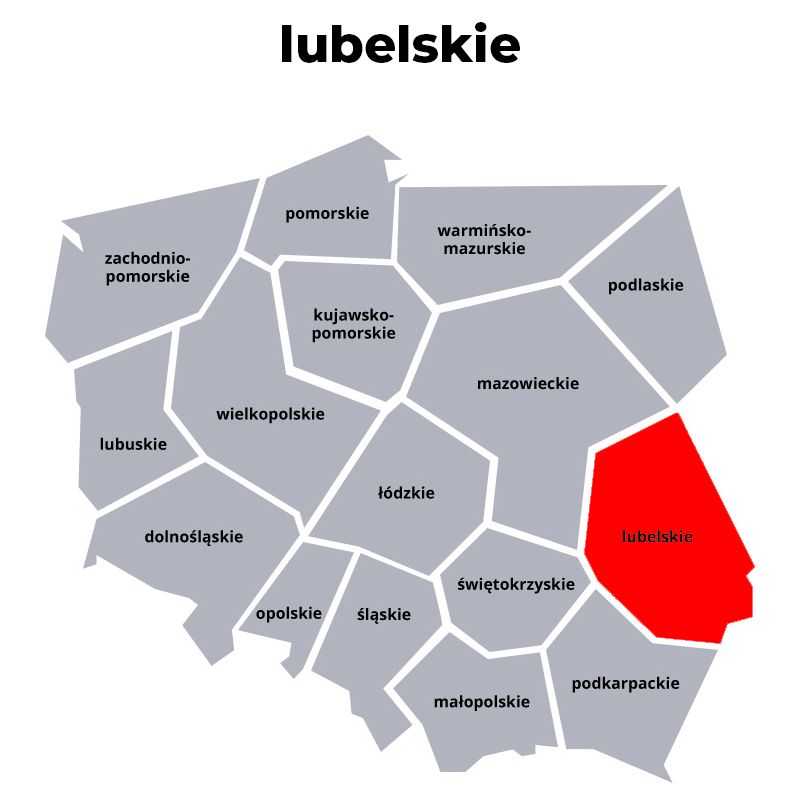
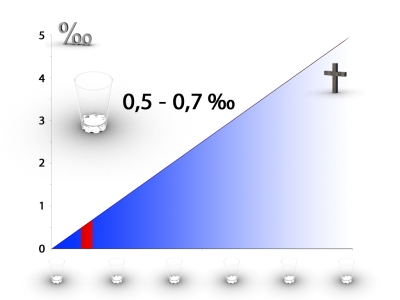
Lublin Voivodeship:
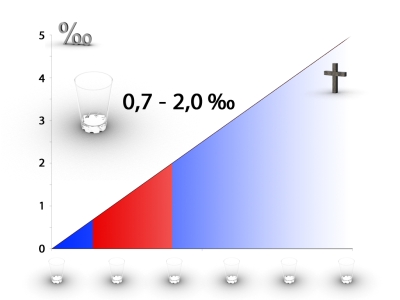
892 accidents
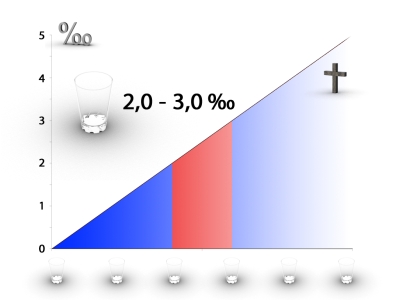
135 killed,
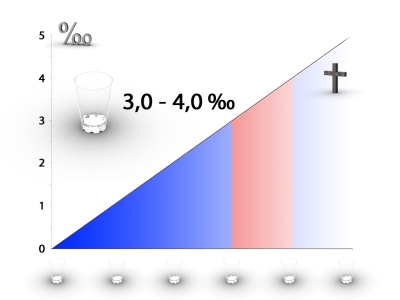
966 wounded;*
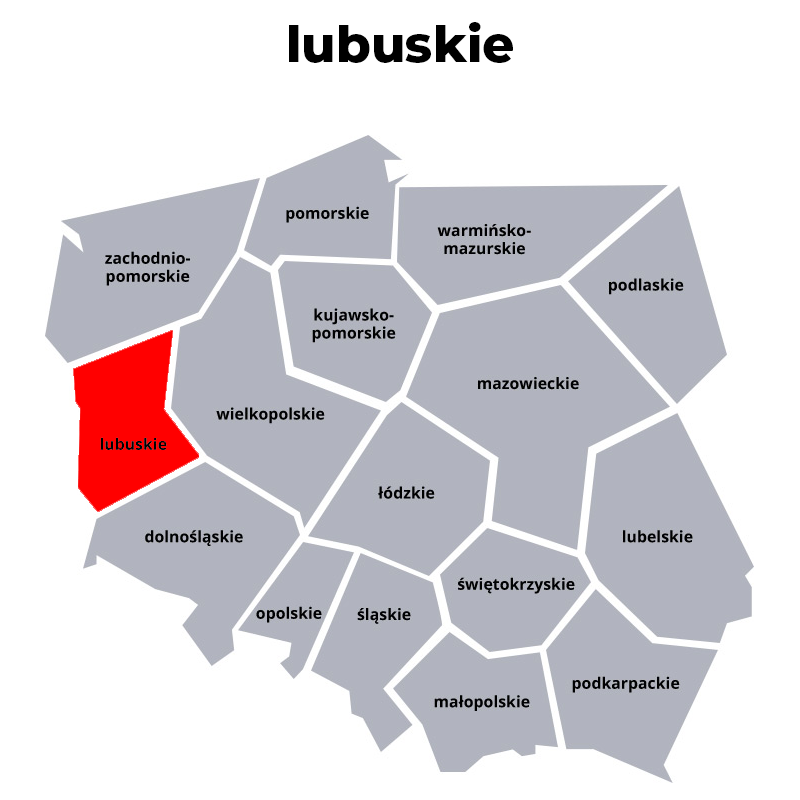
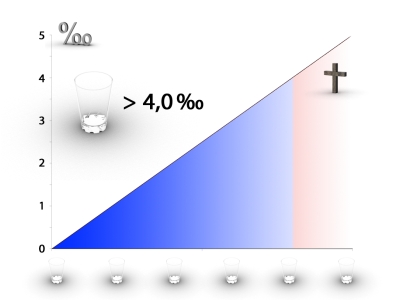
57
Lubusz Voivodeship:
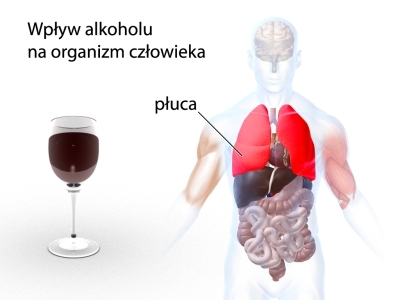
640 accidents,
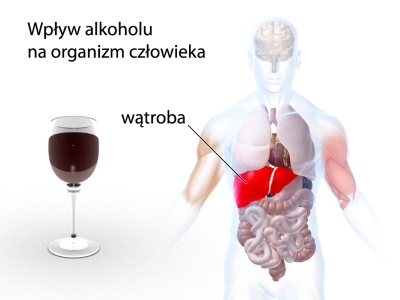
71 killed
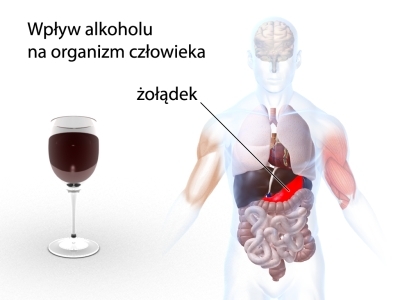
648 injured; *
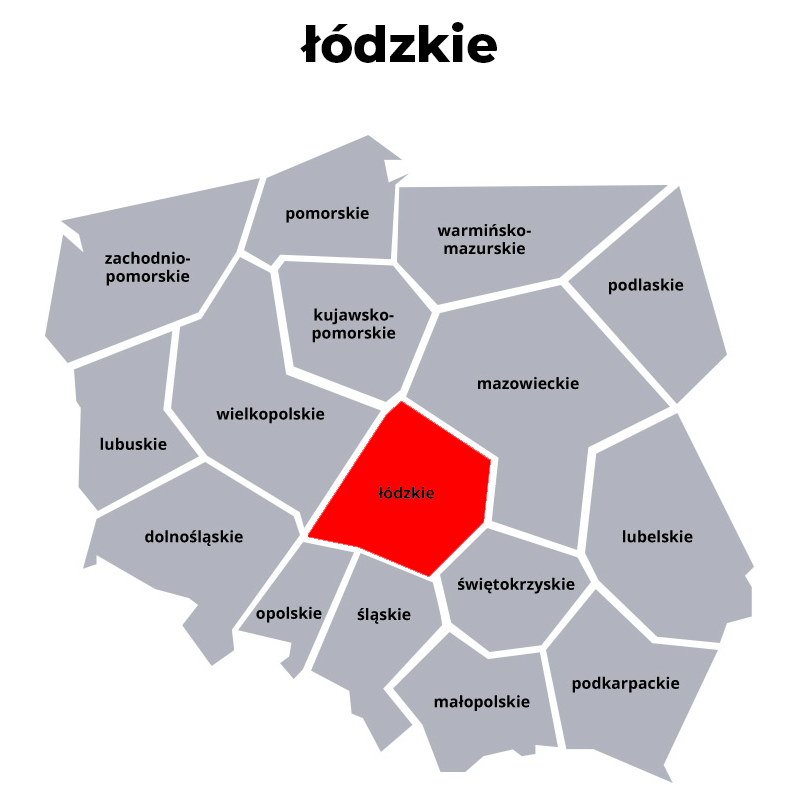
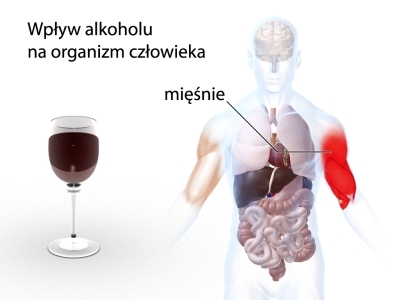
58
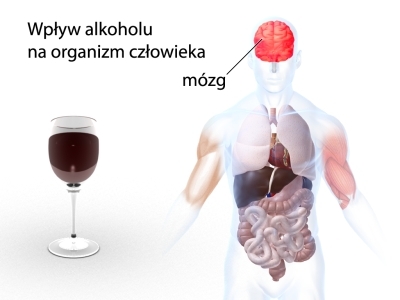
Lodz:
2,306 accidents,
191 killed,
2,763 injured;*
59
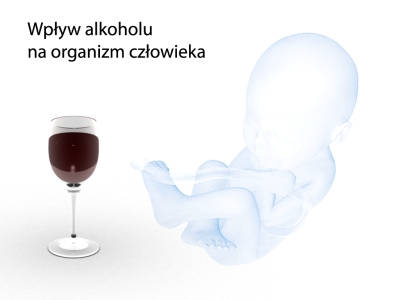
Lesser Poland:
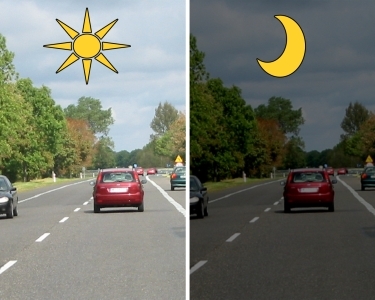
2,239 accidents,
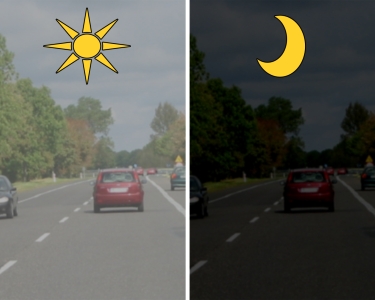
144 killed,
2,590 wounded; *

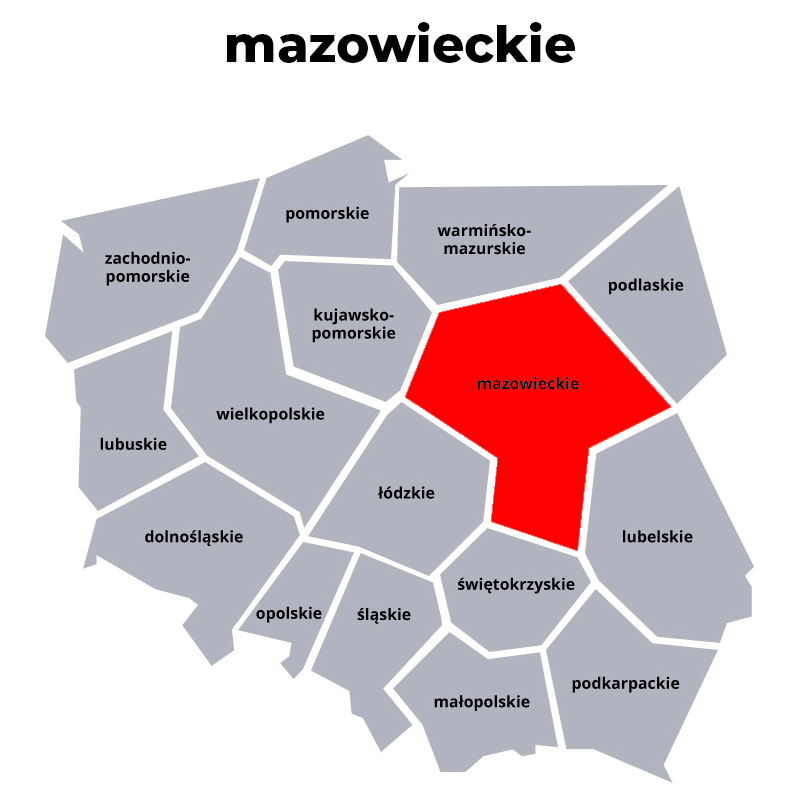
60
Masovian Voivodeship:
3,086 accidents,
375 killed,
3,561 wounded; *
61
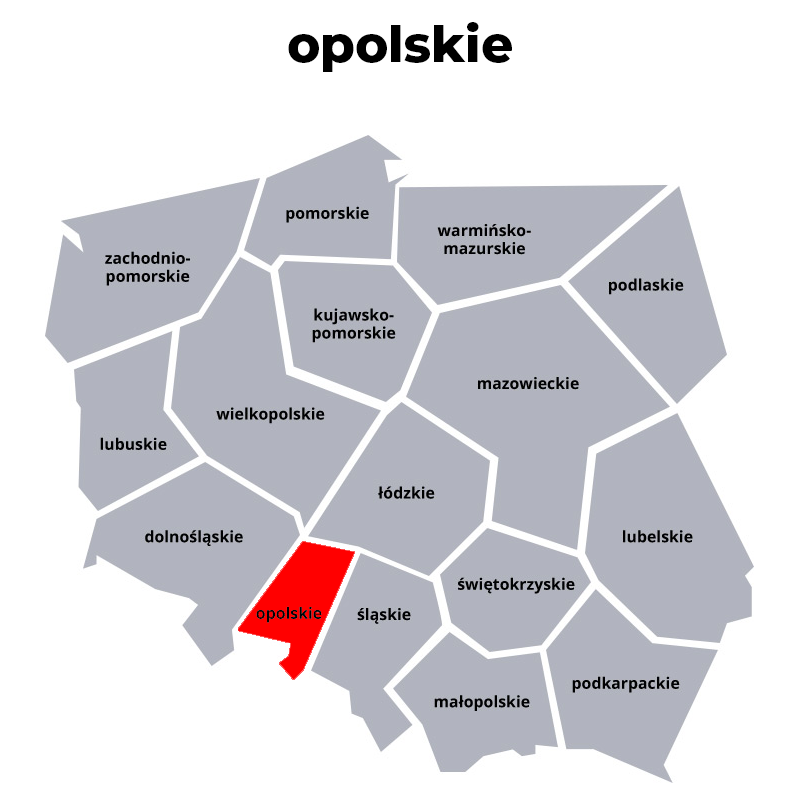
Opole Province:
537 accidents
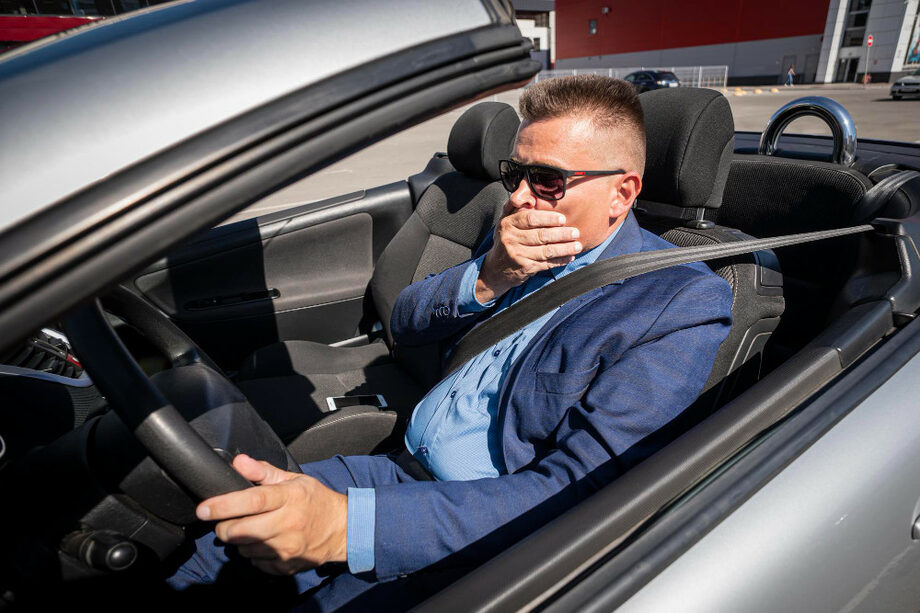
81 killed,
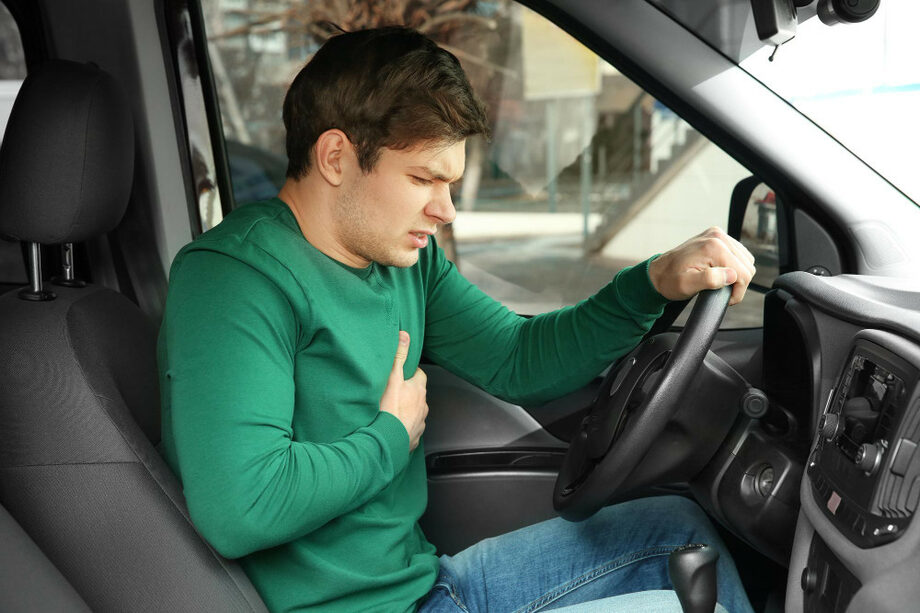
593 injured; *
62
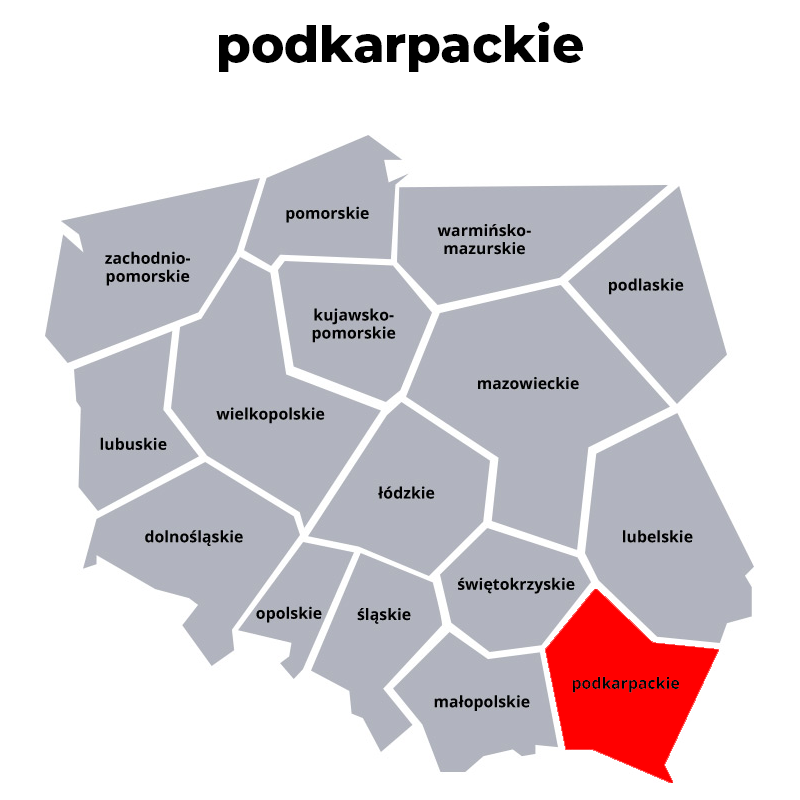
Subcarpathia:
1,222 accidents
95 killed
1,444 injured; *
63
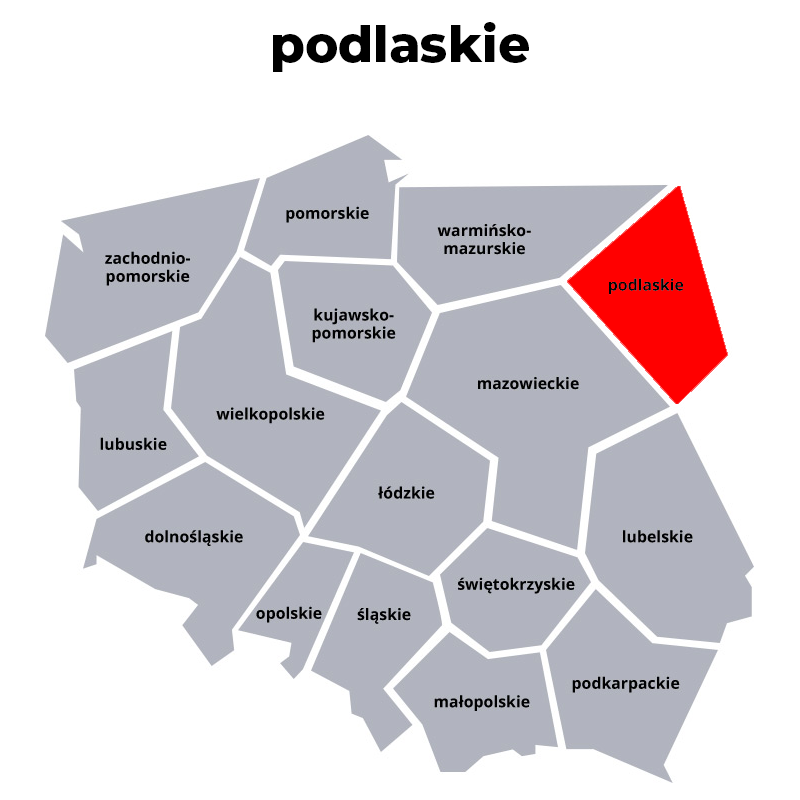
Podlasie:
433 accidents,
79 killed
481 injured; *
64
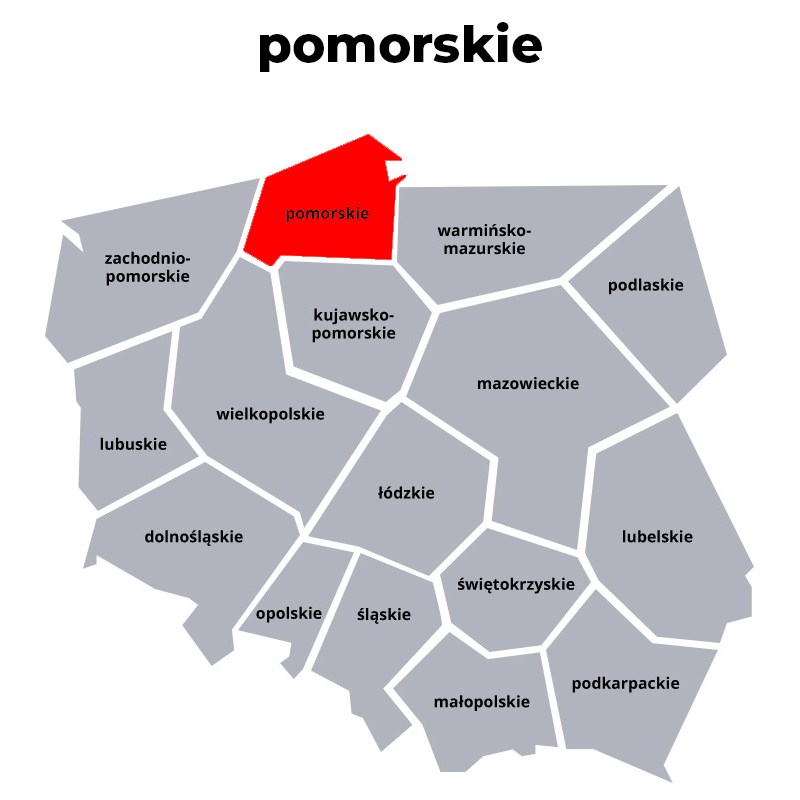
Pomorske:
1,766 accidents,
118 killed,
2,060 injured; *
65
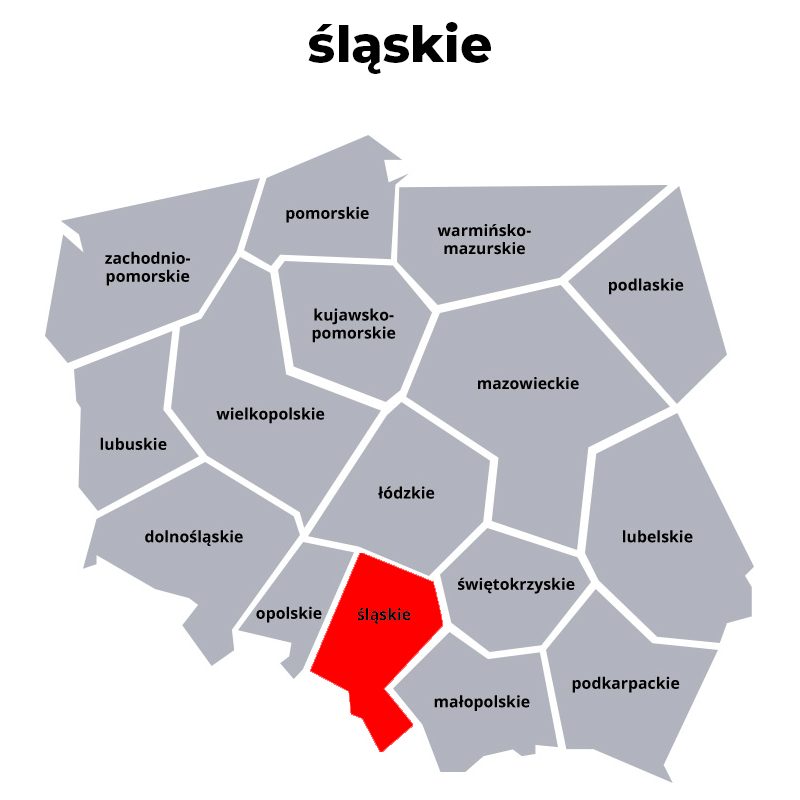
Silesian:
2,203 accidents,
148 killed,
2,576 wounded; *
66
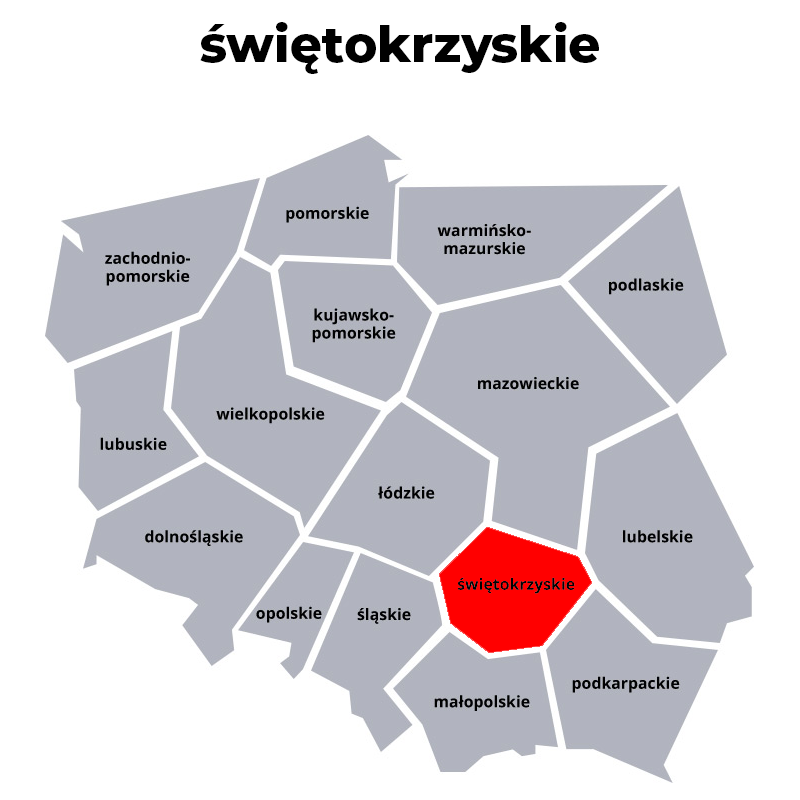
Świętokrzyskie:
780 accidents
86 killed,
913 wounded;
67
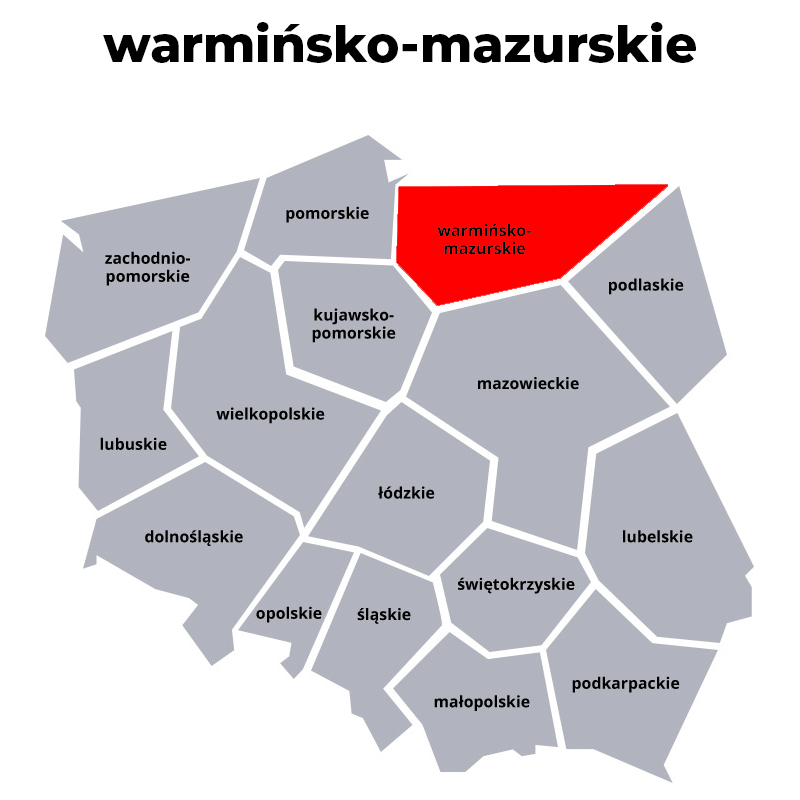
Warmian-Masurian Voivodeship:
920 accidents
96 killed
1,074 injured; *
68
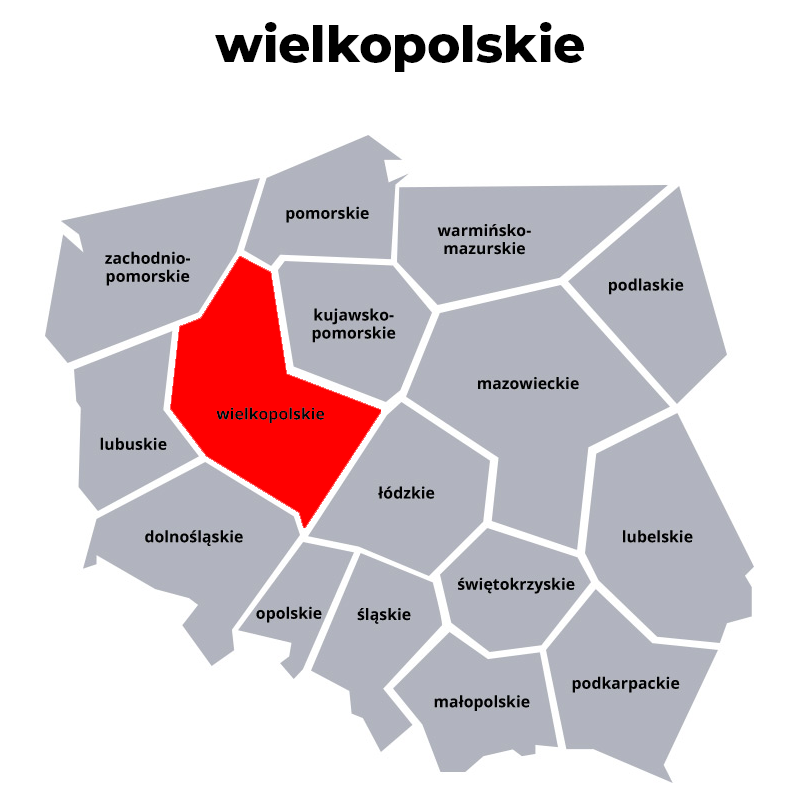
Greater Poland:
2,409 accidents,
230 killed,
2,769 wounded; *
69
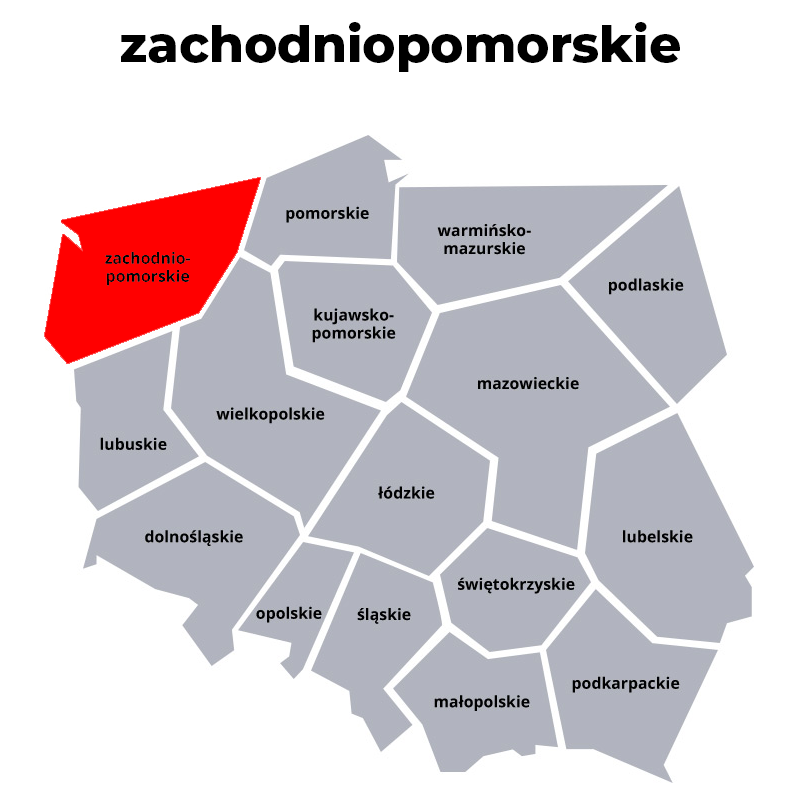
West Pomerania:
946 accidents,
95 killed
1,093 injured.*
70
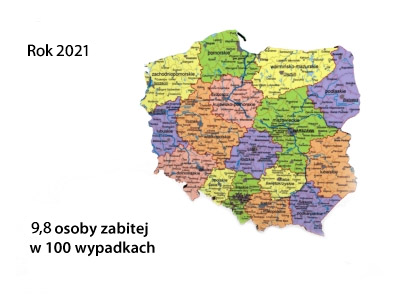
In EU countries, the fatality rate is statistically calculated per 100 road accidents. In Poland, this figure was 9.8 in 2021, placing Poland in third place on the infamous list.*
71
In 2021, the fatality rate per 100 road accidents in individual provinces of our country was:
Lower Silesia - 10.3
Kuyavian-Pomeranian Voivodeship - 15.3
Lublin - 15.1
Lubusz Voivodeship - 13.1
Łódź Voivodeship - 8.3
Lesser Poland - 6.4
Masovian Voivodeship - 13.2
Opole Voivodeship - 15.1
Subcarpathia - 7.8
Podlasie - 18.02
Pomeranian Voivodeship - 6.6
Silesian - 6.7
Świętokrzyskie Voivodeship - 11.0
Warmia and Masuria - 10.4
Greater Poland - 9.5
West Pomeranian Voivodeship - 10.0.*
72
The fatality rate per 100 accidents in individual EU countries in 2021 is as follows:
Austria - 1.1
Czech Republic - 2.7
Finland - 5.4
Spain - 1.8
Germany - 1.1
Sweden - 1.7
France - 5.9
Netherlands - 2.9.*
73
The most frequently cited reasons for the high road traffic fatality rate in Poland are:
- poor road conditions,
- lack of adequate road infrastructure (not adapted to current traffic volumes),
- improper road markings,
- high speed,
- bravado,
- alcohol,
- poor vehicle conditions,
- poor driver training,
- medical care.
74
Pentor conducted a survey that found that 55% of Polish drivers believe they would survive an accident at speeds of 61-90 km/h. Of these, 43% even say they would survive.
75
In 2021, the most accidents occurred in June 2610, July 2508, and October 2351. The most people died also in October 234.
76
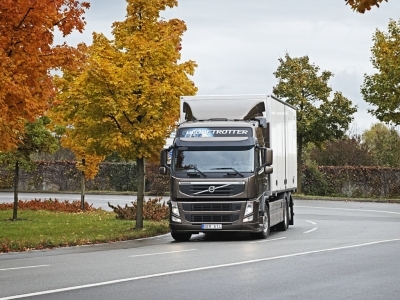
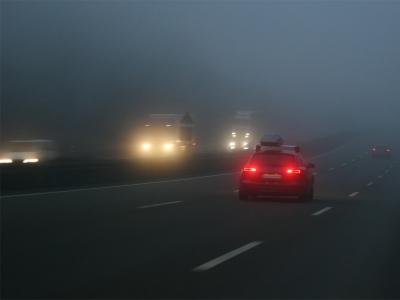
At the turn of summer and fall, weather and road conditions worsen. Darkness falls early. At this time, pedestrians suffer primarily because they become less visible. Dark clothing blends in with the rapidly falling darkness. Strong winds and frequent precipitation—in other words, simply poor weather conditions—cause pedestrians to often forget about their own safety in the struggle. They don't realize they see an approaching car because its headlights are on. However, the opposite is true.
77
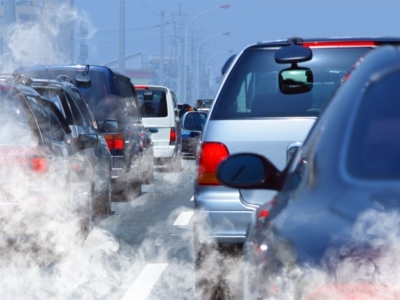
The high number of accidents in June, July and August is due to increased traffic volumes due to the holiday season.
78
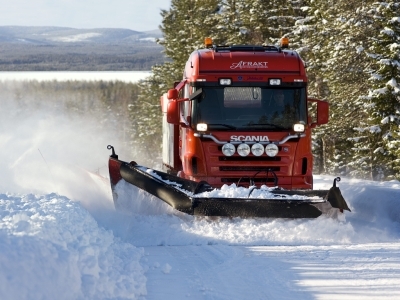
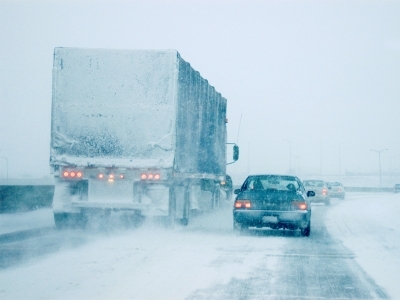
It's also noticeable that the number of road accidents decreases in winter, but only when the roads are covered with ice or snow. These conditions discourage fast driving, leading to fewer accidents and, conversely, an increase in road accidents.
79
In such conditions, we slow down, drive much more carefully, and thanks to this, the roads are safer.
80
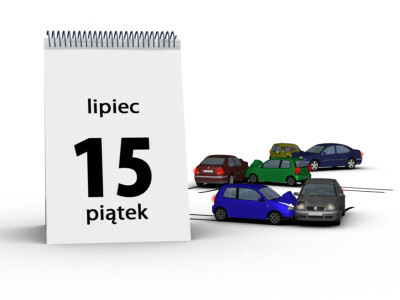
The day of the week also influences the number of road accidents. Friday was the most dangerous day, with 3,912 accidents, and the majority of accidents occurred during the daytime. Monday came in second, with 3,455 accidents.
81
In 2021, the highest number of deaths was on Saturday (372) and Friday (354).
82
On the other hand, the fewest accidents occur on Sunday at 25:02, when traffic on the road is significantly reduced.

83
In 2021, among all those responsible for road accidents, vehicle drivers were the largest group, as they were responsible for 20,623 road accidents, of which more than 15,000 involved passenger cars, in which 1,370 people were killed and 18,302 people were injured.
84
In 2021, truck drivers were responsible for 1,977 accidents, while bus drivers were responsible for 282 accidents.
85
In 2021, 244 people were killed and 2,295 were injured in accidents caused by truck drivers.*
86
In 2021, 14 people died and 421 were injured in bus driver-related accidents.
87
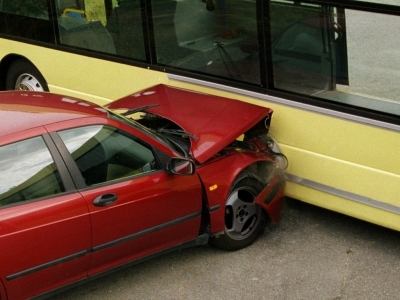
The presented statistics show that in our country, according to statistics, 6 people die on the roads every day.
88
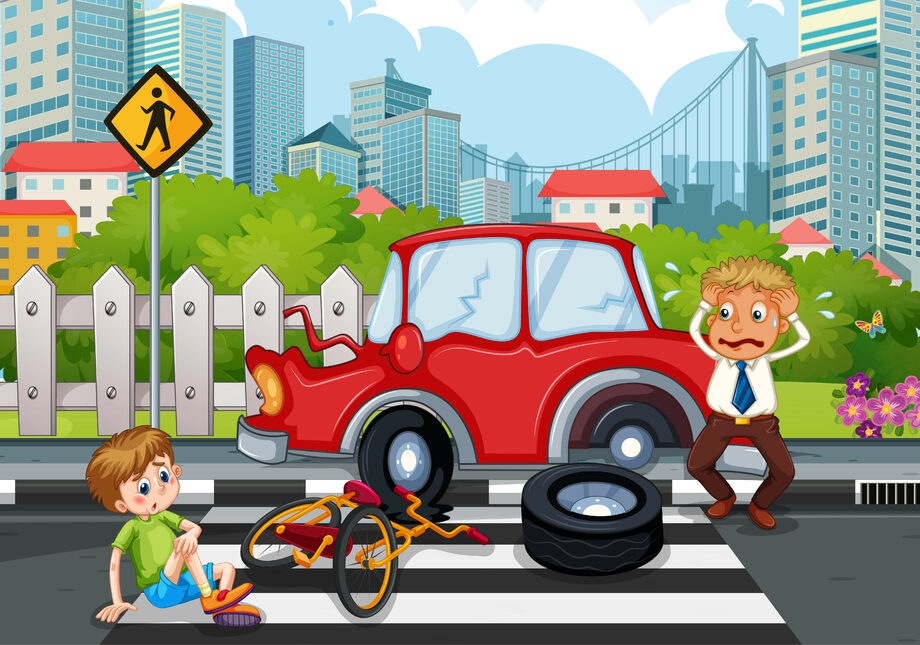
The main causes of road accidents in 2021 were: - failure to yield to traffic lane - 5,566 accidents - failure to comply with road conditions - 5,254 accidents - failure to yield to pedestrians at a crosswalk - 2,099 accidents
89
The technical condition of vehicles is often cited as a cause of accidents. However, this is not always the case. In 2021, the police recorded 41 accidents (out of 22,450) in which the technical condition of the vehicle was the direct cause. Seven people were killed and 40 were injured.
90
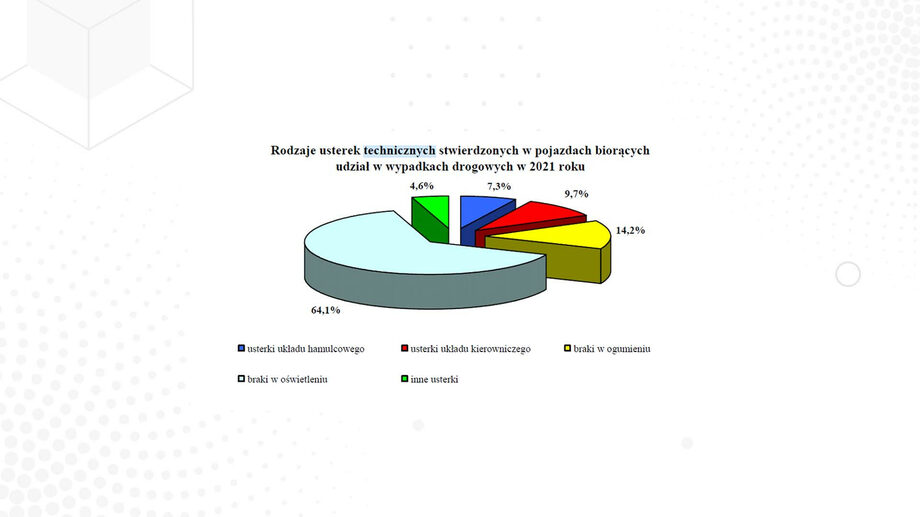
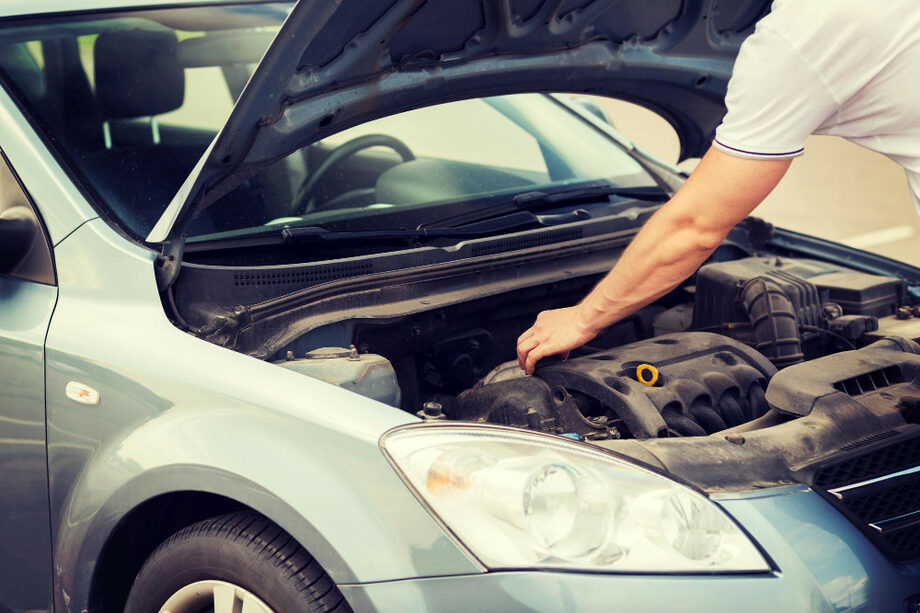
The most frequently identified defects of vehicles involved in road accidents are: - insufficient lighting; - defective tires; - steering system; - faulty braking system;
91
Weather conditions play a significant role in road accidents. The greatest number of accidents occur in good weather conditions – 14,881 accidents. Next in order are: - cloudy weather – 4,500 - precipitation – 2,698 - snowfall, hail – 953 - blinding sun – 520 - fog, smoke – 263 - strong wind – 205

92
More accidents occur in populated areas, where 15,651 occurred in 2021, accounting for almost 70% of all accidents. This is due to the high traffic volume in built-up areas. Less than 30% occur outside populated areas. However, when looking at accident statistics, it turns out that in undeveloped areas (where there are fewer accidents), the fatality rate exceeds 61%.

93
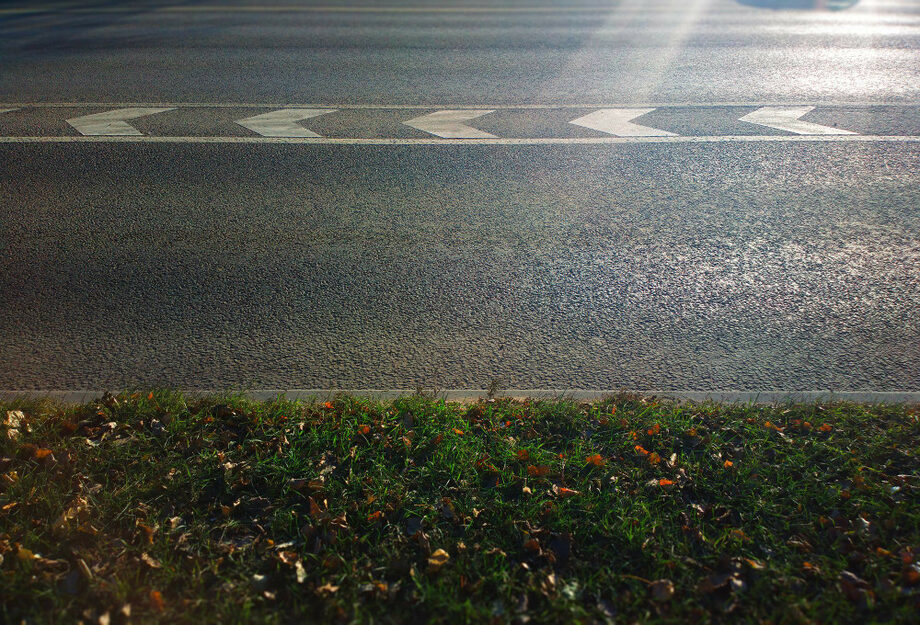
When considering road geometry, the most common accidents occur on straight sections. In 2021, 13,261 accidents occurred on this section of road, resulting in 1,460 fatalities and 14,996 injuries.
94
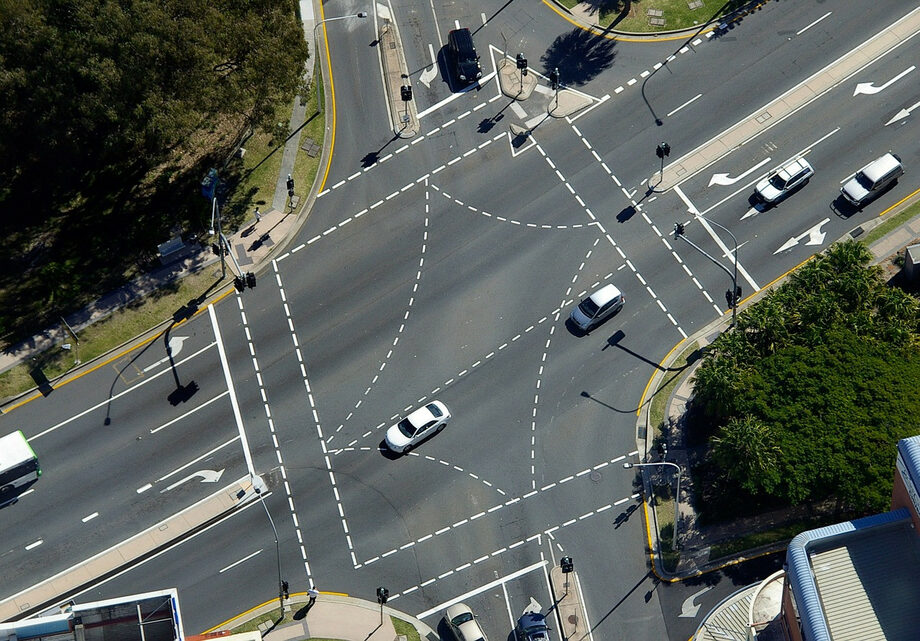
Intersections are another location where a large number of traffic accidents occur. Contrary to logic, accidents most often occur at intersections with designated right-of-way (5,896 accidents, 302 fatalities, 14,996 injuries). 409 people were injured.
95
Equal-right-of-way intersections appear to be the safest of all intersections. In 2021, 112 accidents occurred at these intersections, resulting in 4 deaths and 130 injuries.

96
The main causes of accidents on straight sections of road, in order, are: - speed not corresponding to traffic conditions; - failure to yield; - failure to yield to pedestrians at a crossing; - failure to maintain a safe distance between vehicles; - failure to give way; - failure to yield to pedestrians at a crossing; - failure to maintain a safe distance between vehicles; - improper overtaking.

97
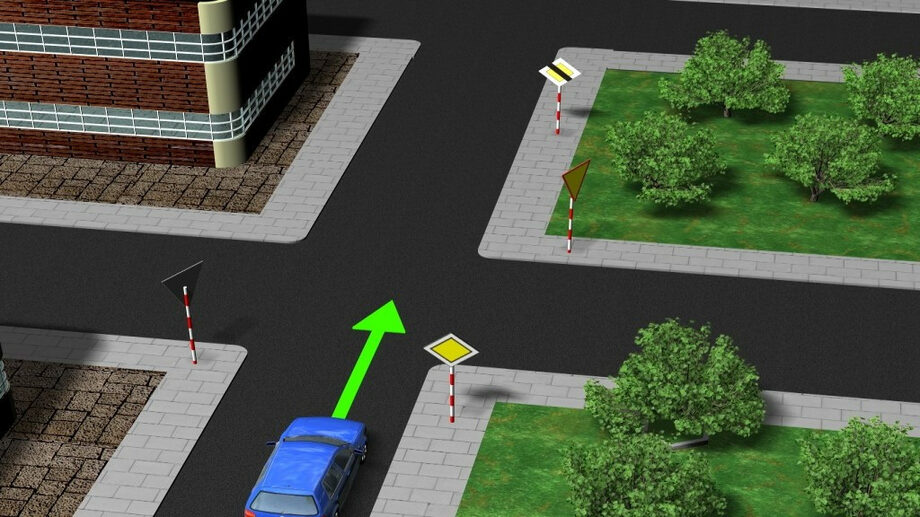
The main causes of road accidents at intersections with right-of-way are: - failure to give way; - failure to yield to pedestrians at a crossing; - speed not corresponding to road conditions.
98
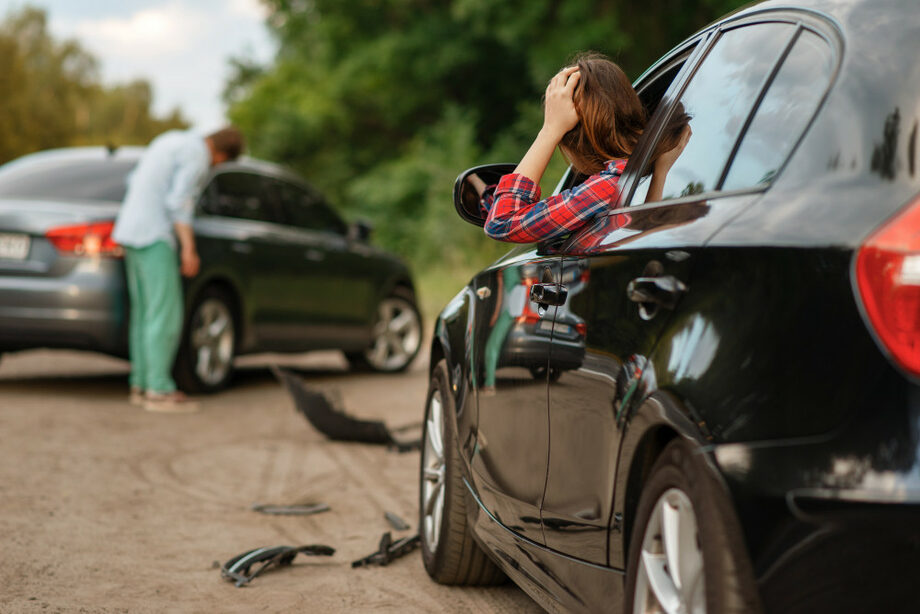
Poland's road network covers over 440,000 km. The most numerous roads are those with the lowest standards (gmina and county roads). The least numerous are roads of the highest standards, i.e., motorways and expressways. Most accidents occur on one-way and two-way roads. In 2021, there were 22,816 accidents, resulting in 2,245 deaths and 26,415 injuries.
99
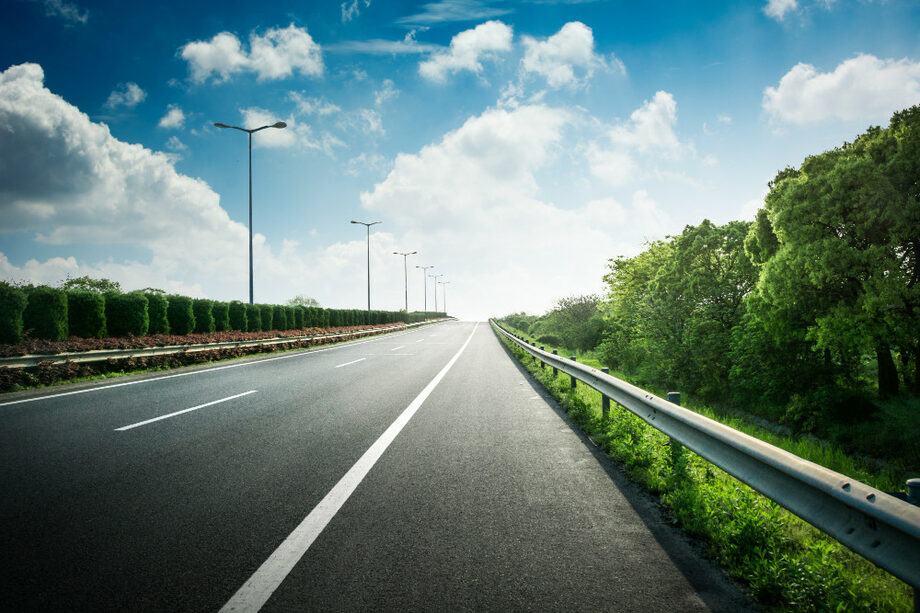
There were 18,245 accidents on dual carriageway roads, killing 1,927 people and injuring 21,014.
100
There were 889 accidents on one-way roads, resulting in 37 deaths and 968 injuries.

101
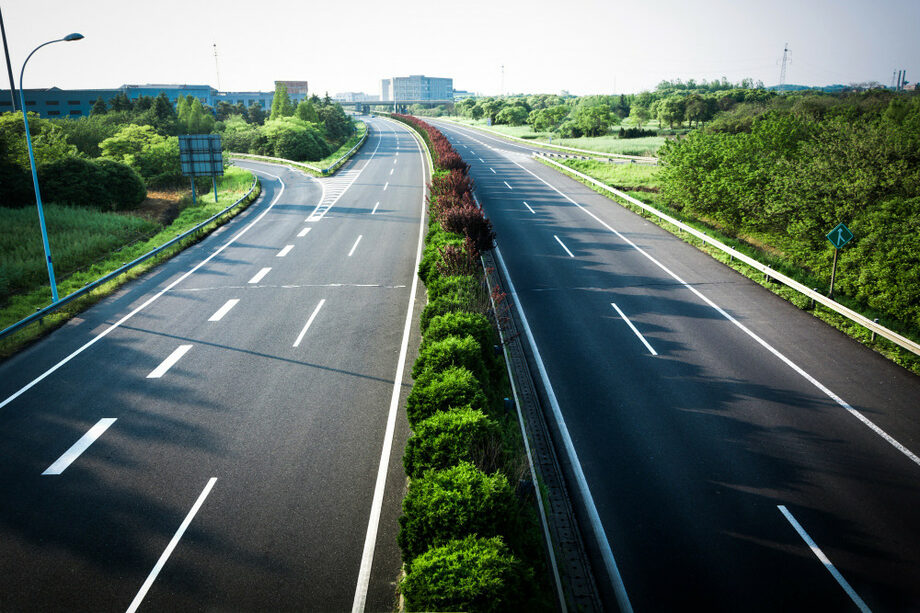
The fewest accidents occurred on highways: 372 accidents, 74 fatalities, 510 injuries, and 407 accidents on expressways, 63 fatalities, 575 injuries.
102
The main causes of road accidents on one-way and two-way roads: - failure to give way - 686 accidents; - speed not corresponding to road conditions - 476 accidents; - failure to yield to pedestrians at a crossing - 356 accidents; - failure to maintain a safe distance between vehicles - 256 accidents;
103
The most common types of road traffic accidents are: - collisions of moving vehicles (side, front, rear), about 7,371 accidents; - collisions with pedestrians, 4,571 accidents;
104
Driver gender is the culprit in road accidents. Men are responsible for almost 73.6% of all accidents, while women account for just over 22.6%. It's true that men have more driver's licenses (12,320,000) than women (9,680,000), but this is changing quite rapidly, so gentlemen, regardless of population statistics, we need to take our foot off the gas and eliminate this significant disparity in accidents.

105
The largest number of road accidents occur due to the fault of people aged 25-39 years, then 40-59 years old, so-called “young drivers”.

106
Drivers rate their abilities as good (a minority) and very good (the majority). However, statistics show that six people die in traffic accidents every day.

107
Overestimating your own skills negatively impacts your daily life on the road. Accidents affect everyone on the road. In addition to using common sense on the road, remember basic safety rules.
108
Taking full advantage of the technologies and inventions installed in cars is intended to give us a feeling of maximum safety.
109
Global society has benefited from seat belts since 1959, when Swedish engineer Nils Bohlin concluded that in the event of a crash, the best protection for car occupants is to be fastened into their seats. At that time, the prototype of the three-point seat belt was created.
110
The driver and passenger's obligation to wear seat belts is regulated by Articles 39 and 45 of the Road Traffic Law, with some exceptions. This regulation has been in effect since January 1, 1998, and applies to all vehicles, including buses and trucks, equipped with such belts.
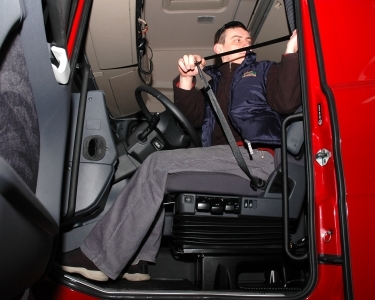
111
Therefore, since 1998, Poland has required the use of seat belts if the vehicle is equipped with them (this applies to cars and trucks). Another problem is that not all buses are currently equipped with seat belts. This requirement applies to buses first registered after October 20, 2007.
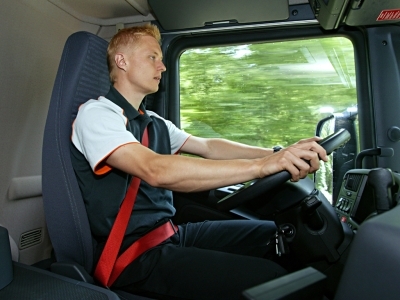
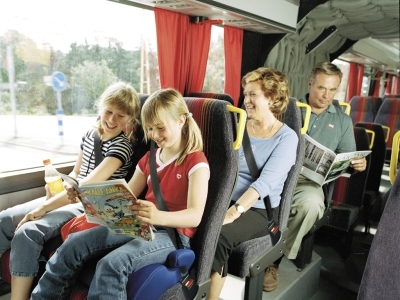
112
According to an announcement by the Ministry of Transport and Construction, all buses registered after October 20, 2007 must be equipped with seat belts.
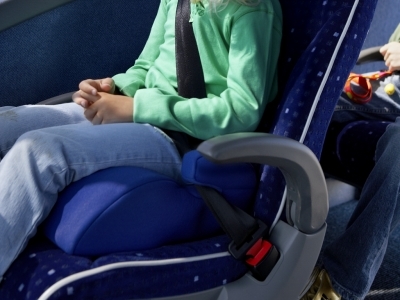
113
It should be clearly emphasized that the introduction of seat belts as equipment in buses is still a requirement for manufacturers and importers of these vehicles and is reflected in the relevant approval regulations.
114
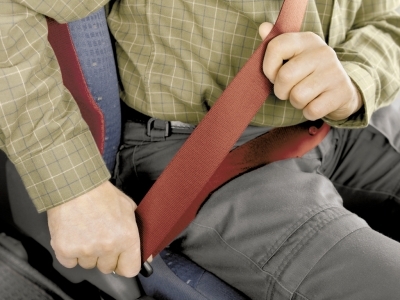
However, not everyone understands the need for seat belts. Skeptics are everywhere. We'll share some of them here, in response, of course.
115
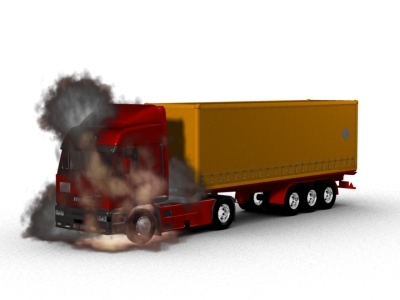
Skeptics argue that wearing seat belts can make it difficult to escape from a burning car.
116
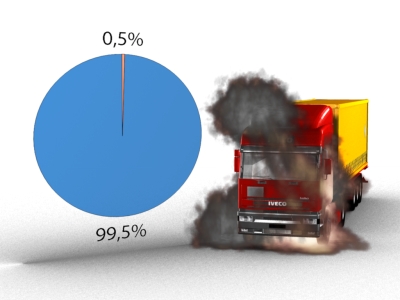
However, accident statistics show that only 0.5% of road accidents involve vehicle fires.
117
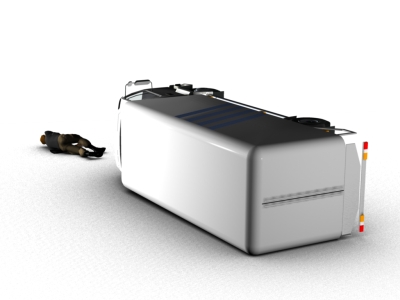
There is a common belief among drivers and passengers that in an accident it is better to fall out of the car than to be trapped in it.
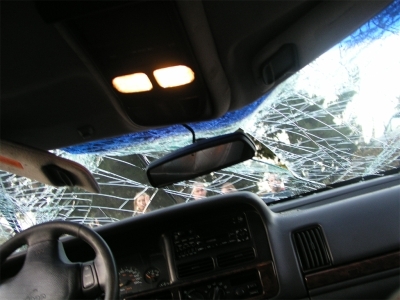
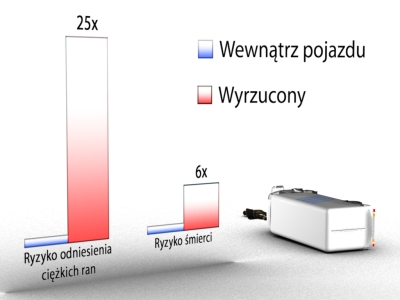
118
Research shows that if a body is thrown through a windshield, the risk of serious injury in a crash increases by 25 times, and the risk of death by 6 times.
119
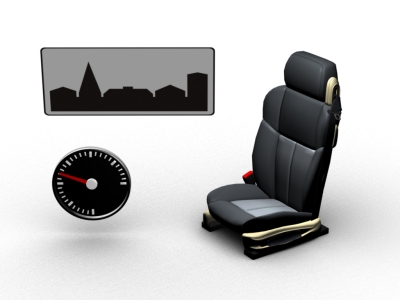
Many drivers believe that city driving and short-distance driving are slow. Therefore, in the event of an accident, nothing will happen. In this situation, wearing a seat belt is unnecessary.
120
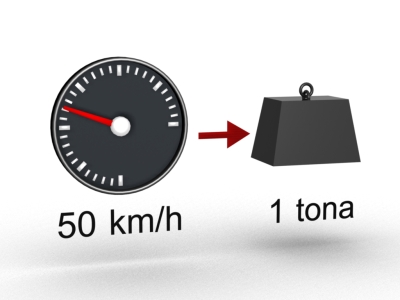
Nothing could be more wrong, because a fall at 50 km/h throws a body from the seat with a force of 1 ton. The consequences of impact with stationary vehicle parts can be fatal, including for the front passenger.
121
On the other hand, owners of cars equipped with airbags are convinced that this protection is sufficient.

122
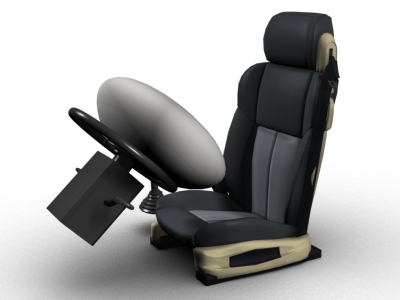
An airbag reduces the risk of death by 50% only when used in conjunction with seat belts during a crash. Imagine an airbag hurtling toward your face at over 300 km/h. You hit it with the force of your entire body because your seat belt isn't fastened. The effects are tragic. Only a fastened seat belt will hold your body in place, allowing the airbag to inflate. Only after it inflates will the belt pretensioners allow the car to impact it.
123
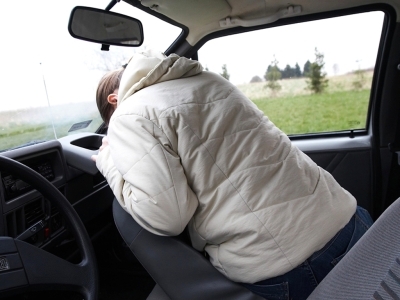
Rear-seat road users rarely wear seat belts (on average, about 47% of passengers do). They believe the rear seat is safer.

124
Rear seat passengers are at the same risk of serious injury as those in the front seat. They also pose a mortal danger to those in the front seat.
125
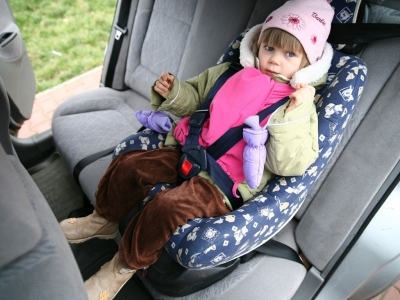
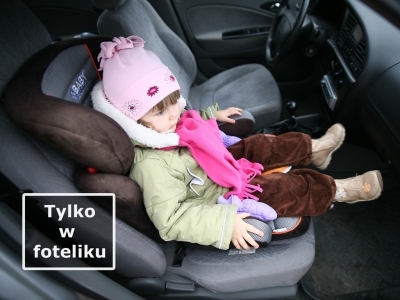
Some parents believe that if a child sits on their lap, it will protect them from the consequences of an accident no less than in a car seat.
126
A parent is unable to hold a child who, upon unexpected impact, gains the weight of an elephant. Furthermore, in the event of an accident, the parent could crush the child with their body, reducing their chances of survival.
127
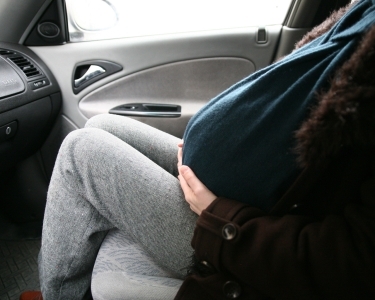
Many expectant mothers believe that seat belts pose a danger to the fetus. Moreover, the law allows women who are visibly pregnant to not wear seat belts.
128
Research and experience clearly show that in a crash, seat belts are the only device that can save the life of a pregnant woman and her unborn child.
129
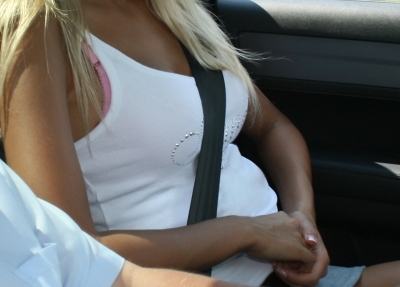
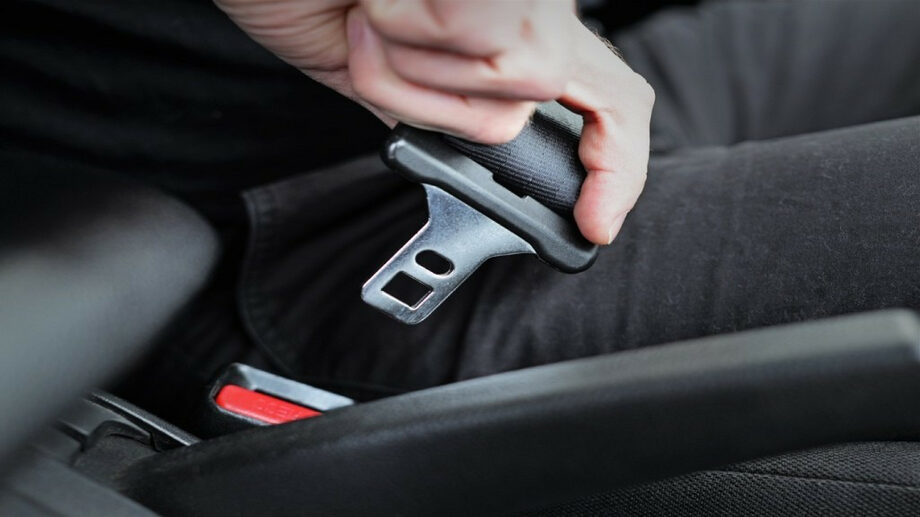
Drivers are responsible for ensuring that passengers and their passengers wear seat belts. Drivers can be fined 300 zlotys for failing to wear seat belts.
130
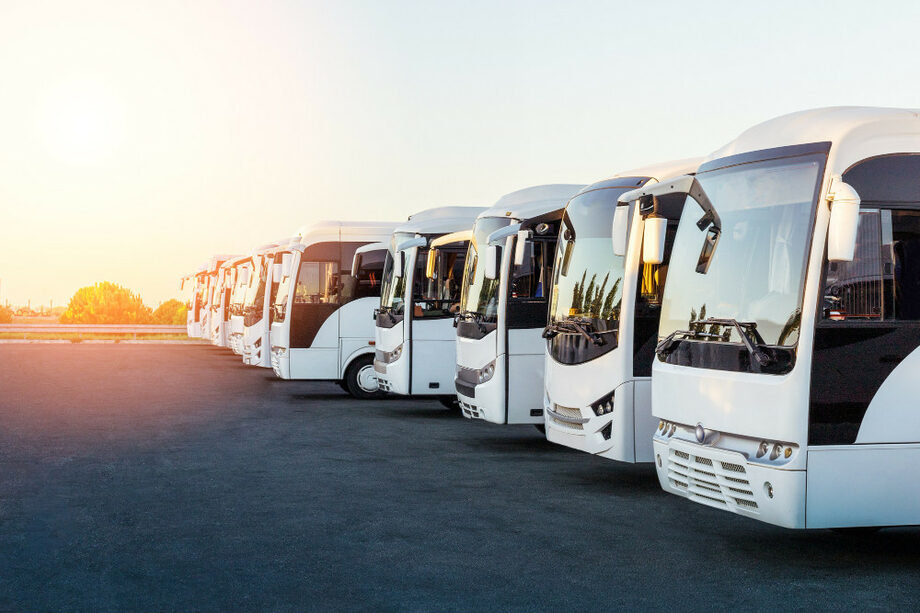
The provisions impose on the driver of a vehicle of category M2 for the carriage of no more than nine passengers with a gross weight of no more than 5 tons) and M3 (buses with a gross weight of over 5 tons), equipped with seat belts, the obligation to inform the persons being transported of the mandatory use of seat belts when driving the vehicle.
131
The driver is exempt from the obligation to inform passengers of the mandatory use of seat belts if they have been informed in one of the following ways: by the person leading the group in the vehicle, by means of an audiovisual device, or by means of a sign posted in a conspicuous place near each seat.

132
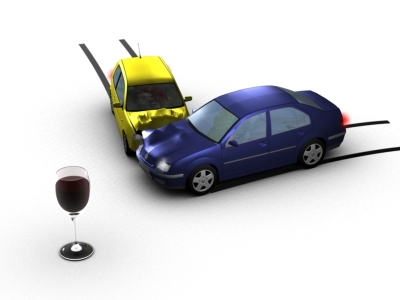
Alcohol is another factor contributing to road accidents. The Road Traffic Act prohibits driving a vehicle, leading a convoy of pedestrians, riding horses, or controlling animals while under the influence of alcohol, alcohol intoxication, or something resembling alcohol.
133
The state after drinking alcohol is when the alcohol content in the body is: 1) in the blood from 0.2 to 0.5 ppm of alcohol or 2) in exhaled air from 0.1 mg to 0.25 mg of alcohol in 1 dm3.
134
A state of intoxication occurs when the alcohol content in the body is: 1) more than 0.5 ppm of alcohol in the blood or 2) more than 0.25 mg of alcohol in 1 dm3 in exhaled air.
135
The Code of Minor Offences provides for penalties for drunk driving. Article 87 § 1. Anyone who, while under the influence of alcohol or a similar substance, drives a motor vehicle on land, water, or in air transport is subject to arrest or a fine of at least 2,500 zlotys. The same penalty is imposed on anyone who, while under the influence of alcohol or a similar substance, drives a vehicle other than the above-mentioned on a public road, in a residential area, or in a traffic zone. Anyone who, while under the influence of alcohol or a similar substance, drives a non-motor vehicle on a public road, in a residential area, or in a traffic zone is subject to arrest or a fine of at least 1,000 zlotys. In addition to the fine, the court may order a driving ban.
136
A much stricter penalty is imposed on people who, despite the ban, decide to drive a vehicle while intoxicated or under the influence of intoxicating substances.
137
Article 178a. Criminal Code § 1. Anyone who, while intoxicated or under the influence of alcohol, drives a vehicle on land, on water or in the air, shall be subject to a fine, a penalty in the form of restriction of liberty or a penalty in the form of imprisonment for a term of up to 2 years.
138
If the person who committed the above act has previously been convicted under the law for driving a motor vehicle while intoxicated or for offenses provided for by the Law committed while intoxicated or under the influence of intoxicating substances, or is guilty of repeated drunk driving or driving while intoxicated during the period of a ban on driving a vehicle imposed in connection with a criminal record, he shall be punished by imprisonment for a term of 3 months to 5 years.

139
The human body's reaction to alcohol at a blood alcohol concentration of 0.3 to 0.5 ‰ is impaired visual-motor coordination, impaired balance, and euphoria.
140
With a blood alcohol concentration of 0.5 to 0.7 ‰ - impaired mobility, excitability, talkativeness, decreased self-control, and incorrect assessment of capabilities.
141
When the blood alcohol concentration is from 0.7 to 2.0 ‰, there is a disturbance of balance, decreased intellectual performance, slowed reaction time, severe irritability, and increased blood pressure.
142
At a blood alcohol concentration of 2.0 to 3.0 ‰ - speech impairment, falls, increased drowsiness, decreased ability to control one's own behavior
143
When the blood alcohol concentration is from 3.0 to 4.0 ‰, a drop in blood pressure, a decrease in body temperature, and the disappearance of physiological reflexes are observed.
144
Coma and death occur when the blood alcohol level is above 4.0 ‰.
145
The effects of alcohol on the human body - heart:
weakness and heart failure, increased blood pressure, anemia, and blood clotting disorders.
146
The effects of alcohol on the lungs:
decreased immunity, increased risk of pneumonia and tuberculosis.
147
The effects of alcohol on the human body - the liver:
cirrhosis and liver cancer.
148
The effects of alcohol on the human body - the stomach:
gastritis, ulcers.
149
The effects of alcohol on the human body - muscles:
shaking of the hands and fingers, abnormal sensations, muscle weakness.
150
The effects of alcohol on the human body and brain:
memory lapses, delusions, irrational behavior, violence, depression, nervousness.
151
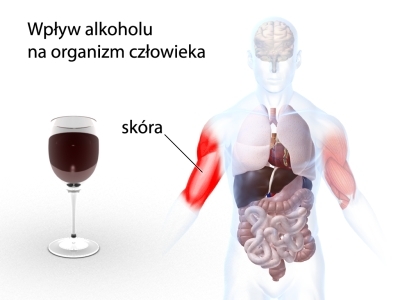
The effect of alcohol on the human body - skin: discoloration and wounds on the skin, premature aging.
152
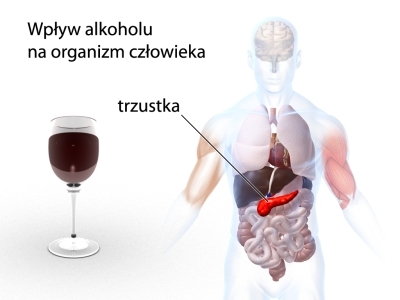
The effects of alcohol on the human body - the pancreas:
inflammation of the pancreas.
153
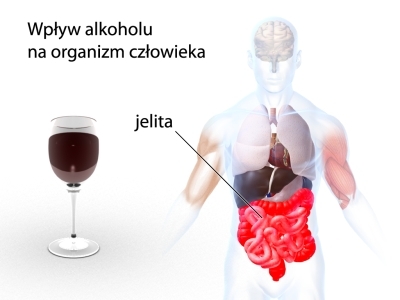
The effects of alcohol on the human body - the intestines:
frequent diarrhea, intestinal ulceration, bleeding.
154
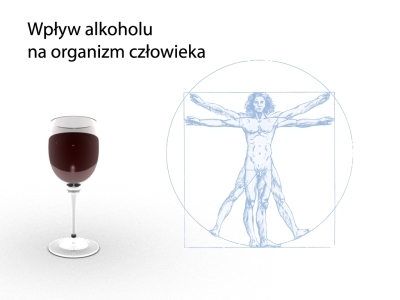
In men, alcohol consumption disrupts sexual activity and causes testicular atrophy.
155
In women, alcohol increases the risk of fetal defects or underdevelopment of infants.
156
A sober person has 100% visibility during the day (in sunlight). After dark, visibility drops to 66%.
157
A person who has consumed alcohol sees differently. With a blood alcohol concentration of 1.1%, during the day (in sunlight), a person's visibility is 45%, but after dark, visibility drops to 30%.
158
In 2021, road users (drivers, pedestrians, passengers) under the influence of alcohol were involved in 2,488 road accidents, resulting in 331 deaths and 2,805 injuries.
159
People under the influence of alcohol were most often involved in traffic accidents on the last days of the week: 506 accidents on Saturdays and 454 on Sundays. This is undoubtedly influenced by the fact that weekends and holidays are favorable for social gatherings and parties involving alcohol.

160
The effects of alcohol on the human body are similar to those of alcohol. The Minister of Health issued a decree identifying five groups of alcohol-like substances that can be measured in the human body.

161
Among the five named groups, the following are distinguished: - amphetamine and its analogues; - cocaine; - opiates; - tetrahydrocannabinols; - benzodiazepines.

162
The most common consequences of drug use that significantly affect the ability to drive vehicles include: - distortions of visual perception (impaired accommodation, visual acuity, reaction speed, in more severe cases - visual delirium and hallucinations);
163
- distortions of auditory perception (impaired hearing acuity, localization of the direction from which the sound comes, in more severe cases - delirium and auditory hallucinations);

164
- impairment of concentration, attention, psychomotor coordination and, as a consequence, a significant slowdown in reaction time;
165
- scattered thought processes, inability to selectively synthesize information, which in road traffic contains many factors and is extremely changeable in a short period of time;

166
- inadequate self-confidence with a sharply limited ability to correctly assess risks on the road;
167
- induction of drowsiness and fatigue or their enhancement;

168
- adverse somatic symptoms (nausea, dizziness, muscle spasms and weakness, hand tremors, sweating, increased or decreased breathing, palpitations or greatly decreased breathing, hot and cold flashes);
169
- emotional instability, irritability, a tendency to impulsive and aggressive reactions, or, conversely, anxiety

170
- severe psychotic - hallucinatory-delusional disorders: if they occur while driving a vehicle, they immediately create a life-threatening situation.

Time to test your knowladge!
The Module 4 test consists of 21 questions. Up to 3 incorrect answers are allowed to pass.