
Module 5
1
Module 5 - International Road Transport
2
The Road Transport Act, in addition to defining the conditions related to the commencement and implementation of road transport, also sets out the requirements that must be met by persons wishing to master the profession of a vehicle driver, which requires categories C1, C1. + driving license category E, C, C. + E, D1, D1 + E, D or D + E.
3
Today, every driver is expected to be a professional. This requires entrepreneurs and drivers to understand the legal regulations.
4
The provisions of the Law do not apply to road transport carried out by vehicles or combinations of vehicles:
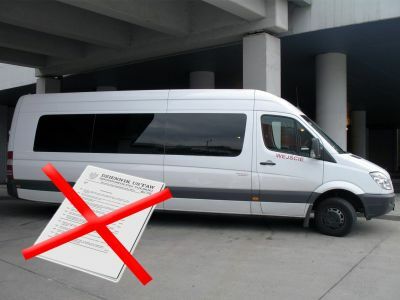
- designed to carry no more than 9 people, including the driver, for non-commercial passenger road transport;
5
- with a permitted total mass of no more than 3.5 tons for road transport of goods and non-commercial road transport of goods;
6
- ambulance teams and ambulance transport services.

7
For road transport, the following has been completed:
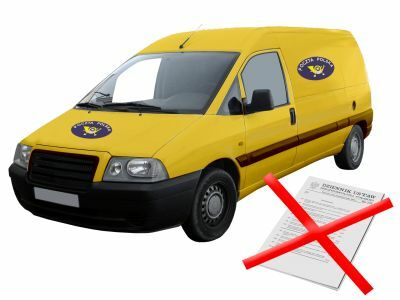
- as part of universal postal services,
- as part of services involving the transportation of household waste or liquid waste,
- by entities that are not entrepreneurs,
- as part of repairing the consequences of breakdowns or accidents involving emergency vehicles,
the provisions of the Law on Non-Commercial Road Transport apply accordingly.
8
Non-commercial domestic road transport is independent transport carried out within the territory of the Republic of Poland, subject to the simultaneous fulfillment of three conditions:
9
condition 1 - the vehicles used for transportation are driven by the entrepreneur or his employees;
10
condition 2 - the entrepreneur has the right to dispose of vehicles;
11
condition 3 - in the case of a journey by a loaded vehicle - the goods being transported are the property of the entrepreneur or have been sold, purchased, leased, rented out, manufactured, excavated, processed or repaired, or the purpose of the journey is the transport of people or goods from or to the enterprise for its own needs, as well as the transport of employees and members of their families.
12
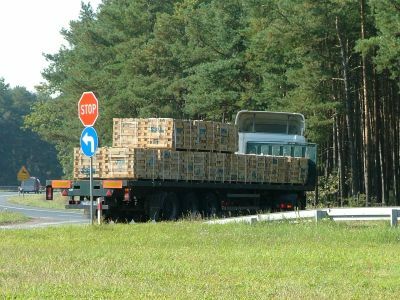
National road transport - the implementation and pursuit of business activities in the field of transporting people or goods using motor vehicles registered in the country, which are also considered to be vehicle combinations consisting of a motor vehicle and a trailer or semi-trailer, on the territory of the Republic of Poland, when driving a vehicle, the place of commencement or end of the journey and the route, as well as the road, are on the territory of the Republic of Poland;
13
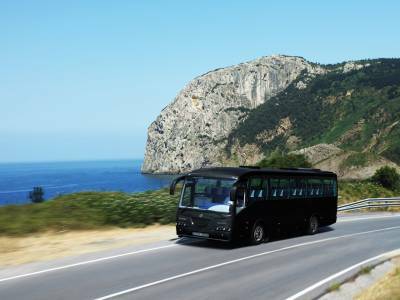
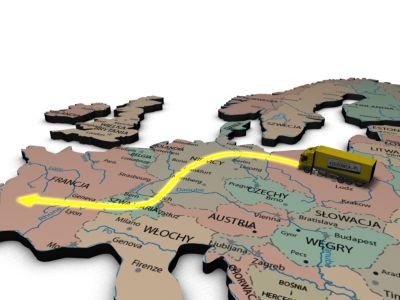
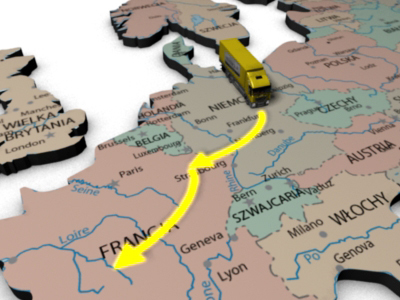
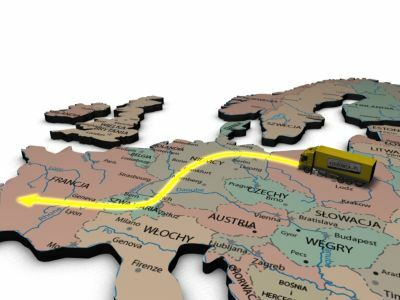
International road transport - the implementation and pursuit of economic activity in the field of passenger or freight transport using motor vehicles, which are also considered to be vehicle combinations consisting of a motor vehicle and a trailer or semi-trailer, when the vehicle moves between the point of departure and the destination after crossing the border of the Republic of Poland;
14
Road transport is national road transport or international road transport, this term also covers any road transport carried out by an entrepreneur in support of his economic activity, which does not meet the conditions for its implementation specified in the Law.
15
In addition, road transport is also defined as an economic activity in the field of providing intermediary services for the transportation of goods.

16
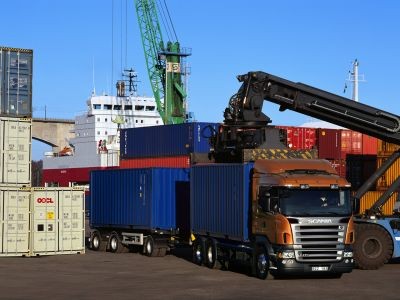
Initial or final leg of a journey means carriage:
a) between the point of loading of goods and the nearest suitable railway station of loading for the initial leg and between the nearest suitable railway station of unloading and the point of unloading of goods for the final leg or
(b) within a radius not exceeding 150 km as the crow flies from the inland or sea port of loading or unloading.
17
Warning! Combined transport does not include the carriage of goods by air or other modes of transport for the collection or delivery of goods.
18
The main rationale for the development of combined transport was the desire to simplify the tasks associated with moving freight and to achieve measurable economic and environmental benefits:
- reduced transportation costs,
- reduced maintenance costs,
- rail transport is less sensitive to weather conditions,

19
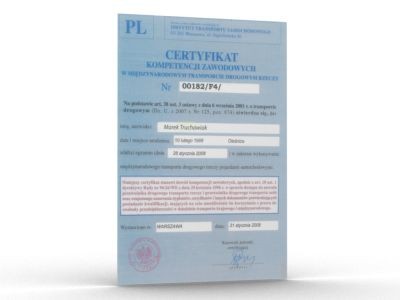
- improving road safety by reducing the number of road accidents,
- reducing exhaust emissions,
- reducing noise levels,
- reducing congestion on local roads,
- saving liquid fuel.
20
Combined transport is divided into:
- multimodal transport,
- bimodal transport.
21
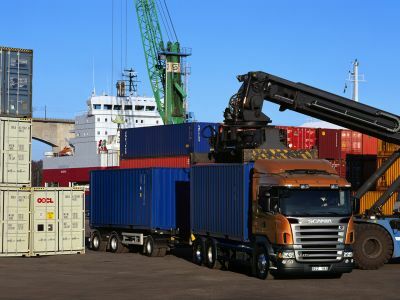
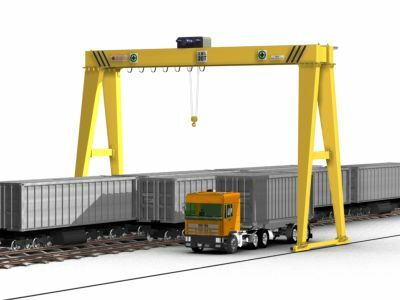
Multimodal transport is the transport of goods (or people, but the term is most often used to refer to commodities) by more than one mode of transport (e.g. road and rail, or sea, rail and road).
22
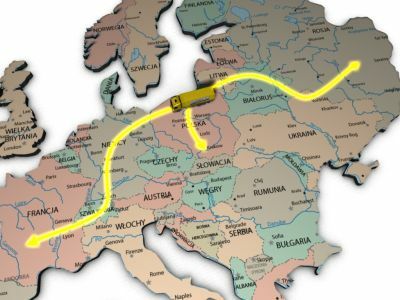
Based on distance, the following types of multimodal transportation are distinguished:
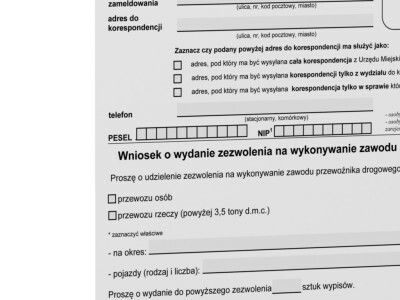
- domestic transport,
- international transport,
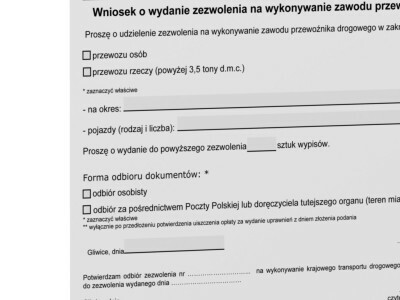
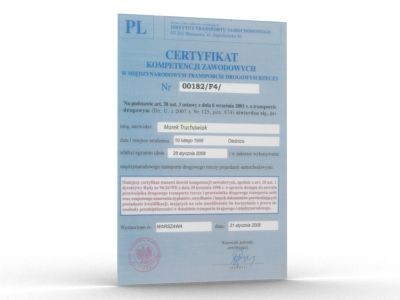
- continental transport,
- intercontinental transport.
23
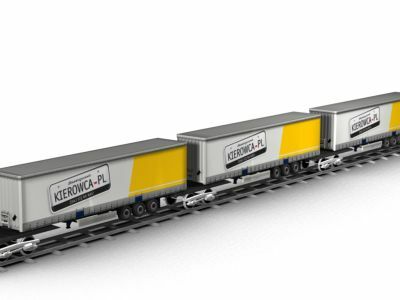
Bimodal transport combines two different modes of transport, such as road-sea, rail-road.
24
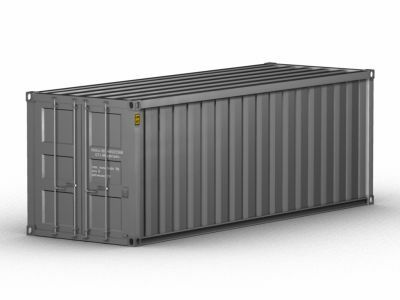
Intermodal transportation is the transportation of goods using more than one mode of transport. The most important rule is to use only one loading unit, such as a container or swap body, throughout the entire journey.
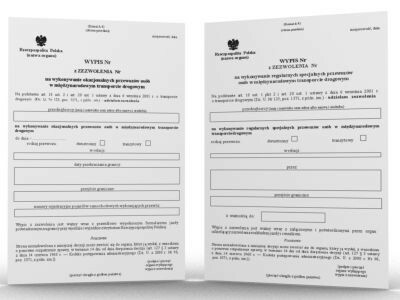
25
Advantages of intermodal transportation:
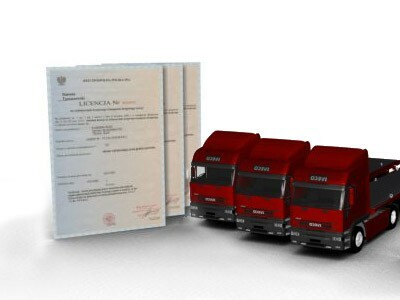
- can help reduce the overall cost of the transportation process,
- allows for an increased number of transport options,
- can improve service quality,
- fast and on-time delivery,
- increased frequency of loading capabilities,
- reduced risk of product damage,
- improved availability of transportation services or the ability to transport larger consignments at a time.
26
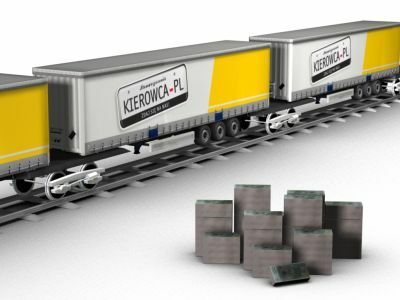
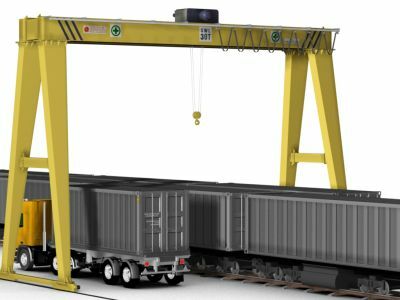
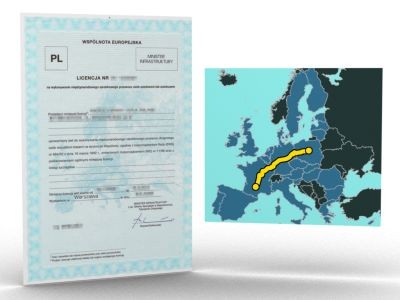
The most important elements of intermodal transportation are:
- the need to use at least two modes of transport,
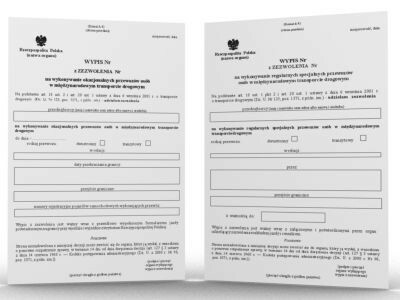
- only one transport contract,
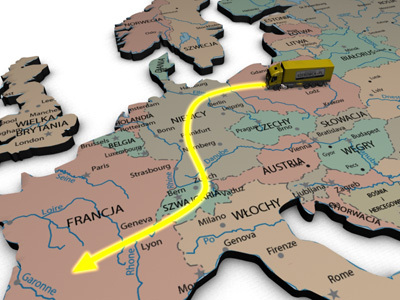
- one contractor responsible for the delivery of goods,
- the need for load standardization.
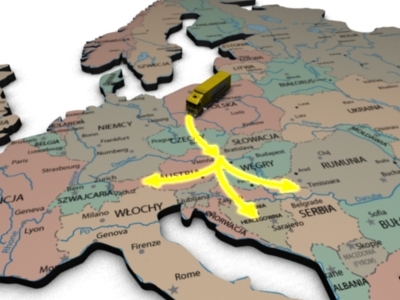
27
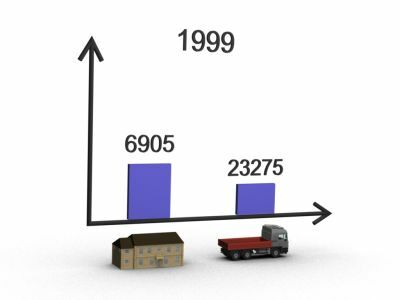
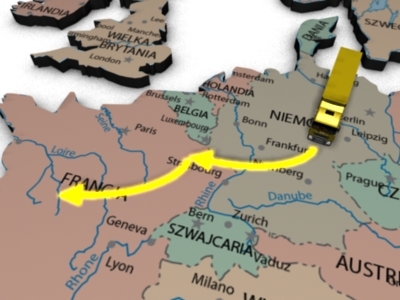
Road transport is a vital sector of the national economy and is growing in strength every year. In 1999, 6,905 freight transport companies with a fleet of 23,275 vehicles were registered in Poland.
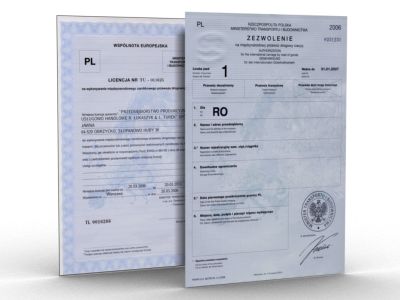
28
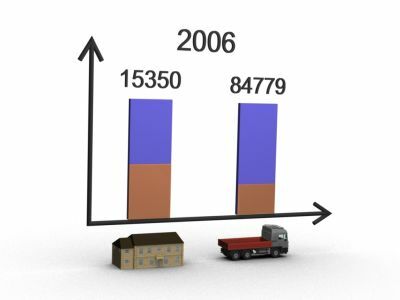
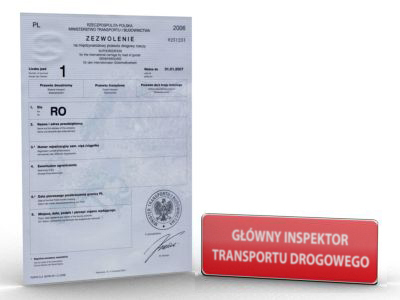
In 2006, the number of enterprises increased to 15,350. They had 84,779 vehicles at their disposal.
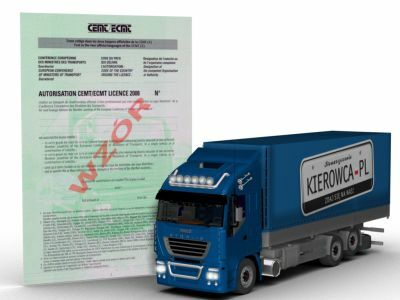
29
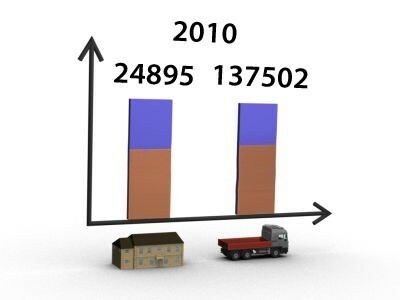
In 2010, there were already 24,895 registered transport companies with a fleet of 137,502 vehicles.
30
At the end of 2015, there were almost 30 thousand transport companies, i.e. more than 20 thousand more than in 2003. Data for 2017 indicate 33 thousand transport companies.
31
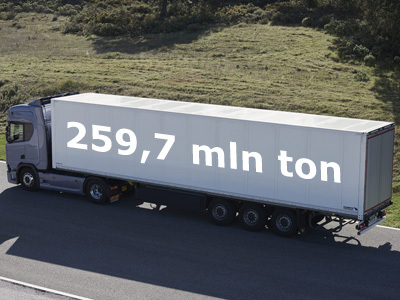
The achieved volume of freight transport by public road transport in the European Union, expressed in tonne-kilometers, places Poland in second place among EU countries, just behind Germany and ahead of Spain and France. Poland's share of tonne-kilometers in 2017 was 15.7%, while Germany's was 17.1%.
32
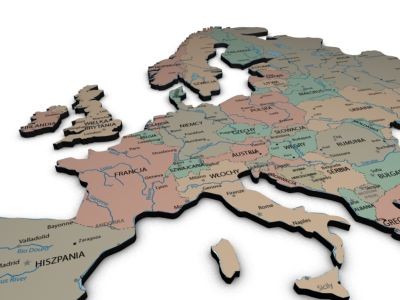
In international transport, Poland had an even larger share and was in first place, ahead of Germany and Spain.
33
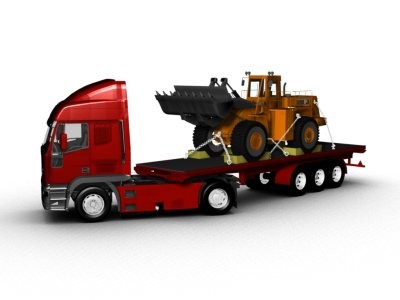
Rules and requirements for road transport are regulated by many legal acts and relate, in particular, to various modes of transport, such as the transportation of animals, waste, hazardous goods, perishable goods, and oversized vehicles, which play a significant role in cargo transportation. However, there are also many general rules.
34
December 4, 2011, the so-called transport package. The above applies to three EU regulations:
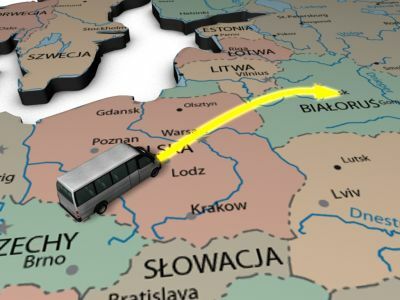
- Regulation (EC) No 1071/2009 of the European Parliament and of the Council of 21 October 2009 laying down common rules concerning the conditions for the exercise of the activity of road transport operators and repealing Council Directive 96/26/EC;
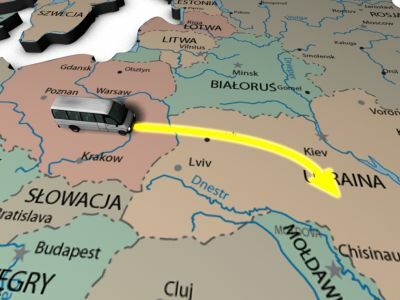
- Regulation (EC) No 1072/2009 of the European Parliament and of the Council of 21 October 2009 on common rules for access to the market in international road haulage;
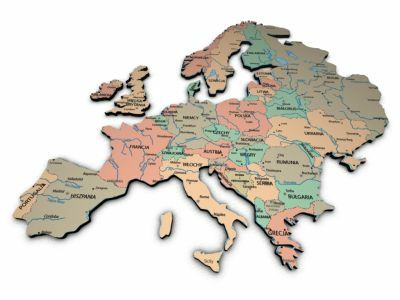
- Regulation (EC) No 1073/2009 of the European Parliament and of the Council of 21 October 2009 on common rules for access to the international market in coach and bus services, and amending Regulation (EC) No 561/2006.
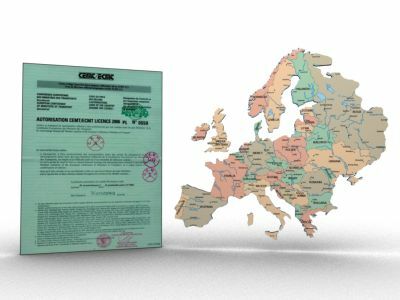
35
The provisions of these regulations were implemented directly into national legislation by the Act of 5 April 2013 amending the Law on Road Transport and the Law on Drivers' Working Hours (Journal of Laws of 2013, art. 567).

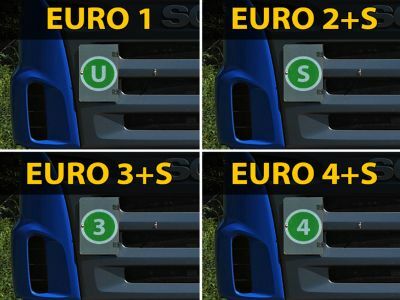
36
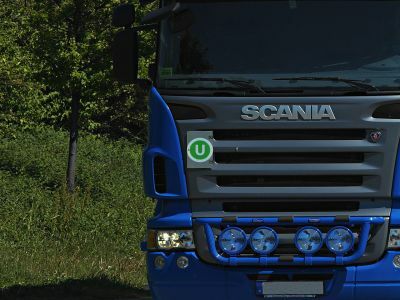
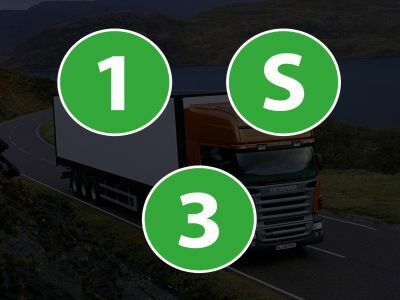
According to the amendments, from 16 July 2013 the commencement and performance of national road transport of goods requires obtaining a permit to carry out the activity of a road transport operator under the conditions set out in Regulation (EC) No 1071/2009 of the European Parliament and of the Council of 21 October 2009 laying down common rules concerning the conditions for the exercise of the activity of a road transport operator and repealing Council Directive 96/26/EC.

37
A permit to operate as a road transport operator is issued to an entrepreneur if:
1) the entrepreneur meets the requirements set out in Regulation (EC) No 1071/2009, and if
2) there is no prohibition on the driver's profession in relation to drivers employed by the entrepreneur, as well as other persons not employed by the entrepreneur but carrying out transport on its behalf.

38
According to Regulation 1071/2009, entrepreneurs operating in the road transport sector must meet the following requirements:
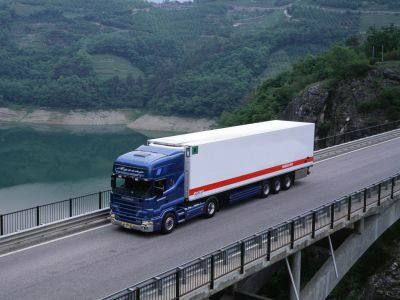
(a) have an effective and permanent establishment in one of the Member States;
b) be of good repute;
(c) have an adequate financial position; and
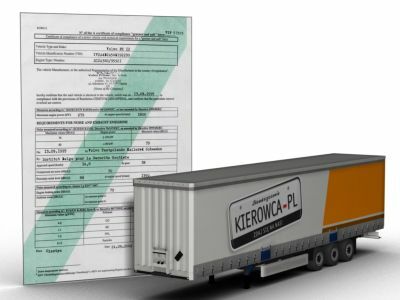
d) possess the necessary professional competencies.

39
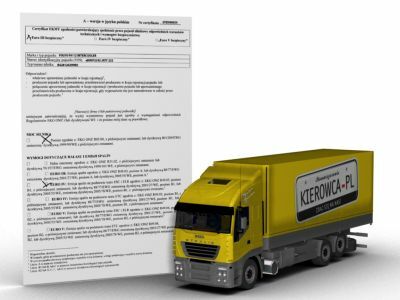
In order to comply with the requirement, the trader must, in the Member State concerned:
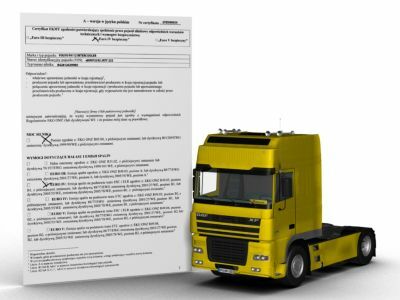
(a) have available in that Member State the premises on which it carries out its main business, in particular accounting records, employee files, documents containing driving and rest time data and any other documents related to the carrying out of the business, to which access must be granted to the competent authority in the event of inspections;
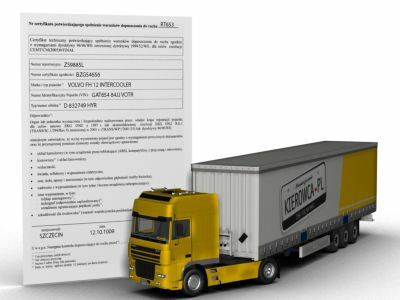
40
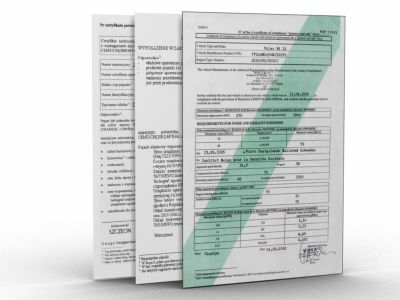
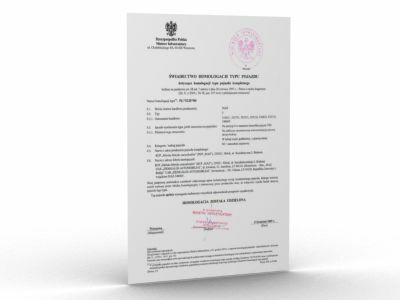
In addition, to meet the requirement to have a registered office, the entrepreneur must: b) own at least one vehicle to which the entrepreneur has legal title;
41
In order to comply with the established requirement, the trader must also:
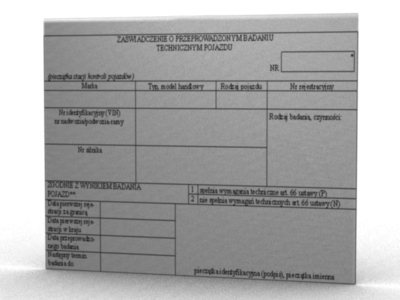
(c) carry out the activity related to the above-mentioned means of transport actually and continuously and using the necessary administrative equipment and appropriate technical equipment and technical devices at an operational base located in that Member State.

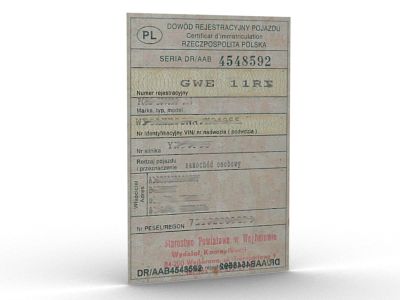
42
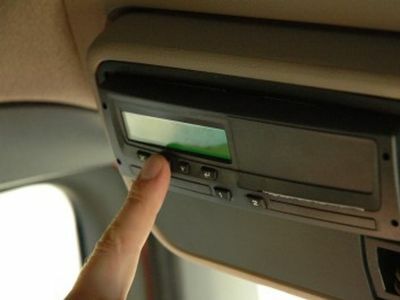
The requirement of good repute is deemed to be met when there are no serious allegations against the transport manager or transport operator, such as criminal charges or sanctions for a serious violation of applicable national law in the following areas:
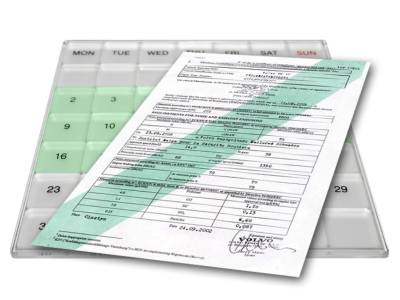
- commercial law;
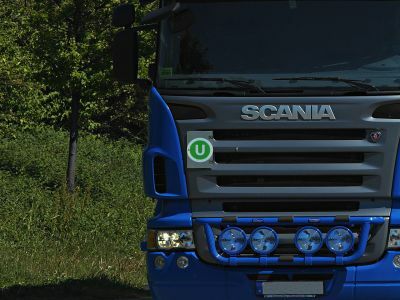
- bankruptcy law;
- wages and conditions of employment;
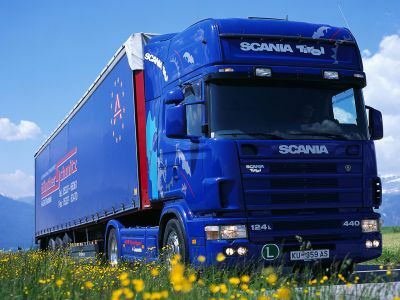
- traffic regulations;
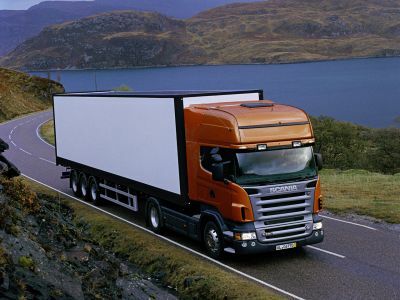
- professional liability;
- human or drug trafficking;

43
Furthermore, the requirement of good repute shall be deemed to be met if the transport manager or transport operator has not been convicted of a serious offence or punished for a serious infringement of Community law in one or more Member States.
44
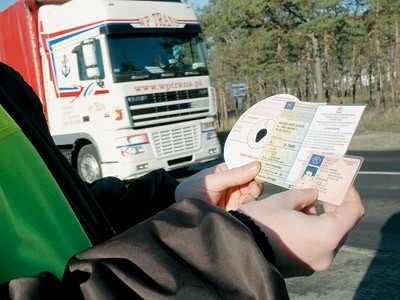
Serious violations of Community law concern, in particular:
- driving and rest times of drivers, working hours, and the installation and use of control devices;
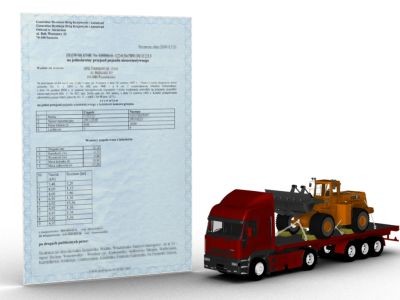
- maximum weight and dimensions of commercial vehicles used in international traffic;
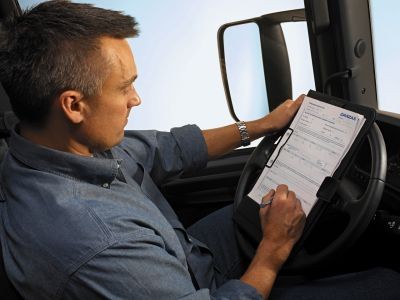
- initial and advanced driver qualifications;
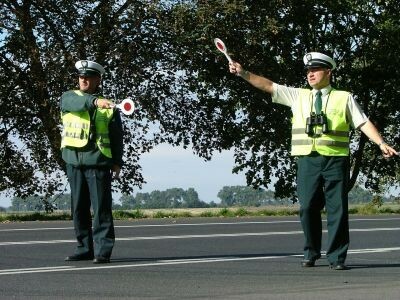
- technical tests for commercial vehicle registration, including mandatory technical tests of motor vehicles;

45
Serious violations also concern:
- access to the international road transport market or, where necessary, access to the road passenger transport market;
- road safety during the transport of dangerous goods;
- installation and use of speed limiters on certain types of vehicles;
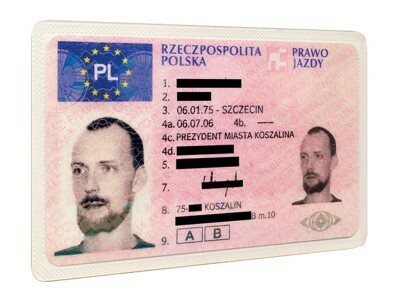
- driver's licenses;
- access to professions;
- transport of animals.
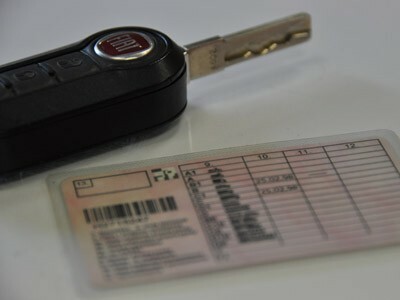
46
To meet the financial standing requirements, an entrepreneur must be able to meet its financial obligations at all times during the financial year.

47
The economic operator demonstrates, on the basis of annual accounts certified by an auditor or duly authorised person, that it has capital and reserves of at least EUR 9,000 per year if only one vehicle is used and EUR 5,000 for each additional vehicle used.

48
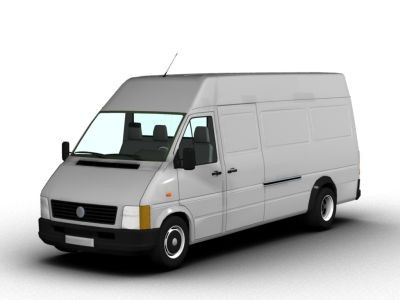
An entrepreneur may also demonstrate his financial solvency through a certificate such as a bank guarantee or insurance, including professional liability insurance from one or more banks or other financial institutions, including insurance companies providing a joint guarantee for the business for an amount depending on the number of vehicles.

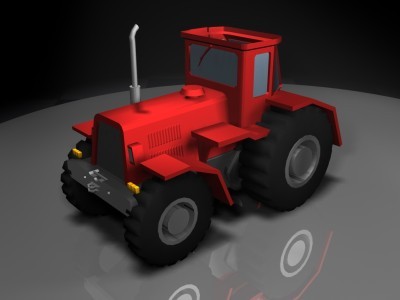
49
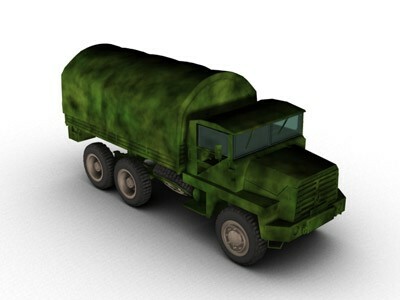
To meet the requirement of professional competence, an entrepreneur or other person must have the relevant knowledge and practical skills necessary to manage a transport enterprise, confirmed by a certificate of professional competence.
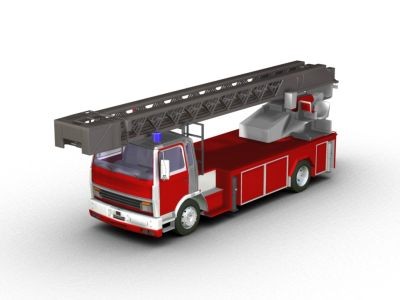
50
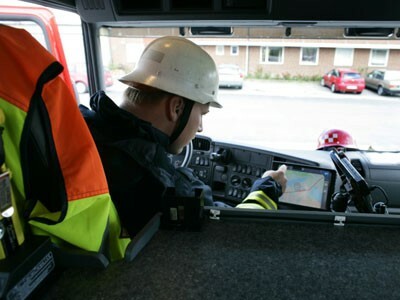
Among the areas of knowledge that an entrepreneur engaged in road freight transportation must possess, it was indicated that he must, in particular:
- know the types of contracts most frequently concluded in road transport, and the rights and obligations arising from them;

51
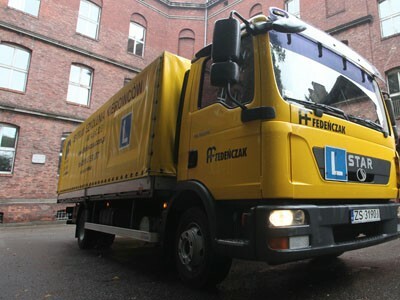
- be able to enter into legally binding transport contracts, especially with regard to the terms of carriage;

52
- be able to consider customer claims for compensation for loss or damage to goods during transportation or for late delivery and understand how such a claim affects their liability
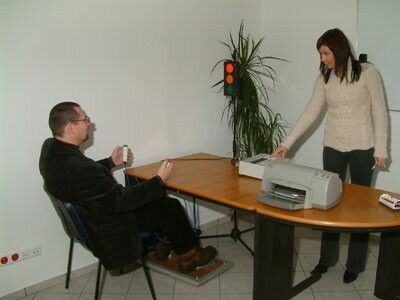
53
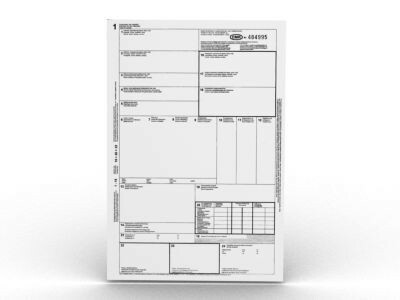
- know the rules and obligations arising from the Convention on the Contract for the International Carriage of Goods by Road (CMR);
54
- be familiar with the conditions and formalities of working in the market, be familiar with the general responsibilities imposed on carriers (registration, accounting, etc.), and the consequences of business bankruptcy;

55
- know the rules for drawing up employment contracts for various categories of employees of motor transport enterprises (contract forms, obligations of the parties, working conditions and regime, paid leave, wages, termination of the contract, etc.);

56
- be familiar with the rules concerning driving time, rest time and working time, in particular the provisions of Regulation (EEC) No 3821/85, Regulation (EC) No 561/2006, Directive 2002/15/EC of the European Parliament and of the Council (2) and Directive 2006/22/EC

57
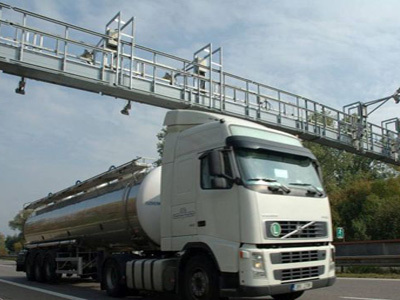
In addition, the entrepreneur must have knowledge in the field of tax law, business management and enterprise finance management, market access and road safety.

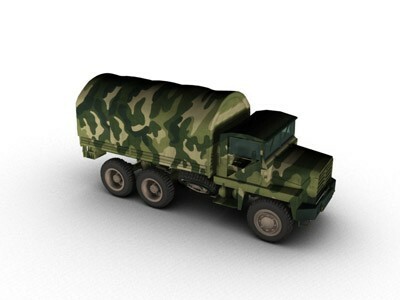
58
An undertaking applying for the position of road transport operator shall appoint at least one natural person as a transport manager who:
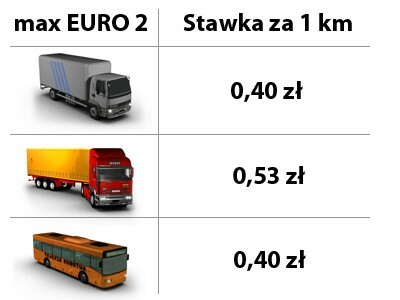
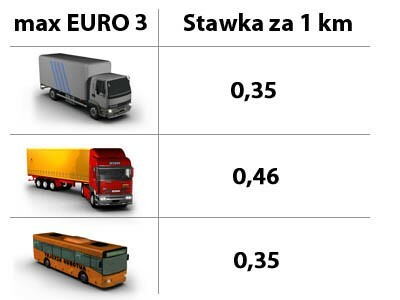
(a) effectively and continuously manages the transport operations of that undertaking;
(b) has a genuine relationship with the undertaking, such as being an employee, director, owner or shareholder of it, or managing it, or, if the trader is a natural person, is that person; and
(c) is domiciled in the Community.
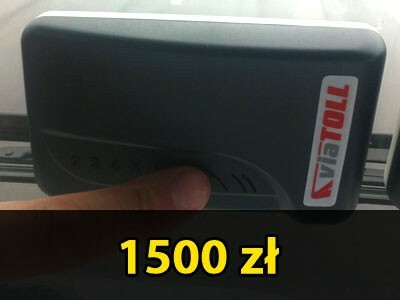
59
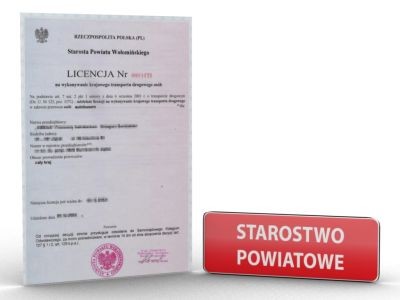
The issuance, refusal to issue, modification, suspension or cancellation of a permit for the operation of a motor transport operator is carried out by way of an administrative decision.

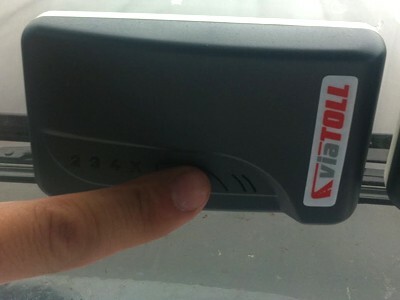
60
The authority competent to issue, refuse to issue, amend, suspend, or revoke a permit to operate as a road transport operator is:
1) the mayor competent at the entrepreneur's location,
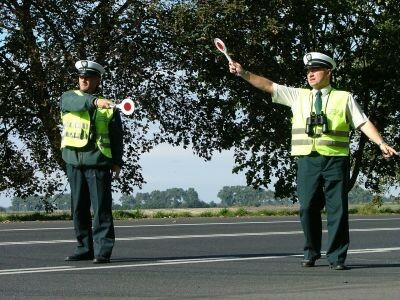
2) the Chief Inspector of Road Transport, in the case of an application for a Community licence, if the entrepreneur has not applied for a permit to operate as a road transport operator with the aforementioned authority.
61
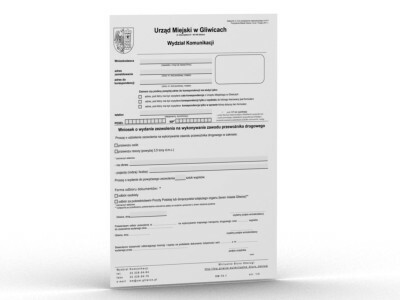
A permit to engage in the activities of a motor transport operator is issued upon an application from the entrepreneur, submitted in writing or in the form of an electronic document, via electronic communication.

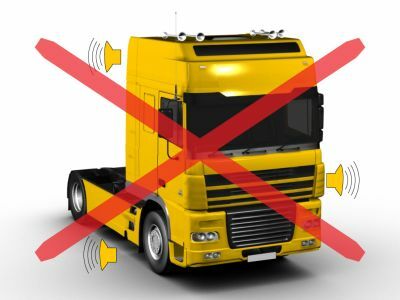
62
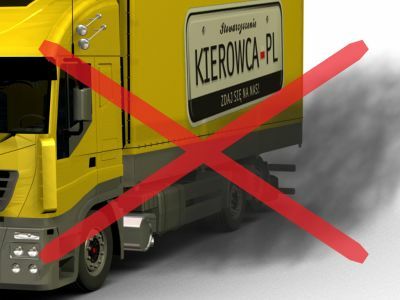
An application for a permit to operate a motor vehicle must include:
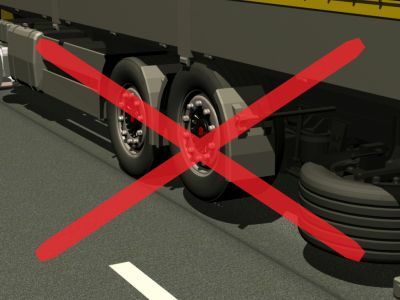
1) the name of the entrepreneur, their address, and their registered office or place of residence;
2) the address of the entrepreneur's registered office;
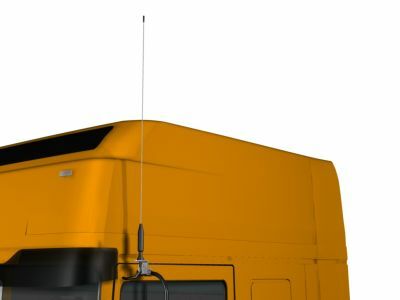
3) information about their entry in the Central Register of Business Activity (CREA) or their number in the register of entrepreneurs in the National Court Register (NCR), if required;
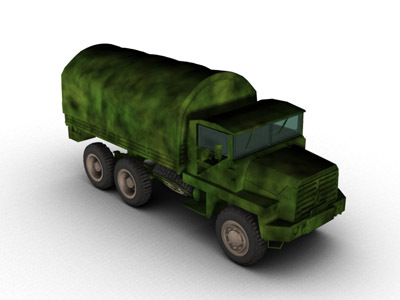
63
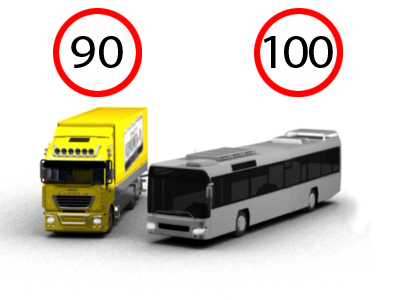
4) Taxpayer Identification Number (TIN);
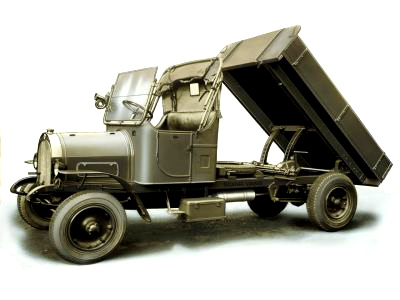
5) Type of motor vehicle;
6) Type and number of vehicles the entrepreneur will use for motor vehicle transportation;
64
7) the name and surname, residential address and number of the certificate of professional competence of the person operating the vehicle and
8) an indication of the number of extracts from the permit to engage in the activity of a road transport operator or from the Community licence;
65
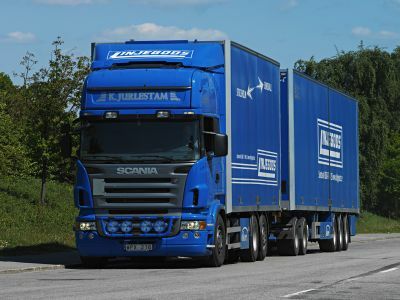
The following documents must be attached to the application for a permit to operate as a road transport operator:
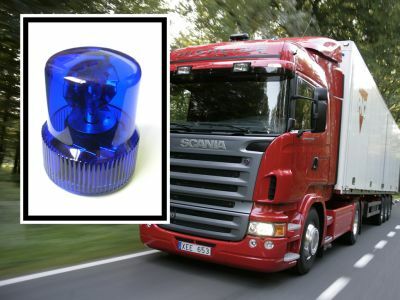
1) a statement by the person operating the transport, stating: "I declare that, in accordance with Article 4(1) of Regulation (EC) No 1071/2009, I will act as a transport manager" and a copy of that person's certificate of professional competence or a statement of the performance of the tasks of a transport manager on behalf of an entrepreneur, as well as a copy of that person's certificate of professional competence;
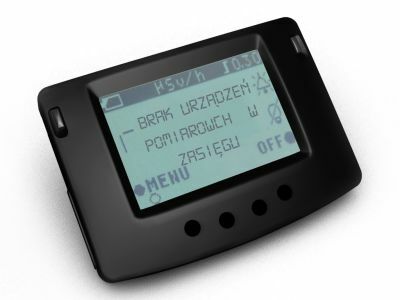
66
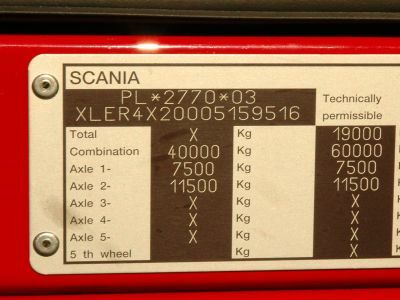
2) documents confirming compliance with the conditions related to the financial solvency requirement;
3) a statement from the entrepreneur confirming the existence of an active base, indicating the base address, if this address differs from the entrepreneur's registered office address.

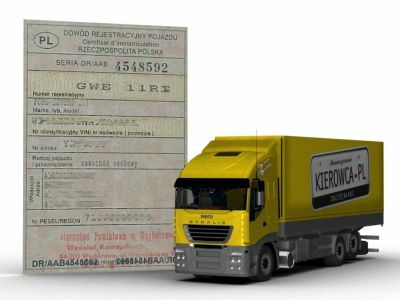
67
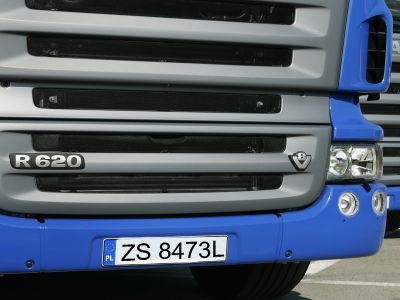
4) a statement of intent to hire drivers who are not prohibited from engaging in the profession of driver, or a statement of intent to cooperate with persons not hired by the entrepreneur but who carry out transportation personally on his behalf, subject to the conditions specified above.
5) confirmation of payment of the fee for issuing a permit to engage in the activity of a motor transport operator and an extract from this permit;

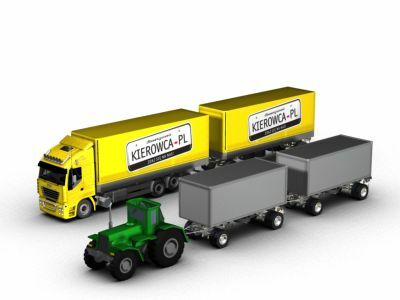
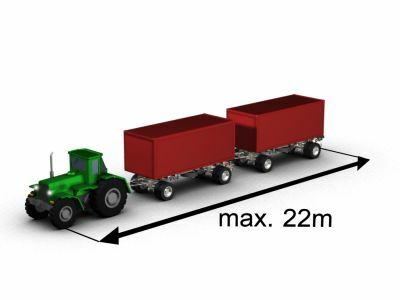
68
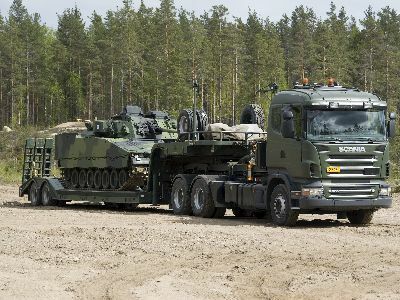
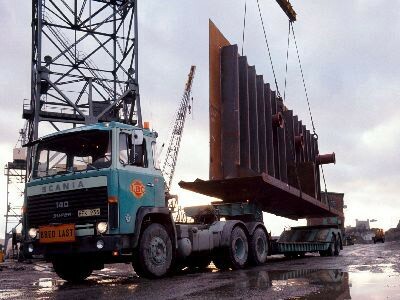
6) information from the National Registry of Criminal Cases on the individual:
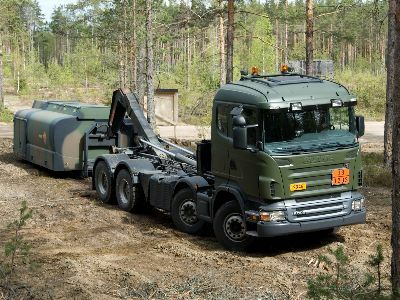
a) membership in the governing body of a legal entity, or managing a general partnership or limited partnership,
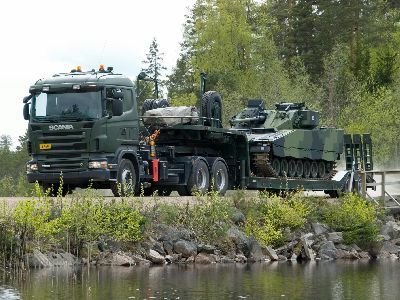
b) conducting business – in the case of another entrepreneur,
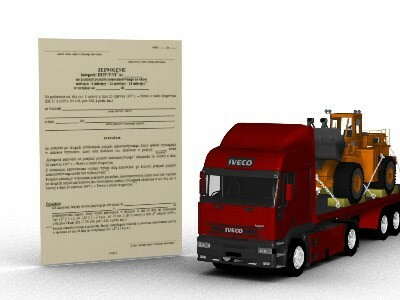
c) managing a vehicle or authorized under a contract to perform the duties of a vehicle manager on behalf of an entrepreneur
– or a statement from these individuals confirming the absence of a criminal record for intentional crimes in the specified areas.

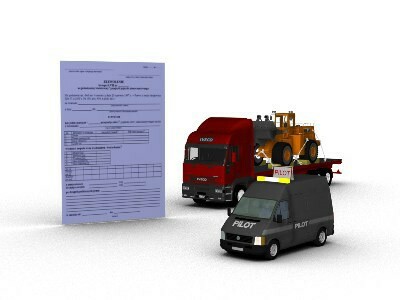
69
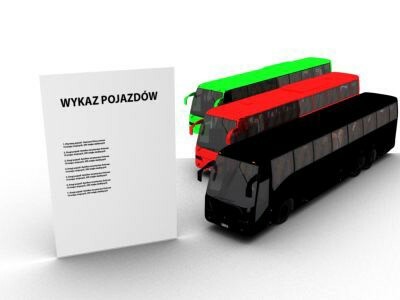
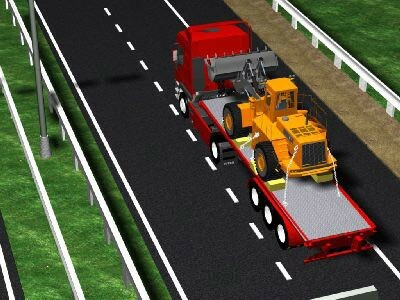
After receiving a permit to operate a motor vehicle, the entrepreneur submits to the authority a list of vehicles containing the following information:
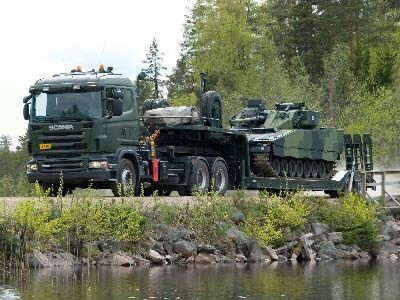
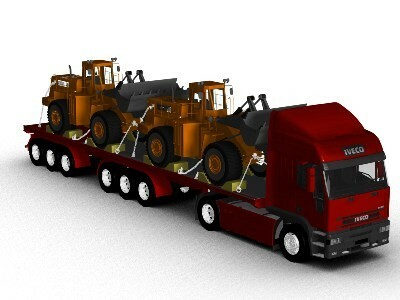
1) manufacture, type;
2) type/purpose;
3) registration number;
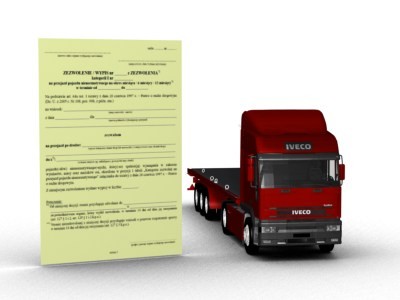
4) VIN number;
5) indication of the type of legal title to the vehicle.
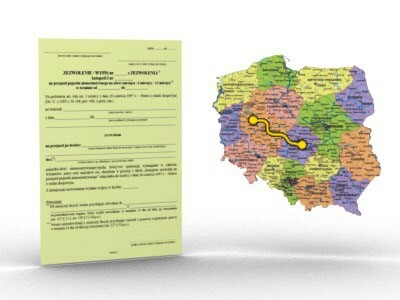
70
The permit for the operation of a motor transport operator shall, in particular, indicate:
1) the registration number of the permit for the operation of a motor transport operator;
2) the authority that issued the permit for the operation of a motor transport operator;
71
3) the date of issue of the permit for the operation of a motor vehicle operator;
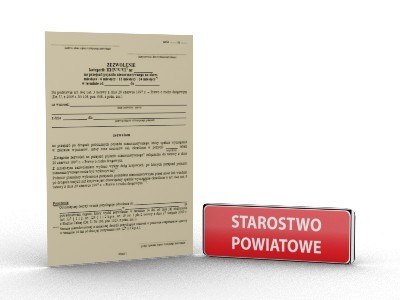
4) the legal basis;
5) the entrepreneur, their address and location or place of residence;
6) the type and volume of motor vehicle transport;
7) the expiration date.
72
The authority issuing the permit for the operation of a motor transport operator shall issue an extract or extracts from this permit in a quantity not exceeding the number of vehicles specified in the application for a permit for which the requirement of financial solvency is documented.
73
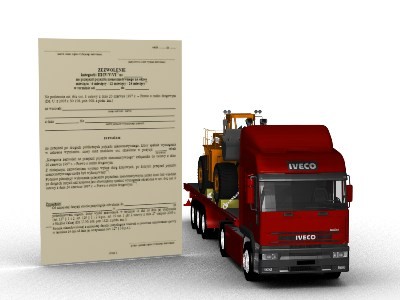
An entrepreneur is prohibited from having extracts from a permit to operate a motor transport operator in a total quantity exceeding the number of vehicles for which the need for financial solvency has been documented.

74
The entrepreneur is obliged to return excess statements to the issuing authority within 7 days from the date on which the total number of statements exceeds the number of vehicles for which the need for financial capacity is documented.

75
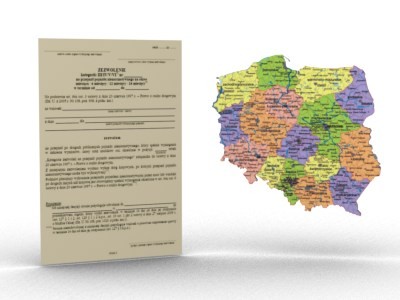
A license for the profession of a road transport operator entitles one to carry out transport operations only within the territory of the Republic of Poland.
76
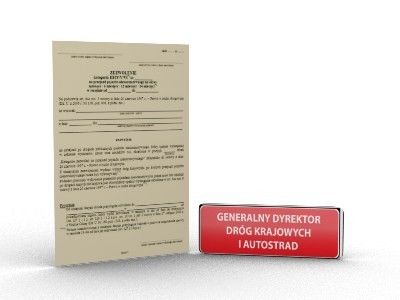
The permit to carry out activities of a motor transport operator may not be transferred to third parties, and the rights arising therefrom may not be transferred to a third party.
77
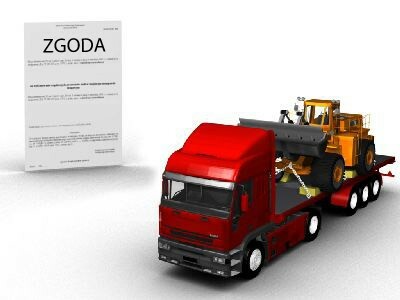
The authority that has issued the authorisation to carry out the activities of a road transport operator, the Community licence or the licence for the carriage of passengers by car or by a car intended for the carriage of more than 7 and not more than 9 persons, including the driver, shall transfer, by administrative decision, the rights arising therefrom in the event of a merger, division or transformation of an entrepreneur holding a licence to engage in the profession of carrier.
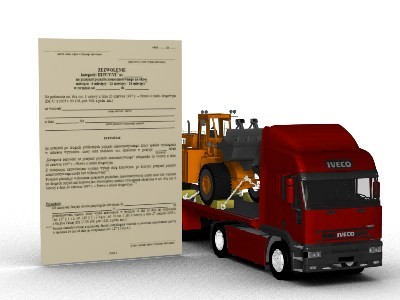
78
The validity period of a permit to operate as a motor transport operator expires in the event of:
surrender and in the event of liquidation or bankruptcy proceedings related to the liquidation of the assets of the entrepreneur to whom it was granted.

79
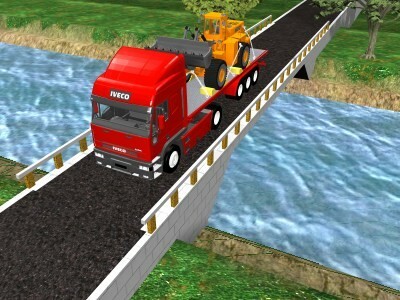
The permit for the operation of a motor transport operator shall also be invalidated in the event of a final court decision prohibiting the entrepreneur from engaging in economic activity in the field of motor transport, or a court decision prohibiting the operation of a motor transport operator.

80
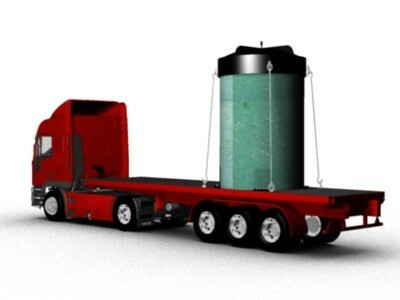
To carry out international road transport, an additional Community licence is required under the conditions set out in:
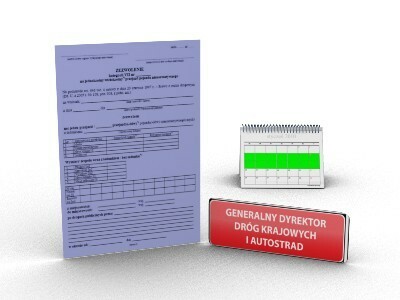
1) Regulation (EC) No 1072/2009 of the European Parliament and of the Council of 21 October 2009 on common rules for access to the international market in road haulage, or
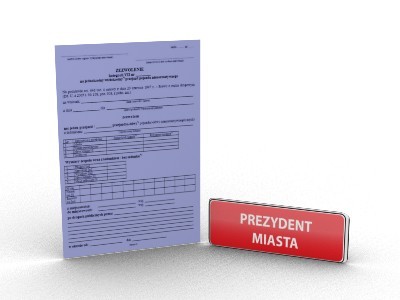
2) Regulation (EC) No 1073/2009 of the European Parliament and of the Council of 21 October 2009 on common rules for access to the international market in coach and bus transport, and amending Regulation (EC) No 561/2006.
81
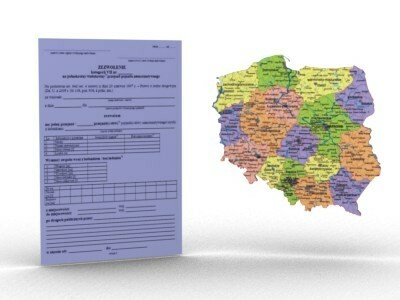
A Community licence is granted to an entrepreneur if he has permission to carry out activities as a motor transport operator.
82
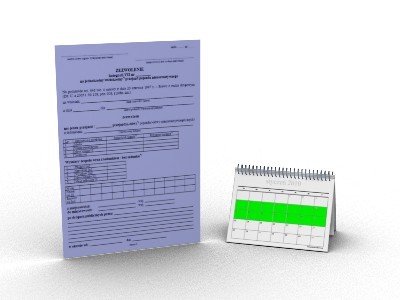
The application for a Community licence must be accompanied by:
1) a copy of the authorization to operate as a road transport operator;
2) a certificate issued by the authority that issued the authorization to operate as a road transport operator, indicating the number of vehicles for which the financial capacity requirement has been documented; and
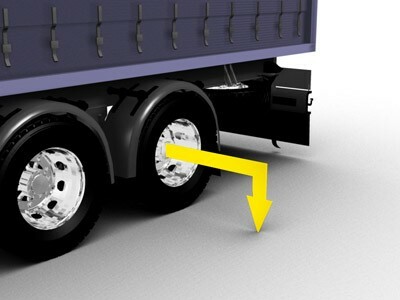
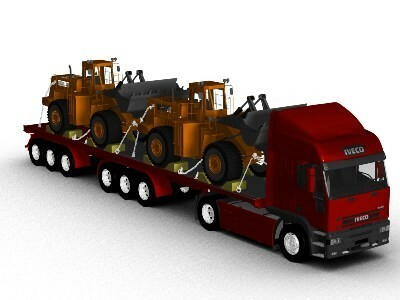
3) proof of payment of the Community licence fee and extracts from that licence.
83
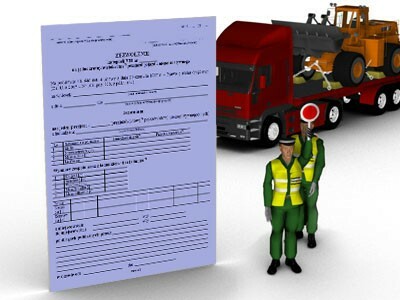
Since May 2010, EU regulations allow carriers with a Community licence to carry out cabotage transport of goods within the territory of the European Union.
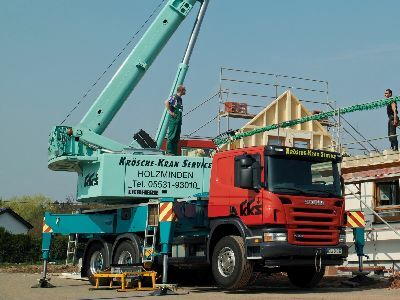
84
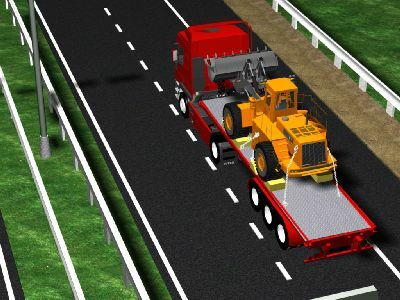
Following the delivery of goods in incoming international traffic, road carriers from Member States have the right to perform up to three cabotage operations arising from international transport using the same vehicle or, in the case of a combination of vehicles, a vehicle of that vehicle from another Member State or a third country to the receiving country.
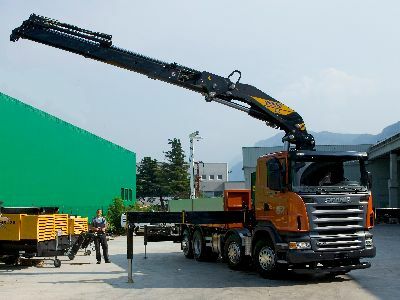
85
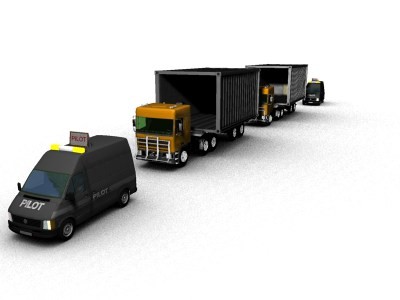
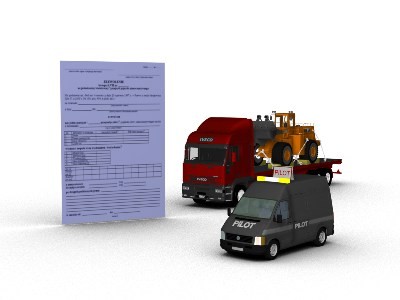
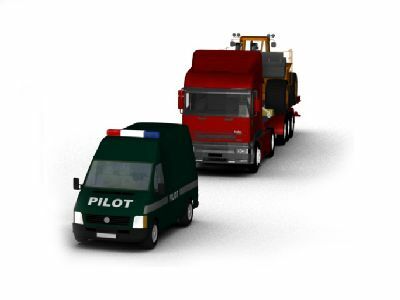
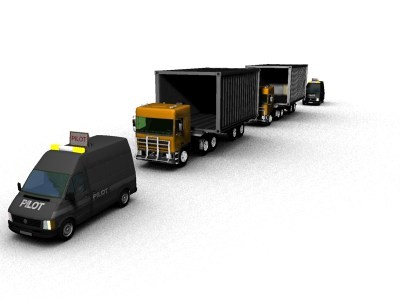
The last unloading of goods in a cabotage operation before dispatch from the receiving Member State must take place within seven days of the last unloading in the receiving Member State as part of the delivery of goods in incoming international traffic.
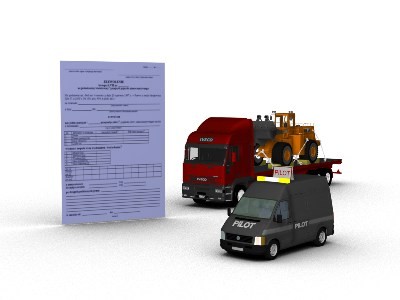
86
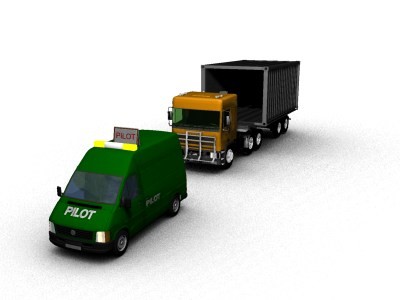
Within 7 days, the carrier may carry out some or all cabotage operations in any Member State, provided that they are limited to one cabotage operation per Member State within three days of empty entry into the territory of that Member State.
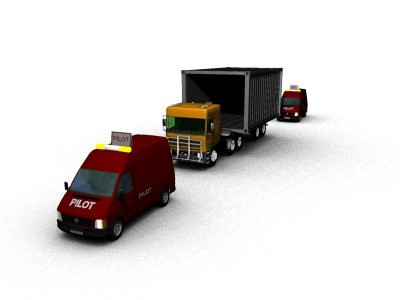
87
A carrier holding a Community licence may apply for a foreign authorisation to transport goods.
88
A foreign permit is a document obtained on the basis of an international agreement from the competent authority of another country or international organization by the competent authority of the Republic of Poland, handed over to a road carrier and authorizing the performance of international road transport once or more than once, to or from the territory of the country specified in the permit, or in transit through its territory.
89
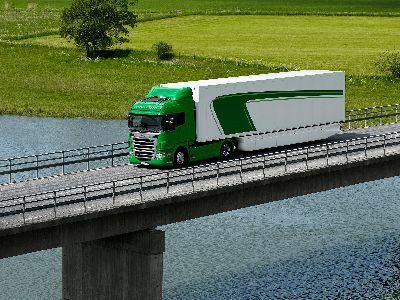
The ECMT permit is a document that allows an unlimited number of courses to be completed during the year between participating countries, the progress of which is documented in a duly issued pass.
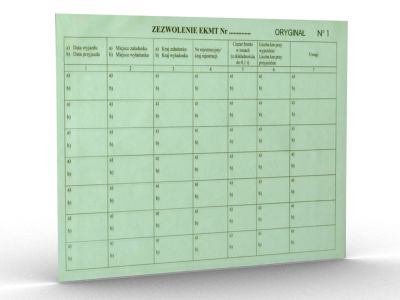
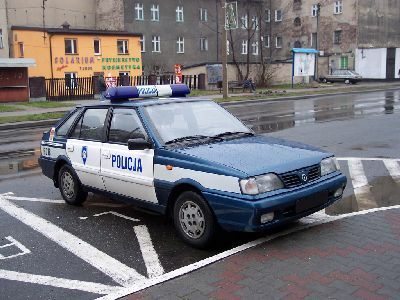
90
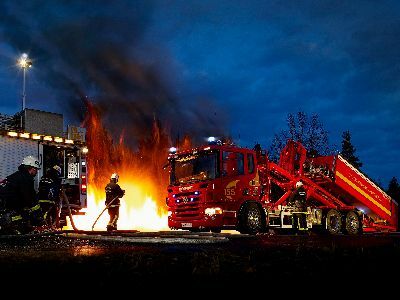
EKMT pass - the purpose of the pass is to record in chronological order information on transport operations carried out at each stage of the route with vehicles with cargo, as well as with vehicles without cargo.
91
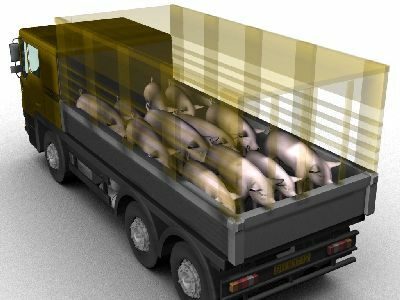
The distribution of foreign permits among road carriers is carried out by a public commission appointed by the Minister of Transport.

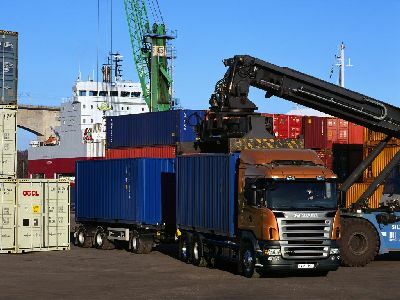
92
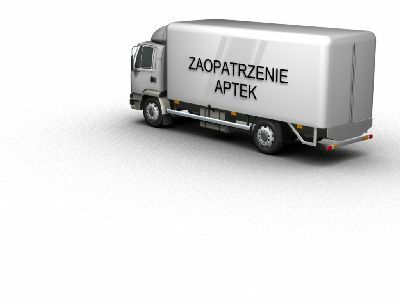
The committee reviews applications for additional limits and establishes rules for allocating additional limits at the end of each month. When determining the criteria for issuing permits, the social commission considers, among other things, the presence of a valid license or permit for private motor transportation, and the number of license extracts or driver's license extracts for personal use corresponding to the number of registered vehicles.
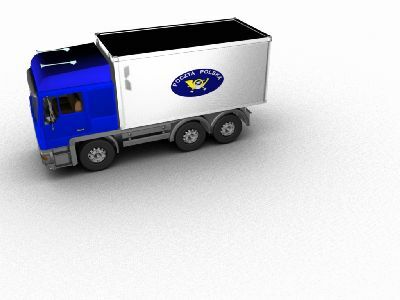
93
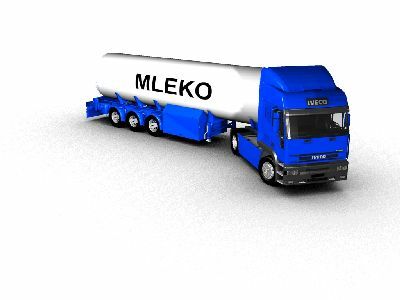
Applications for additional license limits are accepted until the 20th of each month or on the last working day before the 20th of each month.

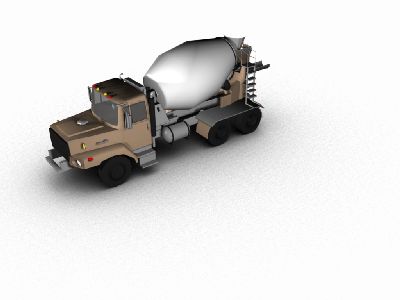
94
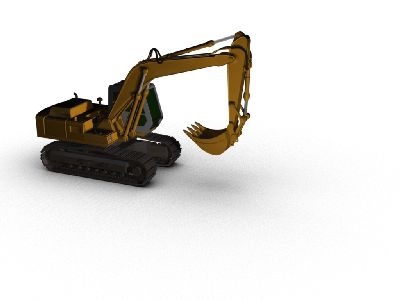
An entrepreneur may obtain a foreign permit for the transportation of goods if he has: a valid license or certificate for road transport for his own needs, valid extracts from the license or certificate for road transport for his own needs corresponding to the number of authorized vehicles.
95
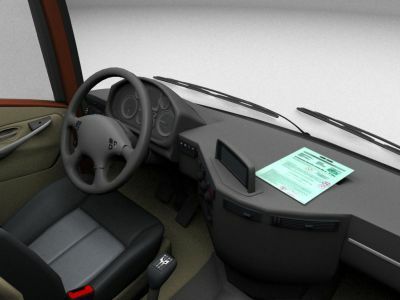
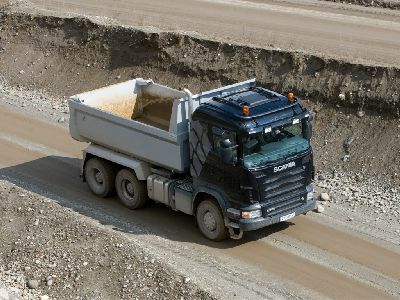
An ECMT permit may only be used by one vehicle at a time. A copy of the permit must be carried in the vehicle between loading and unloading points, whether laden or unladen.
96
The permit cannot be transferred by the enterprise to third parties.
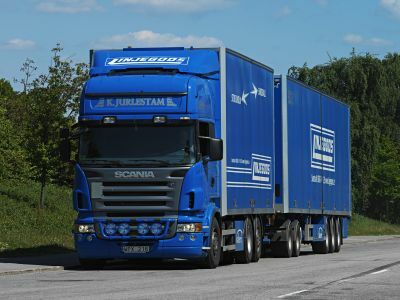
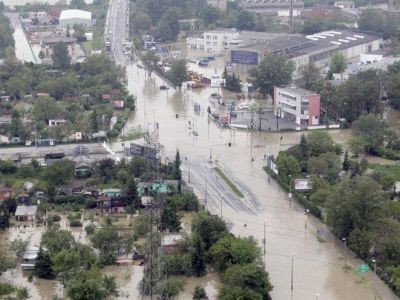
97
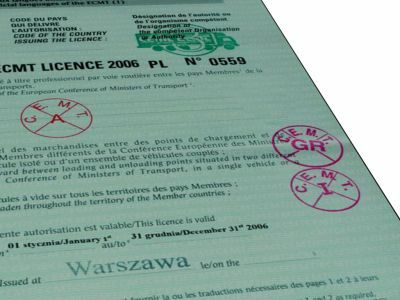
Some permits cannot be used in the territory of certain Member States, which is confirmed by the placement of a red stamp with the letter designation of the country on the permit.
98
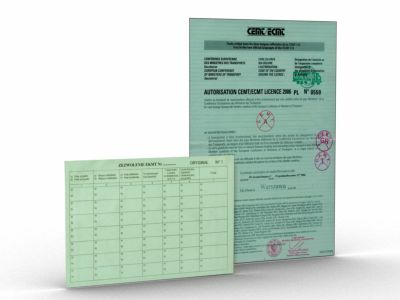
The EKMT permit is valid in conjunction with the pass and the corresponding certificate. The booklet must be issued in the name of the carrier and cannot be shared or exchanged with other carriers. It must be kept in the vehicle along with the corresponding EKMT permit and presented upon request to the competent regulatory authorities, who are also authorized to make entries on the coupon.
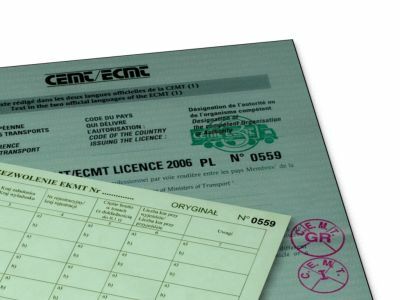
99
The booklet must have the same registration number as the corresponding permit. If necessary, a lower number for the subsequent booklet may also be issued. A new booklet may be issued after the initial booklet is filled.
100
The use of EKMT permits is subject to verification, with the first verification conducted after the first quarter. In the event of improper use, the permit may be revoked and transferred to another entrepreneur.

101
Bilateral and transit freight transport does not require a permit if it is carried out by vehicles with a carrying capacity of up to 3.5 t and a gross weight of up to 6 t (including a trailer or semi-trailer) in relation to the following countries: Belarus, Kazakhstan, Macedonia, Moldova and Russia.
102
Bilateral and transit freight transport does not require a permit if it is carried out by vehicles with a carrying capacity of no more than 3.5 t or a gross weight of up to 6 t (including a trailer or semi-trailer) in relation to the following countries: Croatia, Montenegro, Bosnia and Herzegovina, Kyrgyzstan, Serbia, Ukraine and Uzbekistan.
103
Sources for obtaining permits are:
- exchange between countries,
- allocation from the ECMT,
- allocation from the EU
104
CEMT/ECMT permits are a special type of permit. They are multiple-entry and multilateral permits issued to member states of the European Conference of Ministers of Transport.
105
The CEMT/EKMT licensing system promotes the use of safe and environmentally friendly vehicles.
106
Currently, permits are issued for the following environmental categories: EURO 1, EURO 2+S, EURO 3+S, EURO 4+S, EURO 5, EURO 6.
107
A certain group of permits can only be used for transport in vehicles classified as:
Euro 1 - "smelly truck" (Umwelt = Environment),
Euro 2 + S - "greener and safer truck" (Sur = Safe = Sicher),
Euro 3 + S - "Euro 3 and safe truck".
108
Types of cargo transportation permits:
- bilateral - authorizes transportation (one roundtrip and one return) between Poland and the country that issued the permit.
109
- Transit - grants the right to carry out transportation (one round trip and one return) within the territory of a given country. The permit does not grant the right to load and/or unload goods within the transit country, unless otherwise provided by bilateral regulations.
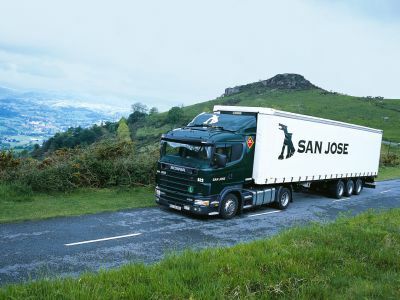
110
- general - gives the right to carry out either bilateral or transit transportation.
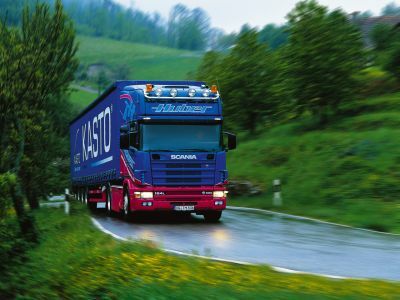
111
- кр 3 - gives the right to the final export or import of cargo from/to a country other than the country of registration of the vehicle.
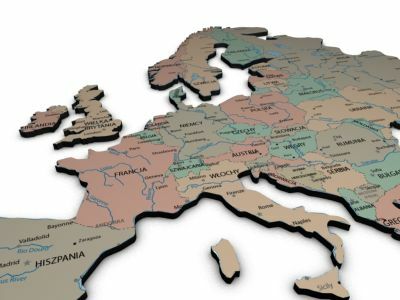
112
A foreign permit is not required for road transport of goods by vehicles registered in the Republic of Poland in the following cases:
- bilateral between Poland and individual EU countries,
- transit through EU countries,
- transit through Albania and Croatia,
- between EU countries,
- bilateral between Poland and non-EU countries, with vehicles with a gross vehicle weight of 3.5 tons and/or 6 tons.
113
Foreign permits for the implementation of transportation seem to be issued by the Chief Inspector of Motor Transport.
114
A carrier who undertakes to provide international road transport services using a pair of coupled vehicles may obtain a permit from the competent authorities of the country where the tractor is registered. This permit applies to the coupled vehicle pair even if the trailer or semi-trailer is not registered in the name or business name of the ECMT permit holder or is registered in another Member State.
115
Carrying out international combined transport does not require a foreign permit or a Polish permit for a foreign carrier if international agreements to which the Republic of Poland is bound provide for mutual exemption in this regard.

116
In the case of foreign permits, the use of which is dependent on the vehicle's compliance with the relevant safety requirements or road approval conditions, the relevant certificate confirming their fulfillment is issued by the Chief Inspector of Road Transport and the Regional Inspector of Road Transport.
117
The Minister of Transport has established the following certificate templates:
- a certificate confirming the compliance of a trailer or semi-trailer with relevant safety requirements,
118
- Certificate B, confirming that the vehicle complies with the relevant safety requirements for an environmentally friendly and safe vehicle,

119
- certificate B, confirming that the vehicle complies with the relevant safety requirements for a EURO 3 vehicle, which is safe,
120
- certificate B, confirming that the vehicle complies with the relevant safety requirements for a EURO 4 vehicle, which is safe,
121
- a certificate confirming that the vehicle meets the relevant conditions for road access.
122
The certificate is issued upon submission of the following documents:
- An environmental and safety certificate for a vehicle, EURO 3 or EURO 4 safety, issued by the manufacturer or importer, who is an authorized representative of the vehicle manufacturer, confirming that the vehicle complies with the relevant requirements regarding exhaust gas and smoke emissions, as well as external noise levels;
123
- a certificate issued by the manufacturer or an authorized representative of the vehicle manufacturer, or a photocopy of the certificates of approval of the equipment and parts of the vehicle, confirming that the vehicle is equipped with the appropriate systems and devices for which
124
- printout of the results of measuring the smoke coefficient of vehicle exhaust gases;

125
- a certificate of positive results of the technical inspection of the vehicle, carried out no earlier than 2 months before the date of submission of documents;
126
- a photocopy of the vehicle registration certificate;
127
- a written statement from the owner or user of a vehicle that the vehicle is equipped with an approved control device (tachograph).
128
The certificate is issued for a period of 12 months from the date of issue of the certificate.
129
Member States that join the Green Heavy Vehicles Scheme receive more licences than if they had not agreed to participate in the scheme.
130
EKMT permits are considered invalid if they do not contain the required information listed below:
- the name or business name and full address of the transport company,
- the signature and seal of the issuing authority,
- the start and end dates of the license,
- the license issue date.
131
ECMT licences are also considered invalid if they are not accompanied by 'green' or 'green and safe' heavy goods vehicle certificates in the case of transport with a licence issued for a 'green' or 'green and safe' heavy goods vehicle;
132
Approvals for "green" and "green and safe" heavy-duty vehicles are also considered invalid if it is discovered on site that the emission and safety requirements for these vehicles are not properly met or the vehicle does not comply with them.
133
If a license is used after its expiration date, is invalid, counterfeit, or was issued to another carrier, it must be immediately revoked and submitted to the appropriate authority in the country of incorporation. The same procedure applies to certificate forgeries.
134
In accordance with Article 4 (22) of the Road Transport Act, the term "obligations or conditions of road transport" is defined as obligations or conditions arising from the provisions of the Act and the listed regulations and laws, as well as international agreements binding on the Republic of Poland in the field of road transport.
135
Violation of the provisions of any of the above legal acts entails criminal liability in the amount specified in the appendices to the act.

136
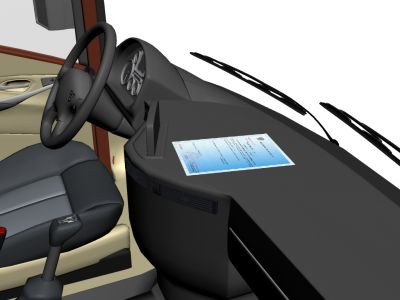
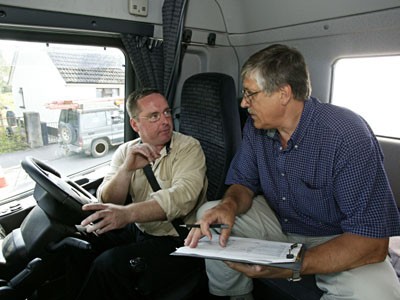
In accordance with Article 87 of the Law on Motor Transport, when carrying out motor transport, the driver of a motor vehicle is obliged to have with him and present, upon request of the authorized inspection body, the documents specified depending on the type of transport.
137
The documents required for the inspection include:
- a driver card, recordings from a recording device that automatically determines speed, driving and parking time, mandatory breaks and rest periods, as well as the certificate specified in Article 2.31 of the Law of 16 April 2004 on Drivers' Working Hours.
138
When transporting goods by road, the driver is required to present:
- an extract from the permit for operating a road transport operator,
- documents related to the goods being transported,
- a certificate required in accordance with the Agreement concerning the International Carriage of Perishable Foodstuffs and Special Vehicles Intended for Such Carriage (SPS), concluded in Geneva on September 1, 1970 (Journal of Laws of 1984, No. 49, Article 254),
139
- a permit to drive a vehicle, with or without cargo, with a mass, axle load, or dimensions exceeding the values specified in separate regulations;
- documents required for transporting animals;
- documents required for transporting waste;
140
In addition, the driver is required to present the following during inspection:
- a certificate confirming the vehicle's compliance with relevant safety requirements or roadworthiness conditions, if required;
- documents related to the cross-border movement of genetically modified organisms;
141
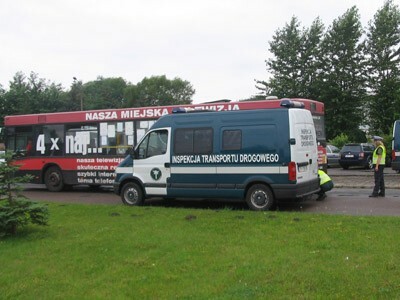
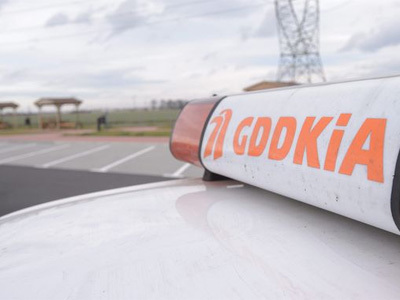
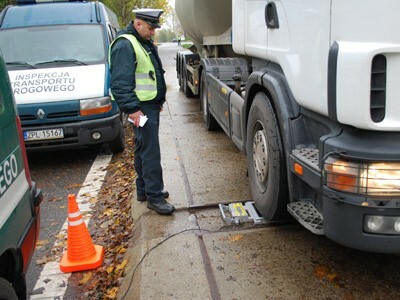
The following persons have the right to control the said documents and the conditions specified therein:
1) police officers;
2) inspectors of the Road Transport Inspectorate;
3) customs officials;
4) Border Service officers.
142
5) authorized employees of public road authorities - with the exception of licenses and permits for regular passenger transportation;
6) inspectors of the National Labor Inspectorate - in relation to records of automatic speed recording devices and the time of movement and parking;
143
7) authorized employees of the competent authority for issuing permits for regular and special regular transportation in relation to these services,
8) municipal security - in relation to public transport within the limits established by the Law of 16 December 2010 on public collective transport.
144
Authorized employees managing public roads, the National Labor Inspectorate, and the Authority Competent to Issue Permits for Regular and Special Regular Transport Services are not authorized to automatically monitor recording equipment, speed, driving and standing times, mandatory breaks and rest periods, or the certificate specified in Article 2.31 of the Act of 16 April 2004 on Drivers' Working Hours.

145
Roadside checks are conducted at the appropriate location and time to make it difficult for drivers to bypass checkpoints, and without discrimination based on:
1) vehicle registration country;
2) driver's country of residence;
3) business location;
4) start and end points of the trip;
5) tachograph type: analog or digital.
146
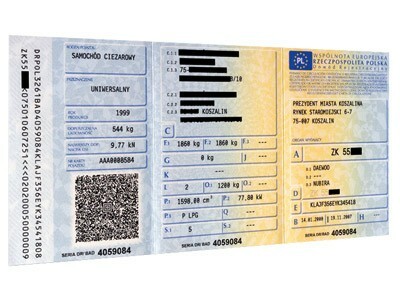
In addition to the above documents, during the inspection, the driver is required to present documents authorizing him to carry out road transport using a specific vehicle.
147
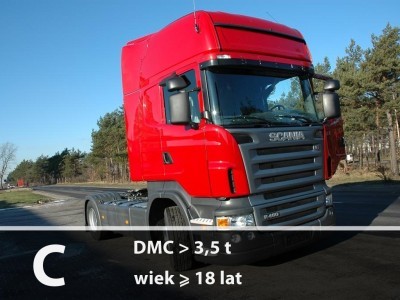
In accordance with the provisions of the Road Transport Act, a person may engage in the profession of a driver if:
- he/she has reached the appropriate age:
a) 18 years of age - for a driver operating a motor vehicle for which a driving licence of the following categories is required:
- C or C+E, provided that he/she has obtained the appropriate initial qualification,
- C1 or C1+E, provided that he/she has obtained the appropriate accelerated initial qualification,
148
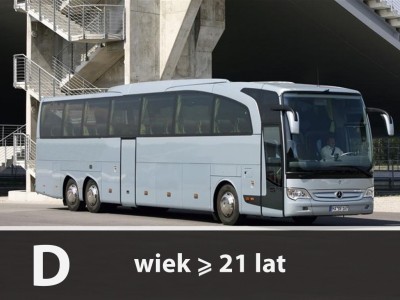
b) 21 years of age - for a driver operating a motor vehicle for which a driving licence of the following categories is required:
- C or C + E, provided that he has obtained the relevant accelerated initial qualification,
- D or D + E, provided that he has obtained the relevant initial qualification,
- D1 or D1 + E, provided that the transport is carried out on regular lines whose route does not exceed 50 km, and provided that the driver has obtained the relevant accelerated initial qualification,
149
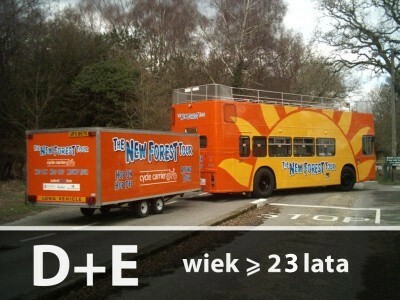
c) 23 years of age - in the case of a driver operating a motor vehicle for which a category D or D+E driving licence is required, provided that he has obtained the relevant initial accelerated qualification;
150
In addition, an entrepreneur or other person engaged in road transport may hire a driver if that person:
- has the appropriate permit to drive a vehicle, as specified in the Law of 5 January 2011 on Drivers of Vehicles;
151
- there are no health contraindications for working as a driver;

152
- there are no psychological contraindications to working as a driver;

153
- the person has received an initial qualification or an accelerated initial qualification,

154
- the person has undergone periodic training.

155
The above requirements for age, qualifications, and periodic training do not apply to drivers of vehicles:
1) for which a category A1, A, B1, B, or B+E driver's license is required;
156
2) the design of which limits the speed to 45 km/h;
157
3) used by the armed forces;
158
4) civil defense units, fire protection units or units ensuring public safety or order;
159
5) a vehicle that has undergone road testing for technical development by manufacturers, research units or universities;
160
6) travel without people or cargo:
a) for repair or maintenance,
b) from the place of purchase or receipt;
161
7) used in emergency situations or intended for emergency rescue operations;
162
8) is used for:
a) driving lessons for applicants,
b) training for persons holding driver's licenses,
c) conducting state examinations of persons applying for a driver's license;
163
9) used for personal purposes during automobile transportation of passengers or goods;
164
10) used for the transportation of materials or equipment necessary for the driver to work, if driving a vehicle is not his main occupation.
165
In addition to the requirement for proper training, drivers employed in motor transport are subject to medical and psychological examination, conducted in order to determine the presence or absence of contraindications for work as a driver due to health and psychological state.

166
Both medical and psychological examinations are conducted:
1) every 5 years until the driver reaches 60 years of age,
2) every 30 months after the driver reaches 60 years of age.

167
The above mentioned requirements in the field of testing and training shall apply mutatis mutandis to an entrepreneur or other person personally carrying out road transport.
168
In terms of drivers' compliance with the above obligations, the entrepreneur or other person engaged in road transport is obligated to:
- refer drivers for:
a) periodic training,
b) medical and psychological examinations;

169
- coverage of expenses for medical and psychological examinations;

170
- keeping copies of the following documents throughout the driver's employment:
a) professional qualification certificates,
b) medical and psychological certificates;
171
- maintaining records of medical and psychological examinations;

172
- provision of the driver with copies of judges’ certificates and certificates of professional qualifications upon termination of employment.

173
In accordance with the provisions of the Law, an entrepreneur or other person engaged in road transport may cover the costs of periodic training for the driver, but this is not his responsibility.

174
In addition to the above requirements, users of public roads are required to pay a toll for travel on national roads for motor vehicles with a gross vehicle weight exceeding 3.5 tonnes, which includes a combination of vehicles consisting of a car and a trailer or semi-trailer with a maximum permitted weight exceeding 3.5 tonnes, including buses, regardless of their gross vehicle weight.
175
Only the following vehicles listed in the Act are exempt from the fees mentioned above:
1) the Armed Forces of the Republic of Poland, as well as the armed forces of foreign states, if so provided for by an international treaty to which the Republic of Poland is a party;
2) emergency rescue services, the Border Guard, the State Protection Bureau, the Penitentiary Service, the Road Transport Inspectorate, the Customs Service, and the Police, as well as;
3) road managers of national importance, used for the maintenance of these roads.
176
Electronic toll collection is carried out for travel on roads of national importance or their sections specified in the regulations.
177
The electronic road toll is defined as the product of the number of kilometers traveled and the rate of this toll per kilometer for a given category of vehicles.
178
The following vehicle categories are used to determine the electronic road toll rate:
- Category 1 - vehicles with a maximum permissible weight of over 3.5 tons and less than 12 tons;
- Category 2 - vehicles with a maximum permissible weight of at least 12 tons;
- Category 3 - buses.
179
In accordance with the content of the amended law, which came into force on January 2, 2015, the driver is no longer liable for violating the obligation to pay the electronic fee.

180
A fine of 500 zlotys - in the case of a combination of vehicles with a permitted total mass of over 3.5 tonnes, consisting of a passenger car with a permitted total mass of no more than 3.5 tonnes and a trailer, and 1,500 zlotys - in other cases - on the owner of the vehicle, and if the vehicle is a combination of vehicles, then on the owner of the vehicle coupled to the trailer or semi-trailer.
181
If the owner is not the owner of the vehicle, fines for failure to pay the electronic fee are imposed on the person to whom the ownership of the vehicle has been transferred.
182
The driver of a vehicle will now only be liable for failure to comply with the obligation to enter the correct vehicle category data into viaBOX, if this results in an underpayment of the toll amount.
183
In such a situation, the fine is 250 zlotys in the case of a combination of vehicles with a permitted total mass of over 3.5 tonnes, consisting of a passenger car with a permitted total mass of no more than 3.5 tonnes and a trailer, and 750 zlotys in other cases.

184
In addition to the above, the driver of a vehicle is liable to a fine for the violations specified in Appendix 1 of the Law.

185
Each violation was assigned a unique serial number and a fixed penalty. Furthermore, as of September 3, certain violations were assigned a group number and severity rating, which is important when assessing a carrier's reputation. According to the above, drivers are held liable for, among other things, failure to submit required documents, lack of training, and violation of driver working hours. The fine ranges from 50 to 2,000 zlotys per violation.
186
In order to be able to carry out commercial cargo transportation, vehicles must meet certain requirements and comply with vehicle specifications.
187
According to the Road Traffic Act, a vehicle participating in road traffic must be designed, equipped, and maintained in such a way that it can be used:
- without endangering the safety of its occupants or other road users, without violating traffic regulations, and without causing harm to anyone;
188
- did not disturb public peace by causing noise exceeding the level established by individual regulations;
189
- do not emit harmful substances in quantities exceeding the levels specified in specific provisions;
190
- did not damage the road;
191
- ensure sufficient visibility for the driver and easy, convenient and safe use of steering, braking, signal and road lighting devices when monitoring the road;
192
- do not create radio interference in an amount exceeding the levels specified in the detailed provisions.
193
The following vehicles are exempt from the requirement to equip the vehicle with an approved speed limiter:
- special vehicles or vehicles used for special purposes by the police, the Internal Security Agency, the Foreign Intelligence Agency, the Military Counterintelligence Service, the Military Intelligence Service, the Central Anti-Corruption Bureau, border guards, the prison service, the Armed Forces of the Republic of Poland, and fire departments;
194
A truck with a maximum permissible mass exceeding 3.5 t and a road tractor for which a permitted total mass of the road train exceeding 3.5 t is indicated must be equipped with an approved speed limiter installed by the manufacturer or a body authorized by it, limiting the maximum speed of the truck and light-duty tractor to 90 km/h.
195
- vintage cars;
196
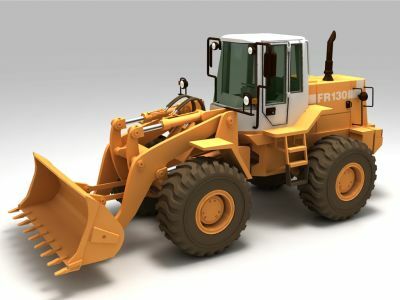
- non-developing vehicles, for design reasons, at speeds exceeding 90 km/h;
197
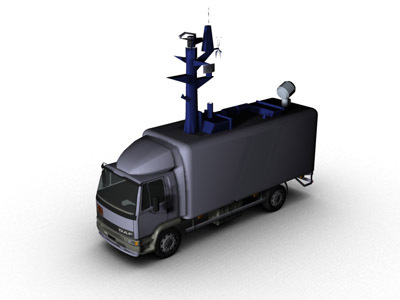
- vehicles used for scientific research on the road;
198
- vehicles intended exclusively for public works within the city limits.

199
It is prohibited to:
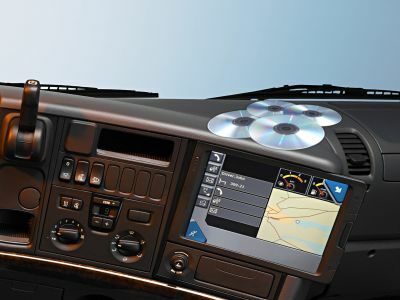
- place protruding, pointed, or sharp parts or objects inside or outside a vehicle that could cause injury to passengers or other road users (e.g., compact discs placed on the windshield of a vehicle);
200
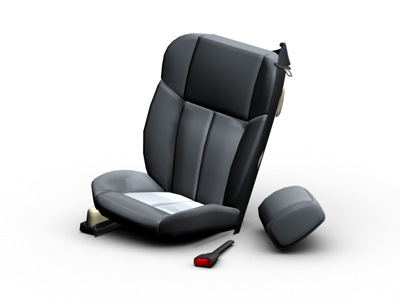
- the use in a vehicle of equipment and parts removed from vehicles, the reuse of which threatens road safety or has a negative impact on the environment (for example, seat belts from a wrecked vehicle - if it was torn, then the seat belts
201
- use in a vehicle of equipment and parts that do not comply with the conditions specified in specific provisions;
202
- place in or on a vehicle devices that are mandatory equipment for an ambulance, emitting light signals in the form of blue or red flashing lights or an audible signal with a variable pitch;
203
- equipping a vehicle with a device that provides information on the operation of control and measuring equipment used by traffic control authorities, or a malfunction of its operation, or carrying such a device on a vehicle in a condition indicating its readiness for operation
204
- replacement of the vehicle chassis with identification marks (No., VIN, etc.).
205
It is also prohibited to make design changes that alter the type of vehicle, with the exception of:
- a vehicle for which a certificate of approval or a decision to exempt the vehicle from approval has been issued;
- a vehicle whose design has been modified by an entrepreneur conducting business in this field.
206
The document confirming permission to operate a car, agricultural tractor, moped or trailer is a registration certificate or temporary permit.
207
A motor vehicle is permitted to be driven if it meets the conditions established by the Road Traffic Law, is registered and is provided with legal registration plates and a control sticker.
208
The technical conditions of vehicles and the scope of their necessary equipment are specified in the Regulation of the Minister of Infrastructure of 31 December 2002 on the technical condition of vehicles and the scope of their necessary equipment (i.e., the Legislative Journal of 2016, item as amended).
209
The Regulation on the Technical Condition of Vehicles stipulates that the length of a combination of two vehicles (a car and a trailer) may not exceed 18.75 meters, and a combination of three vehicles, in which the tractor is a slow-moving or agricultural tractor, may not exceed 22 meters, with the exception of a set of vehicles consisting of:
1) a road train (a car with a semitrailer), the length of which may not exceed 16.5 meters;
2) a motorcycle, moped, bicycle, four-wheeled vehicle, and a set consisting of a motorcycle, moped, bicycle, or four-wheeled vehicle with a trailer, which may not exceed 4.00 meters.
210
A vehicle or combination of vehicles whose axle load, laden or unladen, exceeds the permissible loads provided for a given road in the provisions on public roads, or whose dimensions or actual total weight, laden or unladen, exceed the permissible values provided for in the provisions, is an oversized vehicle.
211
Exceeding the standards may apply.
- Dimensions of the road train after loading, i.e., permissible width, permissible length, permissible height.
- Permissible mass of the complete vehicle after loading, i.e., permissible total mass, permissible axle loads.
212
In most EU countries, the following parameters are accepted as standard:
- Length of road vehicle with semitrailer: 16.5 m
- Length of road vehicle with trailer: 18.5 m
- Vehicle width: 2.5 m
- Gross vehicle weight: up to 42 tons
213
The movement of oversized vehicles is permitted provided that:
1) a permit for the passage of an oversized vehicle of the appropriate category has been obtained, issued by an administrative decision of the competent authority, and in the case of an oversized vehicle belonging to the Polish Armed Forces, a military permit for crossing roads has been obtained and issued by the competent military authority;
214
2) compliance with the travel conditions specified in the permit;

215
3) pilot accompaniment of a non-standard vehicle if the vehicle exceeds at least one of the following dimensions:
a) length - 23 m,
b) width - 3.2 m,
c) height - 4.5 m,
d) actual gross weight - 60 t;
216
4) exercise extreme caution when driving a non-standard vehicle.
217
It is prohibited to transport cargo other than solid cargo by oversized vehicles, with the exception of oversized vehicles permitted to travel on the basis of Category I or II permits.
218
An indivisible load is a load that cannot be divided into two or more smaller loads without incurring disproportionate costs or risk of damage.
219
There are 7 types of permits:
220
Category I Permit
It is issued to ensure access to and from the location specified in the permit and grants the right to travel on the road specified in the permit.
221
A Category I permit is issued for driving on municipal, district and voivodeship roads specified in the permit for a non-standard vehicle with dimensions and an actual gross weight no more than the permitted ones and with axle loads not exceeding the values provided for roads with a permissible load on one axle of up to 11.5 tons.
222
A permit is issued upon application by the interested party, upon payment of a fee, within 7 business days from the date of filing the application for its issuance,
for the period specified in the application: one month, 6 months, or 12 months.

223
Category I permits are issued by the road administrator competent for the road on which traffic is to be carried out, in quantities corresponding to the number of vehicles indicated in the application.
224
The essence of the Category I permit is that the permit and extracts from it do not include the registration number of the vehicle, that it applies to an unlimited number of trips and that the transported cargo can be divided.
225
The fine for not having a Category I permit is PLN 1,500.00.

226
Category II Permit.
This permit is issued for the passage of a non-standard slow-moving vehicle, an agricultural tractor, or a combination of vehicles consisting of a slow-moving vehicle or agricultural tractor and a special trailer.
227
A Category II permit is issued for travel on public roads, except for high-speed roads, of a non-standard vehicle:
- no more than the permitted length, height, and actual gross vehicle weight;
- with axle loads no higher than those permitted for the road;
- no more than 3.5 m in width.

228
A Category II permit is issued by the headman at the applicant’s location or the starting point of the trip, upon payment of a fee, within 3 working days from the date of filing an application for its issuance.
229
The permit is issued for a period of 12 months and specifies:
1) the person making the trip;
2) the vehicle used for the trip, including its registration number.
230
Category II permits also cover an unlimited number of trips, the carriage of divisible cargo, and such trips do not require piloting.

231
The fine for not having a Category II permit is PLN 1,500.00.

232
Category III-VI permits.
Permits for the above categories are issued upon application by the interested party for the travel of a non-standard vehicle for the period specified in the application: one month, six months, 12 months, or 24 months.
233
If an existing recording sheet is damaged, use a new, undamaged one and, after saving it, attach it to the damaged one.
These two recording sheets will serve as documentation confirming the driver's activity during their work cycle.Category III-VII permits are issued after payment of a fee, within three business days of the application date. The issued permit does not specify the vehicle used for travel. These permits are issued only for the transportation of indivisible cargo, for an unlimited number of trips.
234
Category III permits are issued by the starost and the head of customs upon entry into the territory of the Republic of Poland, depending on the location of the applicant or the place of commencement of the journey.
235
A Category III permit is issued for the use of a non-standard vehicle on public roads:
a) with axle loads and an actual gross vehicle weight not exceeding the permissible limits,
b) a width not exceeding 3.2 m,
(c) a length not exceeding:
- 15 m for a single vehicle,
- 23 m for a road train,
d) a height not exceeding 4.3 m.
236
The fine for not having a Category III permit is PLN 5,000.00.

237
Category IV permits are issued by:
- The Director General of National Roads and Highways,
- The head of the customs office at the entrance to the territory of the Republic of Poland.
238
A Category IV permit authorizes the use of a non-standard vehicle:
a) with an actual gross vehicle weight no greater than the permitted maximum,
b) with a width no greater than 3.4 m,
(c) with a length no greater than:
- 15 m for a single vehicle,
- 23 m for a road train,
- 30 m for a combination of vehicles with steered axles,
d) with a height no greater than 4.3 m,
d) with axle loads no greater than those permitted for roads with a permissible axle load of up to 11.5 t; on country roads.
239
A Category IV permit also entitles you to use the vehicles and roads specified for a Category III permit.
240
The fine for not having a Category IV permit is PLN 5,000.00.
241
Category V and VI permits are issued by the Director General of National Roads and Highways.
242
A person holding a Category V or VI permit who plans to cross a bridge or viaduct on roads other than national roads with a vehicle whose actual total mass exceeds the permissible limit is required to notify the road authority competent for the bridge or viaduct in writing of the date and route of the planned crossing within 7 working days prior to the planned crossing date (ATTENTION! The 7th day of the period is the last date on which the authority must receive the notification).
243
The road manager confirms receipt of the notice no later than 3 days before the date of travel and may clarify the conditions of travel or file a justified objection if the technical condition of the bridge or viaduct, determined on the basis of the Construction Act, makes it impossible to travel by an abnormal vehicle.
244
A Category V permit is issued for the use of a non-standard vehicle on public roads:
a) with axle loads no higher than those permitted for the road,
b) a width no greater than 3.4 m,
(c) a length no greater than:
- 15 m for a single vehicle,
- 23 m for a road train,
- 30 m for a combination of vehicles with steered axles,
d) a height no greater than 4.3 m,
d) an actual gross weight of no more than 60 t.
245
A Category VI permit is issued for travel on national roads specified by the issuing authority in the list attached to the oversized vehicle permit:
a) width no more than:
- 3.4 m for a single carriageway,
- 4 m for a two-way carriageway of classes A, S, and GP,
b) length no more than:
- 15 m for a single vehicle,
- 23 m for a road train,
- 30 m for a combination of vehicles with steered axles,
c) height no more than 4.3 m,
d) actual gross weight no more than 60 t,
d) with axle loads not exceeding the values provided for roads with a permissible axle load of up to 11.5 t.
246
A Category VI permit entitles you to use vehicles and roads specified for a Category V permit.
247
The fine for not having a category V and VI permit is PLN 5,000.00.

248
Additional fines are imposed for:
- driving an oversized vehicle across a bridge or viaduct without prior notification to the road administrator – PLN 5,000.00
- driving an oversized vehicle across a bridge or viaduct contrary to the conditions specified by the administrator – PLN 3,000.00
- driving an oversized vehicle across a bridge or viaduct despite the objection of the road administrator – PLN 6,000.00
249
Category VII permit.
This category permit is apparently intended for a single or multiple entry of a non-standard vehicle on public roads for a specified period of time along the route specified in the permit.
This permit is issued for a vehicle whose dimensions, weight, or axle load make it impossible to operate under Category I-VI permits.
250
A Category VII permit may be issued provided that:
1) the load is indivisible;
2) the consent of the administrator of the road corresponding to the route has been obtained for passage;
3) a route can be designated that ensures the safety and efficiency of road traffic, in particular:
a) the traffic volume ensures the safe passage of the abnormal vehicle;
b) the technical condition of buildings located along the route in question, determined based on the provisions of the Construction Law, permits passage;
c) passage does not pose a threat to the technical condition of construction sites located in the immediate vicinity of the route.
251
A Category VII permit, upon application by the interested party, after consultation with other road managers and payment of a fee, is issued by the Director General of National Roads and Highways within 14 working days from the date of application.
252
If the route of an off-road vehicle passes within the administrative boundaries of a city with county rights and does not pass through a highway or expressway, the permit in such a situation is issued by the mayor of the city.
253
The period for issuing the above-mentioned permit may be extended to 30 days if the passage of an unauthorized vehicle requires determining the extent of adaptation of the road infrastructure located along the route; any costs associated with adapting road sections to the passage of an unauthorized vehicle shall be borne by the entity making the trip.

254
A Category VII permit is issued for travel along the established route specified in the permit for the travel of a non-standard vehicle:
a) with dimensions and an actual gross weight greater than those specified in categories I-VI,
b) with axle loads exceeding the values stipulated for roads with a permissible axle load of up to 11.5 tons.
255
A Category VII permit is issued to the person making the trip and specifies:
1) the permit's validity period;
2) the route;
3) the number of trips;
4) the vehicle used for the trip;
5) travel conditions, including the extent of adaptation of the road infrastructure along the route;
6) the piloting method, if required.
256
The permit is valid for:
1) 14 days for a single-entry ticket,
2) 30 days for a multiple-entry ticket
- this period begins on the date specified in the permit application.
257
The legislator provides for the following penalties for failure to admit Category VII or for failure to comply with its conditions:
500.00 PLN - when the load on one or more axles, the actual total weight or dimensions of the vehicle exceed the permitted values by no more than 10%,

258
PLN 2,000.00 - when the load on one or more axles, the actual total weight or dimensions of the vehicle exceed the permitted values by more than 10% and no more than 20%,
259
PLN 15,000.00 - in other cases (e.g. passage of a road train consisting of a larger number of vehicles than specified in the provisions of the Act, passage of a road train with an actual total mass exceeding 60 tonnes or axle loads exceeding the permissible values specified for "11.5-tonne roads" and the length, width or height of which exceeds the permissible values by more than 20%).
260
In addition, the fine for failure to comply with the travel conditions specified for the Category VII permit or specified in this document is PLN 2,000.00.
261
To ensure a safe and efficient journey, careful preparation is essential. Preparatory activities include: identifying cargo parameters, selecting the appropriate mode of transport based on the cargo, choosing the shortest route, obtaining permits, planning the method and means of securing the cargo, inspecting loading and unloading areas, inspecting the technical condition of road structures, developing a route plan, and determining the scope of cooperation with other companies.

262
Loading: preparation and replacement of the vehicle, preparation of loading equipment, correct loading, securing of cargo.
263
Transport carried out in accordance with the permit: with speed limits, designated parking areas, time of day (day or night), hourly schedule and escort rules
264
Delivery of cargo to the location and its unloading: bringing the vehicle to the specified location, removing fastenings and barriers, unloading.
265
When transporting oversized vehicles, piloting is required in certain situations.
266
Detailed conditions and methods for piloting non-standard vehicles, as well as the equipment and marking of vehicles used for piloting, are specified in the Resolution of the Minister of Transport, Construction and Maritime Economy dated May 23, 2012 on piloting oversized vehicles.
267
An oversized vehicle exceeding at least one of the following dimensions:
1) vehicle length - 23.00 m,
2) width - 3.20 m,
3) height - 4.50 m,
4) total weight - 60 tons
- must be controlled by a single pilot.
268
An oversized vehicle exceeding at least one of the following dimensions:
1) vehicle length - 30.00 m,
2) width - 3.60 m,
3) height - 4.70 m,
4) gross vehicle weight - 80 tons
requires piloting with two pilots, one in front of the vehicle and one behind it.
269
In addition to the above rules and requirements in the field of motor transport activities, it should be remembered that such transportation is also subject to certain restrictions.
270
The Decree of the Minister of Transport of July 31, 2007 defines periodic restrictions and prohibitions on the movement of vehicles and road trains with a maximum permissible weight of over 12 tons, with the exception of buses.
271
The traffic ban for these vehicles is in effect nationwide on the following dates:
1) from 8:00 a.m. to 10:00 p.m. on holidays:
a) January 1 - New Year's Day,
b) Easter Sunday,
c) Easter Sunday,
d) May 1 - National Day,
d) May 3 - May Day,
e) Pentecost,
g) Corpus Christi Day,
h) August 15 - Assumption of the Blessed Virgin Mary,
i) November 1 - All Saints' Day,
j) November 11 - National Independence Day,
k) December 25 - Christmas Day,
l) December 26 - Christmas Day;
272
In accordance with the resolution, the bans also apply from 6:00 PM to 10:00 PM on the days preceding the dates indicated above by letters b-j.

273
In addition, restrictions apply
from the last Friday of June through the last Sunday before the start of educational and training activities in schools:
a) from 6:00 PM to 10:00 PM on Friday,
b) from 8:00 AM to 2:00 PM on Saturday,
c) from 8:00 AM to 10:00 PM on Sunday.
274
These provisions do not apply to: police cars, road traffic inspection, border guard, customs service, armed forces of the Republic of Poland, state security bureau, emergency rescue units, fire brigade units, chemical protection units and radiological protection and pollution protection units;
275
In addition, the ban does not apply to vehicles involved in:
a) rescue operations,
b) humanitarian operations,
276
b) disaster relief;
c) troubleshooting;

277
The ban also does not apply to used vehicles:
a) used in road and bridge construction and maintenance,
b) used for transporting live animals,
278
c) for the purchase of milk, grain, or animals,
d) for the direct supply of seagoing vessels with fuel, petroleum products, lubricating oil, spare parts, and drinking water,
279
d) for the transportation of transmitting equipment of radio and television stations,
e) for the transportation of equipment for holding mass events, in connection with the organization of these events,
(g) for the transportation of a press, which accounts for a significant portion of the cargo or a significant portion of the available cargo space,
h) for the transportation of medicines and medical supplies,
280
i) for the carriage of parcels within the framework of postal activities, which constitute a significant part of the cargo or a significant part of the available cargo space,
j) in connection with the necessary maintenance of the continuity of the production cycle or the provision of services of a company operating in a continuous mode,
l) for the carriage of dangerous goods in quantities for which the vehicle must be marked with orange warning signs,
281
l) for the carriage of the following perishable and food products specified in the Appendix to the Rules, which constitute a significant part of the cargo or a significant part of the available cargo space,
282
m) for transporting concrete and pumps for compacting it,
n) for transporting household waste or liquid waste,
p) for transporting cargo unloaded from wagons at a railway station, within a 50 km radius of that station,
r) in combined transport.
283
The traffic restrictions also do not apply to:
- slow-moving vehicles used for agricultural work and agricultural tractors;
284
- vehicles returning from abroad to perform road transport or to the recipient of the transported cargo, based in the territory of the Republic of Poland;
285
- vehicles that entered the territory of the Republic of Poland outside the time or hours of prohibition, within 50 km from the border crossing point and waiting at the border to leave the territory of the Republic of Poland.
286
Perishable goods and food products include:
1. Meat and edible offal.
2. Fish and crustaceans, mollusks, and aquatic invertebrates.
3. Dairy products, in particular: yogurt, kefir, cream, drinking milk, cottage cheese, ripening cheese, butter, and ice cream.
4. Eggs and egg masses.
5. Cut flowers and potted flowers.
6. Fresh and frozen vegetables and mushrooms.
7. Fresh and frozen fruits.
8. Grains and agricultural raw materials for the production of edible, feed, and vegetable fats.

287
9. Products of the milling industry, in particular: flour, groats, semolina, and cereals.
10. Fats and oils of animal or vegetable origin.
11. Prepared foods, in particular meat, poultry, fish, vegetables, and fruits.
12. Sugars and confectionery.
13. Preparations made from cereals, flour, starch, or dry milk, and baked goods.
14. Soft drinks.
15. Residues and waste from the food industry, prepared compound feed.
16. Sugar beets.
17. Potatoes.
18. Compressed baker's yeast in the form of milk yeast.
19. Mushroom growing medium.

288
In addition to the above-mentioned restrictions, the Transport Law Act further provides that the obligation to transport may be restricted by the minister responsible for transport, and in the case of voivodeship, district, or commune regular passenger transport, respectively, by the voivode, head of the commune, or mayor (city president) – due to the needs of national defense or security, or in the event of a natural disaster.
289
In addition, the following items are excluded from carriage:
1) the carriage of which is prohibited under specific regulations;
2) which, due to their size, weight, or other properties, or due to the carrier's equipment or road conditions of the given mode of transport:
a) are not suitable for carriage by vehicles;
b) would result in a violation of provisions governing road transport conditions, provisions governing the working conditions of drivers, traffic regulations, or regulations concerning public roads.
Time to test your knowladge!
The Module 5 test consists of 36 questions. Up to 3 incorrect answers are allowed to pass.