
Module 3
1
Module 3 - Safety, Service and Logistics from a Health, Traffic and Environmental Perspective
2
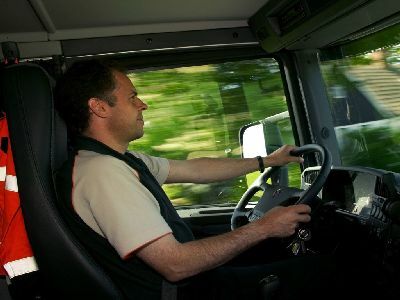
Being a professional driver is challenging, and there are many factors that can impact the effectiveness and safety of the profession. Unusual or even dangerous situations often arise, requiring drivers to use common sense and know what to do.
3
The specific nature of a driver's job exposes them to the risk of industrial accidents and occupational diseases. Such accidents are sudden, external causes of injury or death related to work. An injury is defined as damage to body tissue or organs caused by an external factor.
4
To be considered an accident at work, the accident must occur in connection with work during the employee's normal activity or at the direction of his superiors or in connection with the employee's performance of activities for the employer, even without command, while the employee is at the disposal of the employer, en route between the employer's location and the place of performance of an obligation arising from the employment relationship.
5
An employee is not entitled to benefits for an industrial accident if it is proven that they violated life and health protection regulations through intentional misconduct or gross negligence, which was considered the sole cause of the accident. Such an example would be a gross violation of traffic regulations by a driver of a transport company, resulting in an event considered an industrial accident.
6
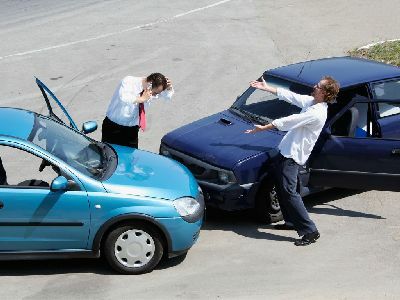
A driver's activity as an active participant in road traffic is characterized by a number of psychological conditions. The space in which traffic occurs is social, full of sources of tension and conflict that disrupt interpersonal relationships.
7
Dangerous behavior of drivers, as a rule, is a consequence of errors in assessing the traffic situation, improper steering, violation of current traffic rules (conscious or unconscious), lack of skills and inadequacy of driving technique to the psychophysical capabilities of the driver.
8
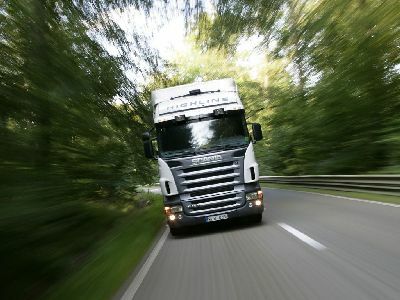
A traffic accident is a general term describing events of varying severity.
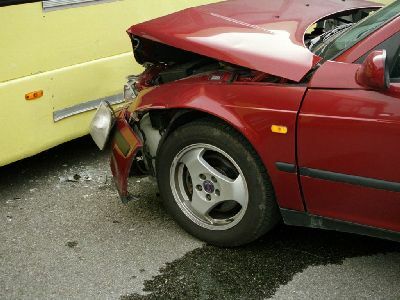
This definition includes a traffic accident, which can generally be defined as a traffic accident involving road users, in which no one was injured or the injuries resulted in a sick leave of less than seven days (in this situation, the injuries are addressed by a licensed physician), and the injuries are of a material nature.
9
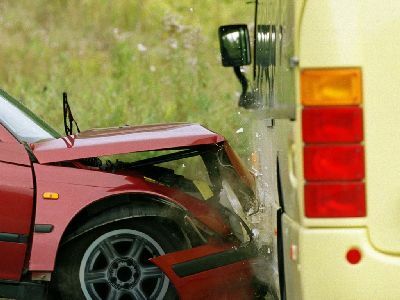
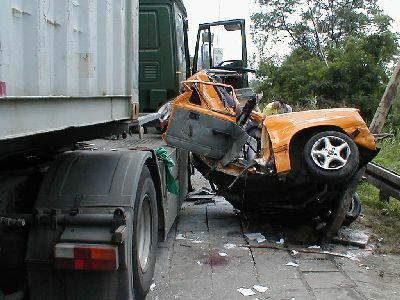
A road traffic accident is a sudden incident involving one or more vehicles, resulting in at least one injury or death. In road transport, liability for a road traffic accident lies with both the driver and the carrier.
10
According to the World Health Organization, on average, someone dies on the road every 30 seconds. More than a million people are injured annually, and approximately 50 million are wounded. More than 40,000 people die annually in the European Union.

11
In 2019, there were 30,228 accidents in Poland, resulting in 2,909 fatalities. This means that one in eleven road accidents resulted in a fatality. (The information and statistics noted in this lesson* are taken from the website of the Main Police Headquarters - Annual Road Accident Reports: "Road Accidents in Poland in 2019.")
12
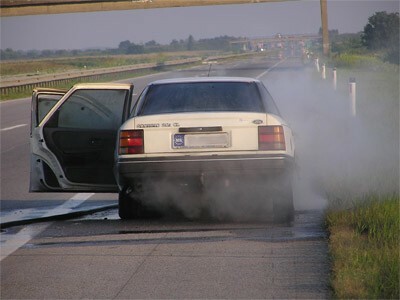
Among the factors that have a decisive influence on road safety and the number of accidents, people undoubtedly take first place.*
13
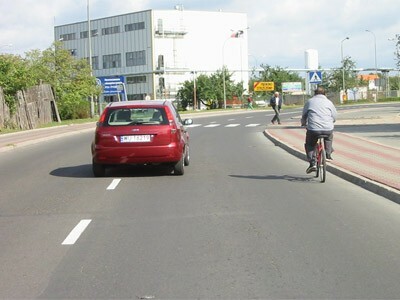
In 2019, 26,534 road accidents (87.6% of the total) were caused by driver error. These accidents resulted in 2,226 deaths (76.5%) and 31,910 injuries (89.9%).*
14
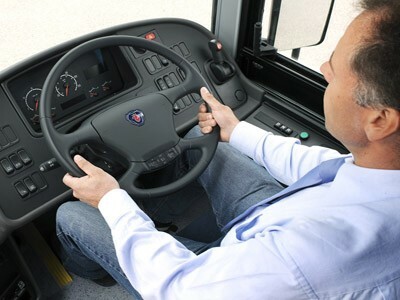
The main causes of road accidents caused by drivers in 2019 were: - failure to yield the traffic lane - 7,252 accidents, - failure to maintain the speed limit in accordance with traffic conditions - 6,268 accidents, - failure to yield to pedestrians at a crosswalk - 2,216 accidents.*
15
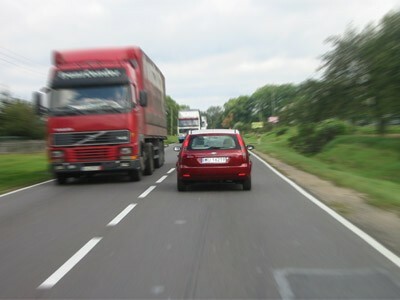
When analyzing the gender of drivers, it should be noted that in 2019, male drivers were most often at fault in road accidents, causing 73.1% of them, while women caused 22.9% of accidents.*

16
The largest number of accidents occurred due to the fault of drivers aged 25 to 39. They caused 8,326 accidents, resulting in 715 deaths and 10,157 injuries.*
17
A large number of accidents also occurred due to the fault of young drivers aged 18-24 years – 4,910 accidents, as a result of which 462 people died and 6,409 were injured.*
18
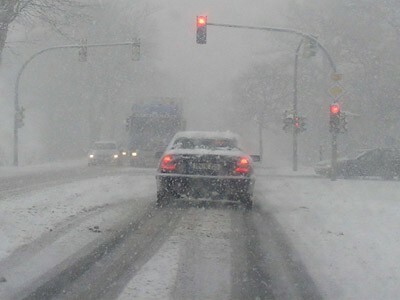
In 2019, over 37.6% of accidents involving young drivers were caused by speeding inappropriately for traffic conditions, and their severity reflects their involvement in 53.2% of fatalities. This group of people is characterized by a lack of driving experience and skills, yet at the same time, a high tendency toward recklessness and risk-taking.*
19
The largest number of road accidents in 2019 due to driver fault occurred in June - 2,661 (10.0% of the total number of road accidents due to driver fault), as well as in August 2,543, October 2,537 and September 2,536.

20
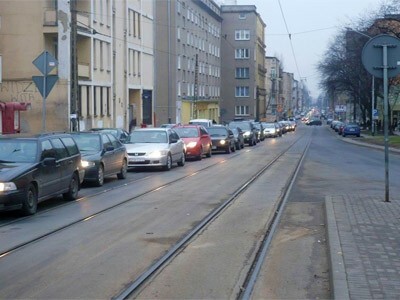
The most common time frame for accidents is between 2 PM and 6 PM, that is, in the afternoon. During this time, 8,013 accidents occurred (i.e., 30.2% of accidents were due to driver error), 590 people were killed (26.5%), and 9,648 people were injured (30.2%).*
21
The fewest accidents were recorded at night, from midnight to 5 a.m., due to the decrease in vehicle traffic.*
22
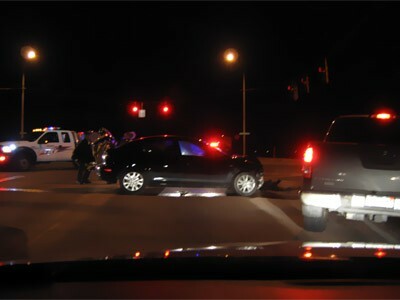
In 2019, passenger car drivers constituted the largest group of all vehicle driver offenders (74.7%). They were responsible for 19,833 road accidents, resulting in 1,576 deaths and 24,695 injuries.*
23
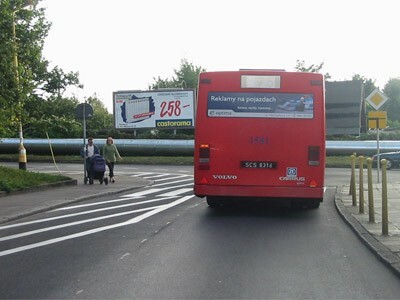
In 2019, bus drivers were involved in 372 accidents (1.4% of incidents), resulting in 14 deaths and 515 injuries.*
24
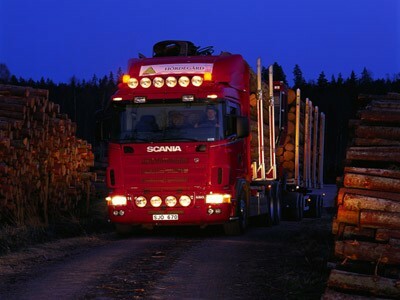
Drivers of trucks with a maximum permissible mass of over 3.5 tonnes caused 2,131 (8.0%) accidents, 252 people died and 2,536 people were injured.*
25
Pedestrians were the next most common cause of road accidents. In 2019, they caused 1,879 accidents (6.2% of all accidents), resulting in 372 fatalities (12.8% of all fatalities) and 1,548 injuries (4.4% of all injuries).*
26
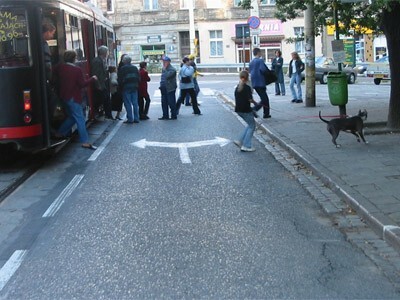
The most common causes of accidents due to the fault of pedestrians were: - driving onto the roadway directly in front of a moving vehicle - 941 accidents (i.e. 50.1% of all accidents due to the fault of pedestrians), - crossing the road in a prohibited place - 218 accidents, - crossing the road in a prohibited place - 218 accidents, - driving onto the road from behind a vehicle, obstacles - 201 accidents, - driving onto the road at a red light - 155 accidents. *
27
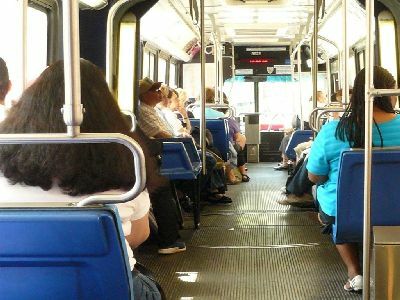
Passengers are the least numerous group involved in road accidents. In 2019, they caused 126 accidents, resulting in two deaths and 136 injuries.*
28
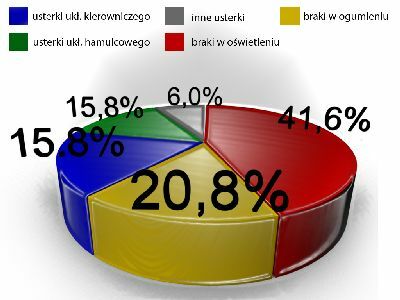
Of the technical accidents, 31.1% were caused by poor tire condition, and 30.0% by poor lighting. The remaining causes included steering, braking, and other issues.
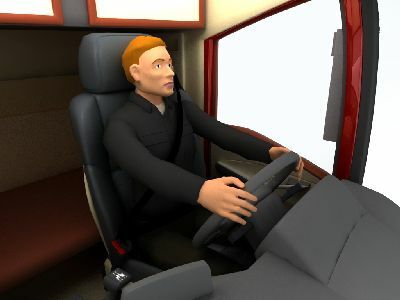
29
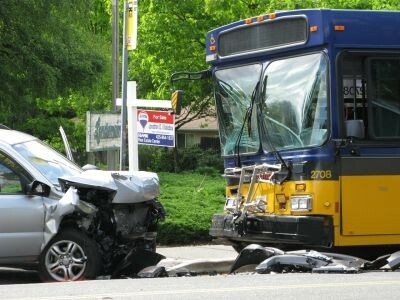
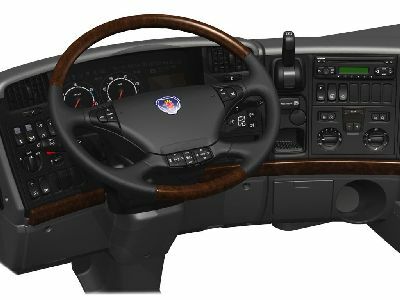
Other factors besides those listed above also contribute to road accidents. In 2019, 1,405 such accidents occurred, resulting in 254 deaths and 1,528 injuries.*
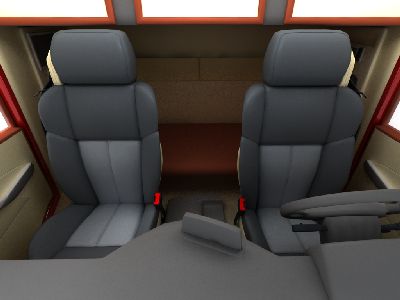
30
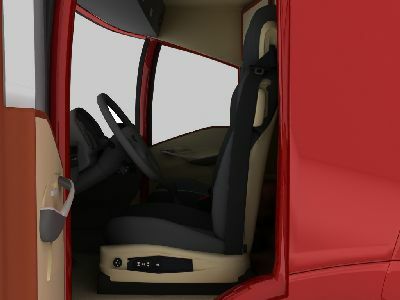
Other causes include:
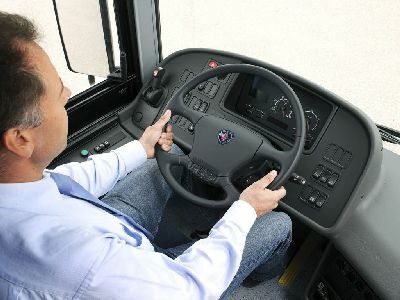
- objects or animals on the road,
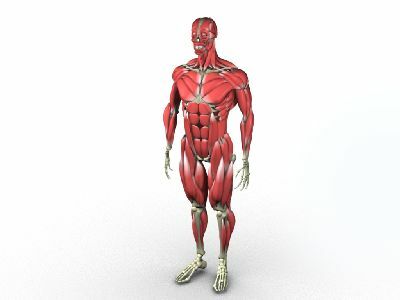
- sudden fainting of the driver,
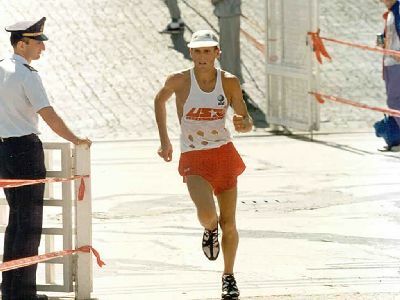
- technical malfunction of the vehicle without the driver's fault,
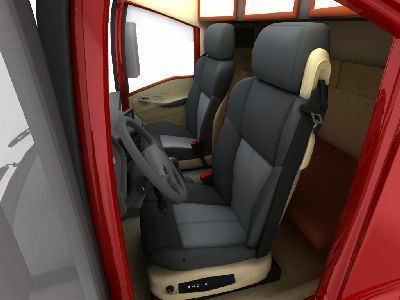
- poor road conditions.

31
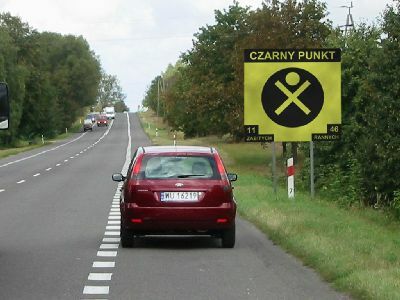
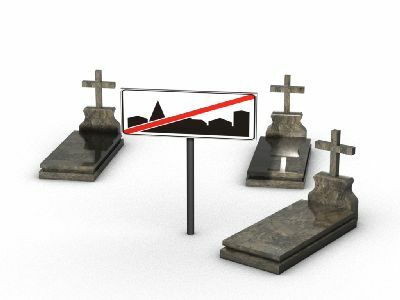
An analysis of fatal accidents by the Police Headquarters, broken down into undeveloped and built-up areas, shows that despite a lower number of accidents, the number of fatalities is higher outside of populated areas.
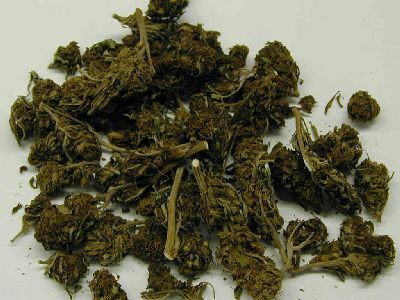
32
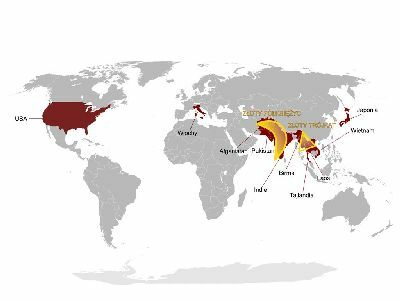
These statistics demonstrate the dangers of ignoring speed limits outside of populated areas. In undeveloped areas, drivers speed at higher speeds, often resulting in multiple fatalities in the same car, and medical assistance arriving much later.
33
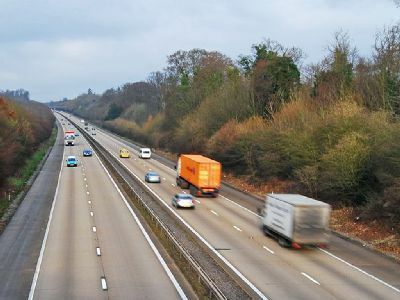
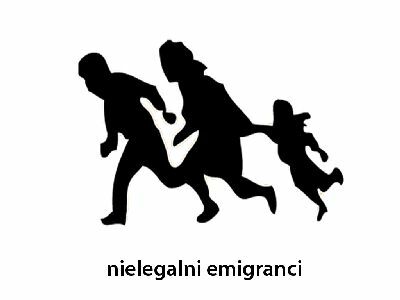
In 2019, the largest number of accidents occurred on straight sections of road – 16,698 accidents. As a result, 1,819 people were killed and 19,095 were injured.*
34
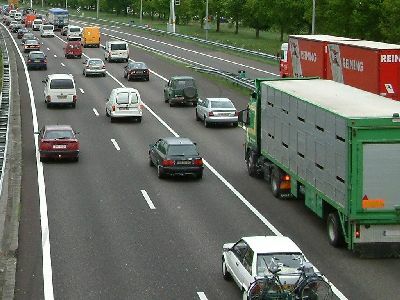
Another particularly dangerous place in 2019 was intersections with the right-of-way, where 8,688 accidents occurred, 470 people died, and 10,461 people were injured.*
35
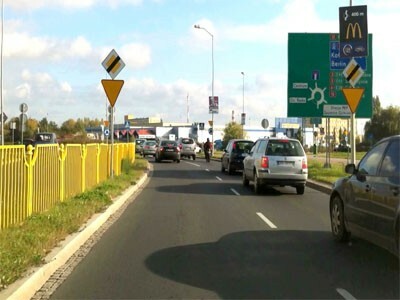
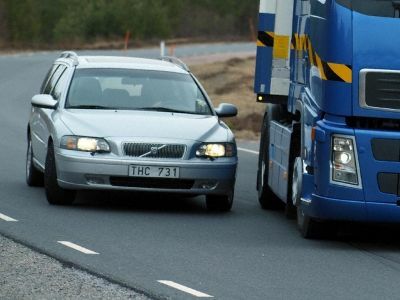
The main causes of road accidents on straight sections are: - failure to maintain the speed limit in accordance with traffic conditions - 3,202 accidents, - failure to give way - 2,136 accidents, - failure to give way to pedestrians at a crossing - 1,767 accidents, - failure to maintain a safe distance between vehicles - 1,598 accidents, - improper overtaking - 907 accidents.*
36
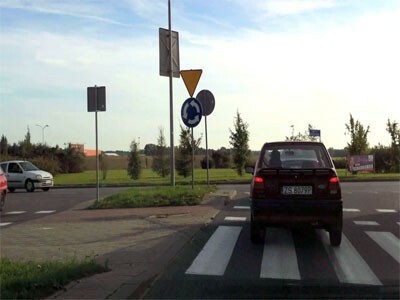
The main causes of road accidents at intersections with right-of-way are: - failure to provide a right-of-way - 4,511 accidents, - failure to yield to pedestrians at a crossing - 960 accidents, - inconsistency between speed and traffic conditions - 624 accidents.*
37
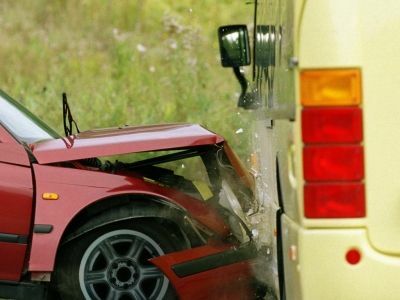
Among all types of road accidents, the most common type were "vehicle collisions in motion" (16,421 accidents). The next most common type of accident was "pedestrian collisions" (6,721 accidents).*
38
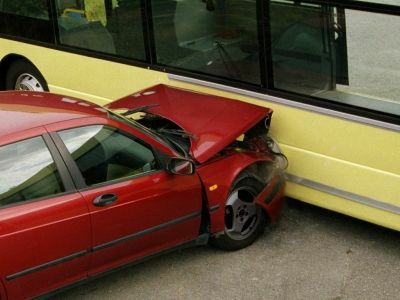
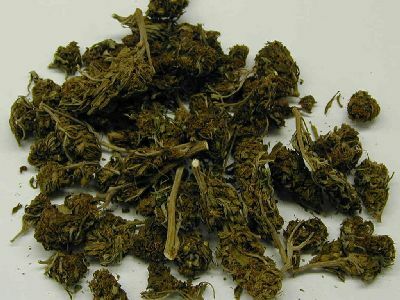
Both the driver and the carrier are liable for road traffic accidents.
If the accident is the fault of the carrier's driver, the driver of the vehicle bears the consequences under the Code of Administrative Offenses or the Criminal Code. The carrier bears the financial and market consequences of the incident, including losses, compensation for damages, and loss of market position due to damage to its image.
39
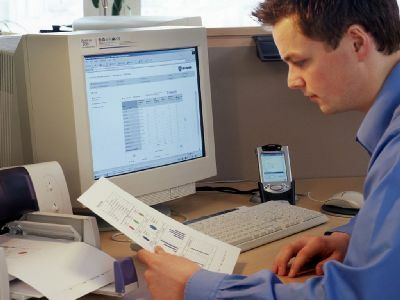
If an employee causes damage to a third party while performing their duties, the employer alone is obligated to compensate for the damage. The employee bears liability, as stipulated by the provisions of the Labor Code, to the employer who eliminates the damage caused to the third party.
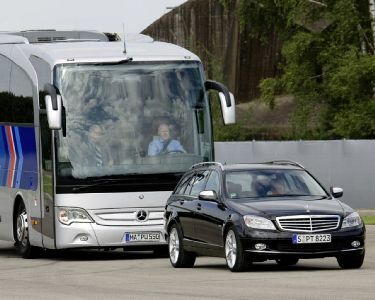
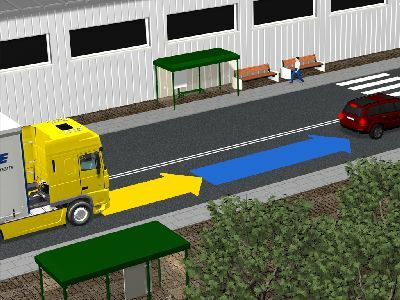
40
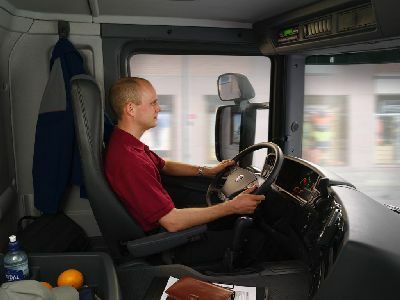
Driver fatigue is one of the most frequently cited causes of road accidents. For bus, truck, or delivery truck drivers, fatigue is a significant factor, impairing concentration and slowing reaction times, as a large vehicle can be very difficult to avoid an unintentional lane change or reach the desired destination on the wrong side of the road.

41
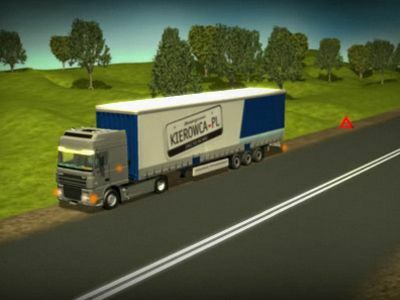
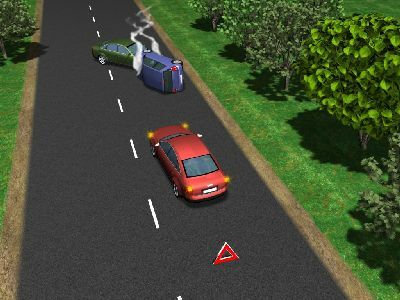
Work-related stress is currently considered the second most common health problem among workers in the European Union, after back pain, affecting nearly 30% of all employees.

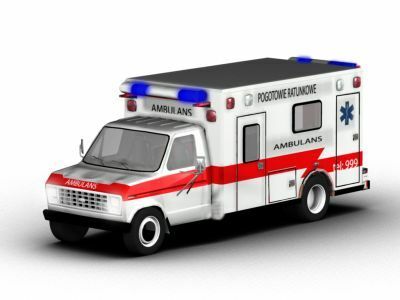
42
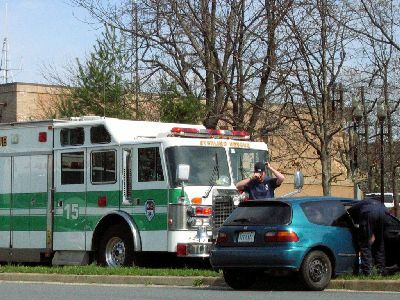
According to occupational health and safety organizations, high levels of occupational stress account for 65.1% of risk factors for occupational diseases. Other factors include low physical activity (60%), smoking (50%), and poor nutrition (40%). These factors are the causes of diseases such as collective back pain, hypertension, and peptic ulcers.
43
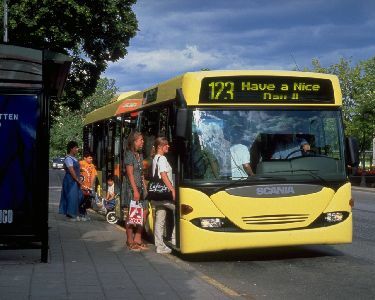
The main stress factors for urban transport drivers include ensuring public safety, time pressure resulting from schedules, and conflicts with passengers. In freight transport, these include time pressure, responsibility, road conditions, and customer interactions.
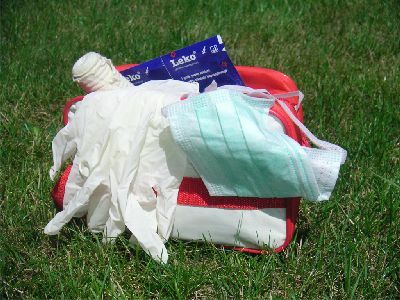
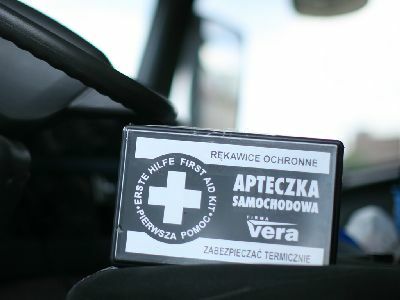
44
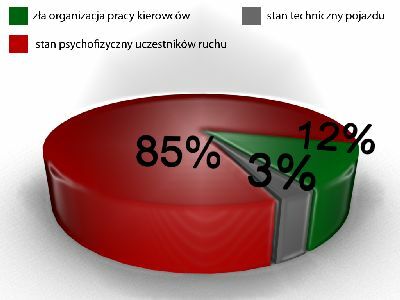
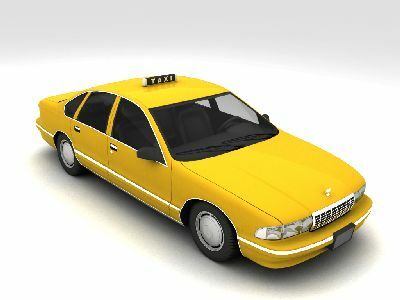
According to the National Labor Inspectorate, human error, including the mental and physical condition of road users (85%), is the dominant factor in the overall number of accident causes. Other contributing factors include poor driver organization (12%) and vehicle technical condition (3%).
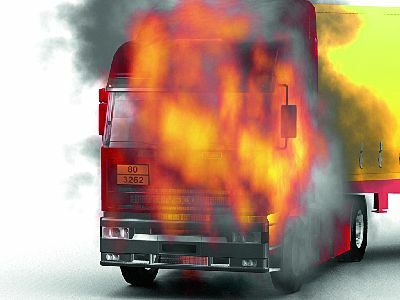
45
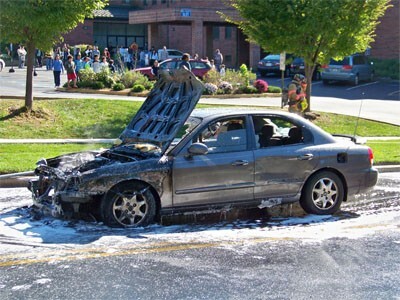
Research shows that to avoid significantly increased drowsiness and decreased performance while driving, the minimum sleep duration per day should be no less than 4-5 hours. This duration is the same for those who sleep long, for example, 9 hours, and those who sleep shorter, for example, 6 hours.

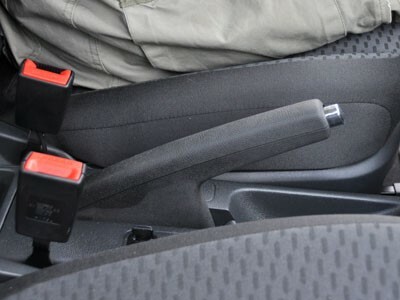
46
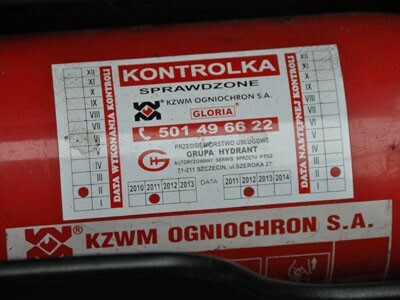
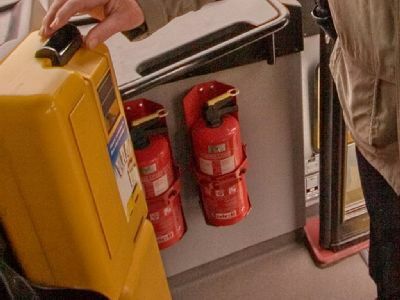
How can you prevent yourself from falling asleep while driving?
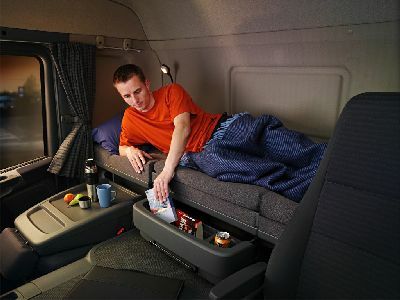
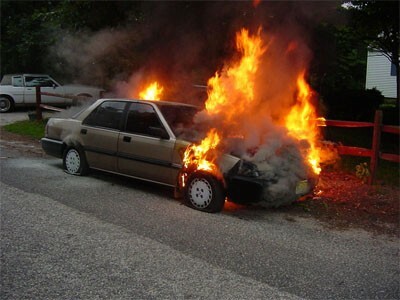
First and foremost, you should set off on your journey feeling rested. It's a good idea to ventilate the car beforehand and avoid setting the temperature too high while driving. Your driving position should be comfortable but also safe. On long trips, take breaks every 2-3 hours, including a short walk (even around the car) and some muscle stretching.
47
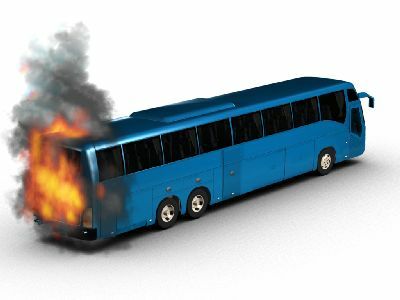
Energy drinks don't take effect for at least an hour after entering the bloodstream. When faced with fatigue, a short nap, even 15 minutes, can be more effective than a liter of coffee. Having a companion on a long journey is invaluable in combating fatigue and stress.

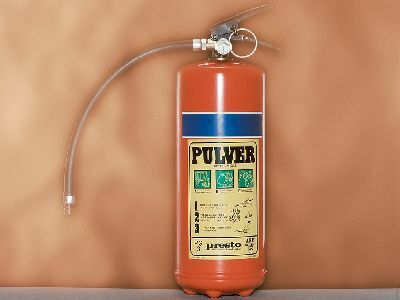
48
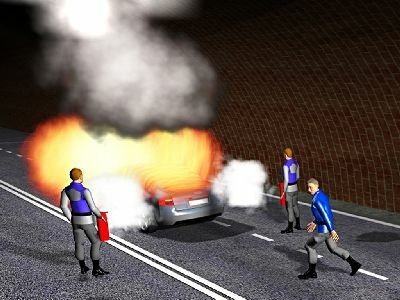
Stimulants, tranquilizers, cardiac medications, antibiotics, and analgesics also affect concentration and psychomotor performance. By increasing feelings of fatigue and exhaustion, they can be dangerous for drivers. Therefore, when taking pharmacological medications, extreme caution should be exercised regarding their impact on driving ability.

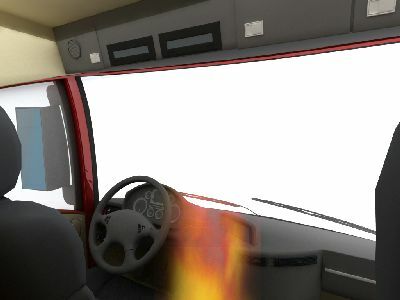
49
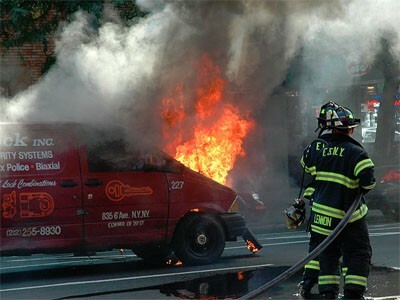
Psychoactive substances also affect drivers' mental and physical fitness. Drivers under the influence of alcohol, benzodiazepines, cannabis and alcohol, cocaine, or amphetamines are at the greatest risk of accidents. People driving under the influence of psychoactive substances exhibit impaired judgment, lack of reaction to light, psychoactive agitation, increased heart rate, insomnia, irritability, and mental disorders.

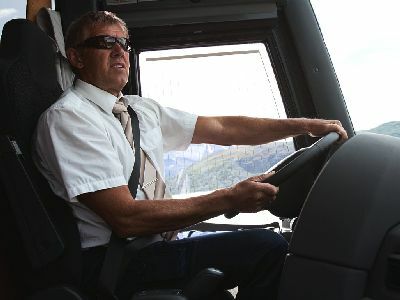
50
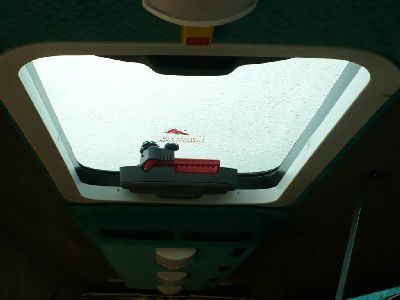
Alcohol consumption impairs road safety. Some functions necessary for effective driving are impaired at levels as low as 0.1-0.2 ppm.

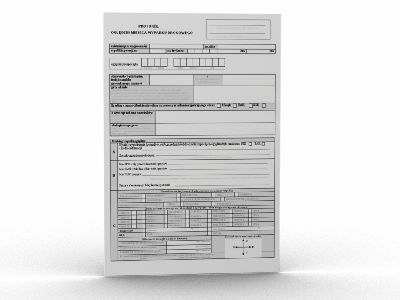
51
Other factors that limit mental ability to drive a vehicle may include:
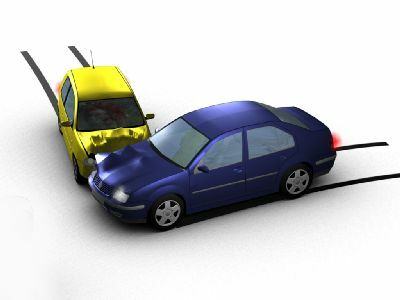
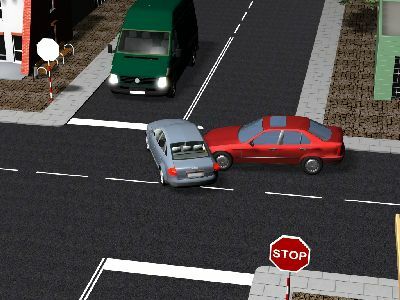
- fear of driving,
- emotional stress.
52
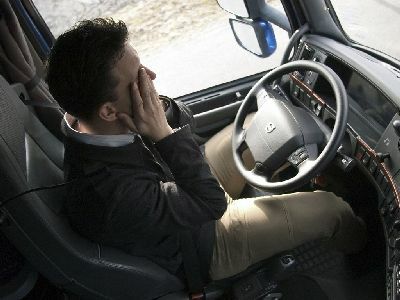
Fear of driving causes stiffness, nervousness, and excessive concentration on a single action. Also, various traumatic experiences (such as the loss of a loved one or a past accident) that cause emotional stress can reduce concentration while driving.
53
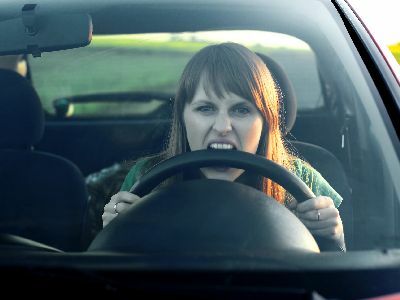
In some cases, a driver's emotions can cause significant difficulties in organizing and choosing the right course of action, and in extreme cases, can completely or partially disrupt their behavior. Drivers who drive a car sometimes exhibit traits and behaviors that we typically don't observe in other situations.

54
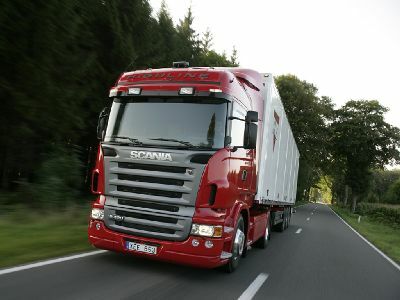
Looking at road safety, dangerous emotions can manifest themselves in the driver through the emergence of a competitive or even combative mood, especially when overtaking another vehicle, negative feelings (impatience, anger), an increase in the sense of power (one's own abilities) with a decrease in criticism and egocentrism.
55
The consequences of such mental states include:
- disregard and disregard for other road users,
- attributing to other road users, typically bad intentions (malice, hostility), incompetence (incompetence, low intelligence, ignorance of traffic rules), negative character traits, failure to observe road signs and rules, risky maneuvers, etc.,
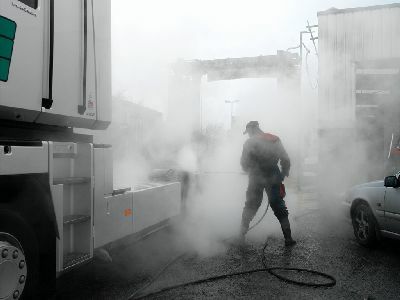
- malicious and aggressive behavior towards other drivers (e.g., driving across the road, etc.).
56
Drivers can express negative emotions through:
- a tendency to speed,
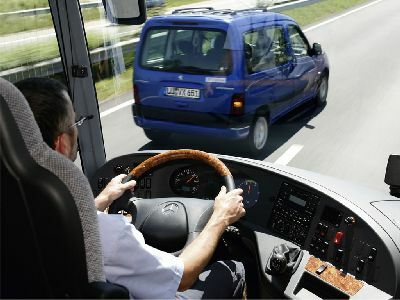
- staying too close to the vehicle in front,
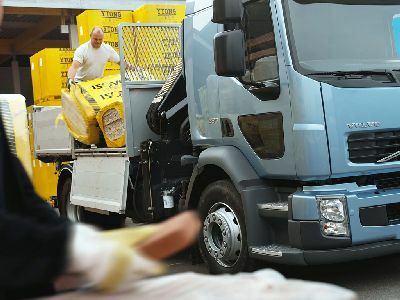
- performing maneuvers in conditions of high uncertainty and risk (for example, overtaking a third-wheeler),
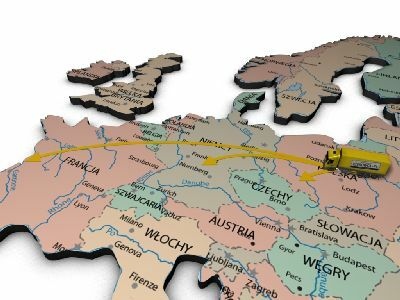
- listening to very loud, stimulating music (very loud sounds can increase adrenaline levels, contributing to increased emotional stress, which can impact performance).
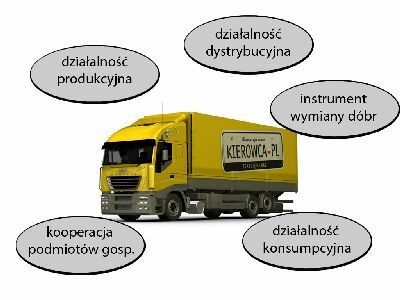
57
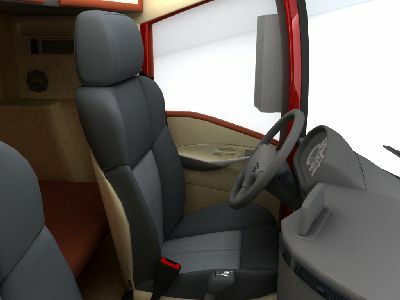
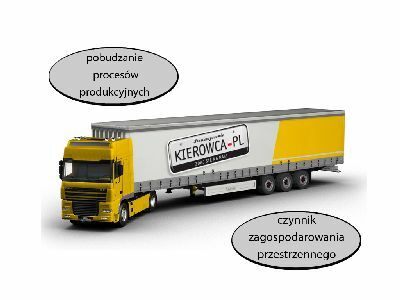
Ergonomics is the science of adapting tools, machines, environments, and working conditions to the anatomical and psychophysical characteristics and capabilities of humans. This science aims to ensure work is performed efficiently, efficiently, and safely, with minimal biological impact. Driver ergonomics aims to reduce or completely eliminate ergonomic risk factors.
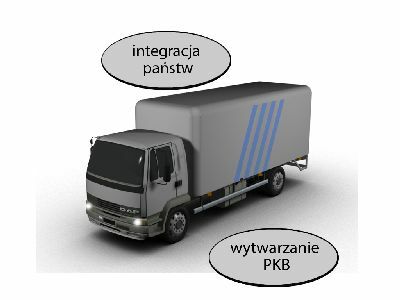
58
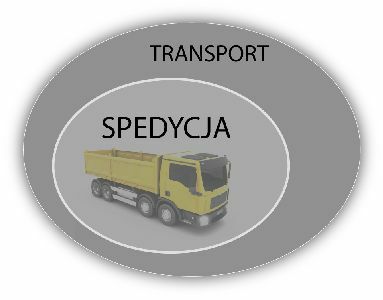
A workstation is a workspace containing equipment and work items. For a professional driver, this means the cab. The cab's design, taking into account the driver's time spent in it, must provide comfortable working conditions that do not pose a threat to the driver, passengers, cargo, or other road users.
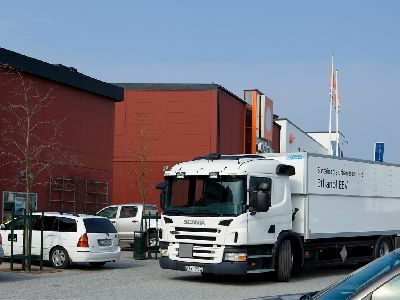
59
One of the most important issues from an ergonomic perspective is the correct placement of controls. Their placement depends on their importance, frequency, and sequence of use.
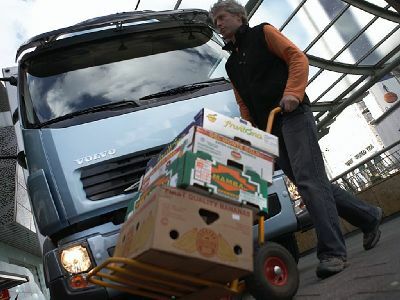
60
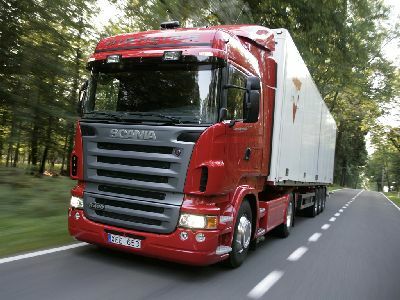
In addition to comfort and safety, the driver's cabin must provide:
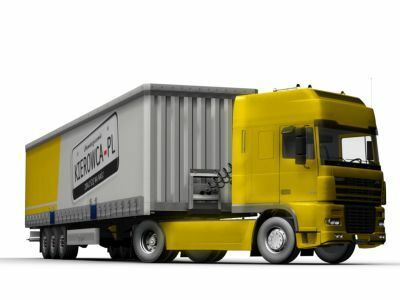
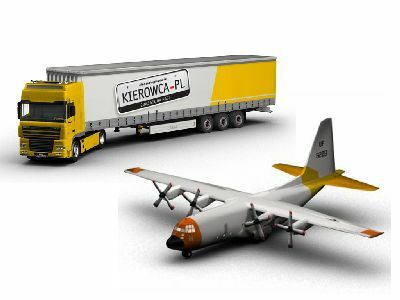
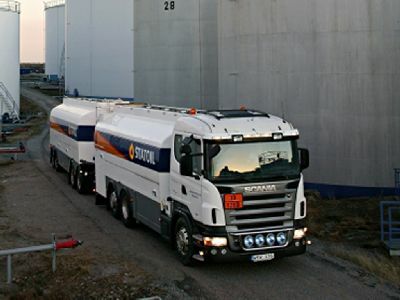
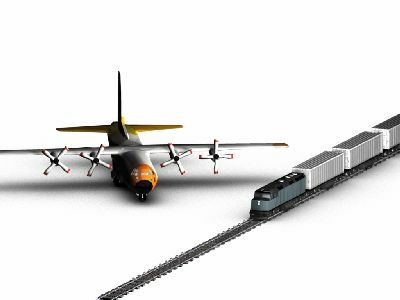
- driving comfort (ergonomic seat),
- adjustable steering wheel,
- unrestricted access to all instruments on the dashboard,
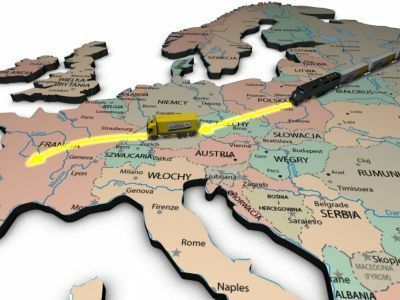
- access to the most important controls and diagnostics,
- freedom of movement within the cabin,
- the ability to rest (even at night).
61
The correct position of the driver's seat should ensure:
- adequate distance from the steering wheel,
- adequate distance from the pedals,
- proper seat back support,
- full body weight resting on the seat.
62
Driving a vehicle for professional purposes is very demanding, both mentally and physically. Drivers must be constantly focused and responsive. Constant stress forces the body to use carbohydrates to fuel brain function. Sedentary work prevents the body from burning excess calories.
63
Physical fitness is defined as the ability to perform various forms of movement, determined by developmental level, motor and morphological characteristics, as well as physiological and mental functions. This efficiency declines with age due to decreased sensitivity of the nervous system and the effectiveness of sensory organs such as vision and hearing.
64
Regular healthy eating and exercise such as swimming, jogging, daily gymnastics and isometric exercises are very important for maintaining physical fitness.
65
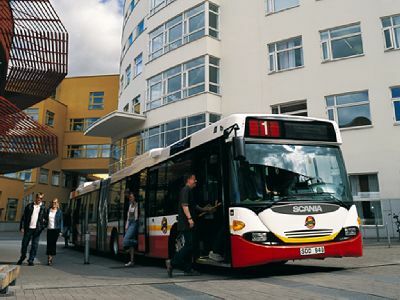
The driver's seat is burdened with occupational hazards that should be mitigated with appropriate personal protective equipment. Automakers have taken key steps to combat occupational illnesses in drivers by installing seats with proper cushioning to prevent harmful vibrations.
66
The personal protective equipment used by drivers depends on the type of vehicle they operate. Typically, this includes reflective vests, coveralls for handling special substances, safety glasses, protective gloves, footwear, half masks, absorbents, cleaning fluids, and sorbents.

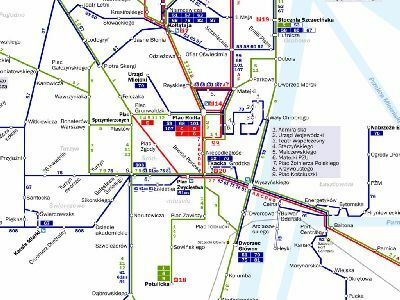
67
Being a professional driver is challenging, and there are many factors that can impact the effectiveness and safety of the profession. Unusual or even dangerous situations often arise, requiring drivers to use common sense and know what to do.
68
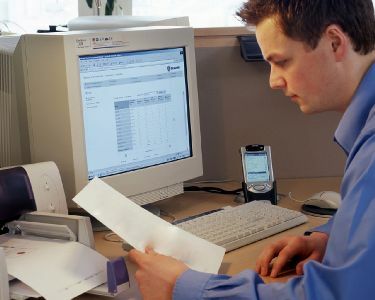
The problem of crime is a phenomenon that, unfortunately, also affects the duties of a professional driver. Drivers must be aware of the risks they face during their work and the dangers that lie ahead.
69
Organized crime is a criminal phenomenon with an international dimension. It is not a phenomenon that emerged in recent years. It has reached its peak in Italy, the United States, Japan, and the Golden Triangle, which includes Thailand, Laos, and Burma, as well as the so-called Golden Crescent, which includes Afghanistan, Pakistan, and India.
70
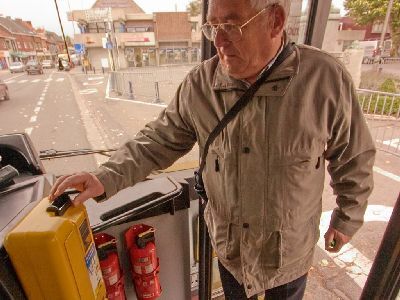
Methods of preventing criminal activity include the diagnosis of social phenomena that influence crime, preventive and educational activities aimed at combating crime and the illegal import of illegal immigrants.

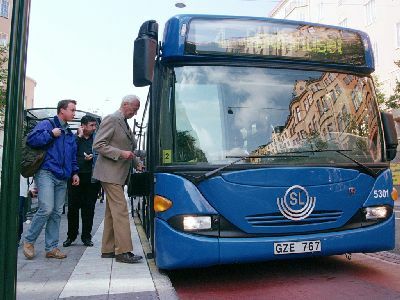
71
Trafficking in illegal immigrants and transporting women and children for the purpose of sexual exploitation is considered a group of so-called international crimes that are subject to prosecution and punishment in individual countries.
72
Women are the most common victims of human trafficking. This is due to the lack of employment, education, and gender discrimination in the countries from which these women seek to flee. All international organizations working to eradicate this practice believe that human trafficking is more profitable than the arms and drug trades.

73
Emigrants use various methods of illegal entry into the country, depending on their choice. The following cases are known:
- hiding illegal immigrants in tankers used to transport hazardous chemicals,
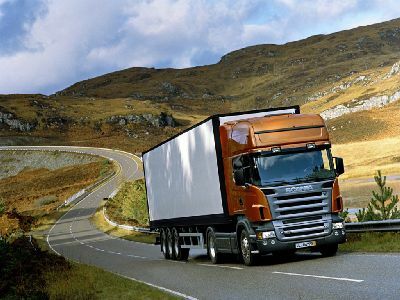
- hiding illegal immigrants in unguarded semi-trailers and trailers,
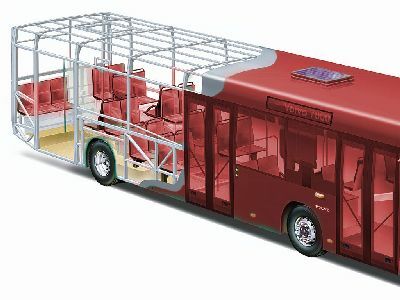
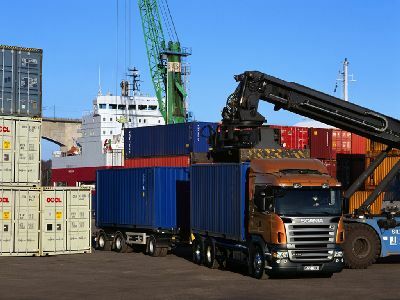
- hiding illegal immigrants in the trunks of buses.
74
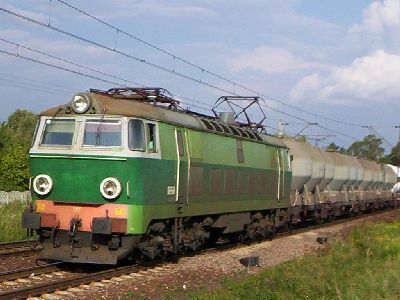
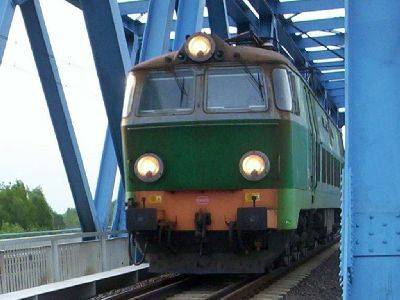
The primary legal act regulating the liability of drivers for transporting immigrants without permission is the Criminal Code. It stipulates that a driver involved in human trafficking, even with consent, is subject to imprisonment for at least three years.

75
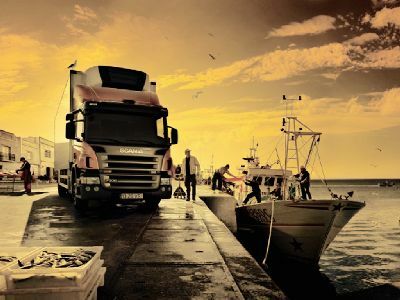
A carrier engaged in regular passenger transport in international road traffic, with the exception of border traffic, who has delivered to the territory of the Republic of Poland a foreigner who does not have a travel document and visa required to cross the border - an administrative fine in the amount of 3,000 to 5,000 euros for each person delivered, but the amount of fines for a single transport of a group of passengers may not exceed the equivalent of 500,000 euros.

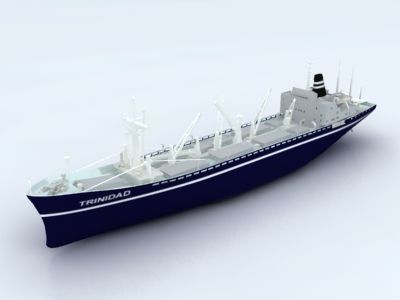
76
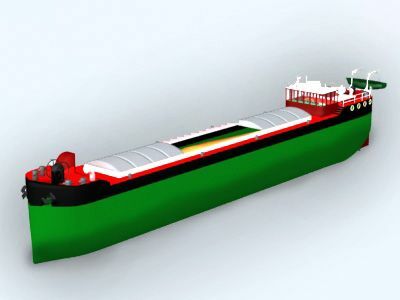
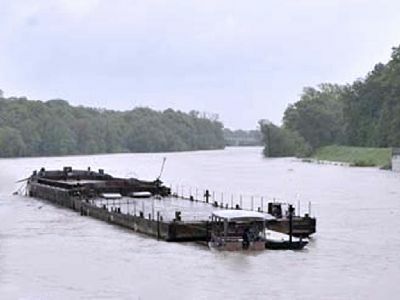
A carrier transporting a foreigner who has been denied entry into Poland is obliged to immediately deliver him to the border of the country from which he was imported, and if this is not possible, to the country where the foreigner was issued a travel document under which he traveled, or to any other country that says it will accept him.

77
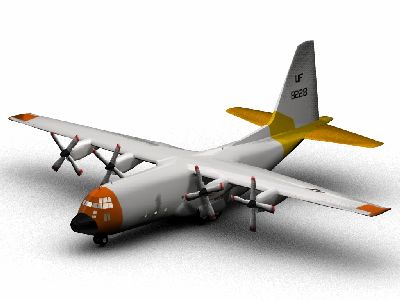
This carrier is also subject to an administrative fine imposed by decision of the voivode - at the request of the commander of the Border Service checkpoint where the foreigner was denied entry.

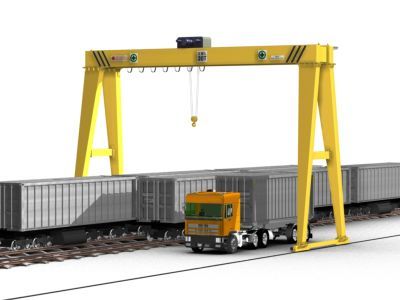
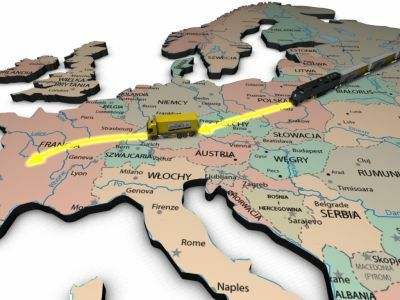
78
However, if the carrier is unable to fulfil the obligation to transport the foreigner, he must provide, at his own expense, another means of transport to immediately leave the territory of the Republic of Poland.
79
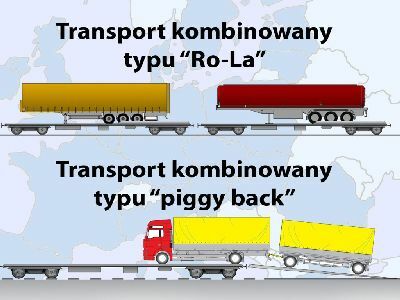
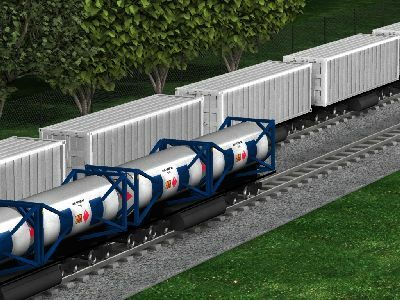
A carrier providing regular passenger transport in international road traffic, which has delivered a foreigner to the border, is obliged to take measures to ensure that a foreigner from a country outside the European Union, intending to enter the territory of the Republic of Poland, has a valid travel document required to cross the border.

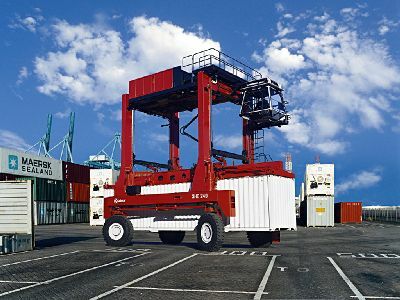
80
A carrier engaged in regular passenger transportation in international road transport, with the exception of border transport, fined for bringing into the territory of the Republic of Poland a foreigner who does not have a travel document and visa required to cross the border, may appeal the decision of the commander of the border inspection post of the Border Guard, the chief commander of the Border Guard.

81
Smuggling, often also called contraband or colloquially smuggling, is the movement of goods between countries without paying customs duties, excise taxes, VAT or other charges to the country into which the goods are being imported, or in which the trade of goods in its territory is prohibited.
82
The law that regulates the rules and procedures for importing goods into the customs territory of Poland is the Customs Act. It describes the rights and obligations of individuals, as well as the powers and duties of customs authorities. Anyone wishing to import or export goods from the customs territory of Poland can obtain all the necessary information from the customs authorities.

83
A key element of police-judicial cooperation in criminal matters is the creation of an organization called EUROPOL. The genesis of this type of organization was to support law enforcement agencies, and its goals were to prevent and combat international crime, with a focus on organized crime.

84
The next institution, established in October 1999, is Eurojust, which functions as a public prosecutor's office. Its main purpose is to coordinate the activities of national prosecutors' offices in European Union member states.

85
Road accidents that are not of international significance and that a driver encounters are considered incidents. In a situation where it becomes necessary to stop a vehicle as quickly as possible due to an emergency, the split second during which the driver must make the right decision is crucial.
86
The actions of a driver forced to brake abruptly consist of two stages:
- a mental reaction, in which we perceive that the traffic situation requires action; after analyzing it, we determine the optimal procedure; the result is the appropriate decision;
- a physical reaction, in which, if braking is imminent, we place our foot on the brake pedal and press it.
87
Once a traffic accident has occurred, the driver is obligated to act in accordance with the Road Traffic Regulations and, therefore, must stop the vehicle without compromising road safety. They must then determine the consequences of the incident, especially if other vehicles were involved.

88
Taking measures to ensure traffic safety at the scene of an accident is the responsibility of the driver and other persons present. The driver should be the first to ensure this by signaling the stopped vehicle according to the location, road category, and weather conditions. If there are no fatalities or injuries, the vehicle should be immediately removed from the scene to avoid creating a hazard or impeding traffic flow.
89
If they are injured in a traffic accident, the responsibility for providing assistance lies with both the driver and anyone else involved. First, it's essential to check the victim's consciousness and vital signs. All wounds and fractures should be bandaged and immobilized. Then, immediately call an ambulance and the police.
90
Chaos reigns during emergency response, and it must be controlled to ensure the safety of victims and other road users. Drivers providing assistance must give clear and specific instructions, addressing them to specific people. Only then will all measures be completed and assistance provided to the victims as quickly as possible.
91
The most important emergency numbers in Poland are:
112, 997 - police emergency number;
998 - fire department emergency number;
999 - ambulance emergency number.

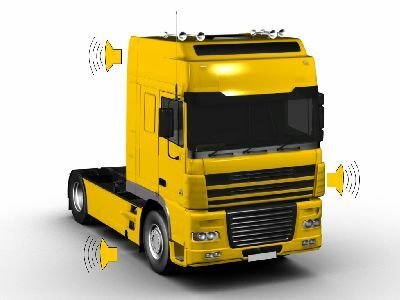
92
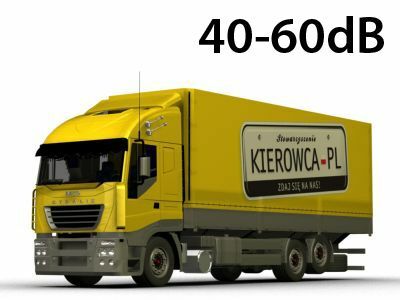
At the scene of a traffic accident (in the event of injury or death), it is prohibited to take any actions that could obstruct the investigation of the incident. This restriction applies to both the driver and other participants in the accident. This prohibition primarily applies to the movement of objects that were torn from the vehicle during the accident. Until the police arrive, the accident scene must remain in the same condition it was in immediately after the accident.
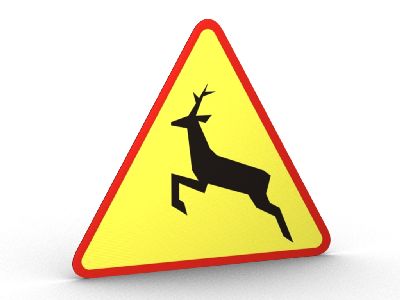
93
A first aid kit is essential equipment that influences the ability and method of providing assistance to victims of road accidents. The presence of a first aid kit in a vehicle is regulated by the Decree of the Minister of Infrastructure of December 31, 2002, on the technical condition of vehicles and the scope of their necessary equipment (consolidated text, DZ 2013, Art. 951, as amended).
94
According to the aforementioned regulations, a first aid kit is mandatory, for example, on buses, taxis, driving schools, and in cars. Cars are not required to carry a first aid kit. The first aid kit must be located in the car in an easily accessible location.
95
Another event that may or may not be a consequence of a traffic accident is a vehicle fire.
96
Basic principles and actions to take in the event of a vehicle fire:
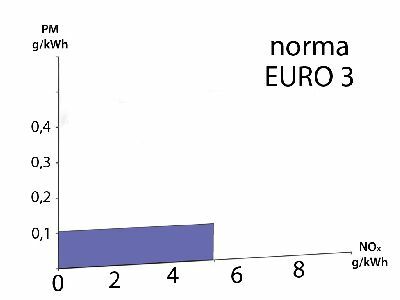
- stop the vehicle in an isolated location, if possible, to prevent the fire from spreading,
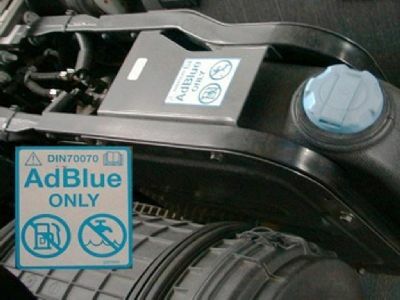
97
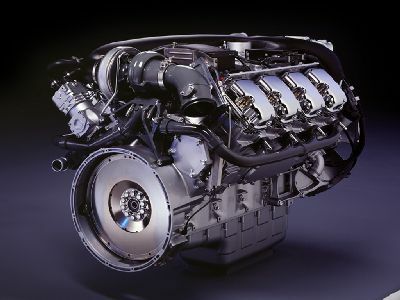
- turn off the engine, apply the handbrake and leave the vehicle immediately, ensuring the evacuation of all passengers,
98
- leave the vehicle, take a fire extinguisher with you, which is mandatory equipment,
99
- risk assessment based on observation of the location from which smoke or fire is emanating,
100
- having assessed the risk and taken measures to extinguish the fire, it is necessary to unlock the cotter pin and pull out the metal rod (while simultaneously breaking the seal), and then carefully approach the fire site,
101
Typically, a fire starts under the hood. In this case, we open the hatch, apply the first stream of extinguishing agent, and close the hood to suppress the fire.
Remember that opening the hood too quickly will result in a large influx of air, which will increase the intensity of the fire. After covering the burning engine with foam, be sure to close the hatch—this will cut off the air supply.
102
The extinguishing stream should be aimed directly at the source of the fire, preferably slightly above it (powder falling on the fire is more effective).
A car fire extinguisher should not be turned in any direction; it should be extinguished horizontally or with the outlet facing down. Otherwise, it will not function properly—the extinguishing gas trapped inside will prevent the extinguishing agent from being released.
103
Repeat fire extinguishing measures until the fire is completely extinguished, i.e. until the smoke and flames disappear. After the first signs of fire have died down, it is necessary to disconnect the battery, since a short circuit in the electrical system is the most common cause of vehicle fires.
104
If fire penetrates into the vehicle's cabin, the fire will spread very quickly; the upholstery and materials from which the interior is made are highly flammable.
105
Once the fire is extinguished, regardless of whether the fire is extinguished, call the fire department, who will check for a secondary ignition source to prevent the car from catching fire again.
If a fire occurs that cannot be extinguished with a vehicle fire extinguisher, move to a safe distance and call the fire department.
106
In the event of an accident or other incident threatening passenger safety, passenger behavior during travel is crucial. Before setting off, every driver must familiarize themselves with the rules of the road and the procedures and procedures for handling an accident.
107
Particular attention should be paid to the passenger evacuation system and the bus should be divided into evacuation zones. Emergency exits should be marked and accessible (unlocked). Furthermore, it is important for the driver to take a leadership role to overcome passenger hysteria and reduce the number of accidents caused by careless exits.
108
An accident is an event that must be documented. The primary document compiled by police at the scene of an accident is the accident scene inspection report. This should be completed as soon as possible after the accident. While preparing the report, necessary road measurements are taken, a sketch of the accident scene is made, and photographs are taken.
109
The accident scene inspection report includes information about the accident location, weather conditions, assumptions made during the accident scene inspection, surface type and condition, accident scene markings (e.g. speed limit in the area where the accident occurred), description of the location of vehicles and tracks, etc.

110
A sketch of the accident scene is made on graph paper or using a computer program. It shows the dimensions of the accident site (e.g., road width, vehicle locations, length of brake signs, and other signs) to scale. It's like a bird's eye view of the accident scene. It's an integral part of the accident scene inspection report, and the data it contains must be identical.
111
Particular caution and expedited action are recommended in the event of fog or other short-lived weather conditions that could impact the event site. Documentation accompanying the incident site may also include a geodetic plan of the incident area, especially in cases where it is difficult to measure, such as vertical road curves that determine visibility limits. Standards already require the preparation and attachment of incident site records.
112
Another document compiled at the scene of a traffic accident is the vehicle inspection report, which is completed separately for each vehicle. It contains the vehicle's technical data, any damage recorded, and a description of its interior and equipment, including, for example, the gear it was in when stopped, the state of its lighting, and the safety systems used at the time of the accident, such as airbags.

113
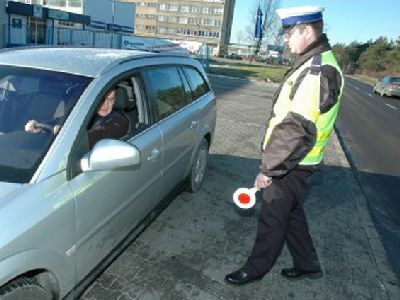
Another threat to a driver's job is aggression. While driving, drivers encounter various forms of aggression. Signs of aggression include deliberate honking, driving in the road, pushing or squeezing in front of other cars, and maneuvers driven by impatience, anger, or a desire to save time. This behavior depends on the driver's personality and the level of their frustration.
114
The most common response to rude or aggressive behavior from other drivers is cursing, flashing headlights, or simple indifference. Ways to combat road rage include:
- promoting good road behavior,
- strengthening police supervision,
- effectively enforcing penalties for minor offenses.
115
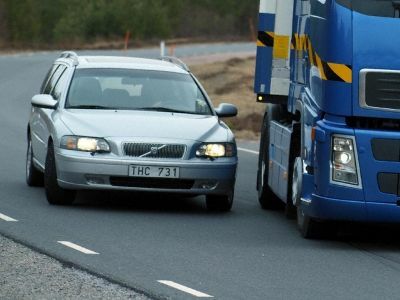
Drivers perceive their car as part of their territory, and when threatened, they react aggressively and defend it—a sign of self-preservation. Driving a car gives some people a sense of power, and the willingness to demonstrate this power often leads to aggressive behavior. The natural competitive instinct is a particularly common cause of aggressive behavior on the road, which, in turn, leads to collisions and accidents.
116
The primary action to curb aggressive driver behavior is education, not only among drivers but also among society at large. Therefore, information campaigns should be conducted on a large scale. It's also essential to eliminate the impunity of aggressive drivers—they will certainly be more in control of their emotions and will avoid aggressive behavior.

117
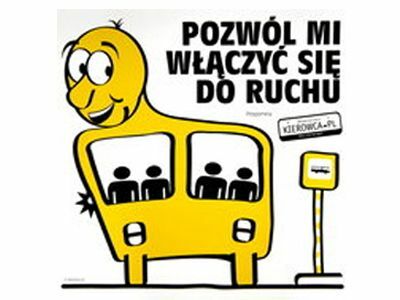
Drivers should better control their emotions and avoid provoking aggressive behavior in others. Showing courtesy and understanding toward other road users will improve driving standards, and thus improve safety on our roads.
118
Transport companies employing drivers' relatives suffer from their reputations as a result of their actions, as the person driving the vehicle is the first point of contact for customer service. In fulfilling their professional duties, they are the living showcase of the transport company they work for. Conduct in conflict situations reflects not only on the driver's culture, but also on the carrier and other drivers within the company.
119
Driver culture, composure, professionalism, and appearance, as well as their care for the vehicle, travelers, shippers, and recipients, are elements that directly impact a transport company's image. For drivers to perform well, they must embrace the role they play in shaping their company's market position.
120
A transport company driver is not an anonymous element in the supply chain or passenger transportation system. In performing their duties, a driver represents the company and is directly identified with it. Drivers must remember that any negative behavior will impact their perception of the transport company and their colleagues.
121
The way a driver treats his colleagues is a signal of his personal culture and the company's culture. Respect, hospitality, professionalism, and a willingness to help in relationships convince customers to trust the carrier. If this image is complemented by a well-designed service, the carrier will gain a loyal customer.
122
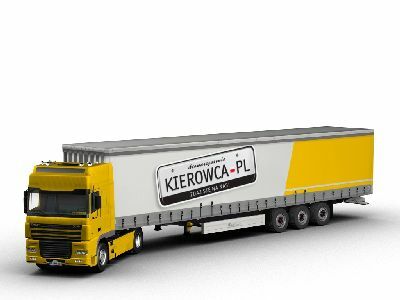
The appearance of the vehicle used for services also impacts a carrier's image. Cleanliness and proper maintenance—both inside and out—demonstrate that the company cares about the quality of its services, and above all, the safety of passengers and cargo.
123
In light of the above, drivers, especially those driving passenger vehicles, should, in addition to resting, also use breaks to ensure the vehicle is clean. A clean vehicle interior improves the quality of service provided and the safety of those inside.
124
Failure to perform a service in accordance with the contract may result in financial penalties, arising, among other things, from the Transport Act, detailed provisions, and the provisions of the transport contract itself. Penalties become more severe if the failure to comply is the result of intentional misconduct or gross negligence on the part of the service provider.

125
The client always has the opportunity to file a complaint regarding the service provided. The driver, however, must complete all formalities to provide accurate information about the incident, giving the carrier the opportunity to review the complaint.
126
Disputes arising from the method of delivery, receipt, and inspection of package contents are governed by the provisions of the Transport Law. These provisions are contained in each transport company's service regulations and detailed instructions. Therefore, to avoid exposing yourself and the company to financial losses and unnecessary disputes with customers, please familiarize yourself with the above documents.

127
A professional driver's job involves more than just driving. This profession is one of the foundations of transportation. Transportation, on the other hand, plays a vital role in any country's economy, as it enables the movement of resources and complements other economic sectors. As a coordinator of all production and distribution processes, it is one of the main factors influencing economic costs and, consequently, the overall price level.
128
Based on the territorial scope of transport, we can distinguish between local, regional, national, international, continental, and global transport. Depending on the subject of transport, we can talk about freight transport (cargo, goods), which can be specialized or universal, and passenger transport (people).
129
The complementary and enabling nature of transport in relation to the economy is expressed by:
- a service function (transport serves to meet economic needs, supporting production, distribution, and consumption activities);
- an instrumental function (transport serves as a tool for the exchange of goods and most services, which enables not only the implementation of specialization, but also inter-sectoral and cross-industry cooperation among economic entities, organizations, institutions, etc.);
130
- a stimulating and productive function (transport stimulates production processes and creates opportunities for their effective development by ensuring proper management of the supply and distribution sphere),
- a location function (transport is an important, and sometimes even decisive, factor in spatial development, determining the location and zoning of production),
131
- an integration function (transportation facilitates the integration of states, which can occur at many levels, including the economic one);
- an income function (transportation, as one of the sectors of the national economy, produces the gross domestic product and contributes to its value by serving other sectors).
132
Transport is a broader concept than freight forwarding, since freight forwarding only covers the organization of cargo transportation using appropriately selected means and methods of transport, as a result of which the cargo is sent from the supplier to the recipient.
133
Thus, freight forwarding is not transport, and a freight forwarder does not perform transport. Of course, forwarding activities can be performed by the transport user, in which case it would be considered a forwarding service. A transport company can also act as a freight forwarder, which then combines the functions of a freight forwarder and a carrier. Another form is a separate shipping company engaged in paid activities related to organizing cargo transportation for a specific client.
134
Custom work is performed for the client under a forwarding agreement, and the forwarder's rights and obligations are regulated by the Civil Code (primarily Articles 794-804) and the General Polish Forwarding Conditions (OPWS). Under such an agreement, the forwarder is responsible for organizing all or part of the cargo transportation route. However, the carrier's obligation is to transport properly prepared cargo along a specified route, for which they remain responsible during transportation.

135
The transport process is a sequence of coordinated and sequential (or parallel) actions aimed at the most efficient delivery of cargo to the recipient. This process includes the stages of cargo and vehicle preparation, vehicle replacement, as well as loading, transport, unloading, transfer of cargo to the recipient, and vehicle return.
136
The transport process is a partial process within the transport process and concerns only the physical movement of cargo from the storage location to the destination.
137
In the case of freight transport, the choice of transport mode is primarily determined by the type and characteristics of the cargo. In this regard, road transport is the most versatile, primarily used for handling general cargo. Rail and water transport are more suited to handling bulk cargo. Air transport, on the other hand, is primarily focused on transporting low-volume cargo that requires rapid movement.
138
In the case of freight transportation, it's not the substitution of services that can be considered, but the substitution of means or methods of transportation. The degree of substitution is determined, on the one hand, by the qualitative properties of individual industries and, on the other, by factors differentiating the preferences of transport users. The scale and degree of substitution may change if a transport user's choice is based on multiple criteria.
139
The choice of transport mode and carrier is always linked to specific benefits and challenges for the transport user. It is based on an analysis of the relationship between the value, utility, and various capabilities and quality offered by individual modes of transport, taking into account the price of the service.
140
The substitution of one mode of transport by another can occur through substitution between different modes of transport over distance, which can be considered:
- spatially (as the shortest distance between two points or the shortest path between two points, along existing communication routes),
- temporally (expressed in isochrones, i.e., lines that can be traversed in the same unit of time),
- or economically (transport costs).
141
The characteristics of transport services can be considered in terms of:
- offered properties, which are part of the supply created by service providers,
- required properties, which are part of the demand and are the result of an assessment made by the transport user.
142
Each industry is characterized by a specific quality profile, which represents the degree of intensification of attributes that correlate with consumer value and determine its competitiveness relative to other industries. Service quality can be considered from a technical and functional perspective. Technical quality is what the customer receives during the service delivery process, while the method and form of service constitutes functional quality.
143
The choices of transport users may be oriented towards the mode of transport or the carrier, and the factors that shape this choice do not necessarily coincide, since the choice of the mode of transport is significantly influenced by elements of technical quality, and the choice of carrier can be determined by both technical and functional elements of quality.
144
The key elements of the quality profile of transport services are related to:
- distance (network accessibility, direct transport, network capacity, dependence on natural conditions),
- service (mass, safety),
- time (speed, availability, punctuality, frequency, regularity, rhythm),
- cost of transport (transportation costs, investment costs).
145
In transportation, as in many other sectors of the economy, competition exists, understood as the struggle of businesses for economic gains derived from sales. This is a process by which market participants, pursuing their own interests, attempt to offer more advantageous offers than their competitors, in terms of price, quality, service, and other factors that influence customer decisions. Competitive struggle occurs with varying intensity across different modes of transportation.
146
In transport, competition is divided into:
- intra-industry (between service providers representing the same mode of transport, for example, between trucking companies),
- inter-industry (occurring between service providers representing different modes of transport, for example, between a rail carrier and a trucking company, whereby timing and sales volumes are at stake).
147
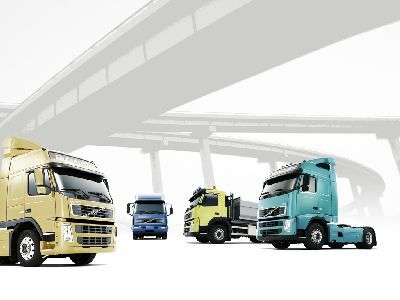
Transport can be organized in two ways, depending on whether the need for transport arises from one’s own needs or is provided for a fee to another economic entity.
148
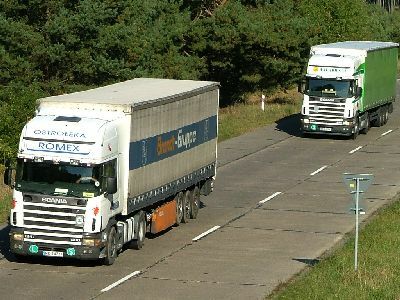
Non-commercial transportation of goods by road, also known as independent transportation, is the transportation of goods by an entrepreneur as ancillary to their primary business activity. Items transported for personal use are owned by the entrepreneur or have been sold, purchased, leased, rented, manufactured, mined, processed, or repaired by the entrepreneur.
149
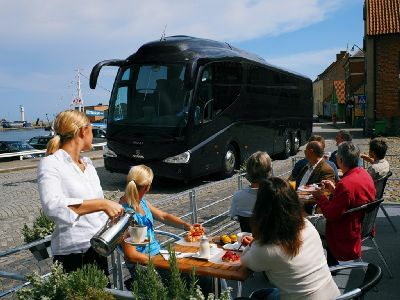
The purpose of travel by personal vehicle is to transport goods or people from or to a business, or to move items within or outside the business for personal use. Vehicles used for transportation must be legally owned by the entrepreneur and driven by the entrepreneur's employees.
150
The transport of people or goods for personal use, carried out within the territory of the Republic of Poland or crossing the borders of our country, is called non-commercial national or international road transport of people or goods and does not require a license; it is necessary to obtain an appropriate certificate to carry it out.
151
In order to engage in domestic road transport and use it profitably, it is necessary to obtain a permit to engage in the profession of carrier, and for international road transport it is necessary to obtain a Community licence.

152
A domestic transport license is required for the carriage of passengers by passenger cars, TAXI and for brokerage services.
153
A certificate of professional competence is a document confirming the qualifications and knowledge required to initiate and conduct business activities in the field of domestic passenger or freight road transport and international passenger and freight road transport. Professional competence certification applies only to individuals managing a transport company.

154
Public transport plays a vital role in the economy of every country, serving the population, satisfying individual transport needs, activating social and cultural life, and supporting the development of tourism.
155
People transport is the movement of people through space using appropriate modes of transport depending on the mode of transport. It is a specific production process that results in the creation of a product—a transportation service—that includes the movement of the transport object—people.
156
Passenger transportation can be viewed as technically and organizationally distinct from other activities and the intentional movement of people. Technical separation means the use of means of production for this purpose, i.e., transport infrastructure and superstructure: highways, railway stations, ports, rolling stock, etc. Organizational separation consists of the creation of a business entity whose purpose is the provision of transportation services for a fee.
157
Passenger transport can be classified vertically (by industry) and horizontally (by mode of transport). Using the availability of transport as the classification criterion, we can distinguish between public transport, business transport (owned by businesses with their own fleets), and individual transport, which meets the transportation needs of a given individual and/or family.

158
Transportation of people can be general or specialized, such as transporting people with disabilities or children.
From an organizational and territorial perspective, urban transport is classified as a transport sector, which is subdivided into automobile transport (buses, trolleybuses), rail transport (commuter rail, metro), trams, and inland navigation (ferries).
159
The need for people to move stems from the fact that human life takes place in space, and therefore from the necessity or necessity of traversing it for various purposes. Passenger transport needs primarily concern trips between residence and work, trips related to trade and consumption, trips for tourism, cultural and educational purposes, and trips driven by the desire to maintain social ties.
160
Transportation preferences can be defined simply as subjective judgments that guide a person's decision when choosing a mode and method of transportation from among objectively equivalent options. Thus, the population's preferences when choosing a mode and method of transportation boil down to prioritizing one over another, based on subjective assessments.
161
Each mode offers different properties, so the choice will be determined by the desire to obtain different utilities.
Rail, water, and air transport are predisposed to serve public transportation. The choice of mode and carrier is always linked to the specific benefits and challenges for the user. It is based on an analysis of the relationship between the value of utility, the various capabilities, and the quality represented by individual modes of transport, taking into account the price of services.
162
Transport enterprise management involves managing the work of human teams and transport assets to achieve established economic goals in the most efficient manner under given conditions, i.e., in accordance with the principle of rational management. This is a process of continuous decision-making, their transfer to contractors, and monitoring and regulation during implementation.

163
Decisions made in the management of a transportation company, like any other, can be divided into:
- operational (these relate to the use of current resources and skills and are relevant to the day-to-day operations of the transportation enterprise);
- strategic (shaping development, changing the direction and scale of the company's resource and skills use, and shaping specific elements of the external environment).
164
Depending on the tools used, competition between passenger transport companies can take the form of price competition, quality competition, customer service competition, and communications competition. Price competition utilizes tools such as pricing for core and ancillary services, promotions, discounts, and payment terms.

165
In high-quality competition, where the most important thing is to provide the passenger with the highest quality service at a price comparable to the competition, such tools as the above-mentioned quality of service, the range of services offered, the introduction of new innovative services, modern technologies used in the process of service production, the distinction of the service in relation to the services of competitors, the ability to adapt services to the needs and preferences of customers and the company brand are used.
166
Competition in customer service involves offering a higher level of service than competitors, and competition utilizes the comprehensiveness of the services provided, the availability of services in the market, the differentiation of service distribution channels, a convenient place to purchase services, and a convenient time to purchase services.
167
Competition through communication leads to the establishment of close relationships with the customer through public relations, advertising, participation in fairs or loyalty programs.

168
The cost of a transportation company can be considered as internal unit and total costs, i.e., all expenses incurred by the company in connection with the provision of transportation services over a given period of time. This cost primarily reflects the consumption of capital goods and the labor costs of employees.
169
Unit costs are the portion of a company's total costs required to complete one production unit. In passenger transport, this cost should be considered primarily in terms of one passenger-kilometer, one passenger carried, one hour of rolling stock, or one vehicle-kilometer.
170
The basic structural system of total costs of own expenses of transport enterprises is the division into types, which allows determining the level of monetary consumption of individual factors of production.

171
This system distinguishes between synthetic elements (the same for enterprises in all sectors of the economy: depreciation, wages, taxes, fees, social security, etc.) and analytical elements (selected taking into account the specifics of the enterprise - for transport enterprises these would be, for example, fuel costs, tire costs).
172
A transport company's costs can also be presented using a costing system, i.e., by determining the unit cost of services rendered, which includes direct and indirect costs. One of the most important aspects of a company's operating expenses is the division into fixed and variable costs.

173
Each transportation industry offers similar services, but they vary significantly in quality and price. The qualitative characteristics of individual branches can influence the extent and strength of substitution between them.
174
Automobile transport is characterized by the best spatial accessibility of all modes of transport, due to the highest density and connectivity of the road network and the greatest range of action, favorable transportation times due to the independence of each transport unit, relatively high operating speed and the ability to transport goods to any destination without carrying out delivery and delivery activities.
175
The disadvantage of this mode of transport is the high cost of transportation, due to the low level of cost reduction. Road transport uses a specialized fleet adapted to transporting cargo with varying transport sensitivity, i.e., the degree of resistance to transport conditions and impacts.
176
There are susceptibilities:
- natural (arising from the resistance of cargo to the conditions and effects of movement, due to the physical and chemical properties of the transported cargo),
- technical (the resistance of loads to the conditions and effects of movement, due to their size, shape, and spatiality),
- economic (expressed by the value of the transported goods).
177
Rail transport boasts high carrying capacity, enabling the bulk transportation of goods over long distances using a relatively extensive rail network well-suited to the location of key supply and sales markets. It offers favorable freight rates for medium- and long-distance bulk shipments due to significantly reduced unit costs.
178
This mode of transport is attractive due to its time-consuming nature (high frequency and regularity of flights) and the low impact of weather conditions on cargo transit time. Its specialized rolling stock allows for the transportation of cargo with varying transport sensitivities. A disadvantage is the relatively low safety of transporting impact-resistant cargo and handling.
179
Sea transport primarily involves long transit times and limited spatial accessibility, low vessel operating speeds, and relatively low frequency and punctuality of sea services. It is also characterized by poor safety of moisture-sensitive goods, long delivery and transhipment times. A disadvantage is the need to use delivery and shipping services, due to the limited spatial accessibility of seaports and dependence on weather and climate conditions.
180
However, this mode of transport allows for the transportation of cargo with a wide range of transportability, bulk cargo, and low unit costs. At the same time, it offers the most competitive prices for intercity shipping among all modes of transport due to significantly reduced unit costs. Therefore, sea transport is the most popular method of international shipping.
181
Inland water transport is characterized by the possibility of carrying out mass transportation of low-value cargo at low transportation rates, which is due to a significant reduction in unit costs when transporting large quantities of cargo over long and medium distances.
182
The low attractiveness of this mode of transport is due to long delivery times, caused by low operating speeds and uneven transportation, often dependent on weather and climate conditions, as well as poor spatial accessibility and the relatively low safety of moisture-sensitive cargo, which is not suitable for long-distance transportation.
183
Air transport is characterized by the ability to transport relatively small consignments of cargo with a certain natural, economic, and technical sensitivity, with the highest operational speed, high reliability, and very high safety of transported cargo, especially sensitive to transit time, moisture, or impact. The disadvantages of this mode of transport include limited spatial accessibility, the need to use delivery and shipping services, and high transport costs.
184
Combined transport is the transport of goods in which a truck, trailer, semi-trailer with or without a tractor, swap body or 20-foot or larger container uses the road on the initial or final section of the journey and on the other section uses rail transport, inland waterway shipping or sea transport where the distance by sea exceeds 100 km in a straight line.
185
The initial or final stage of carriage means carriage: between the place of loading of the goods and the nearest suitable railway station of loading for the initial stage and between the nearest suitable railway station of unloading and the place of unloading of the goods for the final stage or within a radius not exceeding 150 km as the crow flies from the inland or sea port of loading or unloading.
186
Combined transport combines the key advantages of various modes of transport, allowing for lower transportation costs while maintaining the required quality of service. It offers the potential to reduce damage and loss, as well as loading, unloading, and warehousing through the use of pallets and containers, increasing supply flexibility, and improving time and space availability.
187
Combined freight transportation can be carried out using three systems, each with the same principle of transportation, but a more detailed organization. In a bimodal rail-road transport system, transportation consists of transporting suitably adapted semi-trailers on rail bogies by rail or by road using tractor units.
188
In intermodal transport, goods are transported in the same loading unit or vehicle. The transport utilizes two or more modes of transport, without the need for transhipment of the goods themselves. It may be tempting to equate intermodal and combined transport, assuming that the loading unit is transported by rail or sea for the main portion of the route, for example, while delivery or pickup is carried out by road.
189
Multimodal transport is the international carriage of goods using at least two different modes of transport under a multimodal transport agreement. In this type of transport, the shipment is carried out from a location in one country, where the goods are received by the transport operator, to a designated destination in another country. Several subsystems of multimodal transport have been identified.

190
Providing transportation services involves performing transportation tasks, which can be organized in various ways. Depending on the organization method, transportation task models are distinguished.
191
A transport enterprise is a business entity created to meet the transportation needs of other economic entities and the public in accordance with the general principle of economic efficiency. Such an enterprise operates within the transport services market, i.e., a set of interchangeable relationships between sellers, who, by communicating their offer, offer transportation services for sale at a specified price, and buyers, who, by communicating their demand, express their willingness to purchase these services, supported by appropriate means of payment.
192
Production in a transportation enterprise has its own specific characteristics, characterized by intangibility and consumption at the time of production, the feasibility of services, and the impossibility of producing transportation services in a warehouse. The simultaneous use (application) of transportation vehicles and transport infrastructure, as well as the significant diversity of demand for transportation services, mean that demand originates from various sectors of the economy, making it difficult to determine changes in its size and structure.
193
This service-based nature of transport production and the impossibility of production for warehouses entails certain consequences for carriers (the need to have labor reserves for peak transport needs, incomplete use of production forces during off-peak periods, the supply of transport capacity rather than transport services; production, the occurrence of costs for transshipment during peak transport periods).
194
The service nature of transport production is reflected in transport users (the lack of the ability to refuse a service when it is provided, the lack of the ability to replace a service after it has been provided; the occurrence of costs of inadequate quality), as well as in savings (freezing of fixed assets of transport due to the creation of reserves of transport capacity, the lack of the ability to use production potential outside of transport, the burden of external costs).
195
The specifics of the transport production industry determine the volume and structure of the supply of transport services, the associated market supply of transport services and influence the significant differentiation of the organizational forms of transport enterprises.
196
The production results of a transport company depend on the efficient use of its fixed assets, particularly vehicles. The degree to which vehicles are used in the production of transport services depends on their quantitative and qualitative condition, as well as the intensity of their use and technical, technological, and organizational progress.
197
The primary indicator of transport efficiency is the magnitude of the production effect obtained from these costs. Conversely, assessing transport productivity, i.e., production volume, boils down to assessing whether the company has vehicles suitable for the proper performance of a given transport service and whether these vehicles are used rationally and in accordance with their intended use.
198
The production capacity of transport services depends on the technical equipment of labor, which determines the degree of saturation of living labor with embodied labor in the means of labor, in transport, especially in vehicles.
199
The technical equipment of transport operations depends not only on the cost of fixed assets and employment, but also on the daily distribution of employment, i.e., the shift pattern characteristic of transport operations. Improving technical equipment through the use of modern, highly efficient vehicles means a quantitative and qualitative increase in the production of transport services.
200
Transport operations must be subject to continuous analysis and evaluation. For this purpose, vehicle performance indicators are used, such as:
- vehicle utilization rate (the ratio of the number of days a vehicle is in use to the number of days of inventory),
- cargo utilization index (the ratio of cargo weight to the maximum load capacity of the vehicle),
- cargo space utilization rate (the ratio of cargo volume to the volume of the vehicle's cargo space),
201
- mileage utilization rate (the ratio of freight mileage to the total mileage of the vehicle),
- rolling stock technical readiness index (the ratio of the number of inventory days to the number of technical downtime days of the rolling stock),
- vehicle technical speed (the ratio of the distance traveled by the vehicle to the vehicle's running time),
- vehicle operating speed (the ratio of the distance traveled by the vehicle to the vehicle's operating time),
- vehicle operating time utilization rate (the ratio of the vehicle's driving time to the vehicle's operating time),
202
- Average daily driving time (the total driving time in hours divided by the vehicle's operating days),
- Vehicle performance (the ratio of vehicle performance to vehicle operating time),
- Vehicle efficiency (the ratio of vehicle productivity to the number of vehicle kilometers driven),
- Vehicle operating costs (the product of the specific cost per vehicle-kilometer and the number of vehicle-kilometers traveled by the vehicle),
- Vehicle profitability (the product of the profit received from vehicles on a given route and the total sales volume of these vehicles).
203
An important issue in terms of transportation efficiency is the dependence of transportation costs on various factors, such as the cargo's transport sensitivity, since the higher the cargo's transport sensitivity, the lower the transportation costs. On the other hand, the unit cost of transportation, which is the sum of fixed and variable costs per unit of output, tends to decrease per kilometer as the transportation distance increases.
204
Thus, the cost and method of providing transport services are influenced by the distance over which goods must be transported, the type of cargo being transported (which indirectly follows from their transport suitability), as well as the degree of specialization of the vehicles used to transport the cargo.
205
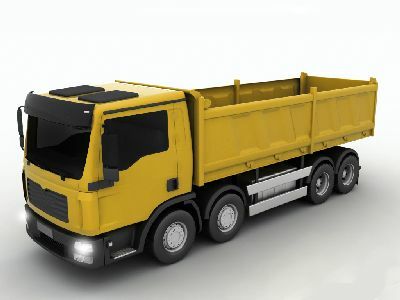
A carrier intending to carry out transport activities specializing in the transportation of specific groups of goods must take into account strict legal requirements.

206
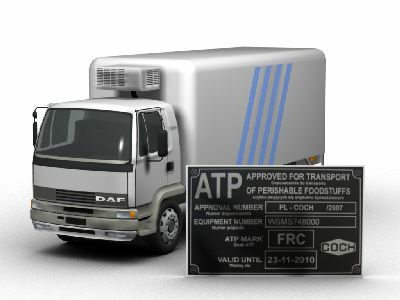
When transporting foodstuffs, the carrier is obligated to make reasonable efforts to ensure that the transported products reach the final recipient in at least an undamaged condition, and therefore such transport must be carried out under strictly controlled conditions. One of the international conventions concerning the transport of foodstuffs is the ATP.
207
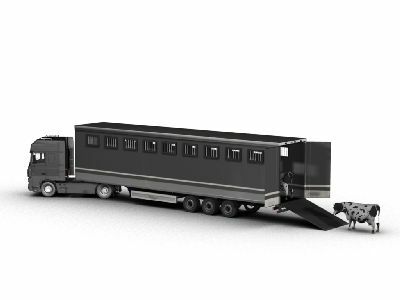
The transport of live animals must be carried out with maximum safety, very strict sanitary conditions and in accordance with the principles of humanism and in accordance with Council Regulation (EC) No 1/2005 of 22 December 2004 on the protection of animals during transport and related activities, which determines the duration of transport of certain species of animals.
208
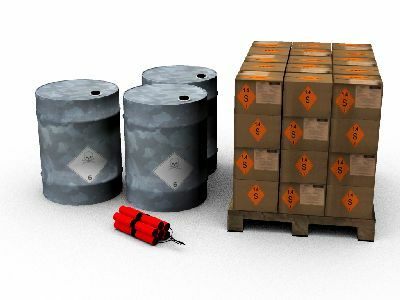
Another specific group of cargoes in freight transport are hazardous materials. Their transportation, like the transportation of food products, is regulated by many legal requirements, such as ADR.
209
The transportation of hazardous waste shall be carried out in accordance with the provisions on the transportation of hazardous materials, and the transportation of waste for which no separate provisions have been established shall be carried out in a manner that ensures safety for the environment and the rational use of the means of transport.
210
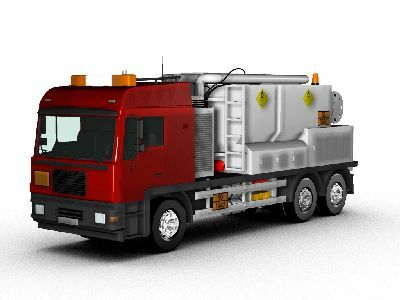
Relatively recently, the automotive industry has embraced the era of fuel-efficient vehicles with cleaner emissions. Automakers are striving to outdo each other in eco-friendly solutions for their vehicles. This state of affairs is primarily due to the depletion of crude oil reserves and the ever-increasing price of this raw material, as well as growing environmental awareness among society.
211
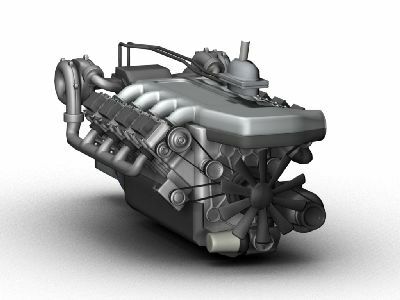
Motor vehicles are the largest source of air pollution, emitting pollutants into the air at an ever-increasing rate. They pose a significant threat to human health and natural resources, as they contain toxic chemical compounds that are not regulated by law, such as 1,3-butadiene, benzene, and numerous dust-related carcinogens. High concentrations of vehicle pollution cause acid rain, which degrades rural areas.
212
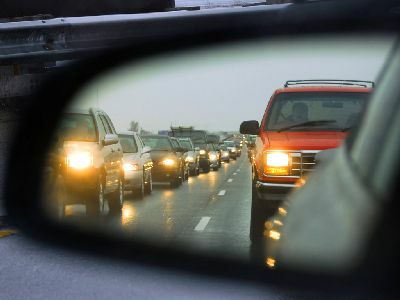
Automobiles account for 20-25% of global CO2 emissions. CO2, along with ozone, CO2, and methane, is one of the main causes of climate change. When accounting for vehicle production, road construction, and maintenance, the share of automobiles in global CO2 emissions rises to 40%.
213
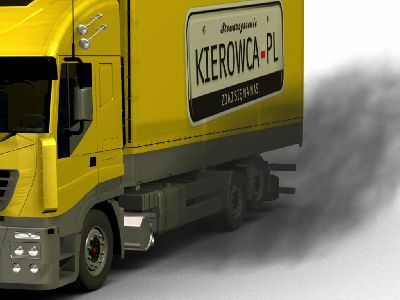
Poor maintenance and improper regulations make maintaining clean air problematic. When driving a vehicle equipped with a catalytic converter, it's important to understand its operation and properties. One of the characteristics of a catalytic converter is the high temperature it reaches during operation, so vehicles equipped with one should not be parked near flammable materials, such as dry grass.
214
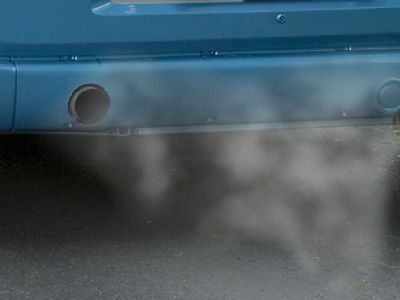
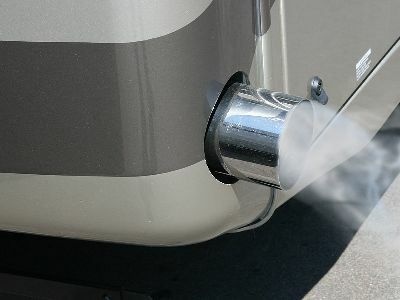
Car exhaust pipes also release other harmful substances into the environment, including:
- soot and the aromatic hydrocarbons it contains,
- asbestos from clutch and brake linings,
- nitrogen oxides (N2O, NO, NO2) (responsible for the formation of so-called photochemical smog over cities on warm days),
- oxides, commonly known as carbon monoxide, i.e., odorless and colorless gases formed during the incomplete combustion of coal and other fuels in internal combustion engines (usually toxic to wildlife, interfering with the transfer of oxygen through the blood),
- aldehydes,
- heavy metals such as lead and cadmium.
215
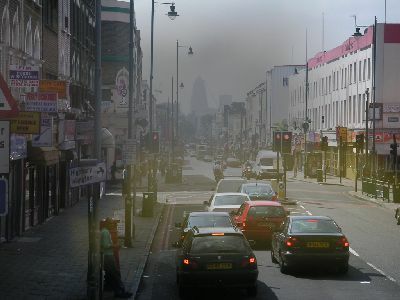
The smog that hangs over urban areas during fog is caused by sulfur compounds in the air. These compounds are extremely toxic to humans, as evidenced by reports of deaths from sulfur poisoning in cities where sulfur smog persisted for four days (London, 1952).
216
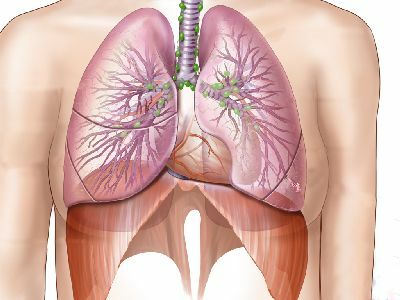
Therefore, exhaust gases are undoubtedly one of the most harmful and detrimental pollutants for humans and the environment. They are a direct byproduct of vehicle use and cause deaths that far exceed those from road accidents and respiratory diseases among adults and children.
217
Another, rather specific, pollutant emitted by cars is airborne sound. The perception of noise—that is, disharmonious, loud, and irritating sounds—is highly subjective. Drivers prefer audible, consistent engine noises, as they indicate that the engine is operating properly.
218
The same noise, multiplied by the number of cars on city streets, can be unpleasant and irritating. However, regardless of each person's subjective sensitivity to sound, noise levels of 40 to 60 decibels or more (equivalent to average traffic) are harmful to health. It can cause ailments such as sleep problems, mental decline, decreased concentration, as well as heart disease and high blood pressure.
219
Increased vehicle traffic also poses a direct threat to animals living in areas near roads and highways. Countless deer, stags, wild boars, hares, hedgehogs, frogs, and many other animals, including domestic animals such as cats and dogs, are killed on roads every day. The threat to these latter groups of animals stems from the fact that these roads pass through populated areas and are inhabited by people.
220
The aforementioned problems arising from the automobile industry's interference with the natural environment have prompted governments in most countries to take measures to prevent further degradation. As a result of many considerations, both political and scientific, the idea of sustainable transportation development was born.

221
Transport will be fully functional for moving people and goods without consuming the materials, energy, and environment that are due to each generation. Achieving this requires prioritizing each mode of transport. Public transport should play a dominant role in long-distance travel and in daily trips along the same routes.
222
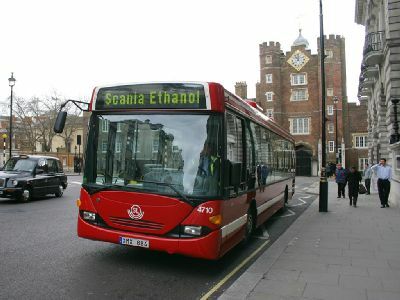
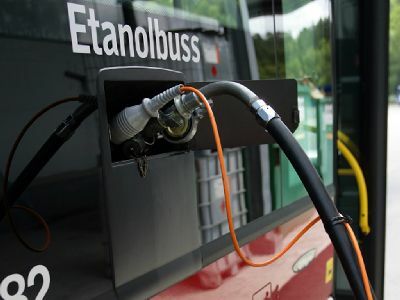
Emphasis was also placed on the development and dissemination of alternative energy sources for vehicles. These schemes have brought into use biofuels such as ethanol, biogas, the most popular LPG, compressed natural gas (CNG), and biodiesel (unfortunately, not widely used due to its still-immature technology).
223
Alternative fuels are currently unable to compete with traditional fuels. Biofuel production remains more expensive than imported crude oil, and this will remain the case until fuel prices reflect the true environmental costs associated, in particular, with restoring the natural environment to a healthy state.
224
Minimizing the harmful impact of exhaust gases on the environment has long been a trend in the global automotive industry. In Europe, this trend is reflected in the adoption of directives introducing increasingly stringent European emissions standards (EURO).
225
The EURO standard originated with the R49 standard, adopted in 1982, which set maximum emissions of carbon monoxide (CO), hydrocarbons (HC), and nitrogen oxides (NOx) at 14, 3.50, and 18 g/kWh, respectively, for diesel engines in municipal vehicles. In 1990, the EURO 0 standard was adopted, but it did not introduce any significant changes. The requirements were slightly increased to 11.20 g/kWh for CO, 2.40 g/kWh for HC, and 14.40 g/kWh for NOx.

226
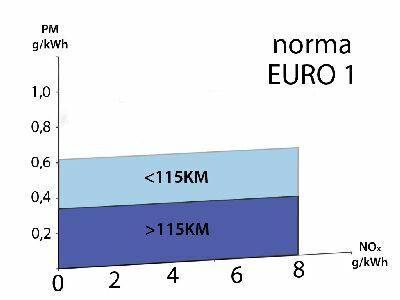
Another regulation, which came into force on 1 July 1992, commonly known as the EURO 1 standard, was more stringent, as the amount of carbon monoxide emitted from the exhaust gases could not exceed 4.50 g/kWh, hydrocarbons – 1.10 g/kWh, and nitrogen oxides 8.00 g/kWh. In addition, a notation was introduced for determining the amount of soot particles (PM), depending on the engine power, the gram per kilowatt-hour was set equal to 0.61 (<85 kW/115 hp) or 0.36 (>85 kW/115 hp). EURO 1 began the current trend towards improving internal combustion engines.
227
The next step was the introduction of the EURO 2 standard, which came into force on October 1, 1996, introducing relatively minor changes compared to its predecessor. On October 1, 2001, the EURO 3 standard was introduced. It introduced higher limits for NOx, defined at 5 g/kWh, and for CO at 2.10 g/kWh. From then on, hydrocarbons, or HCs, could be emitted into the air at 0.66 g/kWh, and particulate matter at only 0.10 g/kWh.
228
The EURO 4 standard came into full force in 2006. Two methods were developed to reduce nitrogen oxide emissions to 3.5 g/kWh. One was selective catalytic reduction (SCR), which requires the addition of additional fuel that comes into contact with the exhaust gas, converting it into water vapor and nitrogen.
229
The second method involved increasing injection pressure and using exhaust gas recirculation (EGR). A reduction in soot content to 0.02 g/kWh was achieved through the use of efficient diesel particulate filters (DPFs). The permissible level of carbon monoxide was set at 1.50 g/kWh, and hydrocarbons at 0.46 g/kWh.
230
The new EURO 5 standard has been in effect since 2009. This standard has not significantly changed compared to EURO 4. Its developers decided to limit only NOx emissions to 2 g/kWh. Solutions such as electronic injection control, boost pressure, and the installation of two-stage turbochargers are no longer sufficient to comply with increasingly stringent regulations, and designers are increasingly considering alternative fuels such as compressed natural gas or ethanol.
231
At the same time, work is underway on an even stricter exhaust emission standard, known as EEV (Enhanced Environmentally Friendly Vehicle). According to the European Parliament, clean vehicles should be promoted using standards that define environmental parameters.

Time to test your knowladge!
The Module 3 test consists of 29 questions. Up to 3 incorrect answers are allowed to pass.