Module 2.1
1
Module 2 - Application of Regulatory Documents
2
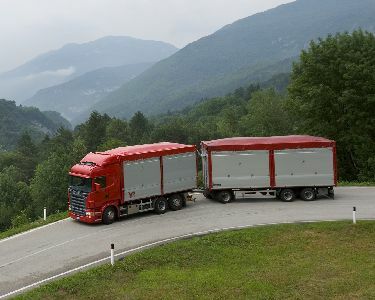
Transportation is a vital sector of the national and global economy, whose purpose is to efficiently transport goods that supply other sectors of economic life across time and space. The movement of goods has a significant impact on economic development, and a fully developed and efficient transportation system makes a significant contribution to national economic growth.
3
The role of transportation in the economy:
- consumption - satisfies the need for movement and travel;
- production - transportation ensures a constant flow of resources, which stimulates the economy;
- integrative - remote corners of the globe or countries are connected through the activities of transportation companies.
4
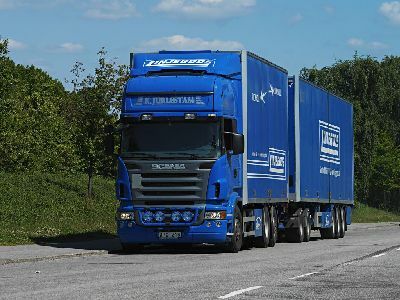
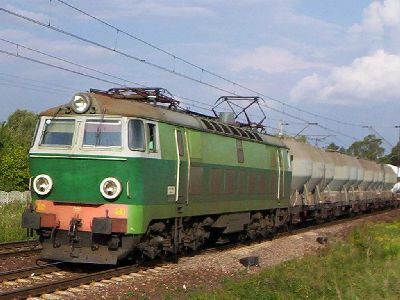
For a long time, Poland's transportation system relied almost exclusively on rail. Road transport developed with the country's recovery after World War II. Currently, we have a well-developed, but still underdeveloped, transportation system, primarily based on road transport. These limitations arise primarily from the lack of optimal road infrastructure to enable rapid travel between Poland's and Europe's economic centers.
5
The most extensive road network is located near the industrial centers of Lower Silesia, Mazovia, and the Gulf of Gdańsk. Along with increasing the share of passenger cars in transport, construction of bypasses around urban agglomerations has begun, with the aim of diverting traffic beyond the city limits. These measures do not yet address the need for high-speed roads connecting the most remote corners of our country.
6
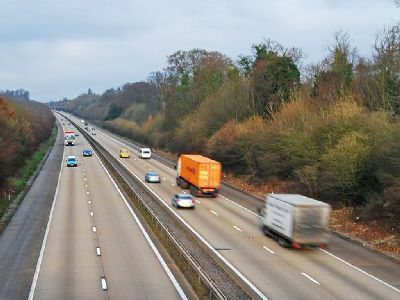
Despite the fact that the road infrastructure differs in quantity and quality from the European standard, the share of road transport in freight transportation is steadily increasing and currently accounts for approximately 83% of land transportation and 38% of transport work performed by transport.
7
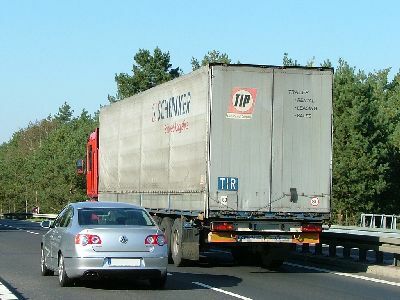
Currently, there are more than 440,000 kilometers of roads at the disposal of motor transport, of which the most numerous are roads with the lowest standards, i.e. municipal roads, and the least numerous are roads with the highest parameters, i.e.
8
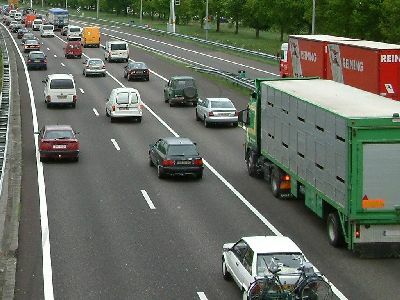
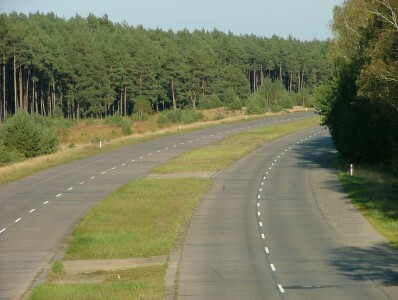
As of the end of 2021, the network of highways and expressways amounted to 4,011 km, including 1,675 km of highways and 2,336 km of expressways.
9
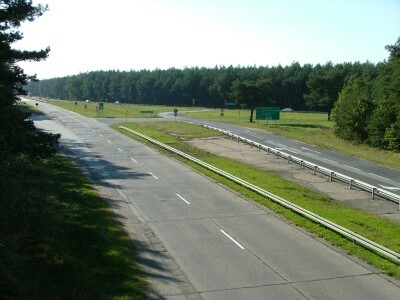
According to the Resolution of the Council of Ministers of 19 May 2016, amending the regulations on the network of motorways and expressways, the target network of motorways and expressways in Poland will be approximately 7,650 km, including approximately 2,000 km of motorways.
10
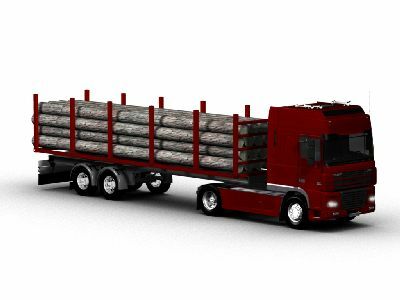
Road transport is involved in the transportation of virtually all resources. It most often predominates in the transportation of general cargo in the wholesale and retail sectors, construction materials, metal products, wood products, and agricultural produce.
11
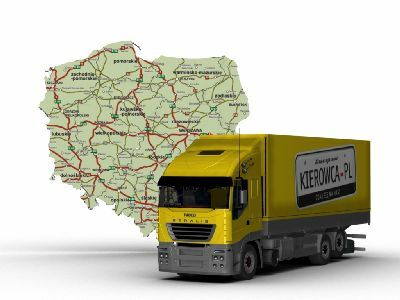
The transportation of goods by road between places of production and consumption causes a constant growth of production and at the same time connects regions and countries into a single economic organism.
12
The functioning of modern society requires professionals who can provide an adequate level of service. This requirement also applies to people who choose to work in road transport. The rise in living standards since 1991 has led to increased demands on transport companies.

13
The market economy and competition among companies in both domestic and international markets require high-quality services at a reasonable price for the client. A carrier cannot afford to take actions that could damage its image as a reliable business partner, as time and trust are invaluable in today's reality. The carrier is responsible for the timely delivery of resources, in undamaged condition, to the customer's specified location. No one today will use the services of a company with a bad reputation. On the contrary, any costs associated with using a service increase expectations for the highest level of service. Each time, the client will seek a good, or at least high-quality, product or service.

14
This responsibility also falls on those involved in the transport process. Whether they are entrepreneurs, freight forwarders, drivers, or even shippers, these individuals must have a thorough understanding of transport issues to ensure the highest quality of service.

15
A prerequisite for fulfilling the customer's requirements is compliance with the legal requirements imposed on the carrier. Failure to comply with transportation regulations entails serious legal and financial penalties. On the other hand, a customer whose order was not fulfilled in accordance with the contract typically defends their claims through all legal means.

16
Only a conscientious entrepreneur, operating in accordance with current legislation, has a chance of running a well-functioning company. How the company's operations are organized depends primarily on them.

17
However, it's important to remember that the driver is also part of the company. Just a few years ago, drivers were typically men seeking a better career in the field than manual labor. It wasn't uncommon for a young man to obtain a driver's license "by order of a superior" while serving in the army and, after completing his service, begin working as a truck driver.

18
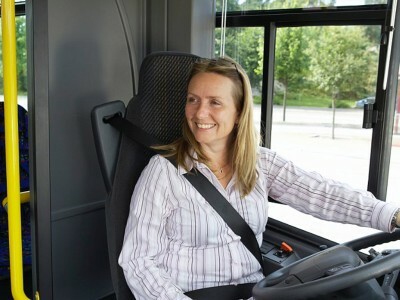
Today, the driving profession is no longer reserved for men. It's encouraging to note that the number of women obtaining Category C and D driver's licenses is growing. They are making exceptional efforts to maintain the same knowledge and skills as their colleagues in this profession. The psychological profile of women suggests that, despite their experience, it will soon be men who will be forced to improve their driving skills.
19
Transport procedures have undergone constant changes over the 50 years of their existence. The most significant of these concerned the General Plan, which discussed the liberalization of transport. On the other hand, the provisions of the White Paper aimed to ensure the competitiveness of carriers. The White Paper outlined the state of the art in drafting and aligning Polish legislation with European Union standards, including those related to transport.

20
The need for a common transport policy arose during the initial negotiations on European integration. Upon joining the European Union, Poland gained the ability to operate road transport within its territory. However, this opportunity was not realized without the requirements that had to be incorporated into Polish legislation. Many regulations have yet to be developed.

21
Until 2002, Poland had regulations governing international passenger and freight transport, as well as domestic passenger transport, with the exception of domestic freight transport. Only the Road Transport Act, which came into force on January 1, 2002, regulated all modes of transport.

22
The Law on Road Transport establishes rules for the conduct and implementation of:
- domestic road transport;
- international road transport;
- non-commercial domestic road transport;
- non-commercial international road transport.

23
In addition, the Law defines:
1) the principles of operation of the road transport inspectorate;
2) liability for violation of obligations or conditions of road transport:
a) entities engaged in road transport or other activities related to such transport,
b) drivers,
c) transport managers,
d) other persons engaged in activities related to road transport.

24
In accordance with Article 4 (22) of the Road Transport Act, the term “obligations or conditions of road transport” is defined as obligations or conditions arising from the provisions of the Act and the listed regulations and laws, as well as international agreements binding on the Republic of Poland in the field of road transport.

25
Violation of any of the above legal acts entails legal liability (fines, administrative decisions) in the amount specified in the appendices to the act.

26
In accordance with Article 87 of the Law on Motor Transport, when carrying out motor transport, the driver of a motor vehicle is obliged to have with him and present, upon request of the authorized inspection body, the documents specified depending on the type of transport.
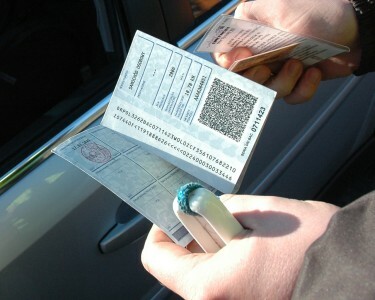
27
The documents required for the inspection include:
- a driver card, recordings from a recording device that automatically determines speed, driving and parking time, mandatory breaks and rest periods, as well as the certificate specified in Article 2.31 of the Law of 16 April 2004 on Drivers' Working Hours.

28
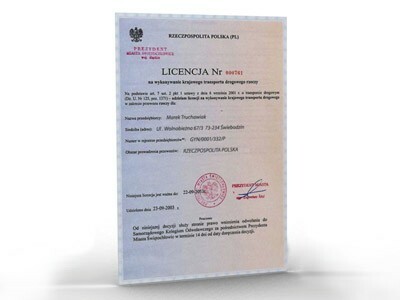
- in the case of motor transport - an extract from the permit for the operation of a motor transport operator or an extract from the license;
29
- in the case of automobile passenger transport:
a) when performing regular and special regular transportation - the relevant permit or an extract from the permit together with the current schedule,
30
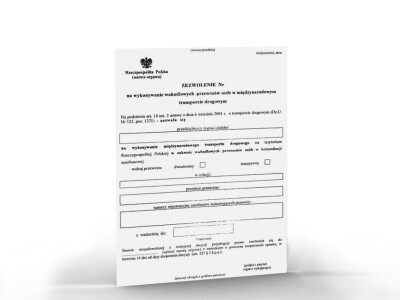
- in the case of automobile passenger transportation: b) when performing international shuttle or one-time transportation - the appropriate permit or driver's form,
31
- for automobile transportation of passengers: c) when performing international transportation for personal needs - a driver's uniform,

32
- in the case of automobile transportation of passengers: d) the original or a photocopy of the decision to deviate from the conditions specified in the permit, certified by the entrepreneur as being true to the original, if the circumstances preventing the performance of transportation last more than 14 days,

33
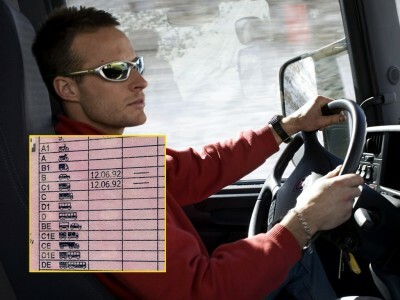
- in the case of automobile passenger transport: d) documents required for public collective transport,
34
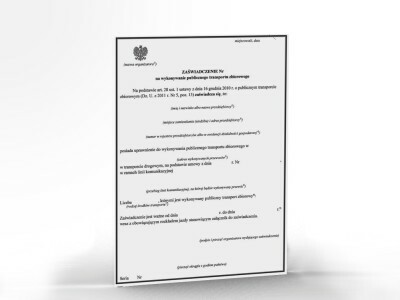
- When transporting goods by road, the driver is required to present documents related to the goods being transported, as well as:
a) the appropriate permit required for international road transport,

35
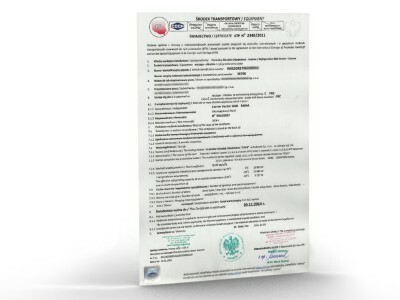
b) the certificate required under the Agreement concerning the International Carriage of Perishable Foodstuffs and Special Vehicles Intended for Such Carriage (ATP), done at Geneva on 1 September 1970,
36
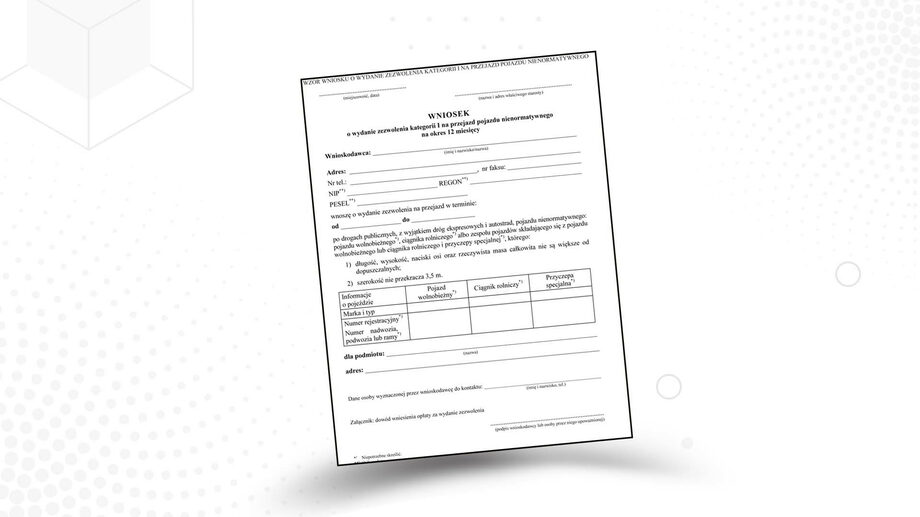
c) permission to drive a vehicle, with or without cargo, with a mass, axle load or dimensions exceeding the values specified in separate regulations,
37
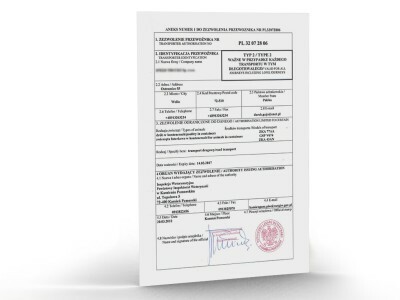
d) documents required for the transportation of animals,
38
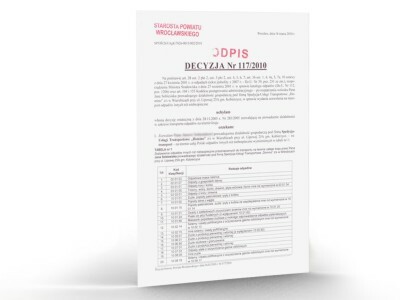
e) documents required for the transport of waste, including for the person transporting the waste, confirmation of the presence of a registration number issued by the competent authority specified in the Act of 14 December 2012 on waste, provided that entry in the register is mandatory,
39
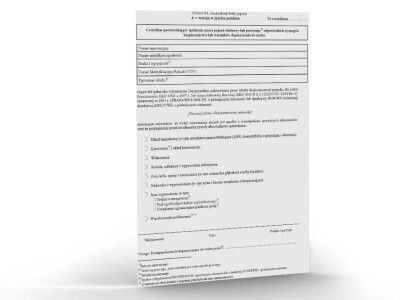
e) a certificate confirming the vehicle's compliance with the relevant safety requirements or conditions of roadworthiness, if required,
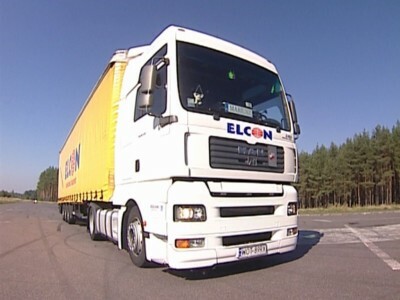
40
g) documents related to the transboundary movement of genetically modified organisms,

41
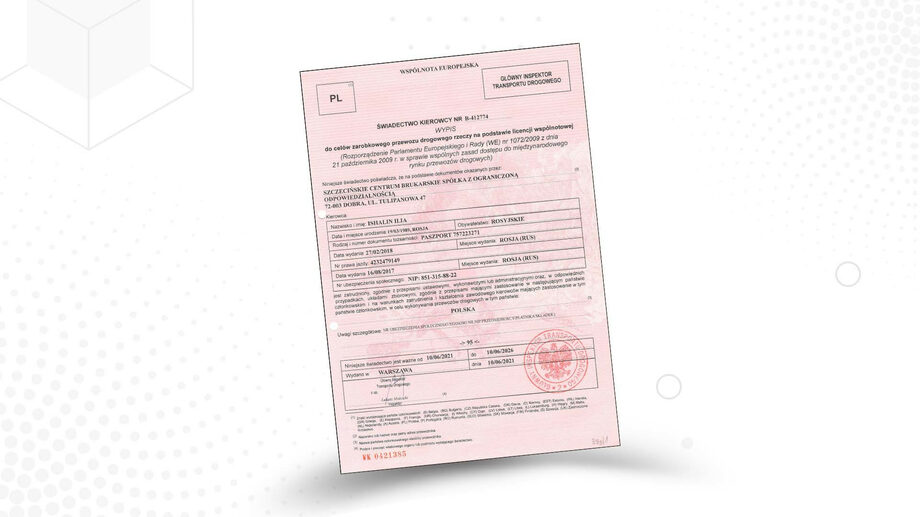
- for international road transport - a driver's license, if required,
42
- an electronic toll collection device in the form of an on-board unit, a toll collection system or a telephone application when driving on roads or sections of toll roads,

43
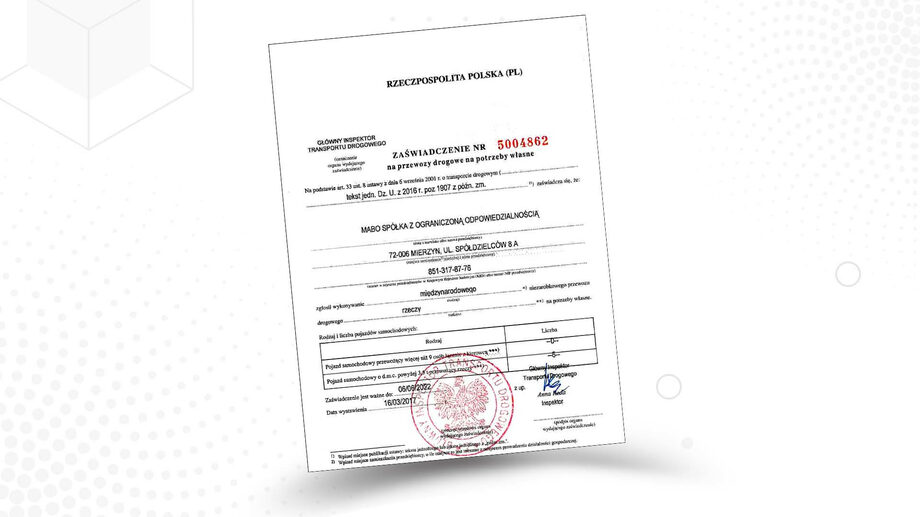
When carrying out automobile transportation for personal needs, the inspected person is obliged to have with him and present, at the request of the authorized inspection body, in addition to the relevant documents required for such transportation, specified above, an extract from the transport certificate for himself,
44
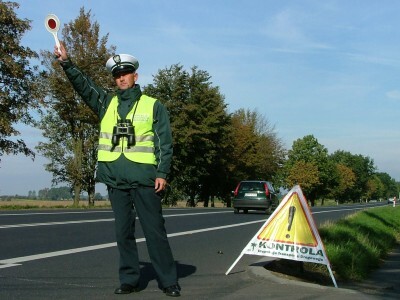
The following persons have the right to control the said documents and the conditions specified therein:
1) police officers;
2) inspectors of the Road Transport Inspectorate;
3) officials of the National Tax Administration;
4) officers of the Border Guard Service.
45
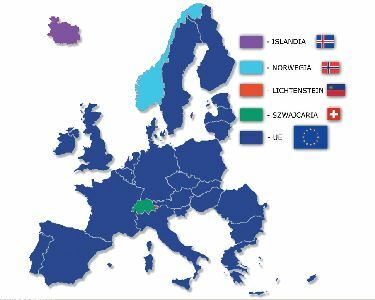
In addition, authorized employees of public road authorities - with the exception of licenses and permits for regular passenger transportation,
6) inspectors of the National Labor Inspectorate - according to data recorded by the tachograph;
7) authorized employees of the competent authority for issuing permits for regular and special regular transportation in relation to these services,

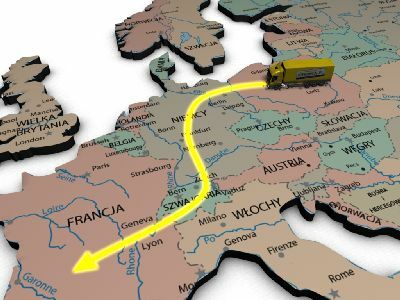
46
Another subject is municipal security - in relation to public collective transport within the limits defined by the Law of 16 December 2010 on public collective transport.

47
Authorized employees managing public roads, the National Labor Inspectorate, and the authority competent to issue permits for regular and special regular transport services, do not have the right to monitor the data recorded by the tachograph or the certificate specified in Article 2.31 of the Act of 16 April 2004 on drivers' working hours.

48
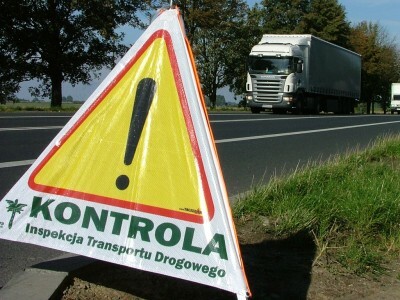
Roadside checks are conducted at the appropriate location and time to make it difficult for drivers to bypass checkpoints, and without discrimination based on:
1) vehicle registration country;
2) driver's country of residence;
3) business location;
4) start and end points of the trip;
5) tachograph type: analog or digital.
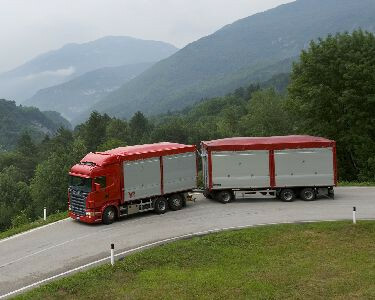
49
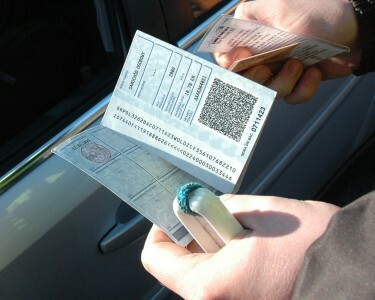
Amendments to the Road Traffic Law have eliminated the requirement to carry a document permitting the use of a vehicle in domestic traffic. However, it is recommended to carry a registration certificate.
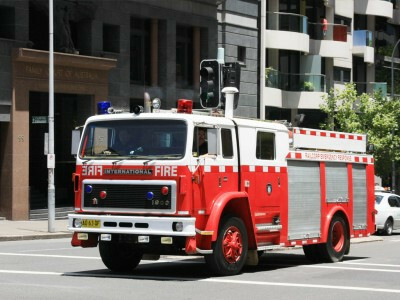
50
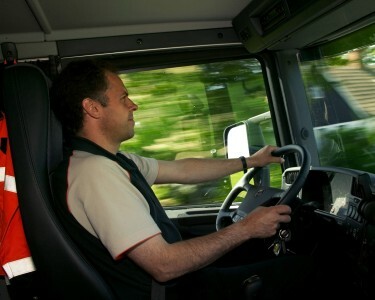
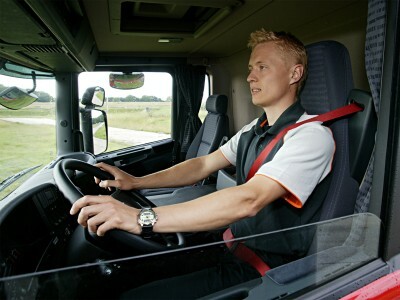
In accordance with the provisions of the Road Transport Act, a person may engage in the profession of a driver if:
- he has reached the appropriate age:
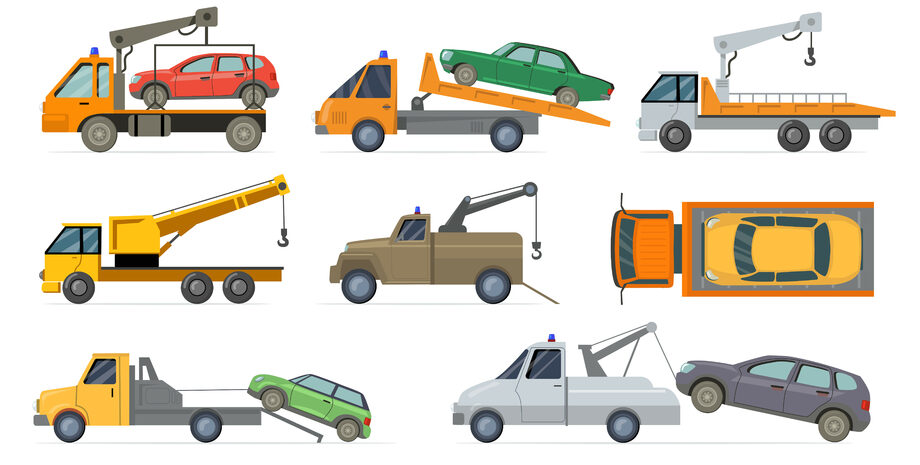
a) 18 years of age - for a driver operating a motor vehicle for which a driving licence of the following categories is required:
- C or C+E, provided that he has obtained the appropriate initial qualification,
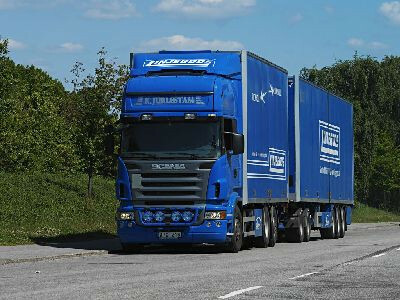
- C1 or C1+E, provided that he has obtained the appropriate accelerated initial qualification,
51
b) 21 years of age - for a driver operating a motor vehicle for which a driving licence of the following categories is required:
- C or C+E, provided that he/she has obtained the relevant accelerated initial qualification,
- D or D+E, provided that he/she has obtained the relevant initial qualification, provided that transportation is carried out on regular lines whose route does not exceed 50 km and if the driver has obtained the relevant initial qualification, accelerated or D1 or D1 + E
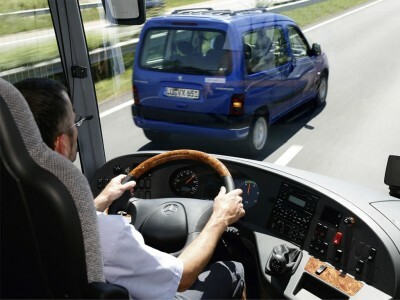
52
c) 23 years of age - in the case of a driver operating a motor vehicle for which a category D or D+E driving licence is required, provided that he has obtained the relevant accelerated initial qualification;
53
In addition, an entrepreneur or other person engaged in road transport may hire a driver if that person:
- has the appropriate permit to drive a vehicle, as specified in the Law of 5 January 2011 on Drivers of Vehicles;

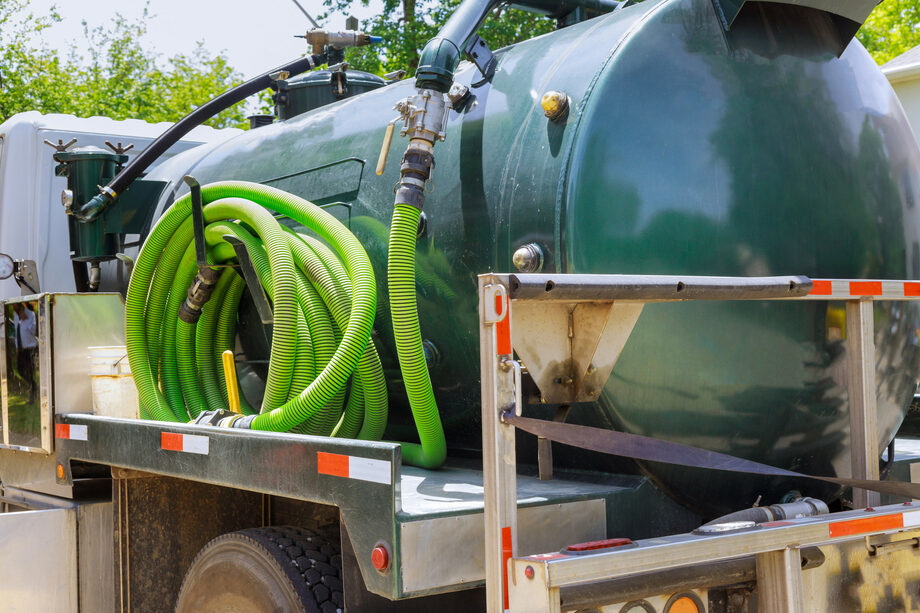
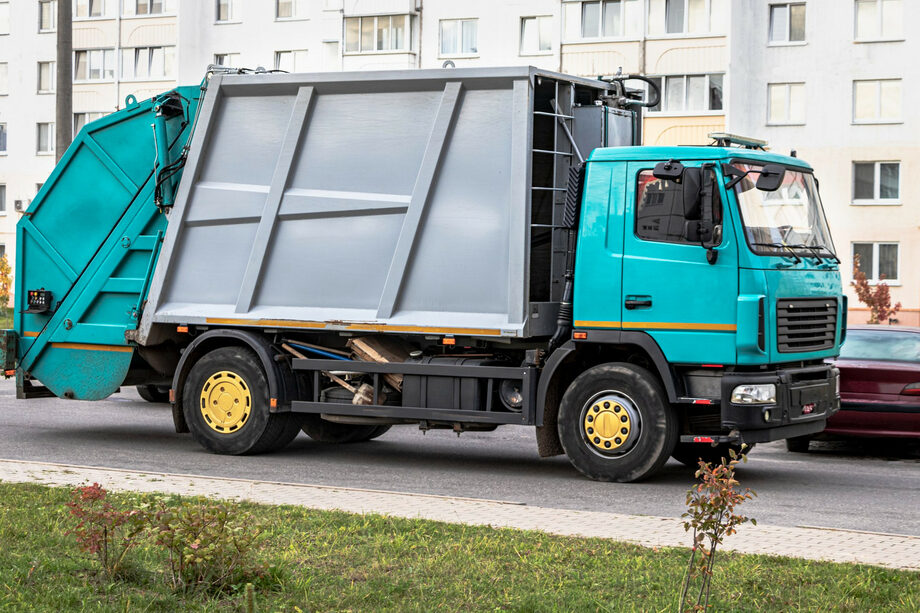
54
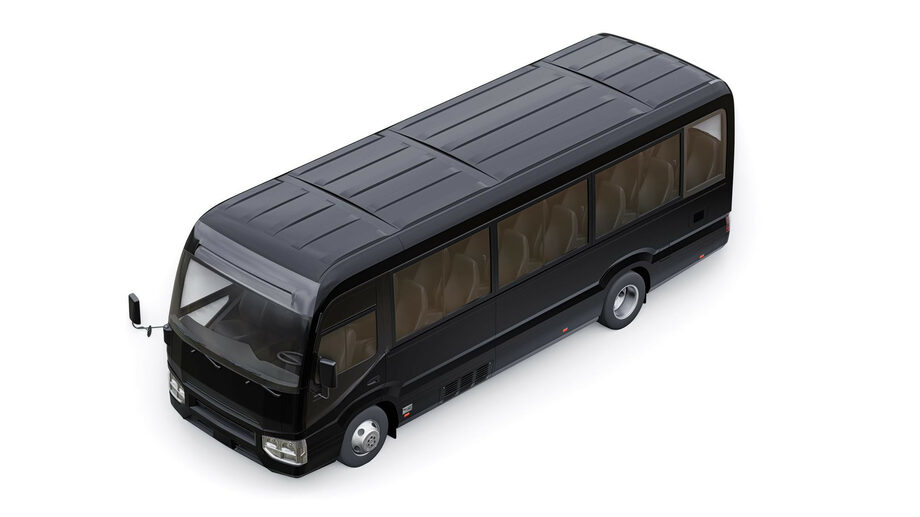
- there are no health contraindications for working as a driver;

55
- there are no psychological contraindications to working as a driver;

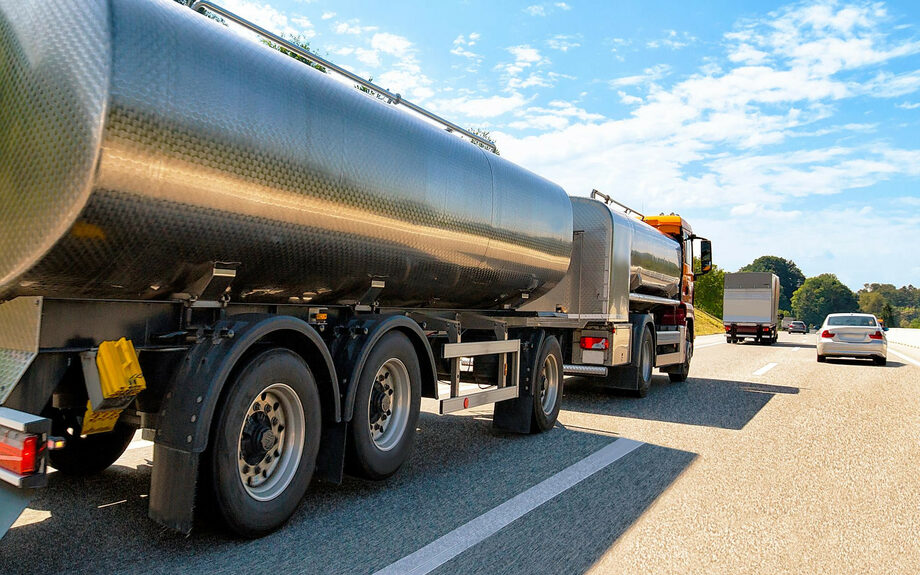
56
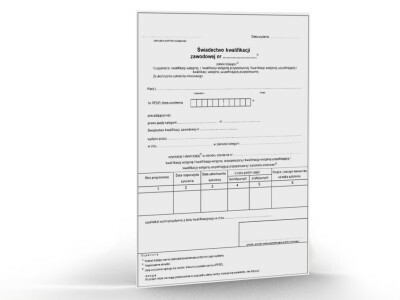
- received an initial qualification or an accelerated initial qualification, (- uzyskała kwalifikację wstępną - short course, lub kwalifikację wstępną przyspieszoną - long course,)
57
- completed periodic training.

58
The requirement to have a medical and psychological certificate, as well as to have completed the relevant training (qualification, periodic training) does not apply to the driver of a vehicle:
59
- whose design limits the speed to 45 km/h;

60
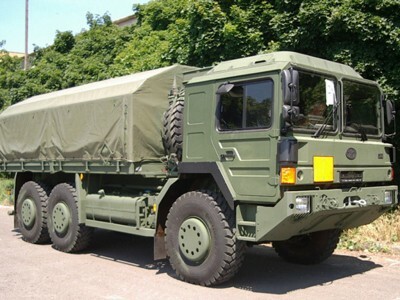
- is used by the armed forces or is at their disposal when the transport is carried out in connection with the tasks assigned to the armed forces
61
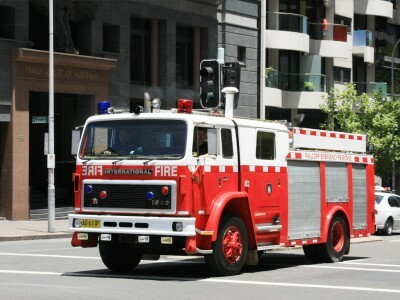
- is used by civil defense units, fire departments or units responsible for ensuring public safety or order, or is at their disposal when carrying out transportation in connection with the tasks assigned to these services
62
- passing road tests for technical developments by manufacturers, research institutes, universities or the Łukasiewicz Research Network, as well as road tests for repair or maintenance purposes, or a new or repaired vehicle that has not yet been put into service

63
- for driving requiring a category D or D1 licence and which is carried out without passengers by service personnel to or from a service centre located near the nearest operating base used by the carrier, provided that the driving is not the principal driver. Occupation
64
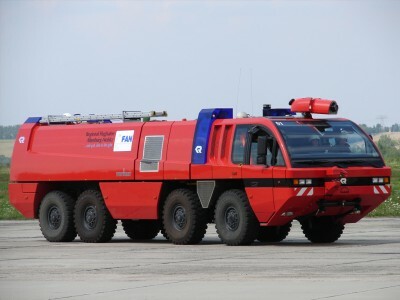
- used in emergency situations or intended for emergency rescue operations, including a vehicle intended for non-commercial transportation of humanitarian aid by road
65
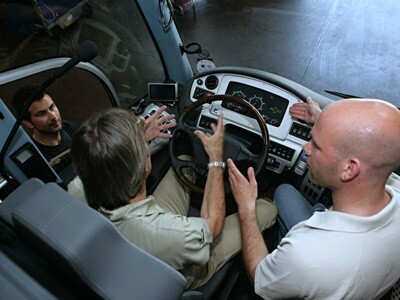
used for: a) studying the movements of persons applying for a driving licence or a certificate of professional qualification, b) training persons holding a driving licence, c) conducting a state examination for persons applying for the right to drive, d) additional practical driving training at the workplace, if such persons are accompanied by another person holding a certificate of professional qualification or a driving instructor for the relevant category of vehicle used for training - provided that the vehicle is not in this mode used for the commercial transport of persons or things
66
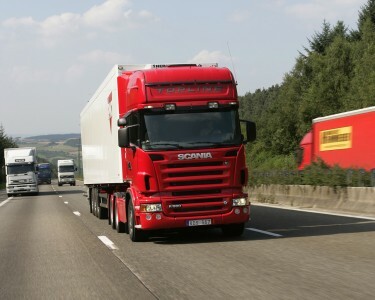
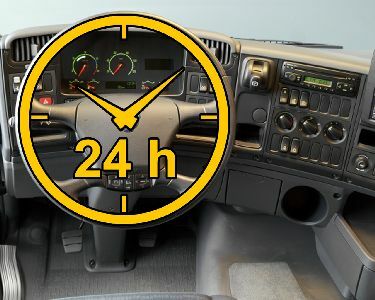
used to transport people or things
67
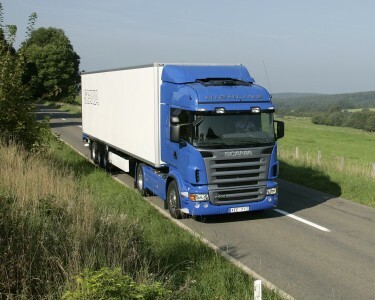
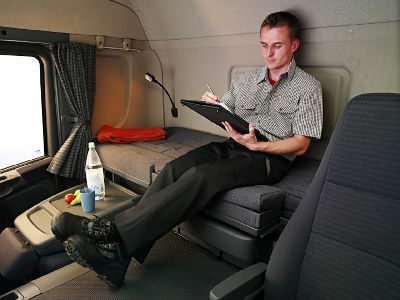
used to transport materials, equipment or machinery necessary for the driver to carry out his work - provided that driving is not the driver's main occupation
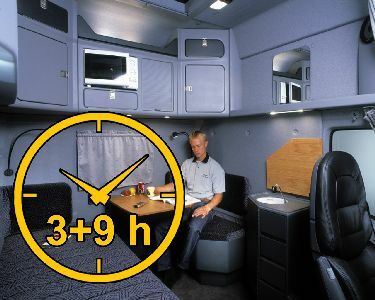
68
used in rural areas as part of a driver's own business, which does not offer transport services, and the transportation is sporadic and does not affect road safety

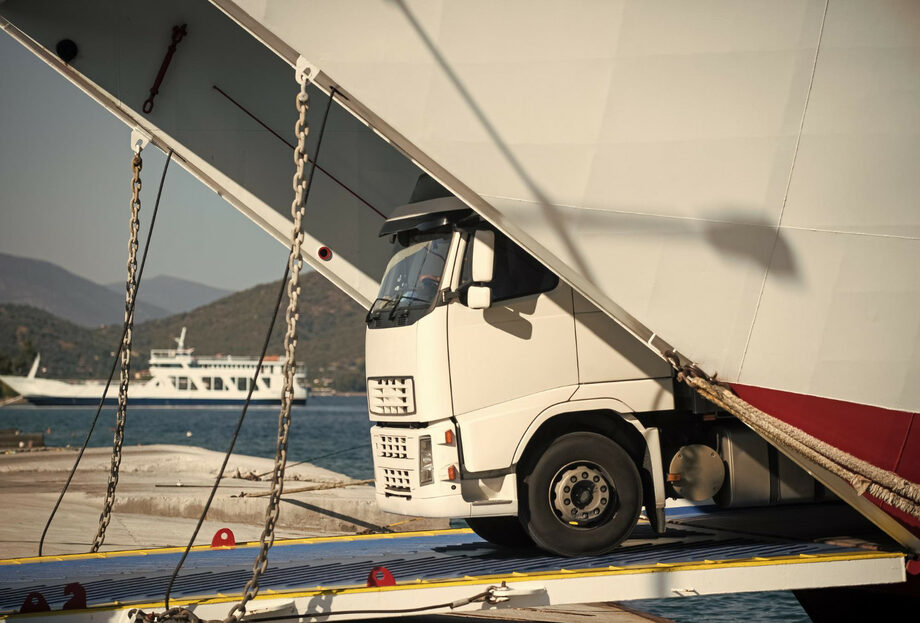
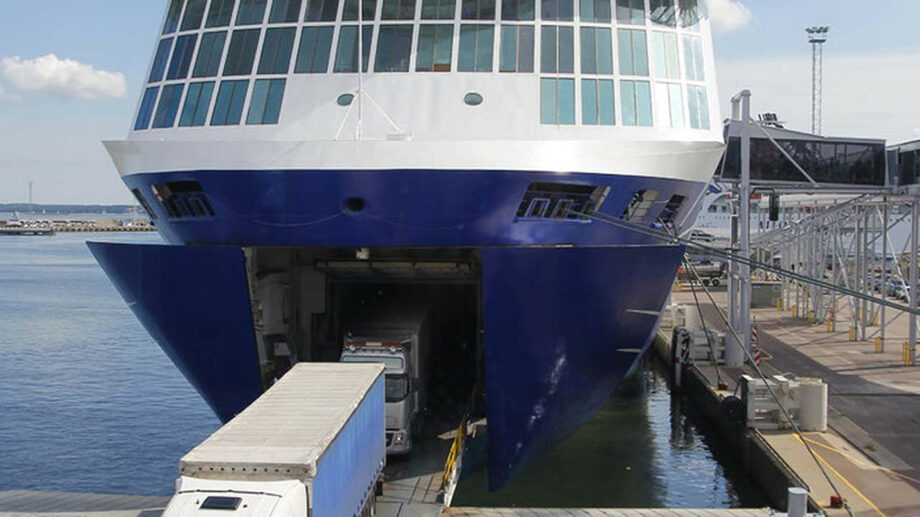
69
which is used or rented without a driver, agricultural, gardening, forestry, farmstead or fishing enterprises for the transportation of goods within the framework of their own business, it appears that driving a car is part of the driver's main occupation or driving a vehicle exceeds a distance of 100 km from the company office or farm

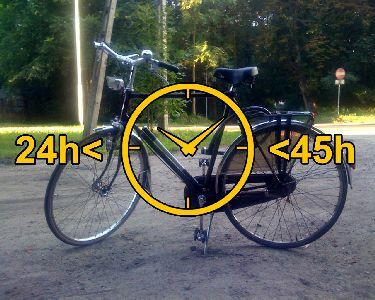
70
The requirements for age and for completed qualification training or recurrent training do not apply if the driver is carrying out transport in a vehicle that requires categories AM, A1, A2, A, B1, B or B+E.

71
A person may participate in the qualification process:
1) who:
a) resides in the territory of the Republic of Poland for at least 185 days a year due to personal or professional connections, or
b) studies for at least six months and provides a certificate confirming this fact, or

72
2) who is not a citizen of a Member State of the European Union and intends to carry out transport for the benefit of an entity located on the territory of the Republic of Poland;
73
3) who has no medical or psychological contraindications to performing work as a driver.

74
Drivers must obtain qualifications appropriate to the vehicle they intend to use for road transport, within the following software modules defined by their driver's license category:
1) C1, C1+E, C, and C+E;
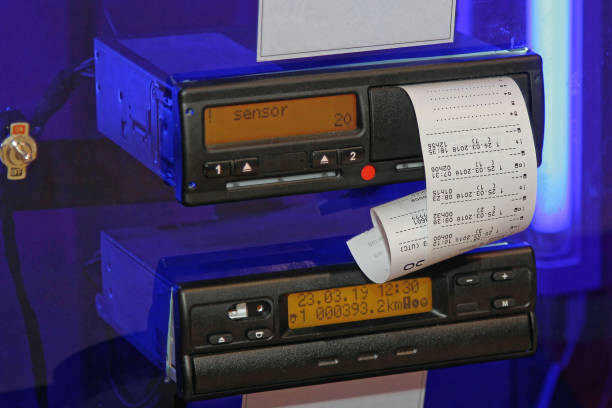
2) D1, D1+E, D, and D+E.
75
The qualification includes theoretical and practical classes and qualification tests.

76
Classes are conducted in the following formats:
1) school classes for students—at school, if the curriculum includes obtaining a driver's qualification for operating motor vehicles, or
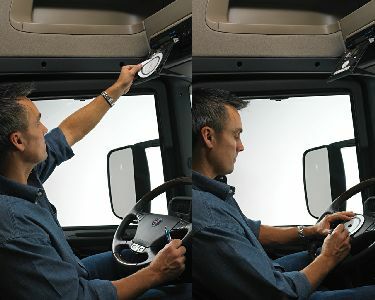
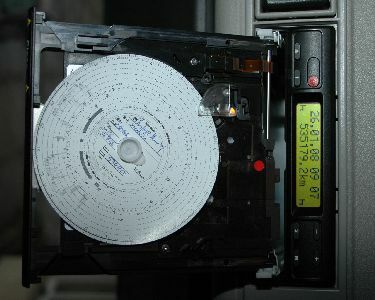
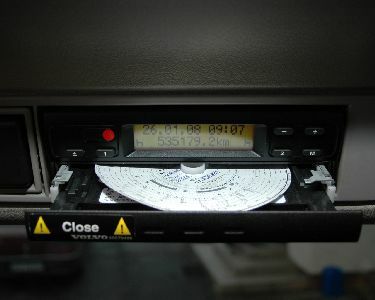
2) a qualification course—at a training center.
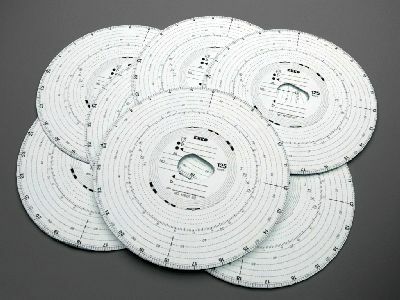
77
Theoretical and practical training within the qualification includes:
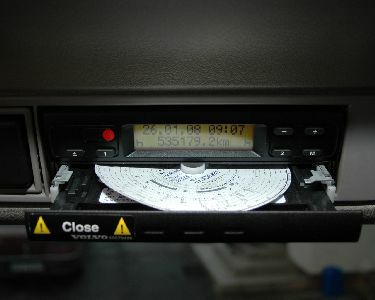
- professional education in the field of rational vehicle control, taking into account safety regulations, including: knowledge of the technical characteristics and operating principles of vehicle safety elements, the ability to ensure passenger safety, and the ability to optimize fuel consumption.

78
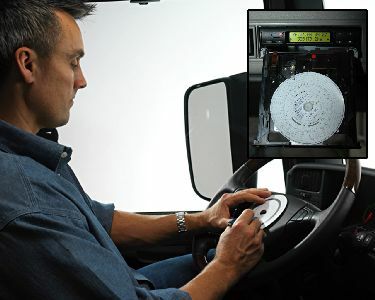
- professional training in the skills of applying traffic rules;

79
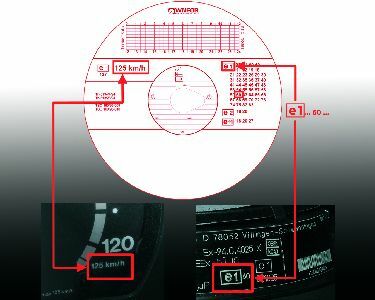
- professional education regarding the risks associated with the profession, including road safety and environmental safety;

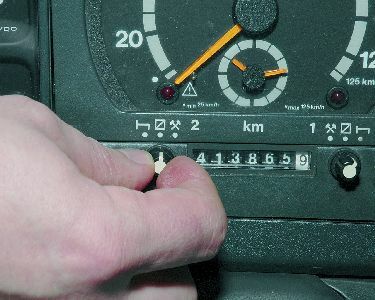
80
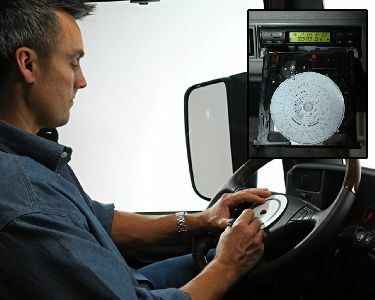
Professional education in the field of service and logistics, including the formation of a company image and knowledge of the market in the field of road transport and its organization.

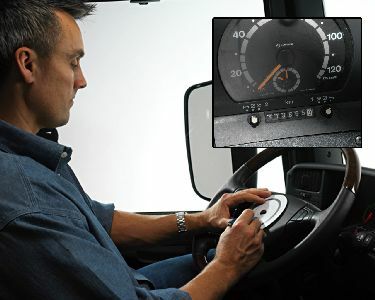
81
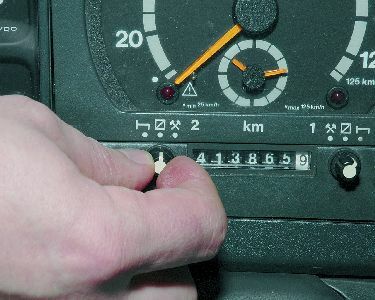
Depending on when a driver received their driver's license, they must complete a preliminary qualification, which consists of 280 hours of instruction. This course includes 195 hours of theoretical instruction in the main part.
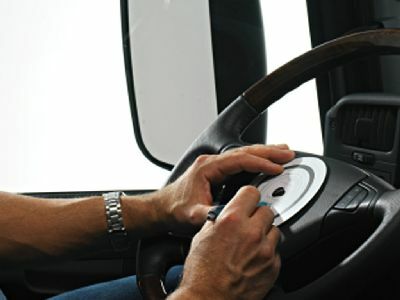
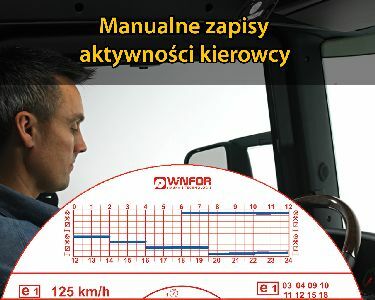
The specialized part consists of 65 hours of theoretical instruction and 16 hours of road driving practice. The course concludes with a 20-question exam. The allotted time for completing the exam is 30 minutes.

82
A driver who already has a preliminary qualification in the area of the software block provided for a specific category of driving license, wishing to carry out transportation by other vehicles than those for which a driving license corresponding to the range is not required, must obtain a preliminary qualification supplemented or complementary accelerated (depending on the century completed)

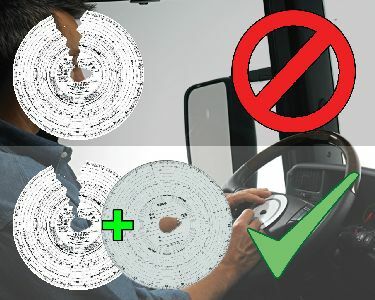
83
Pre-qualification training includes 70 hours of instruction.
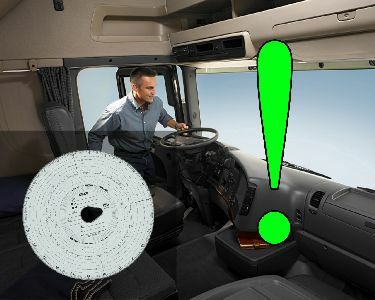
The scope of instruction for pre-qualification training is:
* 65 hours of theoretical instruction,
• 5 hours of practical training in road traffic.

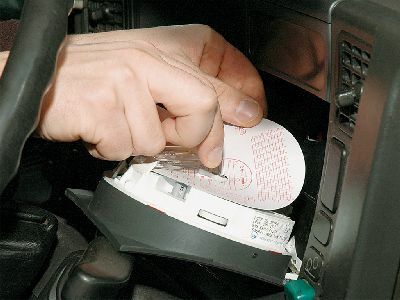
84
The director of the regional traffic center, or an employee of the regional traffic center authorized by him, or the director of the district examination commission, as a rule, provides the person who has passed the test with a positive result, with a certificate of professional qualification confirming the receipt of the relevant qualification.

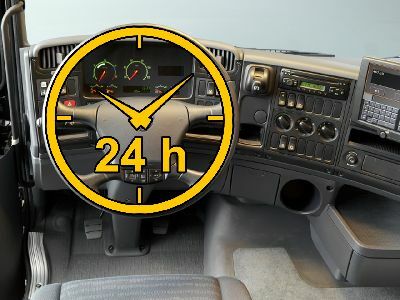
85
A person who receives a negative result in the qualification examination may achieve the skills for subsequent qualification tests: 1) in the same training center in which he/she completed training in the initial qualification, preliminary qualification, complementary qualification, accelerated preliminary qualification or preliminary accelerated complementary, or 2) in a training center appointed by the voivode

86
A test result is considered positive if the applicant provides at least:
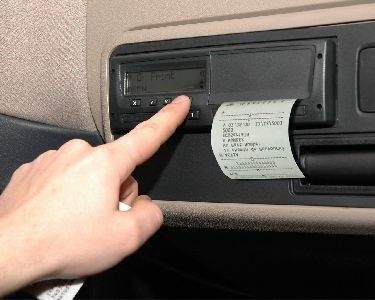
1) 16 correct answers (out of 20) to the questions in the main test and
2) 5 correct answers (out of 10) to the questions in the specialized test. Both qualifying tests last 45 minutes.

87
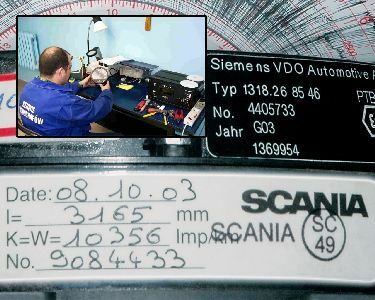
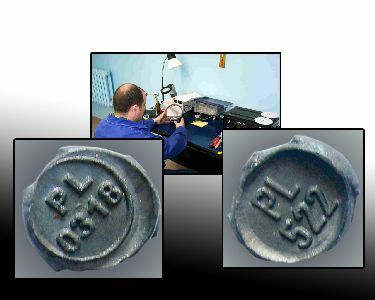
A person may join periodic training if they are in the territory of the Republic of Poland:
a) reside for at least 185 days a year due to personal or professional connections, or
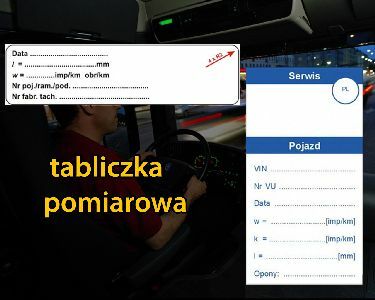
b) study for at least six months and provide a certificate confirming this fact;

88
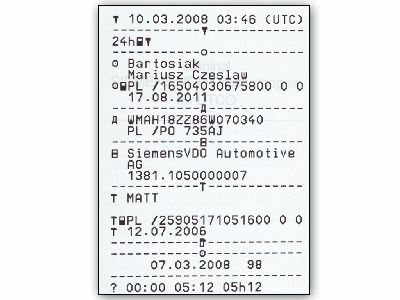
In addition, a person carrying out road transport for an entity located on the territory of the Republic of Poland may join the periodic training.
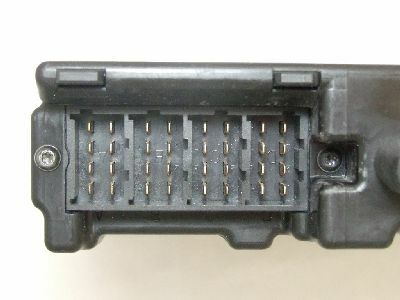
89
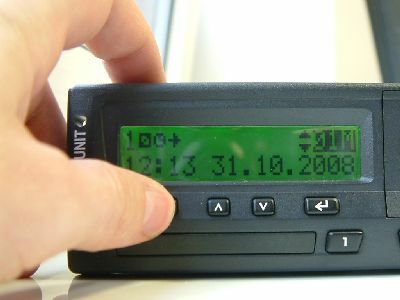
The driver is obliged, once every five years, starting from the date of receipt of the certificate of professional qualification certifying the acquisition of the qualification, to undergo periodic training in accordance with the vehicle on which the road transportation is carried out.

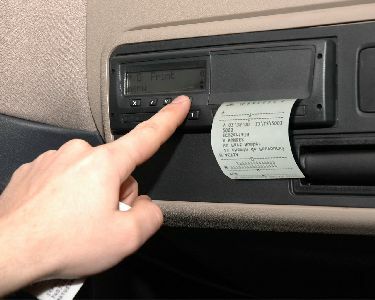
90
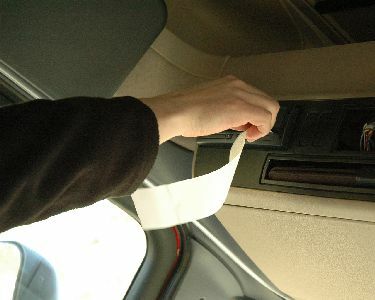
A driver may undergo periodic training either in the form of a periodic course or in a cycle of classes distributed over a five-year period that includes the periodic course program.
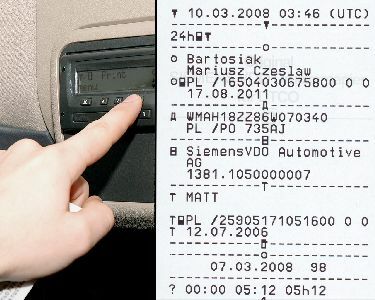
91
Periodic training is conducted at the training center using program modules determined by driver's license category:
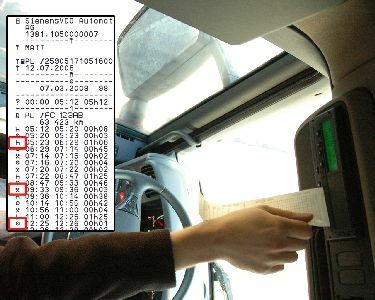
1) C1, C1+E, C, and C+E;
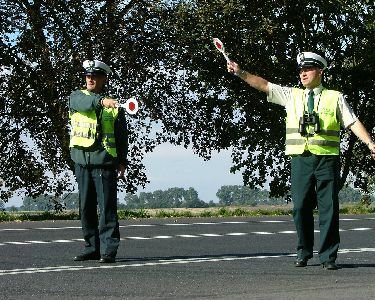
2) D1, D1+E, D, and D+E.
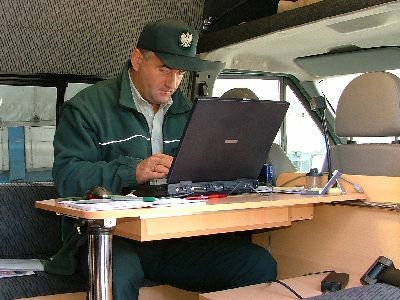
92
Periodic training includes 35 hours of theoretical classes.

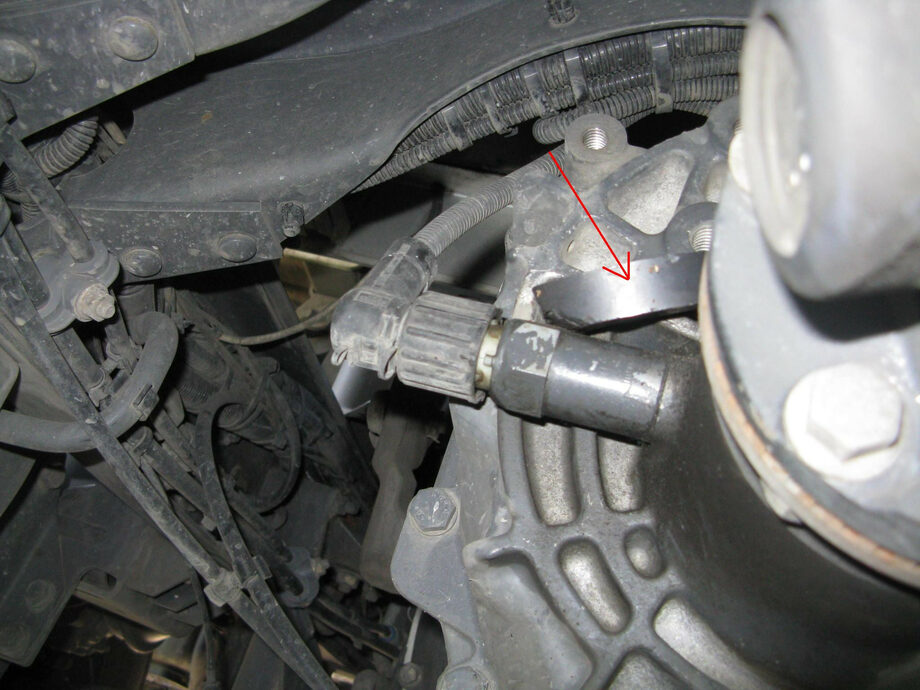
93
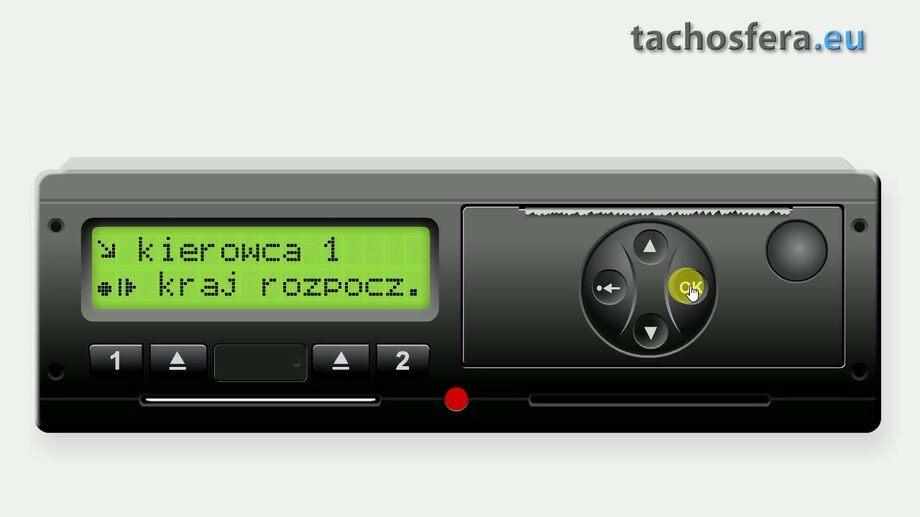
Periodic training must include a module related to road safety and a module containing practical exercises.

94
Periodic training in the form of a cycle of classes includes 35 hours of classes and is implemented over 5 years, with at least one module of periodic training at a time.

95
All professional drivers are currently required to have a driver's license entry with the code "95"
96
In addition to the requirement for mandatory driver training, those performing road transport are subject to a medical and psychological examination to determine the presence or absence of medical and psychological contraindications to performing the job of driver.

97
Both medical and psychological examinations are conducted:
1) every 5 years until the driver reaches 60 years of age,
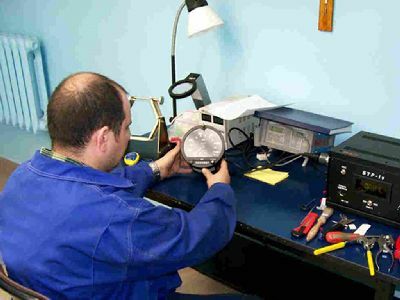
2) every 30 months after the driver reaches 60 years of age.

98
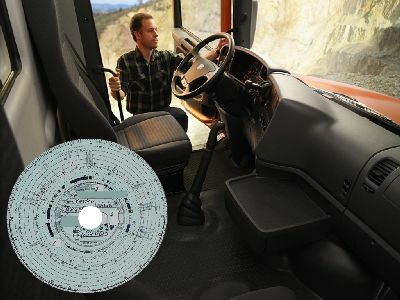
The requirements mentioned above in the area of research and training shall apply accordingly to the entrepreneur or other person personally carrying out road transport.

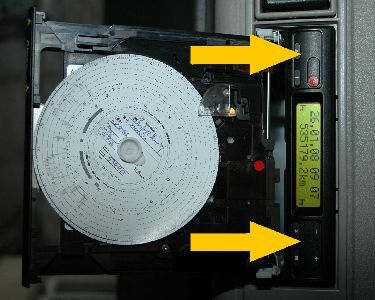
99
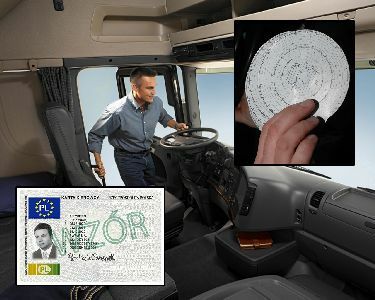
In the area of fulfilling the specified duties by drivers, the entrepreneur or other person carrying out road transportation is obligated to:
- send drivers for:
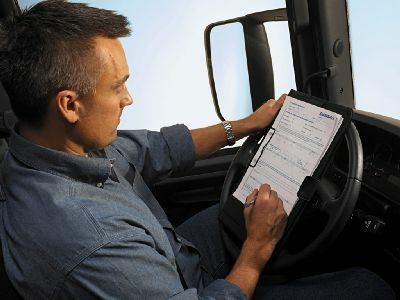
a) periodic training,
b) medical and psychological examination;

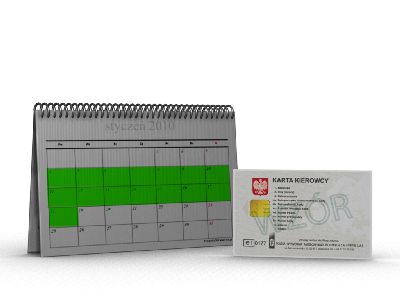
100
- coverage of expenses for medical and psychological examination;

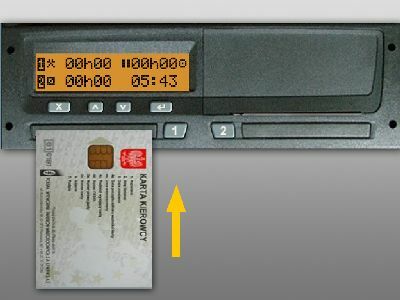
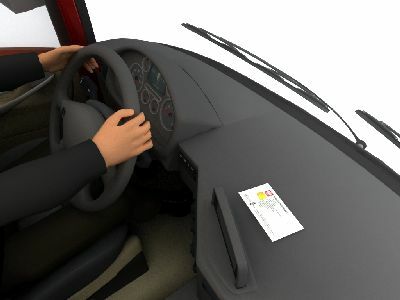
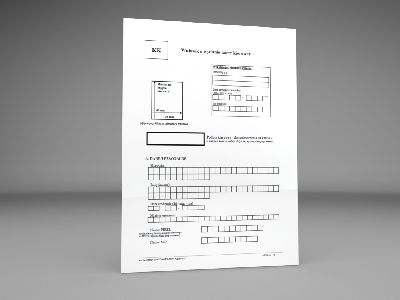
101
- storing copies of the following documents throughout the driver's employment period:
a) professional qualification certificates,
b) medical and psychological assessments;

102
- maintaining records of medical and psychological examinations;

103
- transfer to the driver, upon termination of employment, of copies of resolutions and certificates of professional qualifications.

104
According to the provisions of the law, an entrepreneur or other person engaged in road transport may cover the costs of periodic driver training, but this is not his responsibility.
105
Entrepreneurs engaged in road transport are obliged to comply with Regulation 561/2006 and the provisions of the AETR. These regulations apply not only to drivers engaged in road transport or for their own use, but also to those drivers operating smaller vehicles and employed under an employment contract.

106
Currently, our country has a number of laws in force that need to be harmonized. The Act of April 16, 2004, regarding drivers' working hours, does not fully comply with Regulation No. 561/2006.

107
The national legislation regulating workers' rights is the Labor Code. The EU regulation limiting the weekly working hours of workers engaged in road transport is Directive 2002/15/EC of the European Parliament and of the Council of 11 March 2002 on the organization of the working time of persons carrying out activities on the road in the field of road transport.

108
Attention is drawn to the wording used in some provisions concerning driving times, stopping and breaks for drivers engaged in national and international road transport within the Community, which gives rise to difficulties in relation to the interpretation, application, enforcement and monitoring of these laws in a uniform manner in all Member States.

109
Therefore, there is a need to develop a set of clearer and simpler rules that are easier to understand, interpret and apply for the road transport industry and the authorities responsible for law enforcement.

110
Separate rules apply to transport between EU countries and Switzerland, as well as on the route between EU countries that are parties to the Agreement on the European Economic Area, which includes Iceland, Liechtenstein and Norway.
111
In international road transport operations outside the EU, Switzerland or one of the EEA States, the carrier is obliged to comply with the provisions of the AETR agreement.

112
In the case of road transport carried out by vehicles registered in a third country that is not a party to the AETR, the provisions of the AETR shall apply to the part of the route carried out in the territory of the Commonwealth or of the AETR member countries.

113
The European Agreement (AETR) continues to apply to the carriage of goods and persons on vehicles registered in any State or in a State party to the AETR, throughout their journey, when it is carried between the Community and a State to persons other than Switzerland or States party to the Agreement on the European Economic Area, or carried through such a State.
114
Both the laws and Regulation 561/2006, as well as the AETR, apply to transport carried out by vehicles (combinations of vehicles) adapted for the transport of goods whose permitted total mass exceeds 3.5 tonnes, as well as by vehicles equipped to carry more than 9 people, including the driver (buses).

115
Providing a benefits package (and these are the rules governing the driver's working hours) to individuals
in particular, to determine maximum driving periods, which include: the maximum driving period without a break, the daily driving period, the weekly driving period, and the fortnightly driving period.

116
These regulations also include mandatory breaks while driving, as well as mandatory rest periods. These measures are aimed at improving the social conditions of drivers covered by them, and thus improving overall road safety.
117
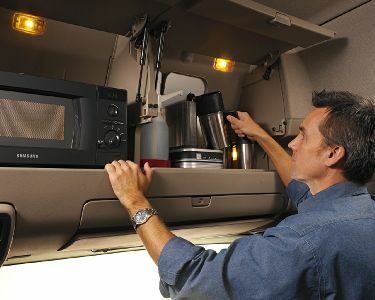
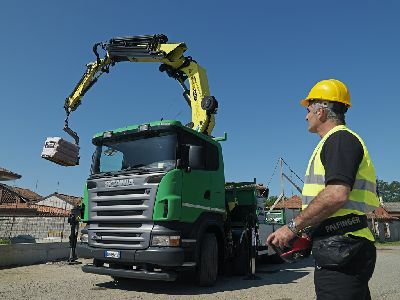
The driver's working time is counted from the start to the end of the work, and includes all actions related to transportation by road, which, in particular, must include driving a car, loading and unloading goods, or supervising loading or unloading.
118
These activities may also include:
- supervision and assistance to people entering and exiting the vehicle (tickets, passenger baggage claim);
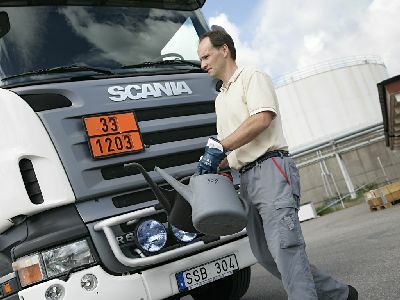
- freight forwarding activities;
- daily maintenance of the vehicle and trailers;
119
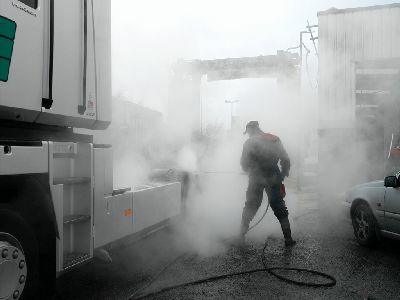
- other work related to the performance of official duties or ensuring the safety of people, vehicles, or cargo;
- necessary administrative measures;
- keeping the vehicle clean.
120
We do not count the following as working hours:
- on-duty time, if the driver did not perform any work during this time;
- unjustified stops while driving;
- a 24-hour uninterrupted rest period;
- breaks in work, if the driver is on an intermittent schedule.

121
Time spent outside normal working hours in readiness to perform work in an institution or other place designated by the employer is considered on-duty.

122
On-duty duty also refers to time spent in a vehicle other than driving. This primarily applies to crew work.

123
The working hours rules do not apply to road transport performed by: - vehicles used for the transport of people as part of regular transport, the route of which does not exceed 50 km;

124
vehicles or vehicle combinations with a maximum permitted mass of no more than 7.5 tons, used for: - transporting materials, equipment or devices for use by drivers in the course of work, or delivering items produced by workshop methods, exclusively within 100 km from the enterprise base, and also provided that the operation of such vehicles is not a driver's workshop, and the transport is not of a professional nature.
125
vehicles with a maximum permissible speed not exceeding 40 km/h

126
vehicles owned by or leased by the armed forces, civil defense services, fire departments, and forces responsible for maintaining public order, without a driver, if the transportation is carried out in connection with tasks, your information is processed, including by law enforcement agencies, and remains under their control.
127
vehicles used in the event of an accident or for rescue operations, including vehicles used for non-commercial transportation of humanitarian aid

128
specialized vehicles used for medical purposes
129
specialized roadside assistance vehicles operating within a 100 km radius of their base
130
vehicles undergoing road tests for the purpose of technical development or as part of repairs or maintenance, as well as new or refurbished vehicles that have not yet been approved for use on the road

131
vehicles or vehicle units with a permissible total mass not exceeding 7.5 tons, used for the transportation of goods without trade
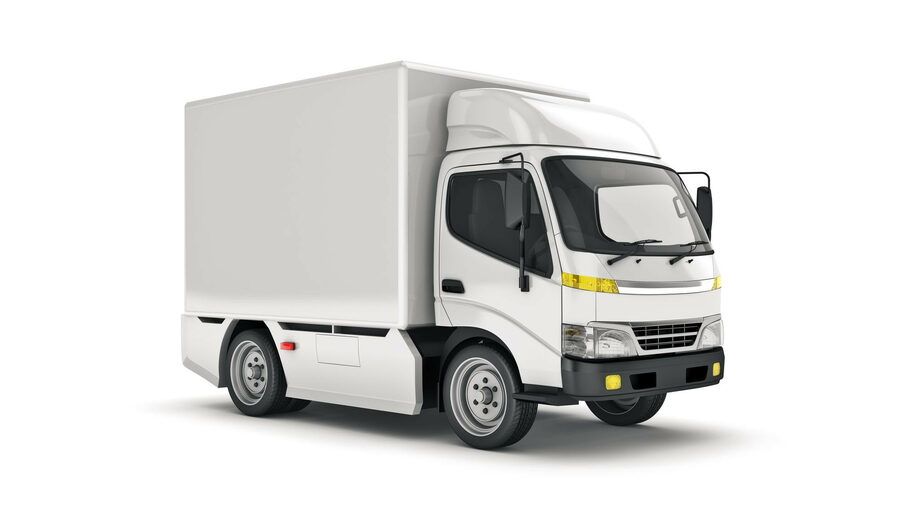
132
vehicles with a gross vehicle weight, together with a trailer or semi-trailer, of over 2.5 tons, but not more than 3.5 tons, used for the transportation of goods, in cases where the transportation is not profitable and is carried out for the personal needs of the enterprise or the driver, and the controllability of the vehicle does not represent the main occupation of the person - driving a car
133
commercial vehicles with the status of historic vehicles in accordance with the provisions of the Member State in which they are used are used for the transport of persons or goods without trade

134
The following types of transportation are subject to exclusion: - by vehicles owned by government agencies or leased by them without a driver, for the performance of road transportation that does not represent competition for private transport companies

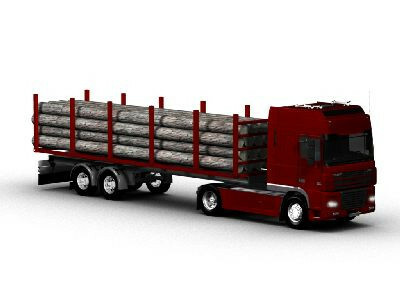
135
vehicles used or driven without a driver at an enterprise, agricultural, horticultural, forestry, farm or fishery for the transportation of goods within the framework of economic activities, within a radius of up to 100 km from the base, enterprise
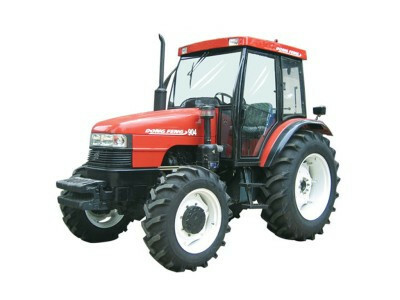
136
agricultural and forestry tractors used in agricultural or forestry activities within 100 km of the base of the enterprise that owns or uses such vehicle
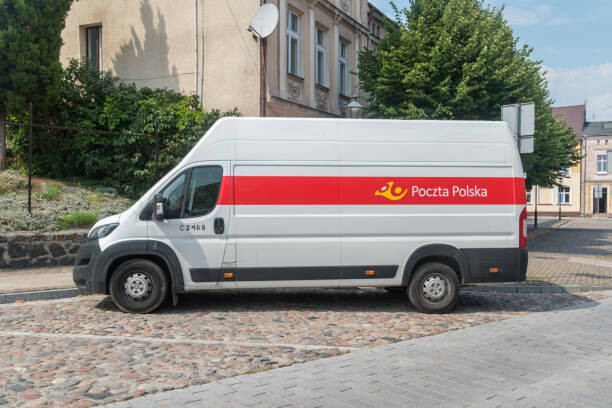
137
Vehicles or vehicle combinations with a maximum authorized mass of no more than 7.5 tonnes used by universal service providers for the delivery of mail. Under applicable regulations, this exemption applies only to Polish postal vehicles.
138
vehicles operating solely on islands or in areas remote from the rest of the national territory, with an area of no more than 2,300 km2, which are not linked to the rest of the national territory by a bridge, ford or tunnel open for use by motor vehicles or which border on any other Member State

139
vehicles operating solely on islands or in areas remote from the rest of the national territory, with an area of no more than 2,300 km2, which are not linked to the rest of the national territory by a bridge, ford or tunnel open for use by motor vehicles or which border on any other Member State

140
vehicles used for driving instruction and examinations to obtain a driving licence or a certificate of professional qualification, provided that they are not used for the commercial transport of goods or passengers;

141
vehicles used in connection with sewage treatment, flood protection, water, gas and electrical maintenance, road maintenance and control, household refuse collection and disposal, telegraph and telephone communications, radio and television broadcasting and the detection of radio or television transmitters or receivers;
142
vehicles with a capacity of 10 to 17 seats, used exclusively for non-commercial passenger transportation
143
specialized vehicles for transporting circus and fair equipment

144
specially equipped vehicles for special purposes, serving primarily for on-site training purposes

145
vehicles used for collecting milk from farms or for returning to farms containers of milk or dairy products intended for animal feed
146
specialized vehicles for transporting money and/or valuables

147
vehicles used for the transport of animal waste or carcasses not intended for human consumption
148
vehicles used only on roads inside facilities such as ports, interports and railway terminals
149
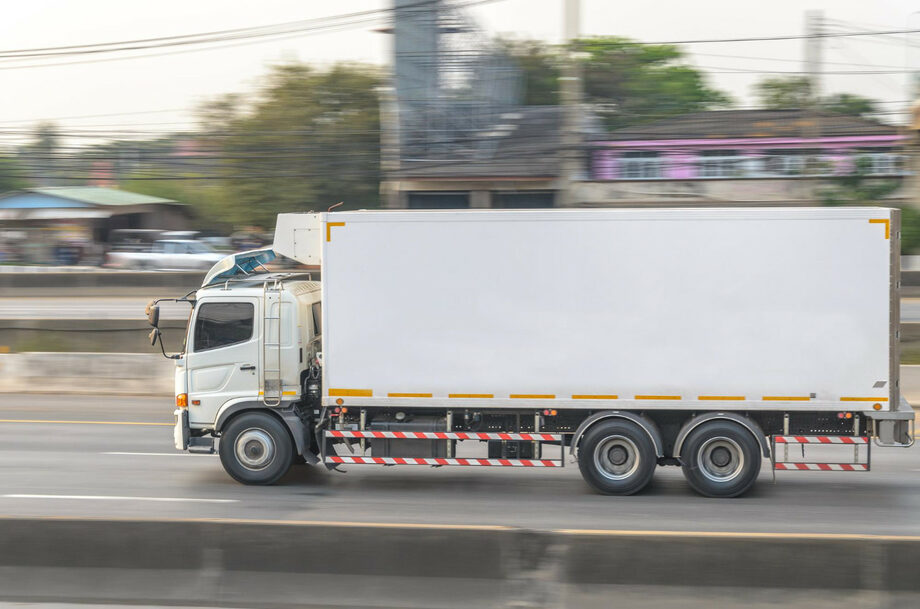
"vehicles used for transporting live animals from farms to local markets and back, or from markets to local slaughterhouses within a radius of 100 km"

150
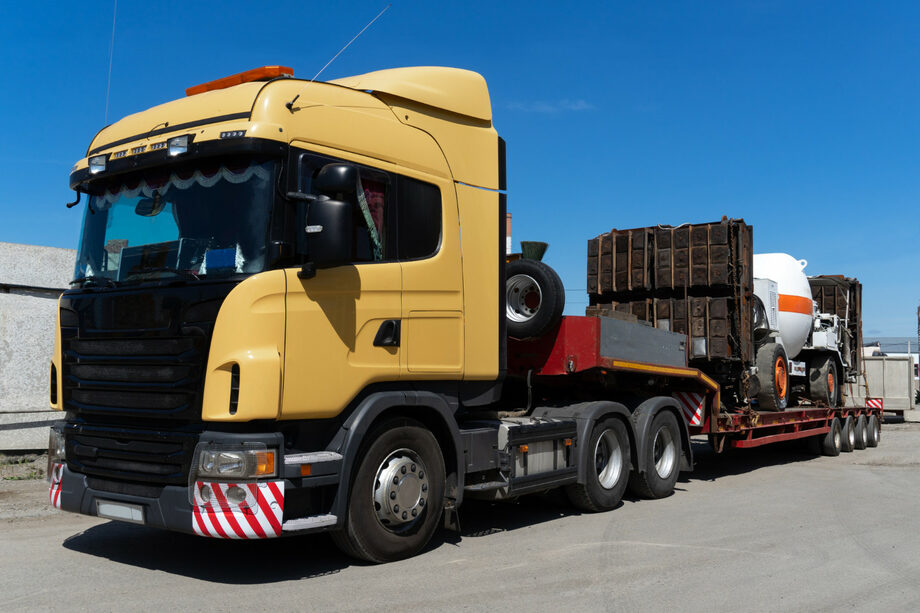
vehicles or combinations of vehicles used by a construction company for the transportation of construction equipment within a radius of 100 km from the base of the enterprise, provided that driving such vehicles is not the driver’s main activity;
151
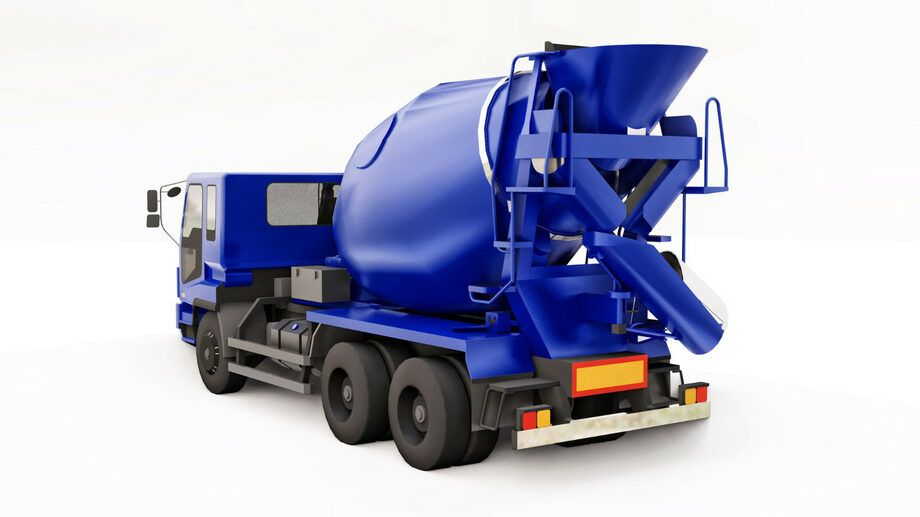
vehicles used for the delivery of ready-mixed concrete
152
According to Regulation (EC) No. 561/2006 of the European Parliament and of the Council, the maximum driving time without a break may not exceed 4.5 hours. After this period, the driver is required to take a break of at least 45 minutes.

153
This break may be divided into no more than two parts, the first of which is at least 15 minutes long and the second of at least 30 minutes long. The order in which the breaks are used cannot be changed.
154
Drivers may drive for up to nine hours per day. However, twice a week, they may extend this period to 10 hours.

155
Provided that this does not jeopardise road safety, in exceptional cases a driver may exceed the daily and weekly driving time by no more than one hour in order to reach the employer's work centre or his place of residence for a weekly rest period.
156
A driver may exceed the daily and weekly driving time by no more than two hours, provided that he has taken an uninterrupted 30-minute break immediately before this additional driving time necessary to reach the employer's operating centre or his place of residence in order to comply with the regular weekly rest period.

157
When using the above-mentioned options for extending driving time, the driver must indicate the reasons for such deviation manually on the recording sheet from the recording equipment, on the recording device from the recording equipment, or in the work plan no later than upon arrival at the final destination or the appropriate stopping place.

158
Any extended period of work must be compensated by an equivalent period of rest, which is taken once before the end of the third week following the week in question.

159
An example of using a split break: A driver drives for two hours, then takes a 35-minute break (more than 15 minutes, less than 45). The remaining driving time in this situation is 2.5 hours; after picking up the break, they can drive for another 4.5 hours.

160
A daily driving period is defined as the total driving time from the end of one daily rest period to the beginning of the next daily rest period. This also applies between a daily rest period and a weekly rest period.
161
A driver's workday is counted from the moment they start work for the next 24 hours.
Example: a driver who starts work at 6:00 AM will end their workday at 6:00 AM the following day. A week is the period between midnight on Monday and midnight on Sunday.

162
The maximum weekly working hours may be increased to 60 hours only if we have not exceeded an average of 48 hours per week over the past four months.

163
The total driving time during a two-week period cannot exceed 90 hours.

164
Example: in the first week the driver worked 44 hours, in the second week he can work 46 hours.
165
Weekly rest must be 45 consecutive hours. This rest period may be reduced to 24 hours. However, compensation for the shortened rest period must be made no later than the end of the third week. In practice, the actual time gained from the shortened weekly rest period must be added to the rest period of at least 9 hours.

166
Drivers are paid on a 24-hour cycle. This period begins when you take the first step. For example, a driver starts work today at 6:00 AM. This means their 24-hour cycle period must end tomorrow at noon. During this time, the driver has time to complete the transport task, take mandatory breaks, and take their required rest.
167
The driver is required to take another daily rest period every 24 hours after the end of the previous daily rest period or weekly rest period.
168
A driver's daily rest period is 11 consecutive hours (the remainder must be uninterrupted) and can be taken in one of three forms:
- Regular rest - 11 consecutive hours;
- Split rest;
- Shortened rest.

169
Daily rest may be divided into two parts, the first of which must be at least 3 consecutive hours long, and the second at least 9 hours long. When split this way, the order of the remaining rest periods cannot be changed. This is a form of split rest.
170
Three times between two weekly rest periods, a driver can reduce their rest time to 9 hours each day. This is a form of shortened rest.

171
When transporting a vehicle by ferry or train, a driver with a sleeping cabin or berth, while taking a regular or reduced weekly rest period, may interrupt this period no more than twice with other activities lasting no more than one hour. The time before the ferry, on the ferry, and after disembarking is cumulatively counted as uninterrupted rest.
172
Likewise, a driver may take a regular weekly rest period, provided that the trip is scheduled for a more convenient 8 hours.
173
A weekly rest period is the period during which a driver may have free time, whether it's a regular weekly rest period or a reduced weekly rest period.
A regular weekly rest period is at least 45 consecutive hours.

174
A reduced weekly rest period is a rest period of less than 45 hours, which may be reduced to no less than 24 hours.
Over the next two weeks, the driver must take at least:
- two regular weekly rest periods,
or
- one regular rest period and one reduced weekly rest period of at least 24 hours.
175
This system is designed to ensure drivers receive adequate rest by preventing the use of shortened rest periods back-to-back. A shortened rest period must be accepted (in the amount corresponding to the reduction) once before the end of the third week following the week in which the reduction was made.
176
The rest must be taken entirely within the reduced weekly rest period and must be used in conjunction with another rest period of at least nine hours before the end of the third week following the week in question.
177
By way of derogation from the requirement to take two regular weekly rest periods or one regular and one reduced rest period, a driver engaged in international road transport may, outside the Member State of registration, take two consecutive reduced weekly rest periods, provided that he takes at least four weeks' rest periods within the following four weeks' rest periods, at least two of which will be regular weekly rest periods.
178
In the event that two consecutive reduced weekly rest periods are used, the following weekly rest period must be preceded by a rest period used to compensate for the two reduced weekly rest periods together with another rest period of at least 9 hours.

179
Over the course of two consecutive weeks, the driver is required to take at least: - two regular weekly rest periods; - one regular and one reduced weekly rest period.

180
A driver may complete no more than six daily driving periods. Before commencing the next one, they must complete a weekly rest period.

181
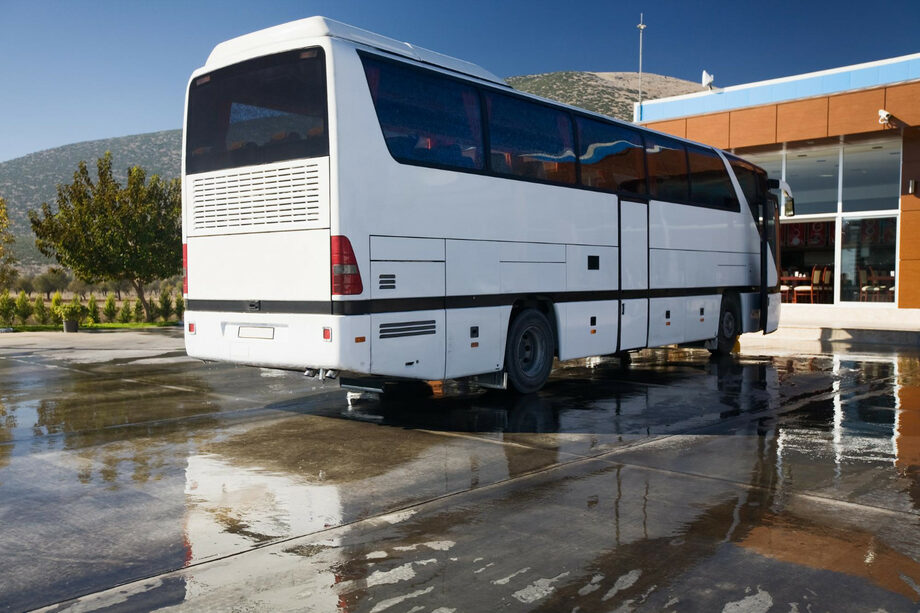
Drivers performing one-off, non-scheduled international passenger transport services may defer their weekly rest period for a maximum of 12 consecutive 24-hour periods after the previous regular weekly rest, provided that: - the service lasts for more than 24 hours in a country other than the country in which the service is operated; - after using the deferment, the driver takes two normal rests, or one normal rest and one reduced rest; - the service is carried out in a vehicle with a digital tachograph; If the vehicle is driven by a crew during the night (between 10:00 pm and 6:00 am), the maximum continuous driving time is reduced to 3 hours.
182
Drivers of crews have the same driving and break standards. The crew's work period is 30 hours. During the first hour of work, drivers are not required to be in the vehicle simultaneously. However, after this hour (the optional hour), their work must be performed by the crew.

183
A driver who is required to travel to or return from a stopover of a vehicle covered by these Rules, if the vehicle is not located at the driver's place of residence or at the employer's operations center where the driver usually works, shall not be counted as a rest or break, unless the driver is on a ferry or train and does not have a sleeping cabin, cot, or couch at his/her disposal - i.e., he/she must be registered with the "envelope" pictogram.

184
Time spent by a driver driving a vehicle not covered by these Rules from a vehicle covered by these Rules that is not at the driver's home or at the employer's premises where the driver normally works is considered "other work" - that is, according to the "hammers" pictogram.

185
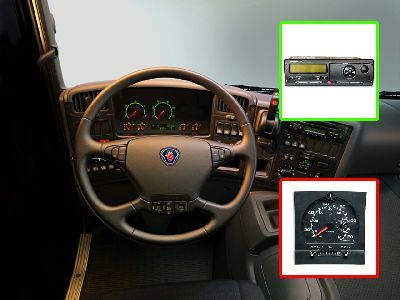
A tachograph is used to track working hours. This device records events during vehicle and driver operation.

186
Tachograph types:
- analog - recording is done on a recording sheet, the surface of which is coated with a wax coating to facilitate recording;
- digital - the driver's work is recorded on the chip in the driver card, but events are stored independently on the device's hard drive (tachographs).
187
Regulation (EU) No 165/2014 of the European Parliament and of the Council of 4 February 2014 on tachographs for road transport and repealing Council Regulation (EEC) No 3821/85 on recording equipment in road transport and amending Regulation (EC) No 561/2006 of the European Parliament and of the Council on the harmonisation of certain social laws relating to road transport, which entered into full force and effect on 2 March 2016, introduced a new type of tachograph, known as the "INTELLIGENT TACHOGRAPH". They are installed on new vehicles registered after 14 June 2019.

188
This tachograph is designed to automatically record the vehicle's position at the following points, or the closest point to them, where a satellite signal is available:
- the starting point of the daily driving period,
- every three hours of accumulated driving time,
- the end point of the daily driving period.

189
An intelligent tachograph is capable of remotely and proactively detecting potential tampering or misuse. This is intended to facilitate targeted roadside inspections by competent regulatory authorities, so tachographs are designed to communicate with these authorities while the vehicle is in motion.
190
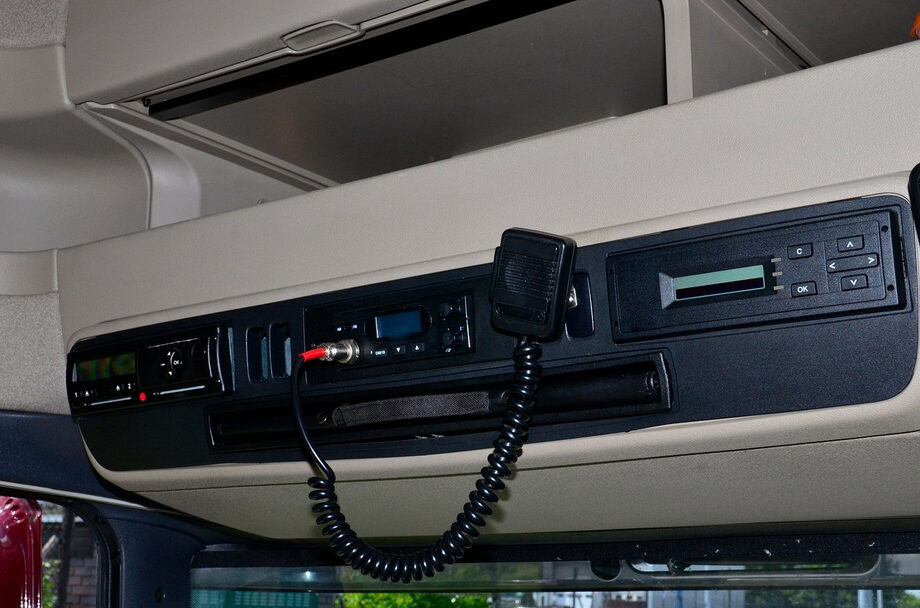
After December 31, 2024, it will no longer be possible to use analogue tachographs, which will be replaced by second-generation smart digital tachographs.
191
September 2025 is another important date, which entails the obligation to replace first-generation smart tachographs with second-generation smart tachographs.
192
Old driver cards can be used in new tachographs, just as new cards can be used in old tachographs. However, business and workshop cards will need to be replaced.

193
The tachograph records driving time, speed, distance traveled, breaks and rest periods, as well as all tachograph openings. Recordings from an analog tachograph are made on a dial called a recording sheet.
194
The recording sheet consists of the following fields:
- a field for recording speed,
- a field for recording data on distance traveled,
- one or more fields for recording data related to driving time and other periods.

195
The registration of entries in the registration log consists of entering data on the speed of the vehicle, the distance traveled, the driving time and other periods of work and activity of drivers, breaks in work and rest periods into the appropriate fields.
196
Both employers and drivers are responsible for ensuring that tachographs function properly and are used appropriately.

197
The employer is responsible for providing the driver with a sufficient number of record sheets and storing them for control purposes, taking into account the driver's time on the road, the need to replace damaged sheets, and the need for replacement of stored sheets by inspection services.

198
The driver is required to perform certain actions. Each time after completing a trip, they must check the accuracy of the readings recorded on the log sheet. When using a tachograph, they must operate the selector, marking the corresponding periods of driver activity.
199
The driver's responsibilities also include the correct selection of the tachograph registration sheet for the vehicle he is driving.
200
The use of a record sheet in this tachograph is subject to two indications which must match the entries in the record sheet: the maximum speed range of the tachograph clock must be reflected at the bottom of the plate, the tachograph data plate must be read with a number (representing the type approval mark) followed by an authentication mark, e.g. .e1 57.
201
The driver is responsible for ensuring that the time recorded in the log corresponds to the official time of the vehicle's registration country. Furthermore, the driver, when operating the switches (selector), clearly marks the periods of their activity—with the exception of driving time, which is saved automatically.
202
Before the registration sheet is inserted, the following entries must be made:
- first and last name (enter full name, not initials),
- location of the registration sheet insertion (location, road number, parking lot designation, etc.),
203
The date the record sheet was completed (all entries must be at least two digits long, e.g., June 12, 2019),
- Vehicle registration number,
- Vehicle odometer reading.
The remaining items in the report must be completed after the work is completed.
204
If a vehicle is equipped with a functioning tachograph, entries in the logbook or driver card will be made by this device. The driver will only be required to operate the selector to select the appropriate activity periods.
205
Manual recording is performed when the tachograph is damaged or when the driver is unable to control the device. In this case, individual activity records must be entered manually on the reverse side of the timesheet to document working time.
206
Additionally, the reverse side of the timesheet should contain information about any non-compliance with driver working time regulations. In practice, the reasons for exceeding the maximum driving time are most often recorded. Such entries should be made immediately after the completion of the trip.

207
Records on the record sheet are made by the tachograph on a wax coating on the surface of the record sheet. This surface is easily damaged. Record sheets must be undamaged (no scratches other than those caused by the tachograph) to be read.

208
If an existing recording sheet is damaged, use a new, undamaged one and, after saving it, attach it to the damaged one.
These two recording sheets will serve as documentation confirming the driver's activity during their work cycle.
209
In order to provide the company with correct (undamaged) records of the driver's working time in the time sheets, it is important that the sheets are saved.
210
A significant number of drivers solve this problem themselves by storing records in their cars in note boxes or plastic CD cases. Unfortunately, this storage method often results in mechanical damage to the records, resulting in scratches, which in turn makes them illegible for the computer programs used by an increasing number of companies.

211
It's advisable to use boxes provided by companies that check tachographs and distribute record sheets.
The design of these boxes provides the best protection against unnecessary scratches.

212
Drivers are required to use the registration sheet every day they drive. The registration sheet (driver card) must be inserted into the tachograph immediately after receiving the vehicle.

213
The driver's record sheet (card) must not be removed from the tachograph until the end of the working day. It may only be removed for the following reasons:
- end of work - the driver takes a daily or weekly break,
- vehicle change,
- manual entries in the record sheet,
- damage to the record sheet or card in the tachograph.
214
While working, drivers must maintain documented records of their activities for the current day and the previous 28 days: log sheets, driver cards, digital tachograph printouts, and driver activity certificates documenting periods for which the driver has no records. However, after December 31, 2024, drivers will be required to document the current day and the previous 56 days for vehicle inspections.
215
The registration sheet can remain in the tachograph for no more than 24 hours. After this time, the records overlap, which is an error. This can also damage the needle and, consequently, the entire tachograph.
216
Analog tachograph: The driver may record daily rest using the tachograph's automatic recording, provided that this entry in the logbook does not exceed 24 hours. If this record exceeds 24 hours, the driver is required to remove the logbook after completing work and manually record the rest time.
217
In the example above, the record sheet must be replaced within 24 hours of insertion. If either of these two conditions is impossible, the driver must remove the record sheet from the tachograph after work at 5:00 PM and manually record the actual rest time on it.
218
Example:
Driver X started work today at 7:00 AM. His 24-hour pay cycle
will end the next day at 7:00 AM. He worked from 7:00 AM to 5:00 PM.
This period will be recorded by the tachograph. The remaining period can also be recorded using
the tachograph, but only if the vehicle is not driven by another driver.

219
Digital tachograph: In the same situation, a driver who documents their working hours with a digital tachograph will have an easier time.
If necessary, it is possible to print out the most recent activity periods at the end of the working day.

220
Having a printout will allow the driver to make manual entries indicating a rest period in the event that the next trip is made in a vehicle equipped with an analog tachograph. Printing out the record is not mandatory, but is recommended for the driver's convenience.
221
If the driver's next trip after a rest period (the card is removed from the tachograph) is in a vehicle equipped with a digital tachograph, after inserting the card into the tachograph, the driver will be asked whether they want to manually record the absence of a record.
In this case, the record must be completed using the written tachograph operating manual.

222
Tachographs may be installed or repaired only by authorized workshops or installers. They seal the installation by placing their signature on the seal.
223
Confirmation of the periodic inspection of the tachograph consists of sealing the measuring plate, the connecting ends between the vehicle and the control device, the adapter and the insertion point into the connection path of the shift mechanism (in vehicles with more than two axle ratios), the connections connecting the adapter and shift mechanism to the rest of the device and the required tachograph cover.
224
The installer confirms the claim that the installation was carried out in accordance with the law by means of a measuring plate which he attaches near the driver's seat, usually on the seat base or on the entry pillars.
225
The tachograph is inspected every two years and may be performed during a periodic technical inspection. This inspection includes checking for proper operation, the approval mark, the condition of the measuring plate, the condition of the tachograph seals and required components, and the actual rolling circumference of the wheels, which may have been replaced with wheels of a different size.

226
The digital tachograph was introduced in vehicles produced in 2004. The information contained in the printout from the digital tachograph is presented in the form of pictograms.

227
Data from a digital tachograph must be downloaded every 90 days. This data is collected using special keys connected to interfaces and stored on a computer.
228
The selector should also be used with a digital tachograph, keeping in mind that in some of them, the tachograph automatically activates the "other work" function after the vehicle stops. This situation may result in the driver logging other work instead of an on-duty or rest period.
229
A digital tachograph records periods of driver activity by storing them on the driver card chip and the tachograph disc. One way to read the records is to print them.
Next, select the print option from the tachograph menu and confirm that you want to print by pressing the OK button.
230
You can print if: the car is parked, the ignition is on, there is paper in the printer and there is no malfunction that prevents printing.
231
Protect your printouts from dirt. Printer paper is heat-sensitive. Therefore, it should be kept away from bright light, sunlight, and high temperatures. All these factors can cause icons to fade. If a vertical red stripe appears on a printout, the printer is low on paper.
232
Data on the log sheets is recorded literally. Data on the printouts is presented in numbers. This is an undeniable advantage of printouts. The economic operator must ensure that the vehicle has a sufficient number of approved paper rolls.
233
Digital tachograph printouts must be protected from sunlight, moisture, and heat, as they are documents subject to verification by authorized bodies. Otherwise, they may fade. The printouts must be kept by the vehicle owner/entrepreneur for at least two years.
234
The following are authorized to conduct roadside inspections of drivers' working hours:
- police officers,
- Road Transport Inspectorate inspectors,
- National Labor Inspectorate employees,
- customs officers,
- Border Guard officers.
235
Entities authorized to check the records of devices that record the speed of movement, the time of movement and the time of parking in automatic mode (analog and electronic tachographs) are required to confirm the check by placing a seal on the disk of this device.

236
If these records are verified on a digital tachograph, they can be checked after inserting a control card. The data readout will be saved on the tachograph's hard drive.
237
The driver retains his driving license for a period of 3 months if he transported in a vehicle equipped with a tachograph: driver cards, used someone else's registration sheet or used several sheets at the same time - used a prohibited device, object or variable software that allows or causes the falsification or processing of data recorded by the tachograph, - if the tachograph was switched off
238
At the start of a daily work period, the driver is obligated to enter the country in which they are located. The same responsibility applies to them at the end of work.
239
Furthermore, the driver is also obligated to enter the country they entered. This should be done at the border, if possible, or, if not, at the nearest parking area that allows entry.

240
Drivers of vehicles equipped with an analog or electronic tachograph are required to present, upon request by an inspector, a record sheet for the current day and for the previous 28 days. This will require a different number of record sheets each time. The driver will document this period both on the record sheets and in the "activity certificate."

241
If a driver registers his activity on a card, it must be read for periods not exceeding 28 days of activity.
242
A driver operating a vehicle equipped with a digital tachograph is required to present the driver card and any records and printouts made during the current day and during the previous 28 days, upon request of the controller.

243
If, as a result of removal from the vehicle, the driver is unable to use the tachograph installed on the vehicle, the periods of his activity: other work, periods of readiness - duty and break or rest: a) if the vehicle is equipped with an analog tachograph - it is entered into the record sheet manually, by automatic registration or in another way, legibly and without dirtying the sheet; or b) if the vehicle is equipped with a digital tachograph - it is entered into the driver card by manual recording.
244
If it is not possible to enter the data, the entrepreneur carrying out road transport is obliged to issue a certificate to the driver carrying out road transport if the driver: 1) was on sick leave; 2) was on holiday; 3) had time off from work (periods other than breaks and rest); 4) was driving a vehicle excluded from the scope of Regulation (EC) No 561/2006 or the AETR Agreement; 5) was performing work other than driving a vehicle; 6) was available for work.
245
This certificate must be completed on a computer or machine and signed by the merchant and driver before the trip begins.
If the entrepreneur is the driver, they sign this document twice – as the entrepreneur and as the driver.
246
If the certificate requires two or three reasons for refusing to drive, they cannot be listed on a single form. Only one reason should be listed on each printout. The next reason will be noted on the next certificate.

247
Although not directly stipulated by any specific regulations, any remaining periods of absence from the vehicle must be documented by the driver by completing a handwritten declaration. This situation occurs when the driver leaves the Polish border and waits for the goods to be loaded for several days.
248
If the tachograph is damaged or malfunctioning, it must be repaired by authorized repair shops. If the defect is discovered during a trip and returning to the base will take more than 7 days, the defect must be repaired en route.
249
If it's not possible to bring the vehicle to the company's premises within a week of the damage or operational malfunction, repairs must be made en route. If delivery to the base takes less than a week, the driver can issue the log sheets manually.

250
Drivers performing road transport sometimes use multiple vehicles. These vehicles may be equipped with different types of tachographs. If a vehicle breaks down, the driver will be required to change vehicles. In this case, it's important to remember that the registration form is assigned to the driver, not the vehicle.
251
The driver then removes the registration sheet and takes it with them. Before inserting it into the tachograph in the second vehicle, we must check whether the registration sheet type is permitted for the tachograph in the vehicle and whether the speed range is compatible.
252
Drivers who leave work on a day in which they drove a vehicle equipped with an analog tachograph, knowing that they will next drive a vehicle equipped with a digital tachograph, must have a timesheet with them. Otherwise, a driver card will be required to document the working time recorded using a digital tachograph.
253
The absence of a tachograph disc is indicated by a warning light in the center or lower right part of the tachograph. It also indicates that the tachograph is not closed or is damaged. In a digital tachograph, the error is displayed as a message.

254
In the event of theft, destruction, or improper recording of a driver card, drivers must prepare a daily tachograph printout immediately before and after driving. This printout includes their personal information, card number or driver's license number, and identification marks. At the end of the workday, they must make another printout, again providing their personal information, card number, driver's license number, and identification marks. These two printouts represent their activities for that day.
255
The card must be reissued at the Polish Security Printing House after prior notification.

256
If the card is stolen, lost, damaged, or malfunctions, the driver is required to contact the PWPW for a new card. In this situation, they may continue driving without a driver card for a maximum of 15 calendar days, or longer if the vehicle needs to be returned to the depot. Loss or theft of the card must be reported to the police.
257
The driver must keep the driver card in the vehicle for at least seven calendar days from the date of expiration.
258
A driver's card can be obtained by submitting an application to the Polish Security Office in Warsaw. The issuance process takes approximately 30 days. The card is issued in your name and is non-transferable. Drivers with such a card are required to have it, regardless of the tachograph they use while working.
259
The digital tachograph is operated by inserting the driver card into the appropriate slot. When inserting the card, ensure the chip is visible to staff and the arrow is pointing forward. The driver then selects whether to enter entries manually and selects the country to which they are driving.