
Module 2.2
260
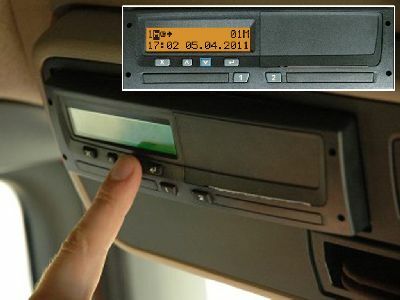
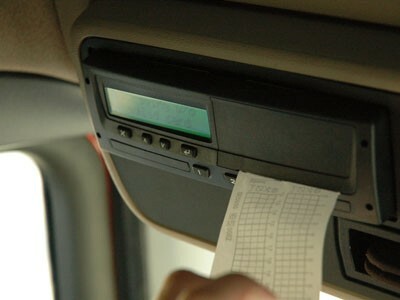
The driving mode, like in analog tachographs, is activated automatically, but the driver must manually enter break and rest times by selecting the so-called "bed" function. It's very convenient to automatically inform the driver of mandatory breaks while driving. The display informs the driver of the mandatory break after 4.5 hours of driving.
261
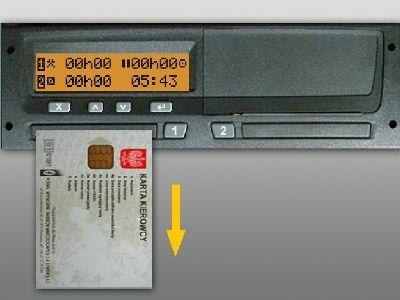
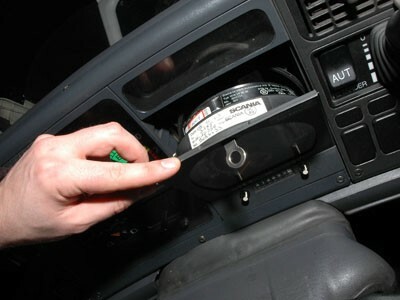
The driver card should be removed from the slot after the vehicle has stopped, but with the engine running.
262
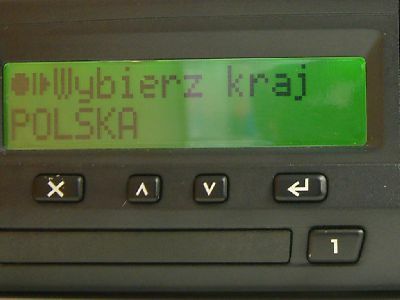
The data displayed on the digital tachograph display consists of icons and text. The language is set automatically as follows: the displayed language is determined by the driver card inserted into the reader or recently inserted into the tachograph, or by another tachograph card with a higher priority, such as a company card or service card.
263
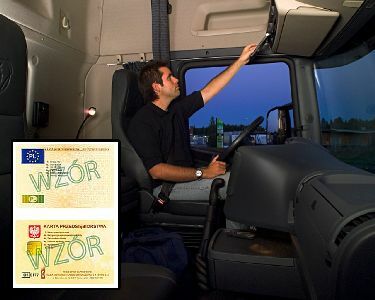
The company card contains company information on the tachograph, which is recorded the first time the card is inserted into the reader. This ensures access rights to company-assigned data.

264
The company card contains the following functions: registration and deregistration of the company from the digital tachograph, access to data stored in the digital tachograph memory, including special data intended only for companies, access to data stored on the driver card, display, print or download data through the appropriate interface.
265
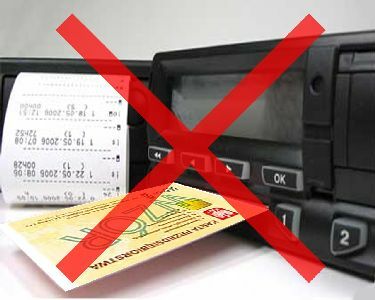
The company card manages company data and is not intended for driving! If a vehicle is driven with a company card, a corresponding message will appear on the tachograph and the event will be stored in the tachograph's memory.
266
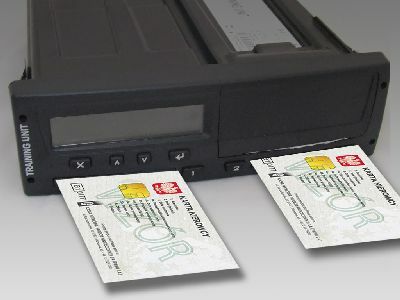
Wait until the standard display appears before inserting the co-driver card into the tachograph. Otherwise, the data entry procedure for the previously inserted driver card will be interrupted.
267
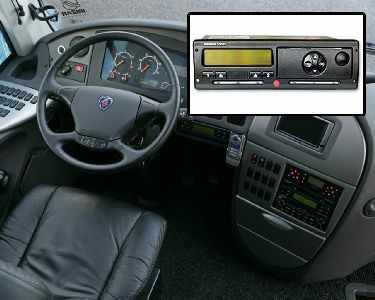
The digital tachograph continuously records information about the driver and vehicle's actions. It also monitors system functions. Any errors in the system, the device, or during operation are immediately reported with a message on the display.
268
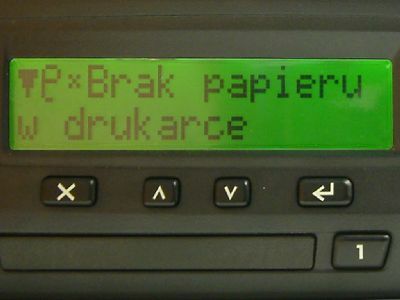
The tachograph display backlight flashes for approximately 30 seconds; information about the cause of the failure is also displayed, including a combination of icons, an uncoded message, and a memory code. These messages must be confirmed by the user using the "OK" button.
269
In accordance with European Union regulations, the digital tachograph additionally stores event and malfunction data in the tachograph's memory and on the driver card. This data can be displayed on the tachograph or printed using the appropriate menu function.
270
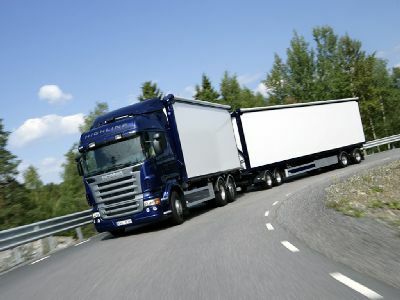
In addition to recording the distance travelled and speed, the tachograph stores actions and events in the personal memory of the driver card and in the mass memory.
271
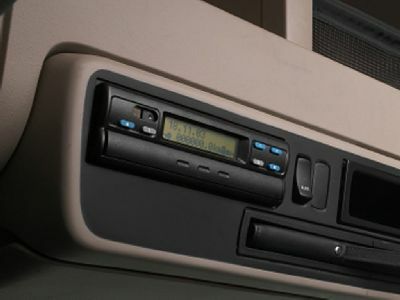
Drivers who operated the vehicle are registered in the tachograph's mass memory. The data collection device built into the recording device allows for 365 calendar days of data storage.
Furthermore, the most significant violations and events, such as "Driving without a valid tachograph card," are also stored in the memory.

272
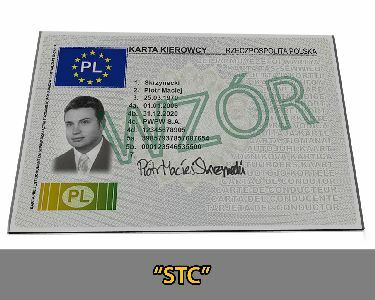
The driver card contains the cardholder's first and last name, the name of the issuing authority, the date of issue, etc. All driver-related data, as defined in the EU regulation, is stored electronically.
273
In addition to general identification and security data, the driver card permanently stores the driver identification data: driver card ID, card number, Member State issuing the card, card issuing authority, card issue date, card expiry date, etc.; cardholder identification data: surname, date of birth, native language, etc.; and driving licence information.

274
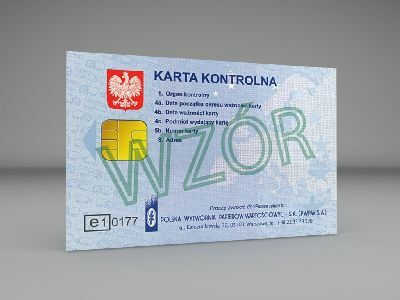
Control card - identifies the control body that performs card checks and authorizes access to data stored in the memory, recording equipment, or on the driver card for the purposes of printing, reading, or downloading data. The control card is blue.
275
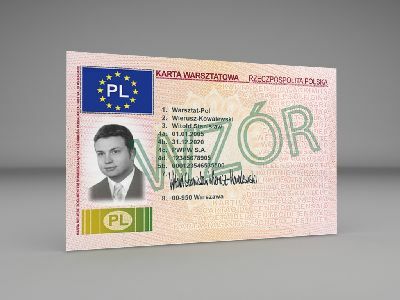
Service card - identifies the cardholder and allows testing, activation, calibration, and/or data download to/from recording equipment. This card is additionally protected by a PIN code that must be entered each time it is used. The workshop card is marked in red.
276
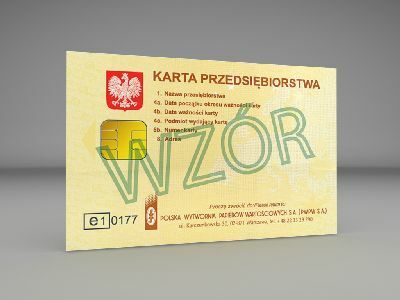
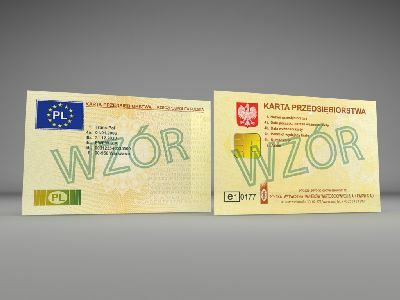
The company card identifies the company and allows reading, downloading, and printing of data stored in the recording equipment entered by the company. The tachograph card data locking feature prevents other companies from viewing this data. The company card is yellow.
277
The company's card maintains a list of used vehicles, storing the data of the first entry/last card withdrawal during the vehicle's use, the odometer value at the beginning and end of the vehicle's use, and the vehicle's identification data.
278
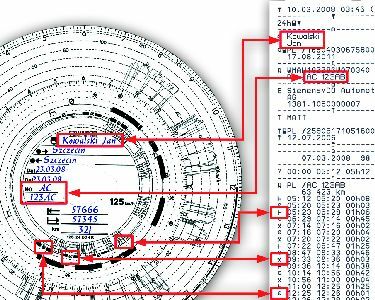
The tachograph stores data in UTC format—the start and end of all work time, availability, driving, rest, and other records. Records on tachograph cards are stored in the same format. Time data on printouts also corresponds to UTC time.
279
Poland is located in the following time zones: UTC + 1 hour in winter and UTC + 2 hours in summer.

280
UTC stands for "Coordinated Universal Time" and stands for Coordinated Universal Time, Greenwich Mean Time. UTC time corresponds to time zone "0" on the globe, divided into 24 time zones (-12...0...+12).

281
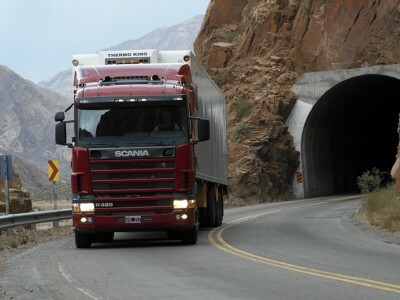
In addition to the above requirements, users of public roads are required to pay tolls for travel on national roads for motor vehicles with a permitted gross vehicle weight exceeding 3.5 tonnes, which also includes a combination of vehicles consisting of a car and a trailer or semi-trailer with a maximum permitted weight exceeding 3.5 tonnes, including buses, regardless of their permitted gross vehicle weight.
282
Only the following vehicles listed in the Act are exempt from the above-mentioned fees:
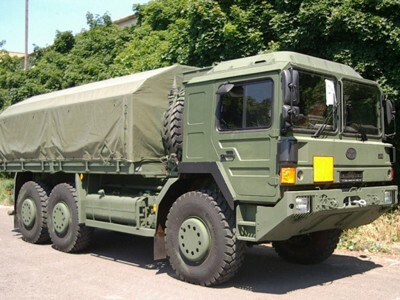
1) the Armed Forces of the Republic of Poland, as well as the armed forces of foreign states, if so provided for by an international treaty to which the Republic of Poland is a party;
2) emergency rescue services, mountain rescue services, the Maritime Search and Rescue Service, the Border Guard, the State Guard Service, the Penitentiary Service, the Road Transport Inspectorate, the State Revenue Administration, used by the Customs and Treasury Service, the Police, the Internal Security Agency, the Intelligence Agency and the Military Counterintelligence Service, the Military Intelligence Service, and the Central Anti-Corruption Bureau; and
3) managers of national roads used for the maintenance of these roads.
283
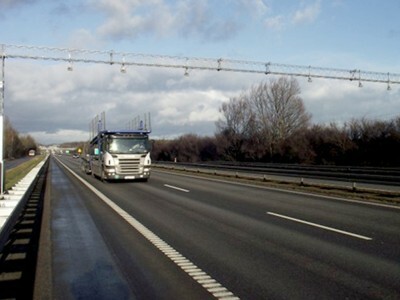
Electronic toll collection is carried out for travel on roads of national importance or their sections specified in the regulations.

284
The electronic road toll is defined as the product of the number of kilometers traveled and the rate of this toll per kilometer for a given category of vehicles.
285
The following vehicle categories are used to determine the electronic road toll rate:
- Category 1 - vehicles with a maximum permissible weight of over 3.5 tons and less than 12 tons;
- Category 2 - vehicles with a maximum permissible weight of at least 12 tons;
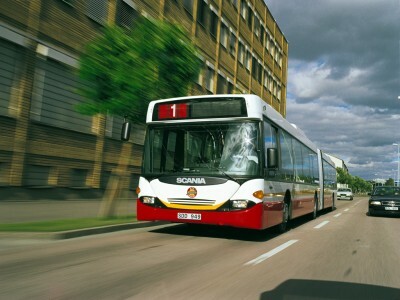
- Category 3 - buses.
286
Financial penalties for violations related to electronic toll collection are imposed administratively.

287
In accordance with the content of the amended law, which came into force on January 2, 2015, the driver is no longer liable for violating the obligation to pay the electronic fee.

288
For failure to pay the electronic toll, the fine is imposed on the owner of the vehicle, or if the vehicle is part of a combination of vehicles, on the owner of the vehicle coupled to a trailer or semi-trailer. However, if the owner is not the actual owner of the vehicle, the aforementioned fine is imposed on the person who has acquired ownership of the vehicle.
289
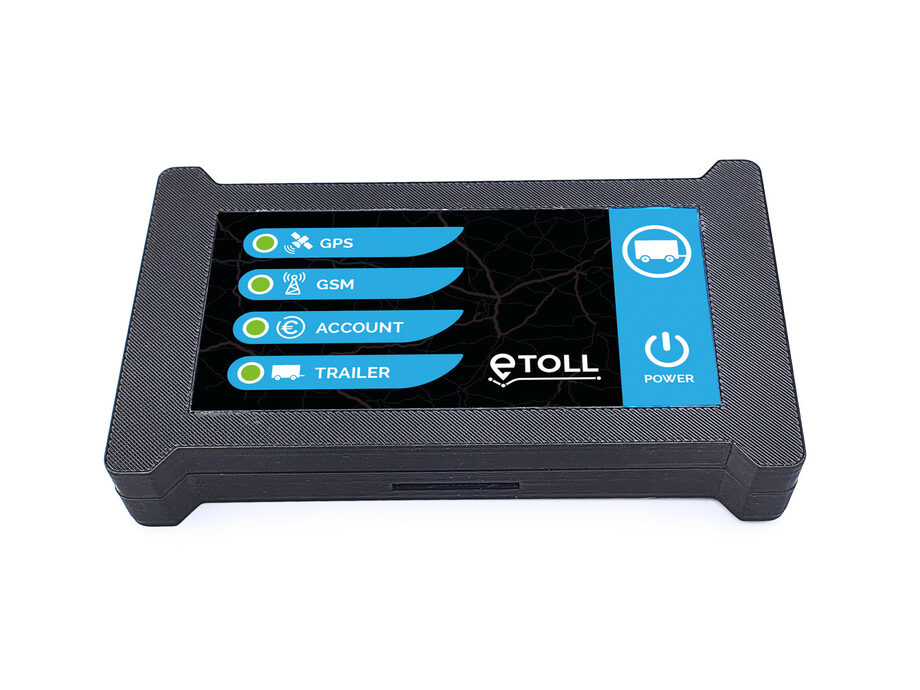
Failure to pay the above-mentioned fee shall result in a fine of 500 zlotys in the case of a combination of vehicles with a permitted total mass exceeding 3.5 tonnes, consisting of a passenger car with a permitted total mass not exceeding 3.5 tonnes and a trailer, and 1,500 zlotys in other cases.
290
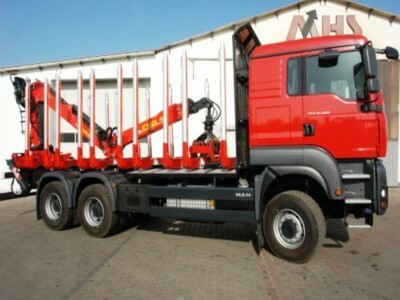
The driver of a vehicle will now be liable only if he fails to comply with the obligation to enter correct data on the vehicle category, if this results in an underpayment of the fee.

291
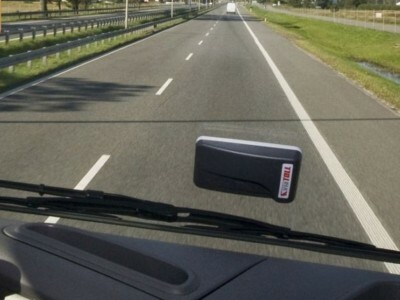
In such a situation, the fine is 250 zlotys in the case of a combination of vehicles with a permitted total mass of over 3.5 tonnes, consisting of a passenger car with a permitted total mass of no more than 3.5 tonnes and a trailer, and 750 zlotys in other cases.
292
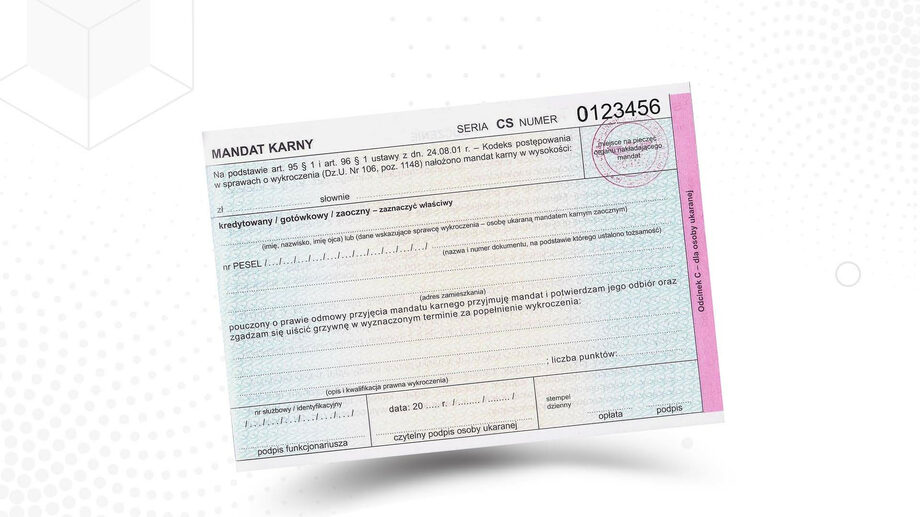
If a driver commits an offence, they must consider not only the financial consequences of receiving a penalty notice, but also the accrual of penalty points on their driver's record.
293
Each violation was assigned a separate serial number and a fixed penalty. Accordingly, under the tariff in effect since September 3, 2018, drivers are liable for the following violations:
294
No. 1. Failure to submit one of the specified documents - for each document: 1.1. extract from the permit to operate as a road transport operator - 200 PLN 1.2. extract from the licence - 200 PLN 1.3. driving licence - 150 PLN 1.4a. registration sheets per day subject to verification 500 PLN 1.4b. from 2 to 15 sheets per days subject to verification 1000 PLN 1.4c. more than 15 sheets per days subject to verification 1500 PLN 1.5. permits for regular passenger transport in international road transport or permits for regular special passenger transport in international road transport or extracts from such permits - 150 PLN 1.6. required for the transport of animals specified in the provisions of Council Regulation (EC) No 1/20053) - PLN 150 1.7. another document required in connection with road transport specified in Art. 87 of the Road Transport Act) - PLN 200.
295
Point 2. Failure to provide driver card data – 200 zlotys.
296
Clause 3. Carrying out road transport without presenting a document confirming receipt of initial qualification or completion of periodic training (requires an entry in the driver's license, driver qualification card) - 150 zlotys.
297
Any training other than initial qualification or periodic training required in connection with the performance of a given type of motor transport - PLN 800.
298
Clause 5.1. Exceeding the maximum daily driving time: 1) up to 1 hour - 50 zlotys 2) for each subsequent hour started - 100 zlotys.
299
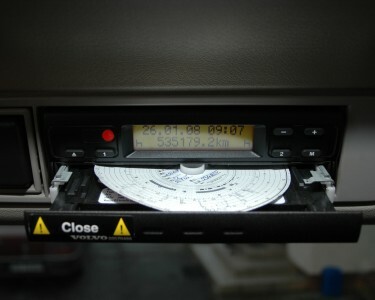
Clause 5.2. Exceeding the maximum driving time without a break: 1) from 15 minutes to 30 minutes - 50 zlotys 2) for each subsequent 30 minutes started - 100 zlotys.
300
No. 5.3. Reduction of the daily rest period: 1) up to 1 hour - 50 2) for each subsequent hour started - 100
301
No. 5.4. Reduction of the weekly rest period: 1) up to 1 hour - 50 zlotys 2) for each subsequent hour started - 100 zlotys.
302
Clause 5.5. Exceeding the weekly driving time by more than 30 minutes to 2 hours and for each subsequent hour started - 50 zlotys.
303
Clause 5.6. Exceeding the weekly working hours specified in Art. 26c, clause 1, 1 and 2 of the Act on the Working Hours of Drivers), by an entrepreneur personally carrying out road transport, or by persons not employed by the entrepreneur, but personally carrying out road transport on his behalf: 1) less than 2 hours - 50 zlotys 2) from 2 hours to less than 10 hours - 300 zlotys 3) from 10 hours - 500 zlotys.
304
Clause 6.1. Charging a fee for transporting a person in a vehicle performing regular transport contrary to the publicly announced price list - 1000 zlotys.
305
Clause 6.2. Failure to issue to an authorized passenger, prior to the commencement of transportation, the required confirmation of payment for the fare, taking into account the established discount - 1000 zlotys.
306
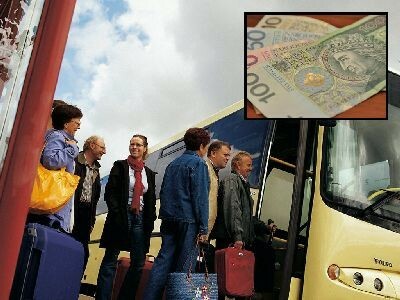
Clause 6.3. Failure to provide the passenger with the required proof of payment for the journey before the start of the journey – 1000 zlotys.
307
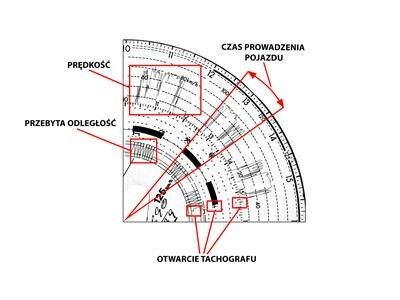
Clause 7.1. Failure to record vehicle speed, driver actions or distance travelled data in the registration sheet or driver card using a tachograph - 2,000 zlotys.
308
No. 7.2. The driver’s possession of at least two of his own valid driver cards or their use – PLN 2,000.
309
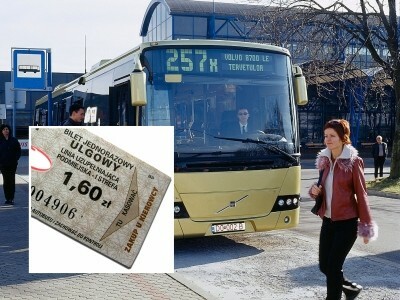
No. 7.3. Incorrect operation of the tachograph switch that allows changing the driver’s type of activity - for each day - 100 zlotys, no more than 1000 zlotys.
310
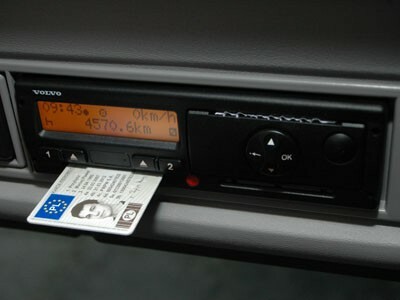
No. 7.4. Declaration by a driver of a motor vehicle with a faulty or incorrectly functioning tachograph after the expiry of the period provided for in Article 37(1) of Regulation (EU) No 165/2014) - PLN 1,000.
311
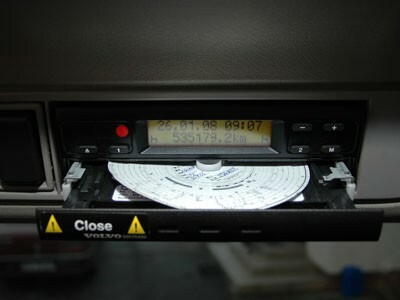
Clause 7.5. Driving a motor vehicle without a valid driver's license or with a damaged license after the expiration of the period provided for in Article 29(5) of Regulation (EU) No 165/2014) - PLN 500.
312
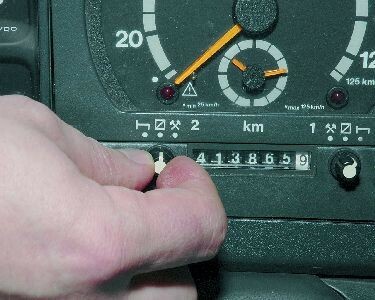
Clause 7.6. Carrying out road transport by a vehicle equipped with a tachograph that has been switched off - 2,000 zlotys.
313
Clause 7.7. Unjustified use of multiple tally sheets within the same 24-hour period - for each day - 100 zlotys.
314
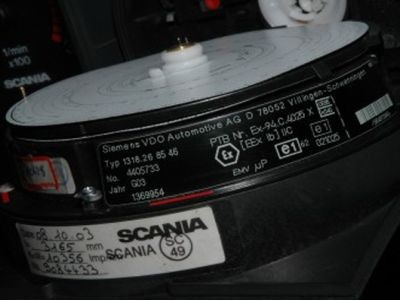
No. 7.8. Using a record sheet beyond the period for which it is intended, together with the loss of data - for each record sheet - 100 zlotys, but not more than 1000 zlotys.
315
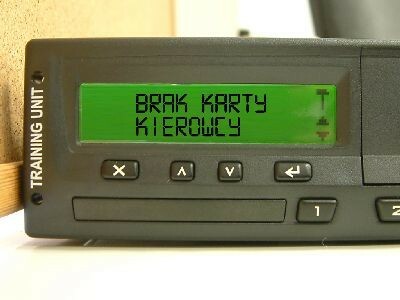
Clause 7.9. Use of a record sheet without a type approval certificate or of a tachograph not intended for the given type - for each record sheet - 200 zlotys.
316
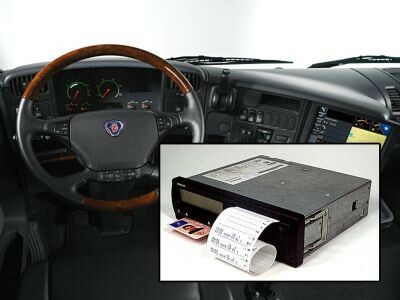
No. 7.10. During inspection, presentation of a dirty or damaged registration sheet or driver card with illegible data - for the card or each registration sheet - 200 zlotys.
317
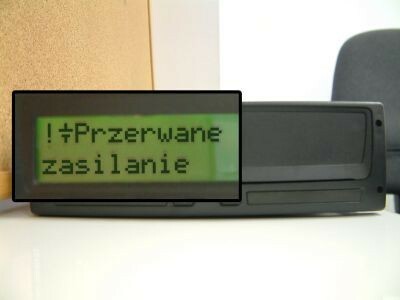
No. 7.11. Failure to make the required entries on a registration sheet or printout, or making illegible handwritten entries on a registration sheet or printout - for each registration sheet or for each printout - 50 zlotys for each missing entry, no more than 200 zlotys for one registration sheet or one printout.
318
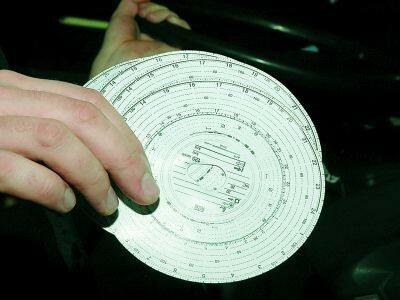
No. 7.12. Presentation upon inspection of a timesheet, tachograph printout or driver card that does not contain all the necessary data, entered manually or automatically, on the periods of the driver's activity or the symbol of the country of the place where the daily period of work begins or ends, during the current day and the previous 28 days - for each day - 100 zlotys.
319
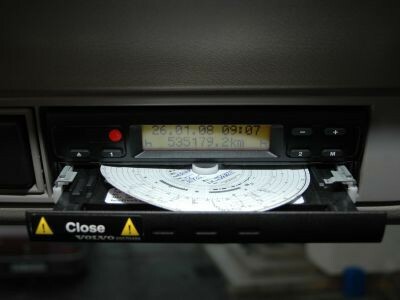
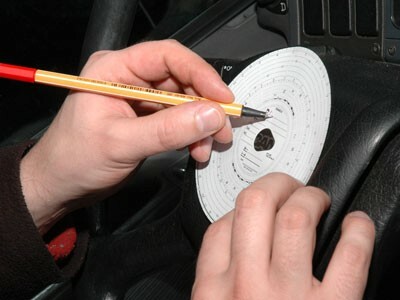
No. 7.13. Simultaneous use of several accounting sheets - 2000 zlotys.
320
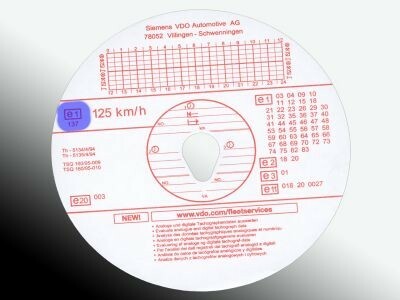
No. 7.14. Discrepancy between the time stamp on the registration sheet and the official time of the country of registration of the vehicle - for each registration sheet - 100 zlotys, but not more than 1000 zlotys.
321
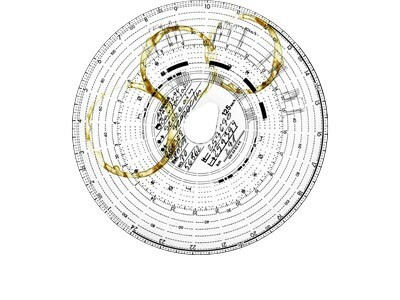
No. 7.15. Carrying out road transport by a driver who does not have the necessary manual records and tachograph printouts, in the event of damage to the driver card, its malfunction or absence thereof - for each missing printout - 200 zlotys.
322
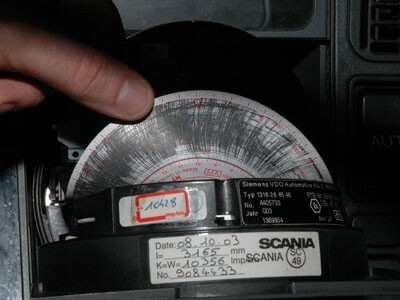
No. 7.16. Incorrect use or disconnection of an approved and technically sound tachograph, as a result of which the driver’s activity, vehicle speed or distance are not recorded in the registration log or driver card - PLN 1,500.
323
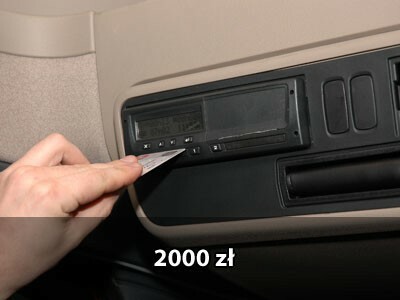
No. 7.17. Using someone else’s driver card - 2000 PLN No. 7.18. Using someone else’s registration sheet - 2000 PLN.
324
No. 9.1. Carrying out transportation of animals by a driver who does not have the qualification for transporting animals confirmed by the competent authority - 1000 zlotys.
325
No. 9.3. Failure to ensure that transported animals comply with the conditions specified in Annex I to Council Regulation (EC) No 1/20053) in terms of compliance with the conditions for the transport of animals, including: 1) the use of prohibited actions in relation to animals 2) refusal to comply with prohibitions on the transport of animals depending on the weight, age, species and ability of animals to be transported 3) failure to comply with the conditions for the separation of animals 4) failure to comply with the size of the loading area or the loading density required for certain types of animals 5) improper performance of duties related to the handling of animals, including improper stopping and resting of animals, watering, feeding, milking - PLN 500 for each violation, but not more than PLN 1,000.
326
No. 9.4. Carrying out transportation of live animals in violation of the maximum transportation time for a given type of animal: 1) up to 2 hours - 100 zlotys 2) over 2 hours - for each hour started - 200 zlotys.
327
Clause 9.5. Failure to notify a veterinarian of illness, injury or death of a transported animal detected during transport – 500 zlotys.
328
No. 9.6. Carrying out transportation without cleaning and disinfecting the vehicle after each transportation of animals or a product that may affect the health of animals, and failure to submit documents confirming the completion of these actions - 500 zlotys.

329
As already stated, the consideration of cases on these matters is carried out in the manner established by the Code of Minor Offences.

330
In accordance with the general principles expressed in the Code of Minor Offences, only persons who have committed a socially harmful act prohibited by the law in force at the time of its commission are subject to arrest, restriction of liberty, a fine of up to 30,000 zlotys, and are liable for the offence.

331
For an offense under the Code of Offenses against public safety and order, the fine may be 5,000 zlotys. If both provisions overlap, the fine may be up to 6,000 zlotys.

332
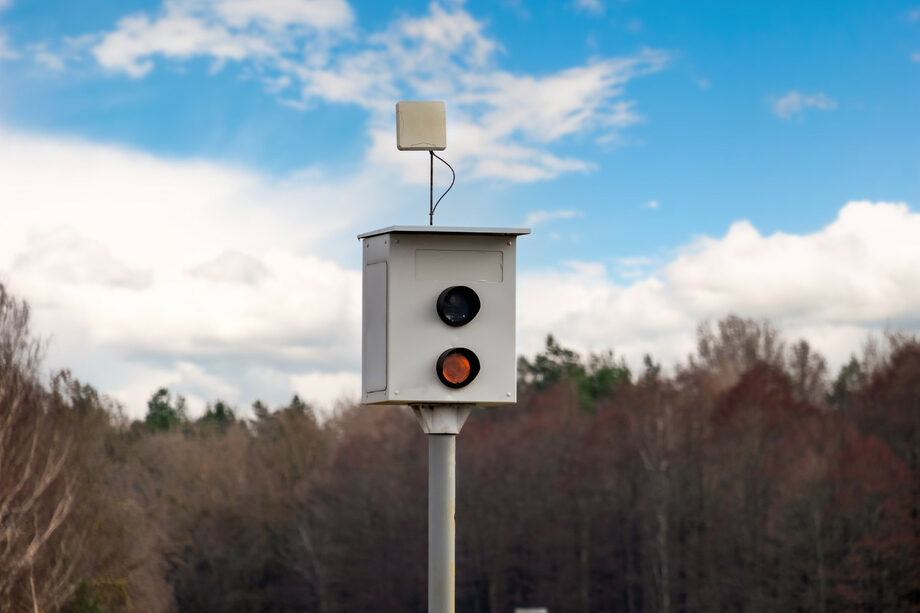
An owner who fails to indicate the person to whom the vehicle is entrusted within the prescribed period (for example, failure to indicate the person driving a vehicle that exceeded the speed limit and this fact was recorded by a speed camera) may be fined up to PLN 8,000.
333
In accordance with Article 96 § 1 of the Code of Criminal Procedure, in cases of misdemeanours in proceedings on fine receipts, a fine of up to 500 zlotys may be imposed, and in the event of a coincidence of provisions, a fine of 1000 zlotys.
334
However, in cases:
1) in which the prosecutor is the competent authority of the National Labor Inspectorate,
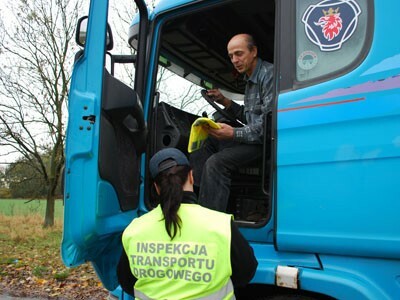
2) of violation of the obligations or conditions of road transport listed in the annex to the Road Transport Act, in which the prosecutor is the competent authority of the Road Traffic Inspectorate or the police, a fine of up to 2,000 zlotys may be imposed.
335
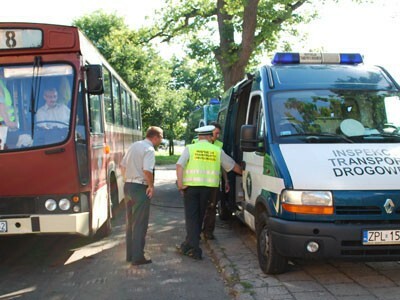
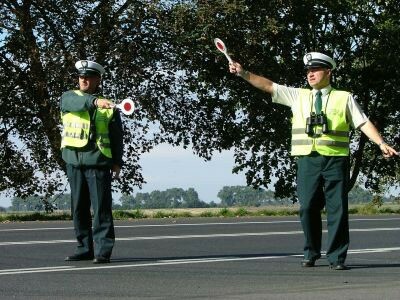
In proceedings concerning a fine, unless otherwise provided by law, the official authorized to impose a fine in the form of a penalty notice may impose it only if the person who has committed the offence is caught red-handed or immediately after the offence has been committed (for example, at the side of the road). (This may be an unspecified form of inspection), when he establishes that the offence was committed with the use of an instrumental control and measuring device or a recording device, and the offender was not caught red-handed or immediately after that, and there is no doubt regarding the perpetrator of the act, - including, if necessary, after carrying out to the required extent explanatory measures taken immediately after the discovery of the offence (for example, offences recorded by a speed camera).
336
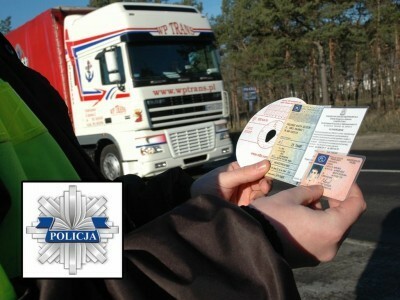
The imposition of a fine in the form of a notice of penalty may not take place after 60 days have passed from the date of identification of the person who committed the offense.
337
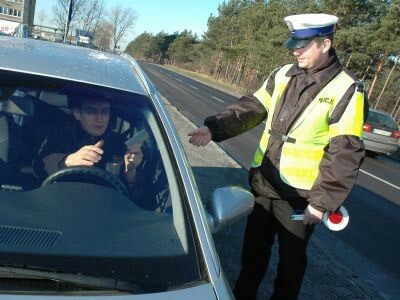
Please note that the offender may refuse to accept the fine notice.
338
In any doubtful situation regarding the established facts or the amount of the proposed order, the driver has the right to refuse to accept the order; the case will then be referred to the court, which will render a decision.

339
It should also be remembered that the official imposing the fine is obliged to determine its amount, the offense imputed to the offender, and inform the offender of the right to refuse to accept the notice of the fine and the legal consequences of such refusal.
340
In addition to the above-mentioned liability of the driver for violating various laws, he is also responsible for violations of the provisions of the Road Traffic Act, and not only for those over which he has direct influence, such as speeding or failure to obey a road sign.

341
In addition, the driver, on the basis of the appendix to the Prime Minister's Resolution of November 24, 2003 on the amounts of fines imposed in the form of penalty notices for certain types of offenses (i.e., as amended), is liable for the following offenses: The driver, in addition, on the basis of the appendix to the Prime Minister's Resolution of November 24, 2003 on the amounts of fines imposed in the form of penalty sanctions for certain types of offenses (i.e., the Law of Ukraine of 2013, Article 1624), as amended), is liable for the following offenses:

342
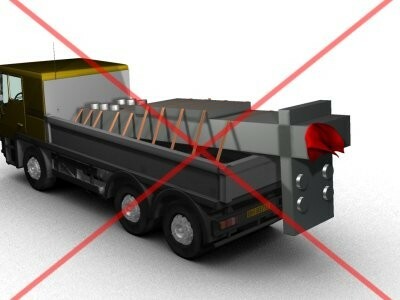
Placing cargo on a vehicle in such a way that it obscures headlights or signaling devices - PLN 200,
343
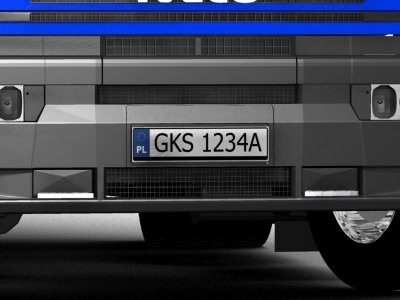
Placing cargo on a vehicle in such a way as to obscure the number plates or other signs or markings with which the vehicle is equipped - PLN 100,
344
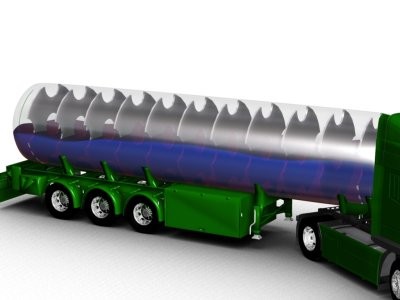
Transportation of unmarked or incorrectly marked cargo - 300 zlotys,
345
Failure to protect load securing devices from loosening, hanging or falling during movement - 200 zlotys,
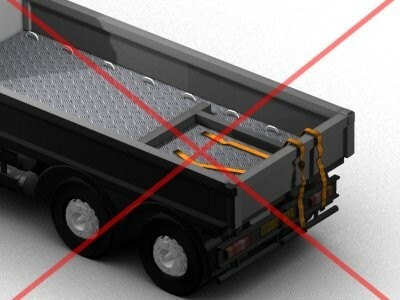
346
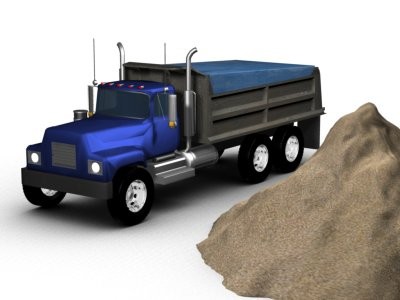
Violation of the rules for the transportation of bulk cargo - 150 zlotys,
347
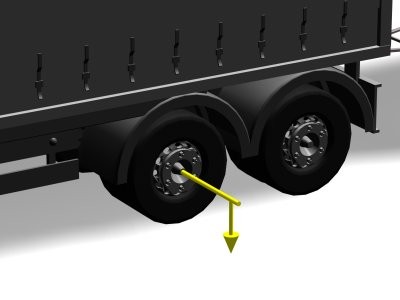
Towing a trailer with an actual gross weight exceeding the permitted weight for a specific type of tractor - from 100 to 300 zlotys.
348
Being a driver is a challenging profession, and it comes with many additional requirements. In addition to medical and psychological examinations, drivers must undergo relevant training every five years.

349
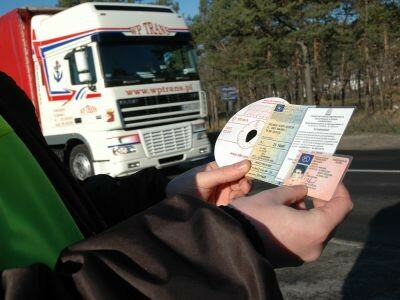
And most importantly, a driver with a fine or who exceeds the maximum number of penalty points will lose their license to practice. Therefore, it's important to know the regulations and responsibilities, as well as your rights and privileges. Here are some of them:
350
- the entrepreneur is obliged to send drivers for:
a) periodic training,
b) medical and psychological examinations;

351
- the entrepreneur is obliged to cover the costs of medical and psychological examinations of drivers;

352
- the entrepreneur is also obliged to maintain records of medical and psychological examinations and provide the driver with copies of decisions and qualification certificates upon termination of the employment relationship;

353
- an entrepreneur cannot make the driver’s remuneration dependent on the quantity of goods transported;
354
- the driver has certain working hours that cannot be exceeded;
Time to test your knowladge!
The Module 2 test consists of 29 questions. Up to 3 incorrect answers are allowed to pass.