
Module 1
1
Module 1 - Advanced training in rational driving, taking into account safety rules
2
Economical and efficient driving not only reduces fuel consumption during transport operations but also extends the lifespan of vehicle components through their responsible and skillful operation. These savings will undoubtedly have a significant impact on the company's financial position. This effect will be greater the more kilometers its vehicles travel per year.
3
Specific fuel consumption is the volumetric or weighted amount of fuel consumed by the engine. It is required to perform a specific task.
Specific fuel consumption is determined by the following parameters:
- Fuel consumption rate - indicates the mass fuel consumption, calculated per unit of time when the engine is operating at nominal parameters;
4
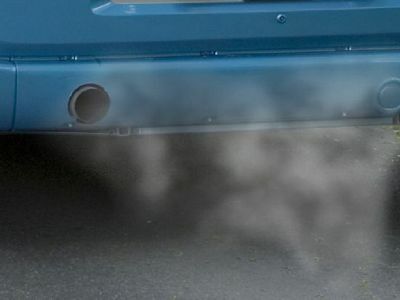
- intensity of exhaust gas emissions - which is called the volumetric or weight emission of exhaust gases per unit of time in an engine operating at nominal parameters (nominal power, nominal speed); exhaust gas emissions are classified depending on the proportion of various
5
- minimum specific fuel consumption - determining the weight or volumetric amount of fuel consumed by the engine to perform work under nominal parameters and in a given unit of time;
6
- average useful pressure is the average value of pressure in the combustion chamber during the explosion of the fuel mixture, it is related to the engine torque.
7
Fuel consumption depends on the utilization of thermal energy released from the burned fuel during the conversion of energy into mechanical work. Thus, engine efficiency is the ratio of heat converted into useful work to the total amount of heat supplied to the engine in one cycle. Overall engine efficiency has a decisive impact on its fuel economy, i.e., fuel consumption.
8
The overall efficiency of an engine has a decisive influence on its fuel economy, i.e. fuel consumption.
9
Fuel efficiency is a measure of the quality of the fuel supplied to the engine. This fuel is measured in grams per kilowatt-hour g/kWh. Fuel efficiency is the amount of fuel in grams per unit of work performed. This is where fuel consumption depends on engine efficiency. The less efficient the engine, the more fuel it uses to perform the same amount of work.
10
To illustrate the concept of specific fuel consumption, a specific fuel consumption of 250 g/kWh means that the engine consumes 250 g of fuel to generate 1 kW of power in 1 hour. Specific fuel consumption is a metric used to compare the efficiency of different engines.
11
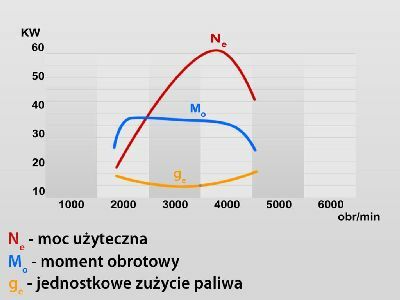
Specific fuel consumption is also a key engine performance parameter. It measures how much fuel is consumed per unit of work. This depends on the engine type and its load level.
12
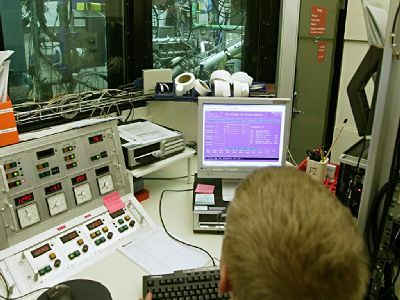
The engine achieves its lowest fuel consumption when operating at crankshaft speed at maximum torque. Engine fuel consumption is tested on a dynamometer.
13
Parameters that influence fuel consumption:
- vehicle weight,
- body shape and the so-called CX body shape factor,
- engine solutions,
- properly selected gear ratios of the transmission and final drive,
- vehicle performance,
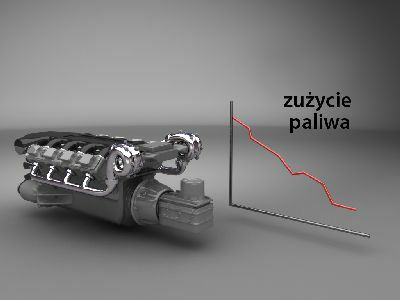
- individual driver characteristics, primarily driving style,
- rolling resistance,
- tire condition, type, and correct tire pressure.
14
Fuel consumption is also significantly affected by:
- the road the vehicle is traveling on,
- traffic intensity (congested streets),
- ambient temperature,
- correct use of gears,
- the amount of acceleration used,
- the speed at which the vehicle is traveling,
- braking method.
15
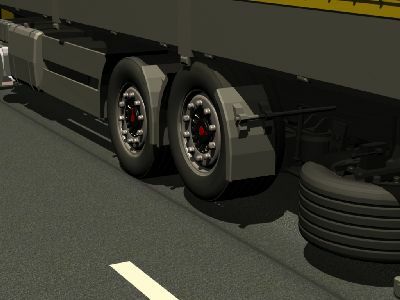
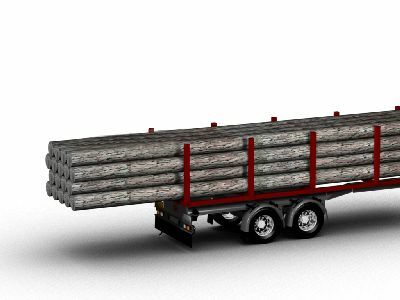
Fuel consumption increases as the weight of a vehicle, such as a truck, increases due to the increased load it is designed to carry. Furthermore, such a vehicle often tows a trailer, the actual weight of which, according to regulations, can exceed 40% of the actual vehicle weight.
16
Heavy weight and increased speed increase the kinetic energy a truck possesses while moving. When braking, this energy must be dissipated as quickly as possible, otherwise the consequences could be disastrous.
17
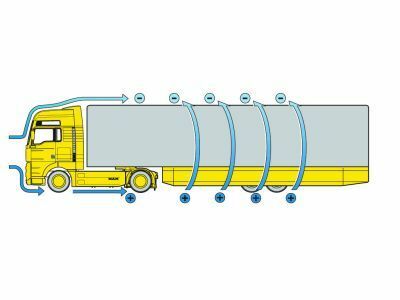
A vehicle's drag affects fuel consumption. Drag is the sum of all forces acting to slow the vehicle, including rolling resistance (resulting from internal friction of the vehicle's mechanisms and elastic deformation of the tires), aerodynamic drag, and gravity. The difference between the engine's power and the power required to overcome drag can be used to increase speed.
18
Rolling resistance is defined as overcoming the forces of friction of the wheels against the ground, friction in the wheel bearings installed in the drive system, and all other forces caused by the rolling of the vehicle wheel.
19
Rolling resistance depends on:
speed, vehicle weight, tire design, tire tread profile, tire pressure, correct steering geometry, installation of all supporting wheels, and road surface conditions.
20
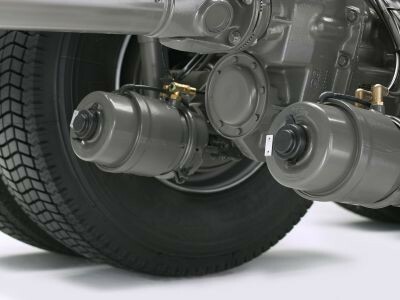
Rolling resistance is also affected by energy losses associated with the work of deforming the tire and the work of the air inside the tire when deformations move around the circumference of the tire.
21
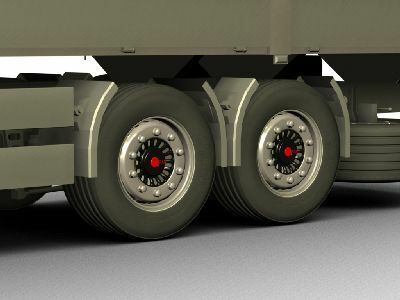
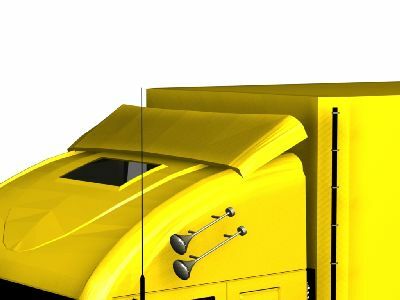
When a truck, consisting of a tractor-trailer, is moving, air resistance is very high. This situation is especially noticeable in the case of container trucks and curtain-sided trailers. Unfavorable air turbulence can be mitigated by using spoilers (deflectors) in the form of roof fairings and covers between the cab and the front wall of the semitrailer.
22
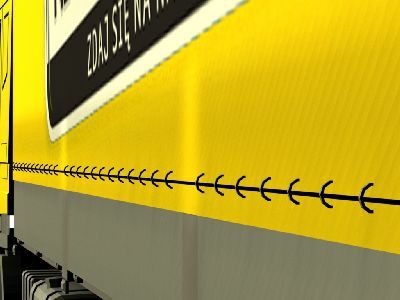
To prevent the tarpaulin from flapping while driving, tarpaulin-covered semi-trailers must be taut. The thicker the tarpaulin, the lower the air resistance. We also ensure that the tarpaulin is undamaged and free of holes.
23
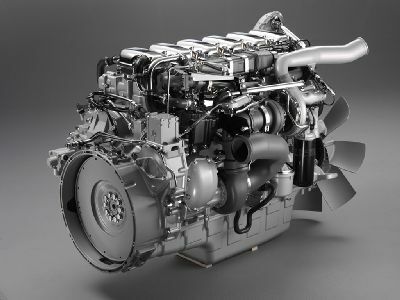
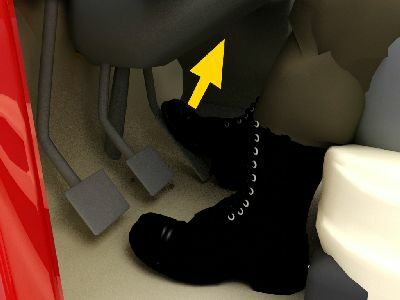
Currently produced engines are electronically controlled, meaning that when the driver lifts their foot off the gas while driving, the fuel injection system stops supplying fuel to the engine. This continues until the engine speed drops to approximately 1,300-1,500 rpm. Then, the injectors resume operation to prevent engine stalling.
24
Engine braking has an additional benefit in this case. In addition to reducing wear on brake system components, it also reduces fuel consumption. Remember that engine braking, like any braking, is subject to certain rules. The transition to braking should be smooth, gradually releasing the accelerator pedal with the appropriate gear ratio selected. This avoids unnecessary strain on the transmission and timing gear.
25
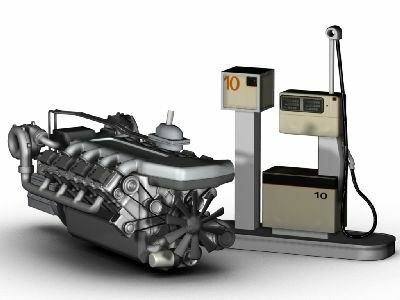
Advances in motor fuel technology suggest that commercially available fuels are close to optimal in terms of physical and chemical properties. Synthetic fuels offer better performance, but their cost currently precludes their widespread use. Significant advances in improving fuel performance have necessitated the introduction of modern injection systems into engine design and stricter environmental regulations.
26
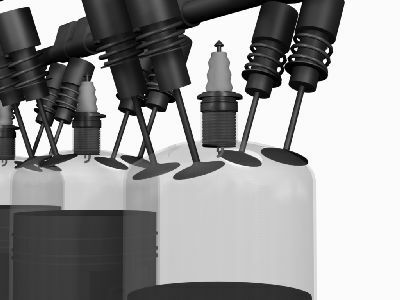
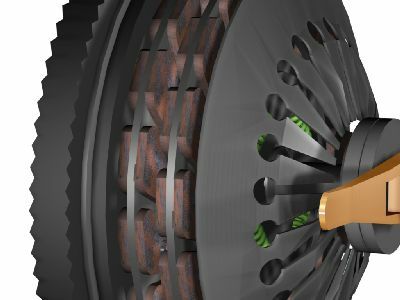
An engine's compression ratio is the ratio of the cylinder's displacement to the combustion chamber volume. Increasing this ratio increases the efficiency of the internal combustion engine. The compression ratio for spark-ignition (SI) engines is typically around 10-11, while for compression-ignition (CI) engines, it's around 13-24.
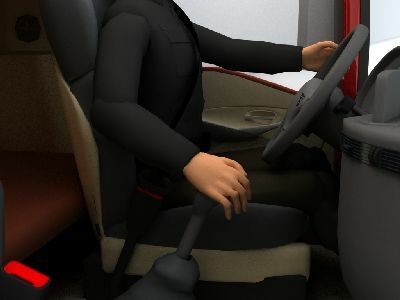
27
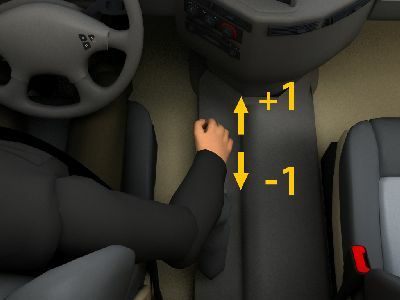
The compression ratio for SI engines should always be considered in conjunction with the fuel's octane rating. This is a measure of the fuel's resistance to detonation combustion. The higher the octane rating, the more the fuel-air mixture can be compressed in the combustion chamber without spontaneous combustion.

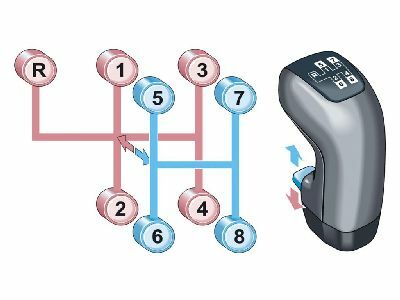
28
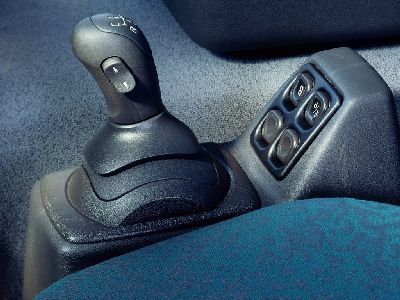
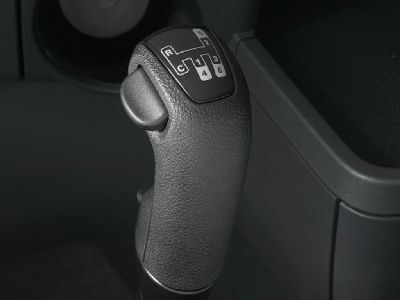
Engine mechanical efficiency can be increased by reducing frictional resistance within the engine. This can be achieved by using higher-quality, lower-density oil, design changes that reduce the mass of moving parts, reducing friction by reducing the roughness of mating components (using polished surfaces), and eliminating some additional devices that require engine drive.
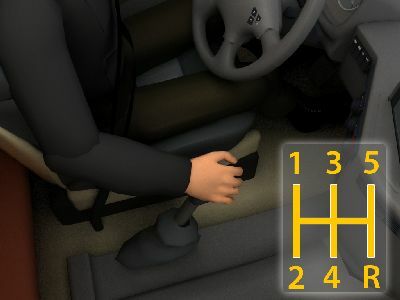
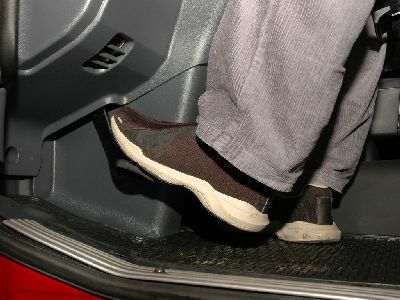
29
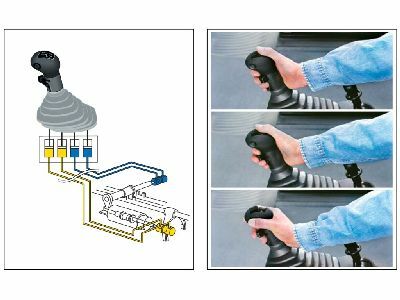
Increasing the octane number of fuel is achieved through the proper gasoline production process, known as reforming, and the use of appropriate additives. We can increase the compression ratio in an engine by using fuel with a higher octane number.
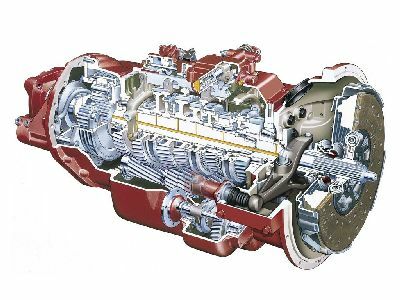
30
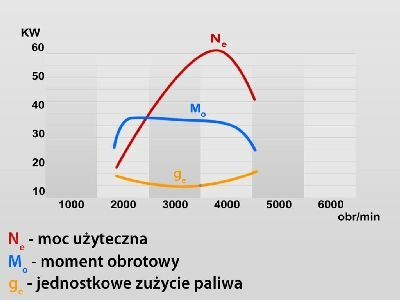
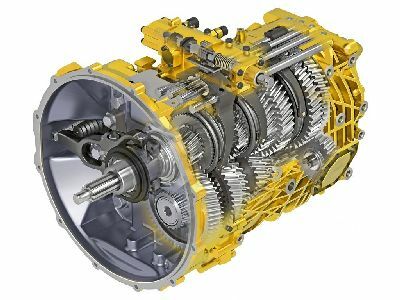
Specific fuel consumption allows us to compare engines of different types and designs. It tells us which engine requires less fuel to produce its power, meaning it's more efficient and economical.
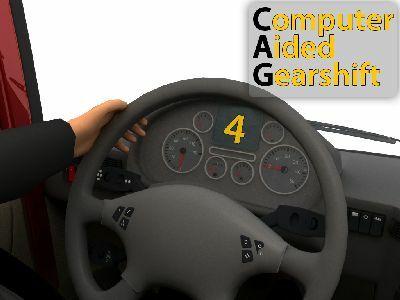
31
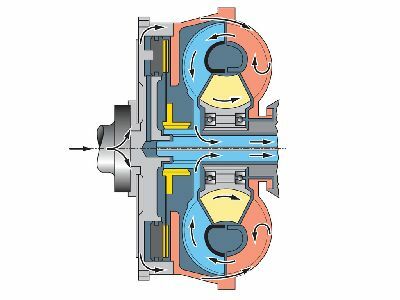
The yellow lines on the diagram show the operating conditions (RPM and throttle position) under which the engine achieves a constant specific fuel consumption. The smallest yellow loop represents the lowest consumption. The constant power line, marked in red, shows how the same power can be achieved at different combinations of engine speed and throttle position.
32
Fuel consumption can be reduced by increasing the fuel's calorific value. Using a fuel with a higher calorific value to power an internal combustion engine allows for the same amount of useful work to be produced with less fuel, or more work to be produced with a constant amount of fuel. The calorific value of hydrocarbon fuels depends on their physicochemical properties, such as composition, degree of purification, and others.
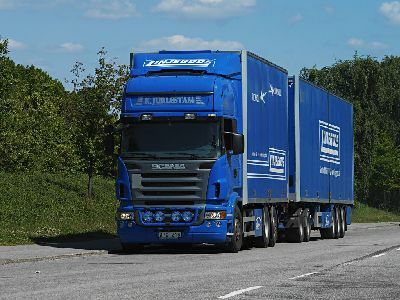
33
Turbocharging utilizes exhaust gas energy to drive a turbine mounted on a shared shaft with the compressor, which delivers air to the cylinders under increased pressure. Turbocharging increases engine weight by approximately 3% (the weight of the turbocharger and the system), but this is offset by an average 50% increase in power and a reduction in fuel consumption.
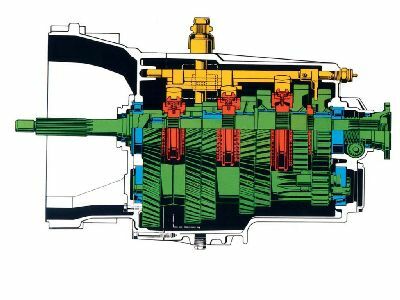
34
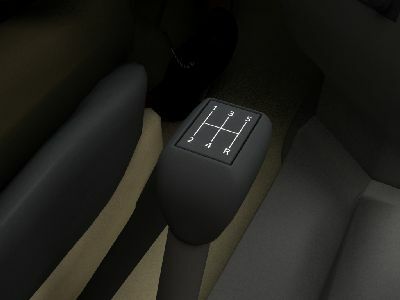
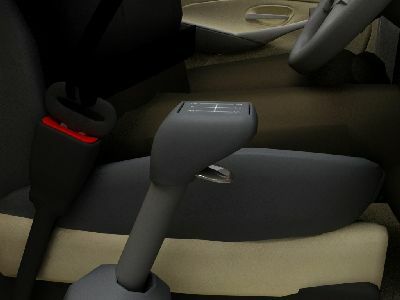
The reduction in specific fuel consumption achieved through the use of a turbocharger was confirmed by dynamometer tests comparing two identical diesel engines, one of which was equipped with a turbocharger. The study shows that the turbocharged engine's specific fuel consumption decreased by approximately 10% while significantly increasing available power.
35
The power loss of a naturally aspirated piston engine operating at 2,000 m above sea level is approximately 20% compared to operating at 0 m above sea level. At the same time, specific fuel consumption increases by approximately 20%. The use of a turbocharger significantly reduces the available power deficit.
36
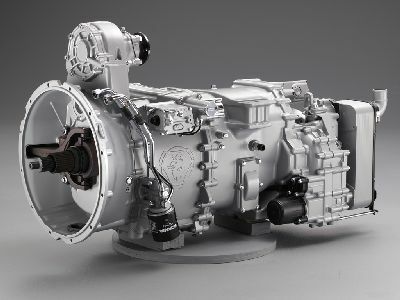
The reduced performance loss at high altitudes is due to the significantly increased amount of air supplied to a turbocharged engine compared to a naturally aspirated engine. It's worth noting that turbocharging systems were developed and began to be produced on a large scale to increase the power of piston aircraft engines as a way to reduce performance at high altitudes, where air density drops significantly.
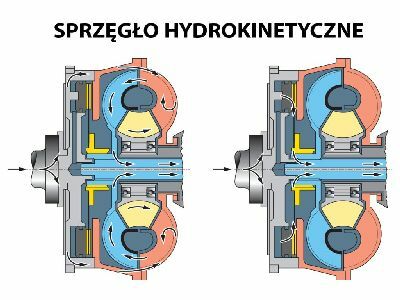
37
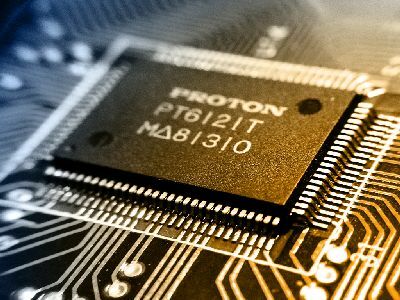
The advantage of turbocharging is an improved torque waveform. Both the torque magnitude and its peak amplitude increase. More torque is available at lower rpm. The peak amplitude of the torque waveform depends largely on the characteristics of the turbocharger, which must be matched to the engine in terms of compression ratio and efficiency. Note that the compressor is driven by the exhaust gas flow, so there is a delay between the addition of gas and the compressor's response.
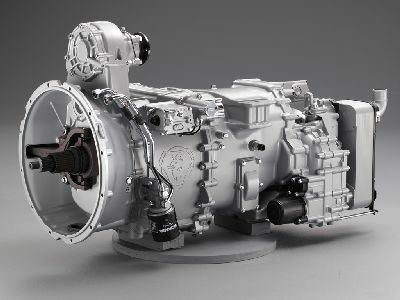
38
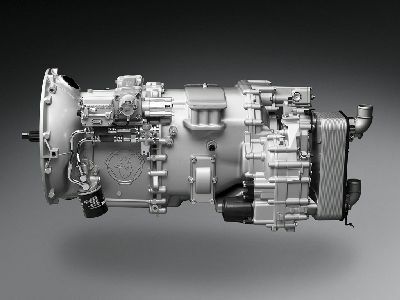
This delay is also caused by the inertia of the compressor rotor. At low exhaust gas volumes, the turbine can spin very slowly, producing no noticeable effect. As a result, the turbocharger's effective operation is only noticeable at certain engine speeds. This phenomenon is known as "turbo leakage." Attempts have been made to counteract this by choosing either smaller turbochargers, which provide a smaller increase in engine power at lower engine speeds, or larger ones, which provide a greater increase in power and torque at higher engine speeds.
39
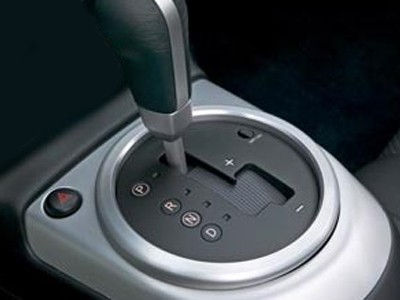
Noise reduction is also achieved with a turbocharger. Exhaust gases, when driving the turbocharger, transfer some of their kinetic energy to the turbine blades. This allows them to exit the exhaust system at a lower speed, resulting in less noise. A turbocharger can, in a sense, be considered an additional muffler, especially if it has a water jacket connected to the cooling system. Sometimes a turbocharger is installed in place of the primary muffler in the exhaust system.
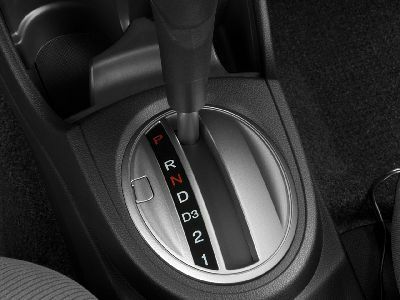
40
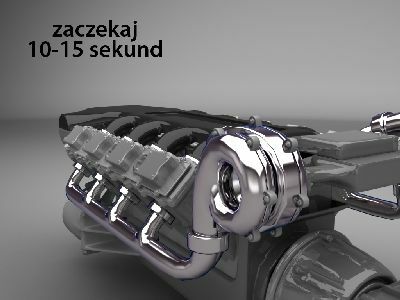
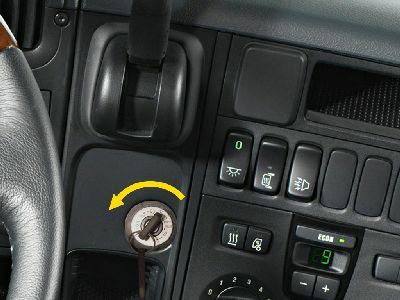
Since the turbocharger is lubricated by engine oil, we need to understand several operating conditions. After starting the engine, wait about 10-15 seconds before driving. Also, avoid abruptly increasing engine speed. This will allow the oil to fill the oil lines and the space provided in the turbocharger.
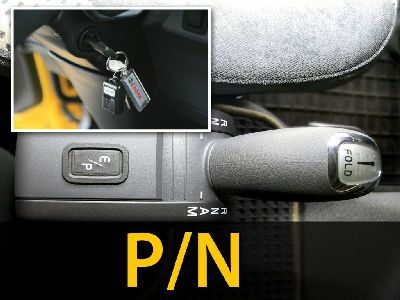
41
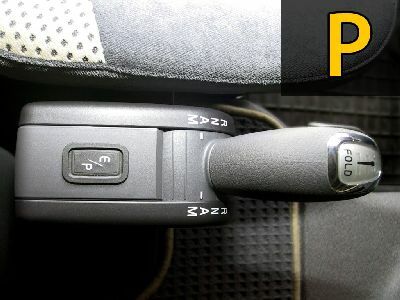
New engine solutions utilize a set of two turbochargers: a smaller and a larger one, covering a much wider range of engine speeds. With advances in materials highly resistant to the damaging effects of exhaust gas flow at temperatures exceeding 800 degrees Celsius, variable geometry compressors are now being developed, capable of efficiently recharging over a very wide engine speed range.
42
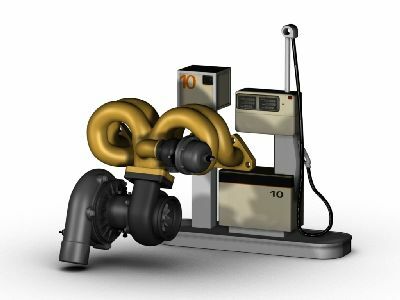
Good fuel quality and proper fuel dosage are crucial for prolonging the life of a turbocharger. Soot from unburned fuel in the cylinder, deposited on the exhaust side of the turbocharger's internal components, can easily lead to failure. Variable geometry turbines are particularly susceptible. Furthermore, any solid particles that come into contact with high-speed rotating turbine blades can damage their surfaces at high temperatures.
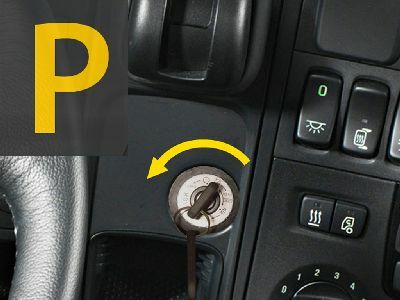
43
Thanks to the high air-to-fuel ratio, exhaust emissions and specific fuel consumption (SFC) are lower than those of a naturally aspirated engine of the same power. By utilizing exhaust gas energy, engine efficiency is increased—remember, exhaust gas energy accounts for 30-40% of the total energy supplied by the fuel.
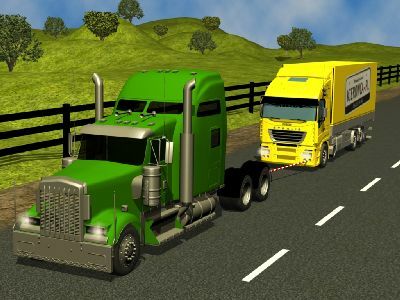
44
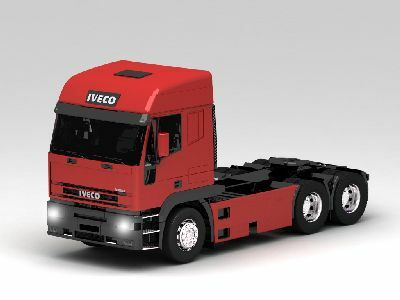
Proper use of vehicle performance is the foundation of safe and fuel-efficient driving. It largely determines the vehicle's reliability and longevity. Many drivers make basic mistakes that compromise road safety and accelerate vehicle wear.
45
Common driver mistakes:
- Driving too fast immediately after starting a cold engine causes accelerated engine wear;
- Driving too long with the starting device engaged (if equipped) causes rapid wear of pistons and cylinders;
- Driving too slowly in high gear causes rapid engine wear;
46
- In addition, abrupt starting and abrupt release of the clutch pedal cause accelerated wear of the tires, joints, axle shaft splines, and clutch;
- abrupt braking (with locked wheels) causes accelerated tire wear;
- the gear pedal is pressed for a long time
47
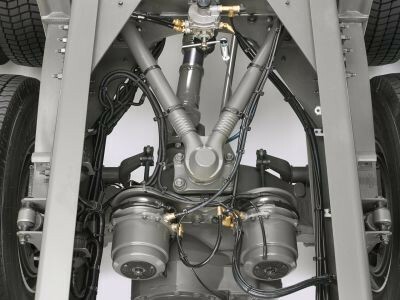
The propulsion system is a set of mechanisms and devices used to propel a vehicle.
48
This system transfers mechanical energy from the engine through the gearbox and drive axle to the vehicle's wheels. This is controlled by the driver via the gearbox, ensuring optimal use of mechanical energy under various driving conditions. The transmission affects the vehicle's performance, fuel consumption, and exhaust emissions.
49
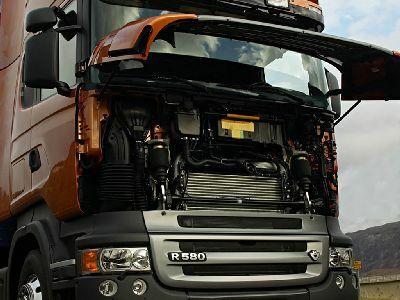
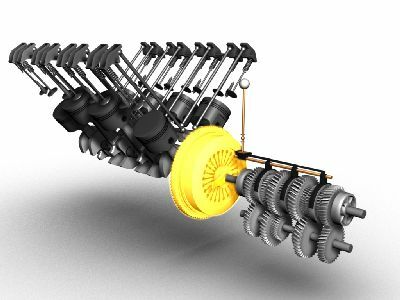
Trucks are equipped with an engine located either above the axle or between the front and rear axles. These are station wagon-type vehicles. This design is used because traffic regulations limit the overall length of a tractor-trailer combination. The same applies to tractor-trailers in which a significant portion of the semitrailer's weight rests on the fifth wheel coupling above the rear wheels.
50
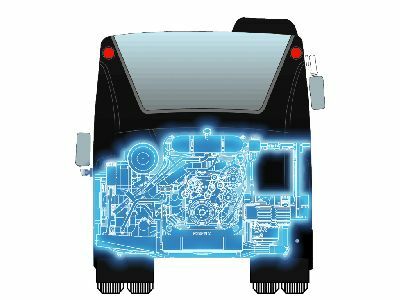
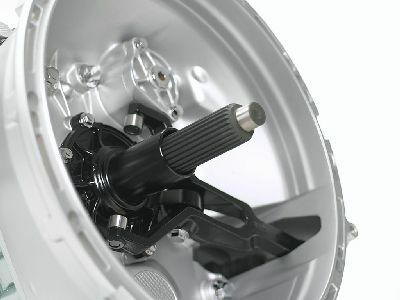
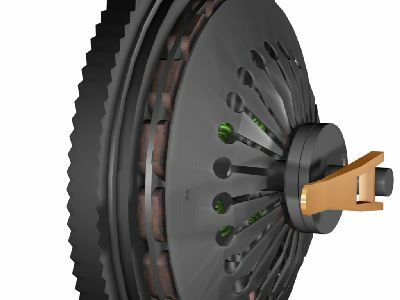
The solution of placing the engine in the rear of the vehicle is used in buses due to the even distribution of the vehicle load among the passengers carried and the reduction of the noise emitted by the vehicle by the running engine.
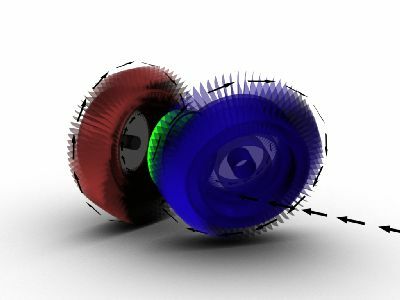
51
The drive system consists of the following elements: engine, flywheel, clutch, gearbox, driveshaft, gearbox - if any, differential, driveshaft, wheel hub, gearbox - if any.
52
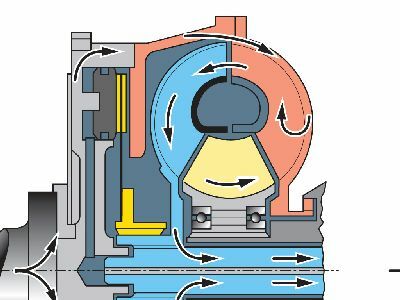
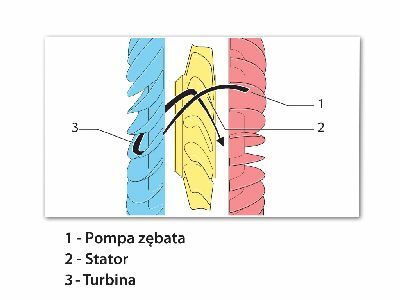
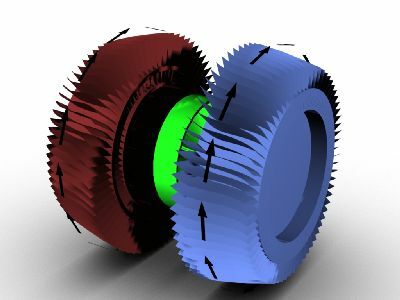
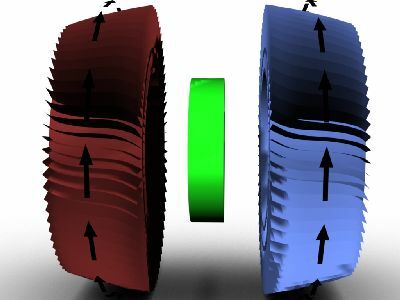
The components mentioned above can be combined in a vehicle to create complex drive systems. They can also be placed separately. Then, to connect the individual components, cardan shafts are used with articulated joints or elastic elements that allow relative rotation of the cardan shaft relative to the active shaft depending on the transmitted torque.
53
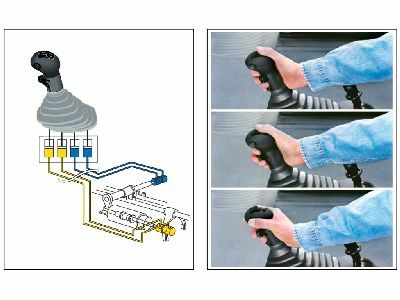
Gear shifting in a transmission can be manual, mechanical, or automatic. In automatic transmissions, control is provided by hydraulic systems. The gearbox's sequential ratio is selected based on the characteristics of the engine it will be paired with to ensure optimal torque utilization.
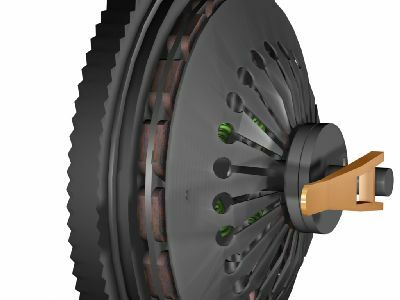
54
The choice of gear ratios depends on the vehicle's power balance. The gear ratio should be chosen so that, given the engine's external characteristics, the vehicle can achieve the highest possible top speed for its intended purpose while still having the greatest power reserve for climb and acceleration.
55
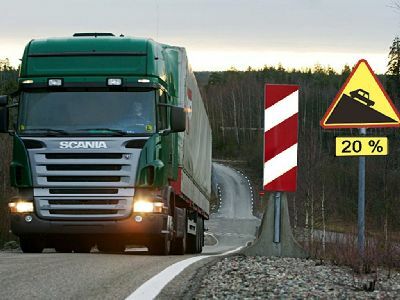
Driving uphill and accelerating a car depend on many factors. Keep in mind that at high speeds, the car has less and less power available for climbing and accelerating. Climbing a hill and skillfully accelerating largely depends on driver skill. These factors include the appropriate gear ratio and the use of the vehicle's inertia.
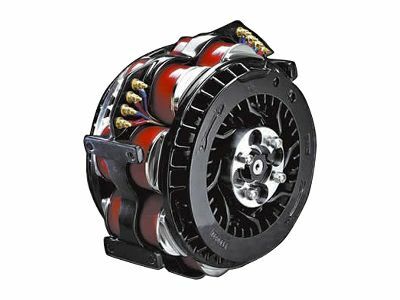
56
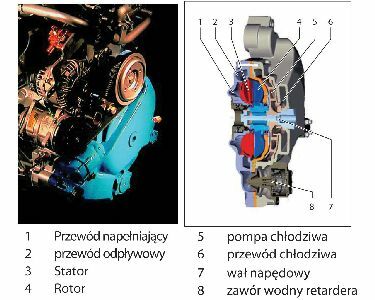
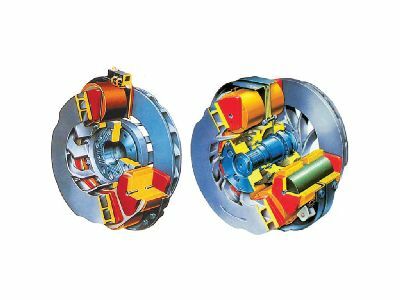
The driver should utilize the transmission's full capabilities. The correct gear ratio helps reduce fuel consumption. The driver should also be able to utilize the vehicle's traction potential under all conditions. The optimal and most efficient use of the transmission's speed and gear ratio is assessed when the vehicle is climbing a hill.
57
Since maximum torque is achieved by an internal combustion engine in the speed range where specific fuel consumption is lowest, gear ratios must be selected to ensure the vehicle's intended speed is achieved at the speed with maximum torque. It can be said that by maximizing torque, we obtain motive power at the lowest cost.
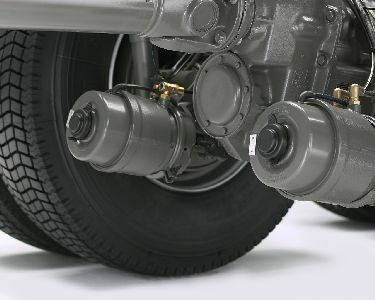
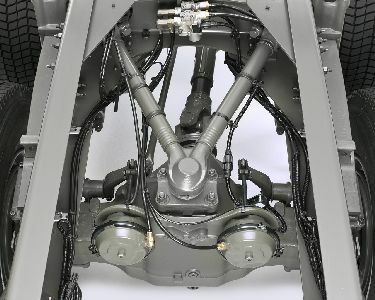
58
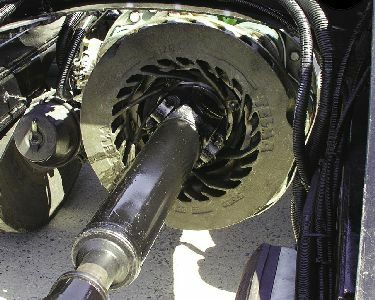
A common design element of final drives is an attempt to minimize frictional losses. Gear meshing creates friction and, therefore, fuel loss. Gears and bearings in the drive system have been improved over the years, resulting in improved fuel consumption.
59
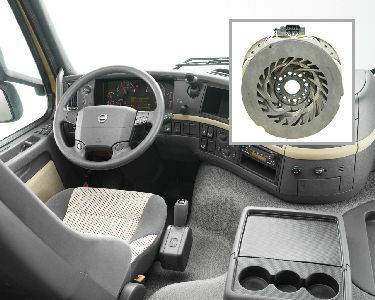
Durability is crucial for the final drive. In terms of fuel economy, the lighter the final drive, the better. Most final drives are designed to meet specific performance requirements.
60
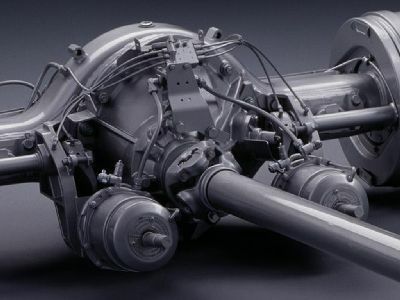
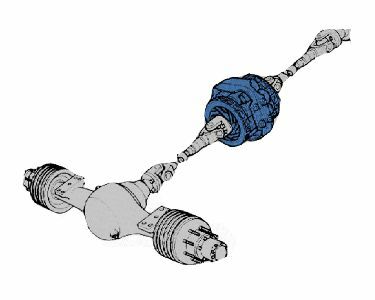
Gearboxes are characterized by high durability and operational reliability. This is due to the high wear resistance of the wheels and bearings. Gearboxes have evolved, replacing spur gears with continuously meshing helical gears. These wheels can withstand heavier loads, and the gearbox operates quieter.
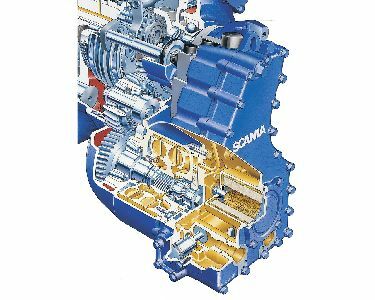
61
The design of the gearbox also includes such an element as compactness, so that it can be as small and light as possible, leaving as much space as possible for passengers, cargo and other components of the car.
62
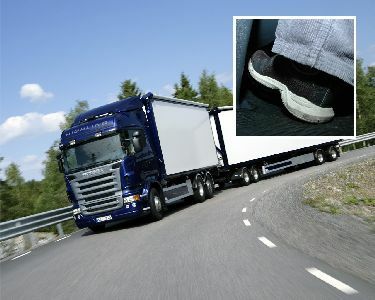
A car's gearbox is used to drive at different speeds. It alters the driving force on the wheels. Drivers should remember that as speed increases, the driving force decreases. Depending on road conditions, the appropriate gear (i.e., the appropriate gear ratio) should be selected. Optimal gear shifting significantly impacts the longevity of the car, especially the engine, and, importantly, fuel consumption.
63
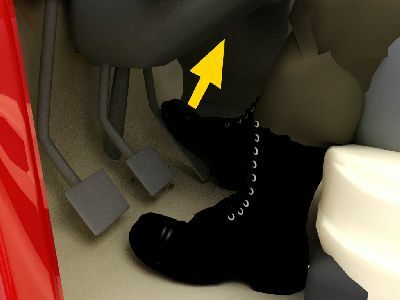
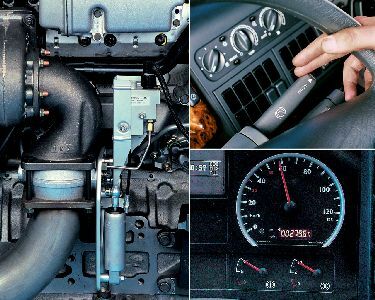
An important feature of the transmission is its quiet operation and easy gear shifting. To eliminate judder during shifting, it is necessary to equalize the speed of the mating components using synchronizers. However, before this solution was implemented, the driver had to synchronize the rotation speed of the driveshaft with the driven shaft and release it twice (disengage and engage).
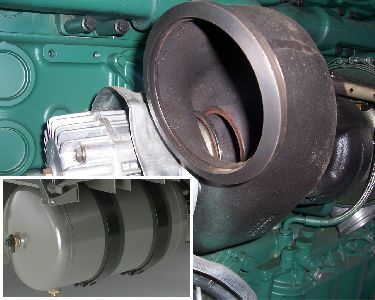
64
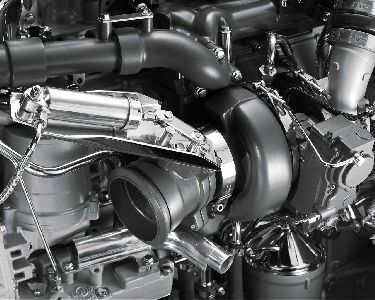
The main functions of the gearbox are:
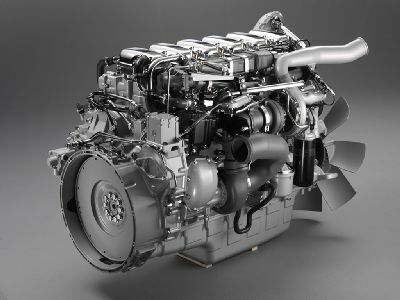
- changing the driving force on the wheels depending on the resistance to movement acting on the vehicle; the lower the gear, the higher the value of this force;
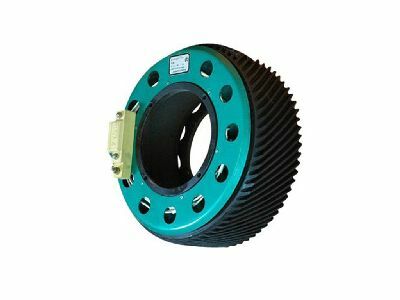
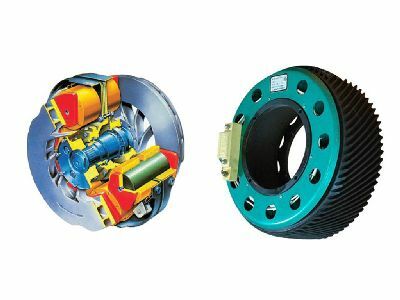
- the ability to disengage the engine from the drive system despite the clutch being engaged (the so-called backlash, also known as the neutral position);
- the ability to reverse.
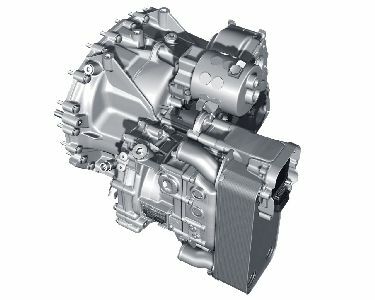
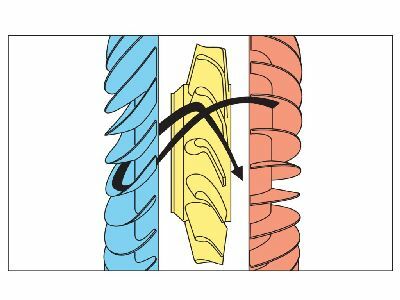
65
Gearboxes with fixed axles are divided into two categories based on the gear shifting method:
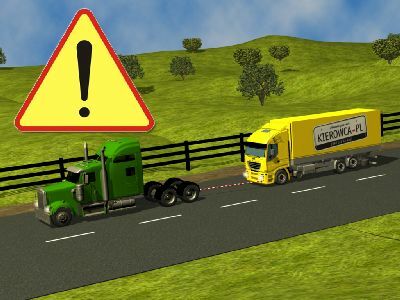
- gears with sliding wheels,
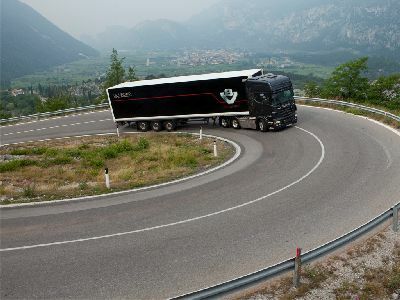
- gears with constant meshing wheels.
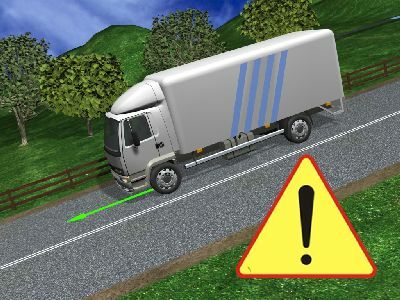
66
Gearboxes with fixed axles are classified according to the gear shifting method:
- gearboxes with sliding wheels,
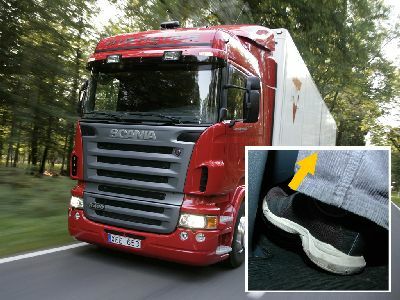
- gearboxes with constant wheel engagement.
67
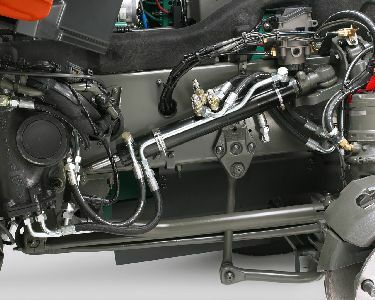
The gearbox is divided into the following categories based on the control method:
- manual transmissions with manual gear shifting by the driver;
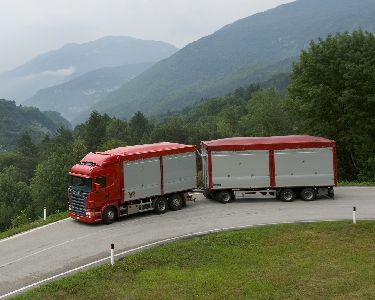
- automatic transmissions, in which the optimal gear ratio under given conditions is selected automatically, without driver intervention; this only determines the gearbox's operating range, such as forward, reverse, etc.
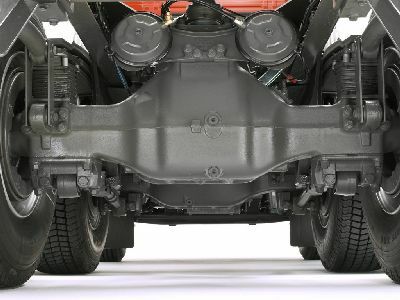
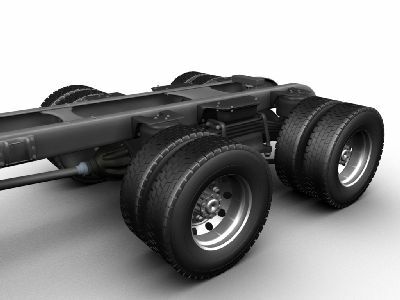
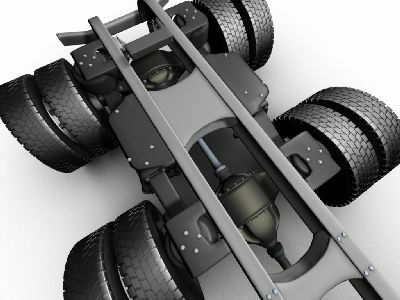
68
- automatic transmissions, as a link between a manual transmission and an automatic transmission, in which gear shifting is carried out using automatic control (actuators).
69
The gearbox is connected to the engine via a friction clutch. This allows the drive to be disengaged during shifting, then smoothly equalizes the speed to avoid overload, and finally, firmly transmits torque.
70
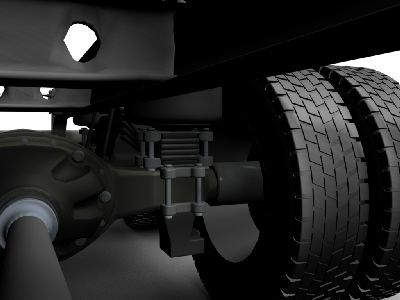
A multi-plate clutch consists of several friction discs. This design greatly increases friction and extends the clutch's service life. This design is most often used in wet and dry clutches for heavy-duty vehicles.
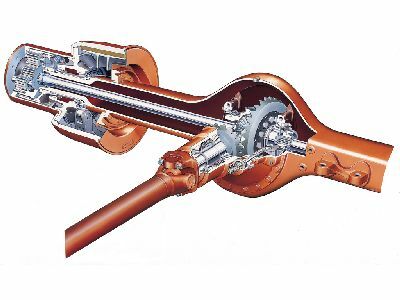
71
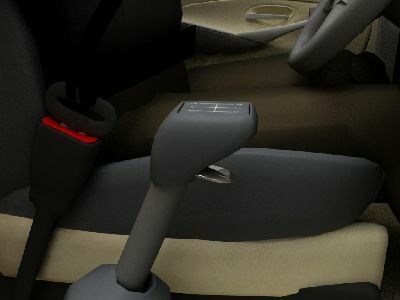
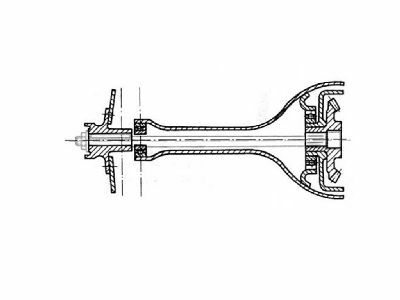
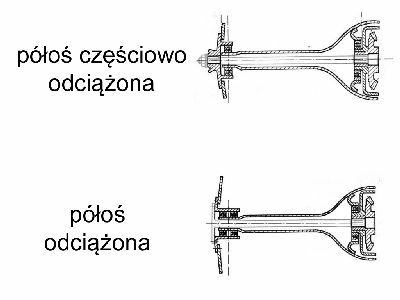
In manual transmissions, gear ratios are changed using gears. Manual transmissions have a manual gearshift lever. In such a transmission, the gears are in constant mesh. The appropriate gear ratio is selected through a complex system of synchronized clutches (synchronizers).
72
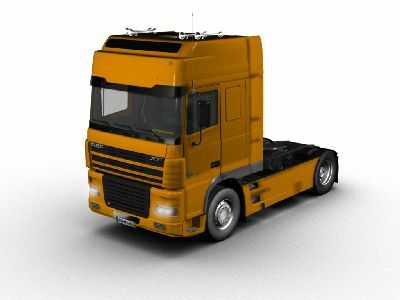
Sequential transmissions are a type of manual transmission originally used in motorcycles. Gear shifting is accomplished with a lever that can only shift one gear at a time (up or down). Electronically controlled, they are also used in cars and trucks.
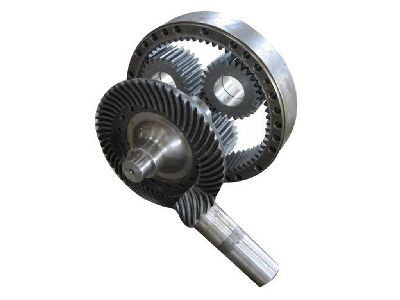
73
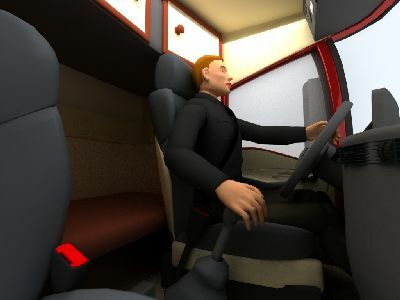
In mechanical shifting systems, levers and cables can become deformed. Even minor changes in length or play in these shifting elements impede shifting. Therefore, mechanical systems are being replaced by hydraulic or pneumatic systems. They are primarily used to control multi-speed transmissions with multiple gear ratios.
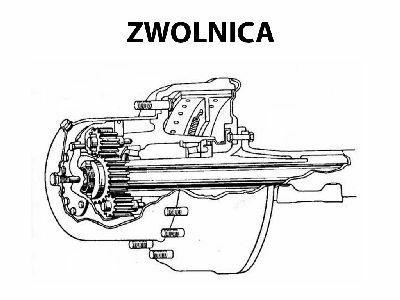
74
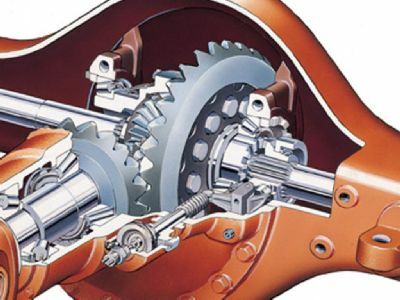
Such a large number of gears forces the driver to shift frequently, which negatively impacts operator comfort. Therefore, the gear ratio change units and their range are typically controlled pneumatically using actuators mounted on the gearbox. The gearshift drive is controlled by moving the gearshift lever from one position to another, without the use of additional switches.
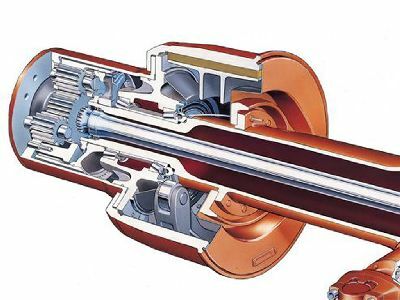
75
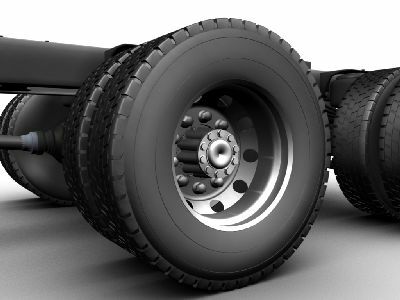
When the driver presses the clutch pedal, the gear shifts automatically, but if the driver ignores the console and does not press the clutch pedal, the vehicle will continue to shift in the current gear. The driver can switch between manual and automatic control.
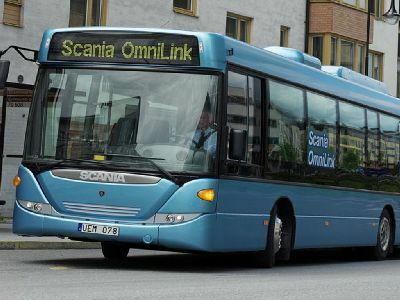
76
Movement of the gearshift lever activates electromagnetic valves that control air cylinders that act on the internal gearshift mechanism. In automatic mode, the driver does not need to depress the clutch to engage the system's suggested gear.
77
Some transmissions are equipped with automatic control systems that select the optimal gear ratio for prevailing conditions while simultaneously ensuring fuel-efficient driving. These systems simultaneously control the clutch and gearbox.
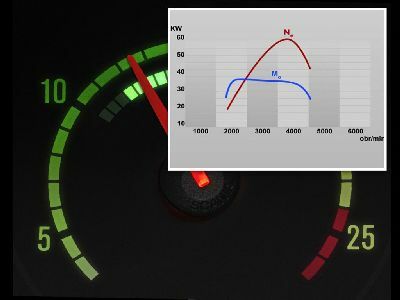
78
Patented and used systems of this type:
1) Scania CAG,
2) Mercedes-Benz EPS,
3) Volvo Geartronic.
79
CAG control system. The Scania Aided Gearshift computer includes an electronic control module and sensors, such as engine speed, pedal position, current gear, and ground speed. If the system determines that the gear is not optimal for the current driving conditions, a suitable number of gears is displayed on the instrument panel.
80
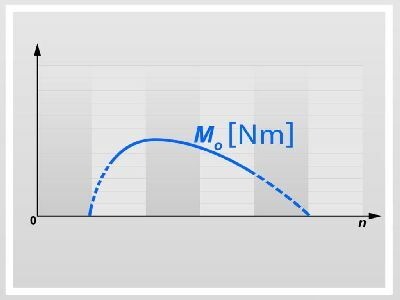
In a hydromechanical transmission, gear shifting is accomplished by changing the fluid flow rate. These are typically automatic or semi-automatic transmissions.
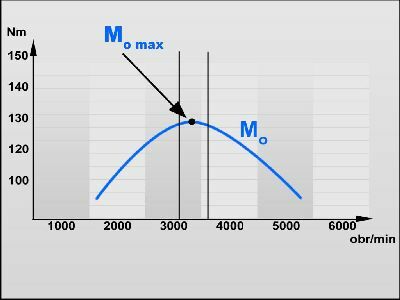
81
In the simplest continuously variable transmission, gear ratios are achieved by a specially designed V-belt wound around two pairs of bevel gears that move apart or slide together, ensuring smooth gear shifting. The gear ratio in this design can be any value, within certain limits. It is primarily used in modern agricultural tractors and scooters.
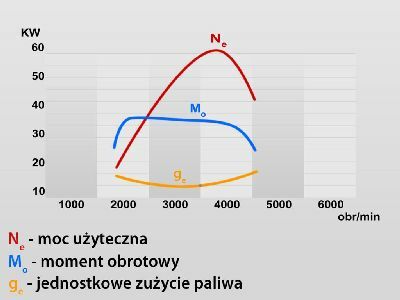
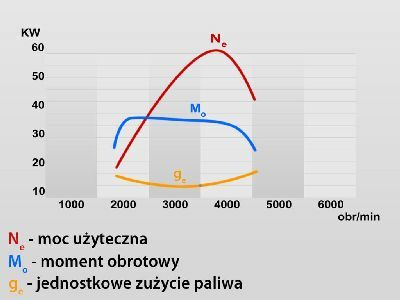
82
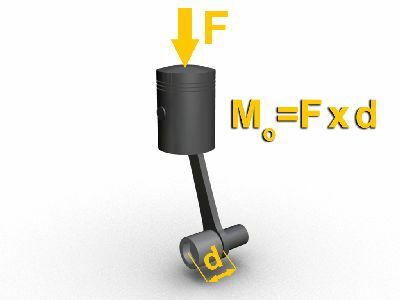
The best transmission performance is achieved by selecting the gear ratio based on driving conditions so that the engine operates in the most favourable speed range (between maximum torque and maximum power).
83
When driving economically, especially with light loads and on good roads (dry and smooth), the driving speed is slightly below the specified maximum torque equivalents. The evaluation criteria include driving smoothly, engine performance, and acceleration ability in a given gear. It should also be remembered that driving at low speeds, especially in higher gears, is harmful to the engine and hinders rapid acceleration (for example, in situations where this is necessary for safety reasons).
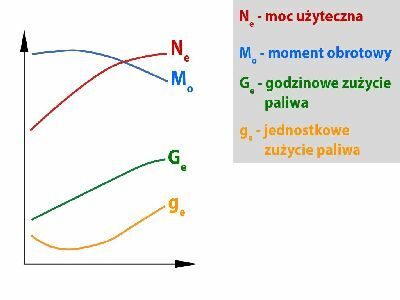
84
To fully utilize the engine's performance and achieve maximum acceleration, the vehicle's speed in each gear should be adjusted to a speed corresponding to the engine's maximum power, and gear shifting should be performed as quickly as possible (so that the engine speed does not drop below the speed corresponding to maximum torque).
85
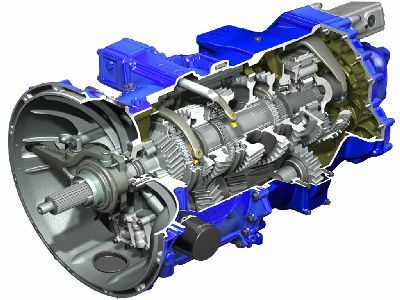
A gearbox is a transmission unit within a vehicle's drivetrain that mediates the transfer of power from the engine and, through other drive mechanisms, to the vehicle's drive wheels. Its functions include disengaging the drive (called an intermediate gear), changing the direction of travel (reverse gear), and adapting the driving force to changing driving conditions (speed, vehicle inertial resistance, road inclination, surface type and condition, air resistance, etc.) by shifting the gear ratio and, thus, changing the torque.
86
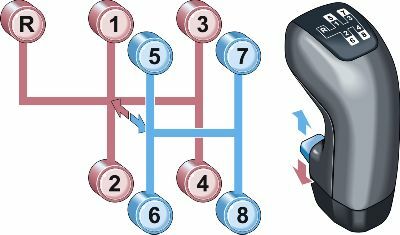
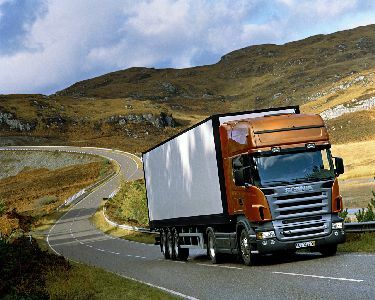
In a vehicle equipped with a manual transmission, the gears are used as follows:
- first gear is used for starting off, as well as for climbing steep slopes and driving at very low speeds;
- second gear is used for starting off on icy roads and crossing intersections from a secondary road;
87
- We use third gear for driving in populated areas.
- Fourth gear is used for driving outside populated areas and, if necessary, within populated areas.
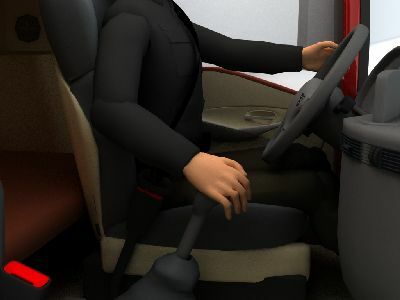
- Fifth gear, sometimes called overdrive, is used for so-called economy driving in good road and weather conditions.
88
Overdrive is an additional gear ratio and is the highest gear ratio in a transmission. The driven axle rotates faster than the drive axle, and the gear ratio is lower than 1:1. Overdrive is an additional gear used when the vehicle is moving at a high, consistent speed.
89
Overdrive allows you to increase the vehicle's speed without increasing engine speed. The advantage of using overdrive is reduced fuel consumption. We use overdrive with low driving resistance (for example, on highways and even road sections).
90
An automatic transmission is a hydraulic system that selects the gear ratio between the engine shaft and the drive wheels without driver intervention. The most common automatic transmissions are centrifugal (Variomatic) or hydrokinetic (Hydramatic).
91
The principle of an automatic transmission is simple. Such a vehicle has no clutch pedal. The clutch is performed by a torque converter. By pressing the accelerator, the driver increases engine speed, causing the rotor of a special pump to rotate along with the flywheel, thereby circulating oil within the unit. The oil acts on a second turbine, whose power is transmitted to the vehicle's wheels via the gearbox and other drive system components.
92
The appropriate gear selection in an automatic transmission is performed by an electronic control unit. It collects the necessary information from sensors. This information relates to the position of the accelerator pedal (a potentiometric sensor located on the throttle axis) and vehicle speed (two independent speed sensors). The corresponding characteristics, stored in the controller's memory, ensure proper operation of the transmission in various situations and, compared to the information currently provided, allow the unit to be adjusted to meet current needs.
93
By design, automatic transmissions are divided into:
- hydraulic transmissions,
- hydroelectric transmissions,
- hydraulic transmissions with electronic control,
- continuously variable transmissions.
94
The main elements of the gearbox are:
- gripper,
- gear set,
- control device.
95
For torque converter engines, a three-element torque converter, a simpler torque converter, or a rotary hydraulic pump may be used as a clutch, possibly with additional functions.
96
Gearboxes use a mechanical locking system to lock the transmission in the P position of the gearshift lever. This is typically a ratchet with radial or axial teeth that locks the output components of the gearbox (shafts or pressure plates). In some types of gearboxes, it is possible to shift the selector into P while driving, which almost always results in serious damage to the gearbox (breakage of the lock, wheels, or even the housing).

97
The automatic transmission has a driver-accessible jack that shifts the transmission into the desired primary operating mode. The selector has a mode indicator. Typical gearboxes used today have primary shift elements and P-R-N-D positions.
98
In a vehicle equipped with an automatic transmission, the engine can generally only be started when the P (Park) and N (Neutral) shift positions are disengaged. It is also recommended to turn off the engine in the P and N positions, although stopping the vehicle is possible in any shift position, even in gear.
99
Knowing how to operate and properly disengage the drive significantly relieves the transmission hydraulics, especially in older automatic units—pressures are reduced in the P/N position. When the engine is shut off in the D or R position, the transmission systems remain stationary under adverse pressures and loads.
100
Automatic transmission position designations:
P – Park – the transmission is in neutral, not transmitting rotation or torque to the wheels. The same applies to N. Furthermore, the transmission is mechanically locked at the wheel end. In this position, the non-driven wheels can still rotate. The starter can be engaged in this position, similar to N.

101
The lock installed in the gearbox is mechanical and should never be attempted while moving, as this could cause damage. Before using the P, apply the service brake and engage the auxiliary brake to relieve the load on the pawls.
102
R - Reverse means reverse gear. The transmission is engaged in reverse, and the clutches and planetary gears are connected via electronic or hydraulic locking mechanisms to prevent attempts to quickly shift into R while moving forward or in similar situations.
103
N - neutral, also known as slack, the transmission transfers little or no torque from the engine to the drive wheels.
P - park - the transmission unlocks the starter system; typically, in positions other than P and N, it's impossible to start the engine.
104
The locking device installed on an automatic transmission is an accident prevention measure. Without a mechanical clutch, the engine rotates freely when the transmission is idle and can be started in virtually any selector position. When operating pressure increases, the transmission engages a gear, causing the vehicle to move in an undesired direction.
105
A vehicle equipped with an automatic transmission can be towed for short distances of a few or even dozens of kilometers at low speeds. However, during towing, it's important to take breaks to allow the transmission to cool (if the engine and transmission can be started, start the engine every few kilometers and let the transmission idle to lubricate and cool the mechanisms).
106
Towing or attempting long or fast driving with 4WD, such as throwing the car while driving in N, damages the gearbox mechanisms due to lack of lubrication and overheating, exposing us to very high repair costs.
107
D - Drive, sometimes designated OD, the D within O, is the primary forward position.
The transmission combines gears across the entire range of speeds and ratios (3 for older transmissions, 4 or 5 for typical ones, 6 to 8 for the latest generations) depending on the position of the gas pedal, brake pedal, vehicle speed, and several dozen other parameters taken into account by the control system.
108
Shift characteristics and points usually depend on how aggressively the accelerator pedal is applied. Downshifts generally occur depending on the pedal position. A sudden press of the pedal sometimes results in a two-gear downshift.

109
The most popular mode in modern automatic transmissions is 3 or D, if the default mode is OD. This position "shortens" the transmission to an overdriven higher gear(s). The transmission continues to operate in automatic mode from 1st to an intermediate gear, such as 3rd.

110
It is important to familiarize the driver with the automatic transmission manual, especially regarding the use of shortened modes.
111
The high shift mode is such that the gearbox constantly shifts up between 3-4 and back (for example, the 3-4 shift point is 70 km/h when driving in heavy traffic and on average around this value) - then it is better to engage constant mode 3 so that the gearbox stays in one gear, instead of constantly shifting 3-4-3-4).
112
Additional modes: 2 or S – this is a locked 2nd gear (second, snow). Depending on the manufacturer, the transmission either locks out 2nd gear completely or automatically uses 1st and 2nd forward gears. This mode is sometimes marked with an asterisk, snowflake, or "snowball" symbol, etc.
113
This mode is used for starting off on slippery surfaces, such as snow, ice, and sand. (If the surface offers no resistance and the drive wheels spin faster and faster, the transmission perceives this as forward motion and shifts up through the gears, which, in older systems, prevented effective starting on slippery surfaces.) In many cases, this mode is also recommended for the most challenging tasks, such as towing heavy trailers, climbing steep descents and ascents, etc.
114
Second gear in an automatic transmission is typically the most powerful gear in terms of torque transfer, with a top speed of 80 km/h (50 mph). Always consult the vehicle manufacturer's recommendations for proper use of locked gears (gear selector shift capabilities "in gear," recommended loads, top speeds, etc.).
115
The automatic transmission uses additional modes, such as 1 or L, which locks 1st gear (low). The transmission locks 1st gear. This gear is used similarly to 2/S modes, especially for starting under heavy loads (trailers, slopes, etc.). Always check the vehicle manufacturer's recommendations for the proper use of locked gears (loads, maximum speeds, etc.).

116
Power is transmitted between the gearbox and the engine via a friction clutch. Using a lever or clutch actuator, you can disengage the drive during shifting, smoothly equalize speeds to avoid overload, and finally, transmit torque.
117
The friction clutch consists of a pressure plate, a movable disk covered with linings made of a material with a high coefficient of friction, and a flywheel inseparably connected to the engine crankshaft.
118
When the clutch lever is released, the discs remain pressed together with maximum force, with no difference in speed between them. Pressing the pedal reduces the pressure on the discs, increasing slip until the discs completely disengage. The clutch pedal is controlled by a lever, while in modern vehicles it is actuated by a hydraulic system.
119
The primary functions of automotive clutches are:
- connecting the engine to the transmission,
- ensuring smooth vehicle movement,
- temporarily disengaging the drive from the engine when shifting gears,
- preventing damage to drive system components in the event of excessive load (a condition known as skidding).
120
By using couplings, drive system components and working mechanisms can be designed as separate units, assembling them accordingly depending on the design needs of the vehicle.
121
In automobiles, the clutch is the element that connects the engine to the transmission (usually a friction type). Dry clutches are most commonly used in automobiles (single-plate clutches in cars and minibuses, multi-plate clutches in trucks), while motorcycles use wet clutches (operating in an oil bath) and multi-plate clutches.
122
Types of clutches used in automobiles:
- friction clutches,
- electromagnetic clutches,
- torque converters.
123
The coupling consists of an active (driver) component located on the active shaft, a passive (slave) component mounted on the secondary shaft, and a connector for both elements. When a solid body serves as the connector, the coupling is called mechanical; when a fluid serves as the connector, the coupling is called hydrodynamic; and when an electromagnetic field serves as the connector, the coupling is called electromagnetic.
124
Fluid (hydraulic oil) is the driving force behind the torque converter. The fluid's inertia forces it to circulate between the blades of the opposing pump and turbine rotors. The pump rotor is permanently connected to the engine crankshaft, and the turbine rotor is mounted on the transmission clutch shaft. The blades of both rotors are shaped to form curved channels, several dozen of which are located around the circumference of the rotors.
125
As the crankshaft rotates, the fluid filling the pump rotor channels is forced away from the rotor's axis of rotation by centrifugal force. Fluid exiting the pump rotor channels encounters turbine blades, forcing it back into the pump rotor channels. By changing direction as it exits the pump impeller channels, the fluid exerts strong pressure on the turbine impeller blades, causing it to rotate behind the pump impeller.
126
The advantages of torque converters include constant torque transmission and complete damping of all vibrations and shocks in the drive system, as well as a very flexible connection between the crankshaft and the clutch shaft.
127
Torque converter design.
The main components of a torque converter are two impellers mounted in a common housing. One of them is connected to the engine crankshaft and functions as a hydraulic pump.
128
The second is mounted on the gearbox shaft and forms a turbine, rotating due to the flow of hydraulic fluid, which is pumped by the pump. Between them, a third paddle wheel (fixed) with a variable blade pitch is usually located.
129
The third impeller directs the oil flow to the turbine blades at an angle that varies depending on the rotor axis. A decrease (sharpening) of this angle increases the turbine's torque, while an increase in the angle reduces it. Typically, the converter provides a torque increase of 2-2.5 times.
130
The clutch disc is made of a metal disk with friction elements attached to both sides. When the clutch is engaged, compression springs force the clutch disc to be compressed between the drive components (flywheel and pressure plate). The friction force between these components allows the clutch to transmit torque.
131
Car clutches can be divided into:
- single-disc,
- dual-disc,
- multi-plate.
132
Another important component that frequently wears out in a vehicle is the brakes, or more specifically, the brake pads. Given the vehicle's heavy weight, they are particularly susceptible to wear during braking. Therefore, in addition to brakes, braking solutions called retarders are used.
133
A retarder, like an engine brake, doesn't load the vehicle's main brakes. It's typically used during the initial braking phase to convert the vehicle's kinetic energy into heat. Its use reduces wear on the service brakes and improves active driving safety. Based on their operating principle, retarders can be classified as hydrodynamic (hydraulic) or electromagnetic (electromagnetic).
134
An electrodynamic retarder is similar in design and function to a hydrodynamic brake. Based on their installation location in a commercial vehicle, these devices can be divided into two groups. Primary retarders, installed between the engine and gearbox, affect engine speed. Secondary retarders, installed between the gearbox and the wheels, directly affect vehicle speed.
135
Hydrodynamic retarders consist of two coaxial working parts: a stationary stator (stator) secured in a housing and a rotor (rotor), also located within the same housing, rotating with shafts connected to the gearbox and pinion of the driven axle. When the vehicle's wheels turn during movement, the rotor rotates at a speed dependent on the forward speed. Both parts, the stator and rotor, have cavities separated by partitions in the frontal planes.
136
Sometimes, designs with a rotor interacting with two stators located on either side of it are used. Using a double-sided rotor allows for a smaller retarder diameter. The retarder housing contains an oil-filled reservoir. The reservoir is connected to a compressed air system used to operate the suspension brakes and other pneumatic devices. Controlling the air flow into the reservoir allows for flow control and increased or decreased pressure.
137
Depending on the pressure in the tank, a certain amount of oil is supplied to the part of the housing containing the stator and rotor. For the retarder to function properly, the pressure in the system must be at the correct level. The baffles of the rotating rotor force the oil to perform a circular motion within the retarder. The oil encounters resistance from the baffles of the stationary stator. Hydrodynamic retarders can be installed in series or in a bypass configuration.
138
In the second case, the retarder axis is parallel to the transmission shaft axis. An additional gear is required to connect the retarder to the transmission. In this case, an overdrive gear is used. As a result, the retarder's dimensions and weight can be reduced. For example, the VOITH R115H parallel brake, with its own weight of approximately 60 kg, generates a braking torque of 3,200 Nm. The R120 series retarder, similar in weight, has a maximum torque of 2,000 Nm. An additional advantage is the option of an additional drive.
139
The rotating rotor baffles force the oil into a circular motion within the throttle valve. The oil encounters resistance from the stator baffles. Clamping forces are applied to the stator, and equal reactions are transmitted by the oil to the rotor. The rotor is braked by a torque dependent on its diameter and the rotor's strength. The braking torque is transmitted to the vehicle's wheels, causing braking forces directed in the direction opposite to the driving forces.
140
Retarder requirements: The retarder must be controlled by the ABS system so that the axle wheels do not lock under the retarder's influence at speeds above 15 km/h. This requirement does not apply to engine braking; the retarder must have several levels of effectiveness, depending on needs and conditions. It is crucial that the retarder disengages when the vehicle skids and the ABS system is activated.
141
The following information must be displayed in places visible to the driver on vehicles equipped with retarders: the maximum mass that can be towed without using a retarder, the ratio of the required minimum power of the trailer or semi-trailer retarder to its mass, confirmation of the compatibility of the retarder control with the trailers attached, and a warning about the danger of coupling with an incompatible trailer.
142
If a trailer or semi-trailer is equipped with a retarder, the following marking must be indicated on it: the ratio of the retarder power of the trailer or semi-trailer to its weight, confirmation of the compatibility of the controls with other members of the train, a warning about the danger of coupling the trailer or semi-trailer with an incompatible tractor.
143
Retarder Location.
Most often, a retarder is mounted on the gearbox, while retarders with a torque converter also use gears to increase braking force. The retarder can also be mounted on the vehicle frame in the location of the driveshaft support bearing (not very advantageous due to the torque on the shafts) and attached to the drive axle housing, where it acts on the final drive input shaft.
144
In addition to independently mounted retarders, there are also internally linked retarders in the gearbox or intraders mounted between the gearbox and the engine, which work with manual transmissions.
145
Retarders are used:
- in intercity and city buses with a gross vehicle weight exceeding 5.5 tons,
- in heavy-duty trucks and trailers (semi-trailers),
- in municipal vehicles,
- in supply vehicles,
- in vehicles transporting hazardous materials with a gross vehicle weight exceeding 16 tons or designed to tow trailers (semi-trailers) with a gross vehicle weight exceeding 9 tons.
146
Continuous brakes are divided into:
- engine brakes (exhaust, water),
- friction brakes,
- electromagnetic retarders,
- hydrokinetic retarders.
147
An engine brake, where the vehicle's engine acts as a retarder, involves braking by capturing engine speed on a drive system connected to the gearbox. In this case, the source of braking torque is the internal resistance caused by friction, pumping effects, and damping of the flow of gases or liquids in the engine.
Engine brakes can be divided into: engine brakes without additional devices, exhaust gas damping systems, decompression systems, and wet brakes.
148
An engine brake without additional devices—the braking effect is achieved by closing the throttle valve in the engine's fuel system. The source of braking force is then the frictional resistance of moving parts and internal losses.
149
Exhaust damping engine brakes - this brake works by compressing air by closing the exhaust manifold using a throttle valve or damper, controlled by the driver or linked to the brake pedal. When this brake is applied, the fuel supply to the engine is cut off. The effectiveness of this brake can be increased by shifting down.
150
The constant throttle brake is located near the exhaust valve. The throttle valve is pneumatically actuated. At the end of the compression stroke, it opens to such a height that there is a constant throttle cross-section of exhaust gases (and subsequently air) entering the exhaust manifold, closed by the throttle valve.
151
New engine solutions utilize a set of two turbochargers: a smaller and a larger one, covering a much wider range of engine speeds. With advances in materials highly resistant to the damaging effects of exhaust gas flow at temperatures exceeding 800 degrees Celsius, variable geometry compressors are now being developed, capable of efficiently recharging over a very wide engine speed range.
152
The hydraulic engine brake (cooling brake fluid) is integrated into the water pump. The operating principle is similar to a classic hydraulic brake, except that coolant is used instead of hydraulic oil.
153
The electromagnetic retarder (Telma) is an electric brake operating using eddy currents. The brake consists of a stationary housing (stator) with induction coils and two mild steel discs (rotor) with air-cooled blades.
154
Electromagnetic retarders can be used on multiple axles of road trains with heavy trailers. Electromagnetic retarders can also be used in trailers and semi-trailers.
155
The operating principle of a torque converter retarder is identical to the operating principle of torque converter clutches in automatic transmissions, except that in brakes the turbine rotor is permanently connected to a stationary housing (stator), and the pump rotor is connected to the drive shaft (rotor).
156
The working fluid is hydraulic oil, which is pumped into the working space from a lower tank. The Intrader operates very similarly to a torque converter, except that it always operates with a zero-gear ratio.
157
An undesirable phenomenon when a vehicle is towed and the pump fails to pump fluid through the oil cooler can cause the brakes to overheat. For this reason, when towing vehicles with automatic transmissions and intraders (disconnecting the driveshaft), the drive should be disengaged.
158
Engine braking and constant braking – when climbing a hill, select a gear that allows for easy entry without overloading the engine. Going downhill is difficult and dangerous; don't let the car accelerate.
159
When using engine braking, we apply the principle of "which gear up, which gear down." If you downshift incorrectly while driving uphill, the engine can easily stall, creating a dangerous situation on the road. Never put the transmission in neutral. When using engine braking, be careful not to exceed the maximum engine speed.
160
Engine braking works like this: you press the brake pedal, the car begins to slow, and the engine speed begins to drop. When the speed is relatively low and engine braking is therefore not very effective, depress the clutch, shift into a lower gear, and release the clutch (keep the brake pedal depressed at all times). The car will begin to brake sharply again.

161
When the revs drop again and become relatively low, and engine braking is ineffective, depress the clutch again, shift into a lower gear, and release the clutch, etc. Keep the brake pedal depressed, of course. At this point, we're performing the most effective braking—engine braking combined with foot braking.
162
Engine braking, in addition to reducing wear on brake system components, also has the advantage of reducing fuel consumption. It's important to remember that, like any braking, engine braking follows certain rules: the transition to the braking phase should be smooth, by gradually releasing the accelerator pedal.
163
This avoids unnecessary strain on the transmission and timing gear. If the vehicle is not equipped with additional braking systems such as retarders, the engine, even if it does not have a throttle valve, can be used as an emergency brake. In this case, the driver should use a lower gear.
164
A retarder, like an engine brake, doesn't put any strain on the vehicle's main brakes. It's typically used during the initial braking phase to slow the vehicle. Its use reduces wear on the service brakes and improves active driving safety.
165
Based on their operating principle, retarders can be divided into hydrodynamic (hydraulic) and electrodynamic (electromagnetic). It is recommended to combine retarder braking with other braking methods to reduce braking distance.
166
A comparison of the characteristics of an exhaust brake and a hydraulic retarder suggests the advisability of using both types of brakes. This is because a retarder is most effective at low RPM and is not constant, while an exhaust brake operates at high RPM. Using both provides extended braking without using the service brake. This improves safety for vehicles that frequently brake heavily.
167
Construction of a road bridge.
The drive axle has a rigid body, in the center of which are the final drive, differential, and drive shafts. The drive shafts are connected to the drive wheel hubs. Depending on the drive wheel suspension method, drive axles are designed as rigid (dependent wheel suspension) or articulated (independent wheel suspension).
168
The drive axle is a set of drive mechanisms whose tasks include: transferring the vehicle load and uniformly transmitting power from the drive shaft to the support rollers.
169
Drive axles are classified according to their location as follows:
- rear,
- front,
- middle (if the vehicle has more than two axles).
Suspension axles are divided into the following types:
- rigid,
- with independent wheel suspension.
170
A direct bevel final drive occurs when the final drive consists of a pair of bevel gears whose axes of rotation intersect each other. The gears most often have helical teeth to reduce gear noise.
171
A hypoid bevel gear is a final drive made up of a pair of bevel gears whose axes of rotation do not intersect. Hypoid transmissions are most common in city buses. This solution allows the vehicle floor to be lowered relative to the road surface.
172
The drive shaft is part of a vehicle's transmission. It transmits power from the gearbox (or rear axle) to the wheel hubs. It allows torque to be transferred from the engine to the vehicle's wheels. A cardan shaft consists of two joints and a connecting axle, or it can be rigid.
173
The purpose of driveshafts is to transmit torque from the final drive (rear axle) to the vehicle's drive wheels. Driveshafts can be rigid or articulated, depending on their design. This depends on whether they deliver torque to the steered or non-steered drive wheels, as well as whether the wheels are independently or independently suspended.
174
The following types of driveshafts are distinguished:
- unloaded driveshafts, which, in addition to torque, are loaded with bending moments from vertical and horizontal longitudinal and transverse ground reaction forces acting on the drive wheels when the vehicle is moving,
175
- partially unloaded driveshafts, which, in addition to transmitting torque, also transmit some bending moments from the vehicle's drive wheels;
- unloaded driveshafts, which do not transmit bending moments and operate under shear load.
176
Many components in vehicles are constantly in use, including the engine, the entire transmission, and the braking system. To reduce wear and tear, trucks use solutions that support acceleration and braking. These devices improve safety, make life easier for the driver, and ensure a longer component life.
177
A device called a gearbox is used to accelerate a vehicle. Gearboxes can be integrated into the gearbox, although they are often separate components or built into the drive axle. Using a gearbox increases the available torque by increasing the rotational speed.
178
The driver uses a special control system to engage or disengage first or second gear, which in turn doubles the number of gears in the vehicle compared to the number of gears in the transmission. This gives the driver a wider range of gears to choose from, making it easier to accelerate a vehicle, especially a truck.
179
Another type of reduction gear is a spur gear, also known as a side gear, used on the wheel or in the hub of the drive wheel. Final drives are used to increase torque while simultaneously reducing wheel speed, allowing the transmission to operate at higher RPMs. This relieves the engine and reduces the need for as much torque.
180
The gearbox can be integrated into the drive axle or be a completely separate component. However, it is most often an additional module within the gearbox. Gearboxes operating as a separate component typically consist of several gears. Planetary gears or mixed designs are less common.
181
Two-speed or multi-speed gearboxes
There are also other types of gearboxes, known as final drives or side drives. They are located on the wheel or directly in the hub of the vehicle's drive wheel. These components can be cylindrical, bevel, or planetary gears.
182
Some commercial vehicles are equipped with planetary gears on the drive wheels. Final drives are primarily used to increase torque and thus reduce wheel spin.
183
The advantage of using a gearbox is that transmission components operate at higher RPMs, and at lower torques, they can be smaller and lighter (reducing vehicle weight). Using a gearbox also allows for increasing or decreasing ground clearance (for example, in low-floor buses), resulting in a larger low-floor area.
184
The power of an internal combustion engine is proportional to its displacement, average useful pressure, and rotational speed. By definition, it is the ratio of the work performed to the time it takes to perform it. Units of power:
1 hp (horsepower) = 0.736 kW
1 kW (kilowatt) = 1.36 hp
185
A tachometer is a measuring instrument used to measure engine speed. Older tachometers were mechanically based, and RPM information was transmitted via a flexible shaft drive.
186
Electronic tachometers are currently used that count pulses from the ignition system, fuel injection system, or special sensors. The optimal and critical RPM range for a given engine is usually marked on the tachometer dial.
187
The tachometer displays the crankshaft revolutions per minute (RPM). This indicator is primarily used in vehicles with manual transmissions. It helps select the appropriate gear ratio based on engine speed (green field).
188
Tachometers typically indicate a safe RPM range within which the engine can operate (exceeding which can lead to wear and even damage). The critical RPM range on the tachometer is usually marked in red.
189
In spark-ignition vehicles, the tachometer is connected to the ignition system. The system displays the engine's revolutions per minute (RPM). Today, almost every car is equipped with a crankshaft position sensor, mounted at the front of the engine or on the flywheel. This sensor uses the Hall effect.
190
The engine operates most efficiently in the range between the maximum torque and maximum power RPMs. The wider the range, the more flexible the engine. This means you can accelerate effectively in this RPM range without having to shift gears.
191
Acceleration is most effective when the engine accelerates from the rpm that reaches maximum torque, or near maximum torque when changing gears.
192
This RPM range is visible (or may be marked) on the tachometer. The tachometer also displays the possible, maximum, and safe RPM for the given engine.
193
In power plant units with additional transmissions (gearboxes, drive axle), torque and rotation speed values may change.
194
Modern engines are characterized by a maximum torque reaching 0.5-0.6 of the nominal rotation speed.
195
As torque increases, rotational speed decreases (and vice versa). Changing torque and rotational speed does not change the power transmitted by the drive system. To transmit torque from the engine to the wheels, a series of gear ratios are used, which typically reduce rotational speed and increase torque, while the power product remains constant.
196
Torque values, followed by power values, should be established for the entire engine speed range. Then, a graph of the drivetrain characteristics is plotted. The highest parameter values, along with the RPMs at which they were obtained, can be found in the vehicle's technical specifications.
197
Maximum engine torque and power are achieved at different engine speeds. When torque is at its highest, the engine converts heat into work most efficiently, and the car accelerates best.
198
An engine has the best speed characteristics between its maximum power and maximum torque. Therefore, power and torque diagrams are compiled depending on engine speed (called external engine characteristics), from which the most optimal speed ranges for different types are calculated.
199
By definition, torque is the product of the force acting on the piston face and the crank arm length. For an internal combustion engine of a given power, the crank arm is constant. The conclusion is that torque depends largely solely on the pressure of the gases acting on the piston face.
200
Modern engines have a fuel cutoff at maximum engine speed. If the engine does not have such a cutoff in the injection system, the tachometer needle approaching the red end of the scale will warn the driver of excessive engine speed and possible engine damage.
201
The engine speed range most favorable for low fuel consumption is determined by the power-torque diagram. The optimal RPM is approximately halfway between maximum torque and maximum power. Maintaining engine speed close to this value, as indicated by the tachometer, ensures low fuel consumption.
202
Internal combustion engine characteristics are presented using diagrams. They provide a graphical representation of engine operating parameters depending on shaft speed throughout the entire engine operating range. An example of a graphical characteristic of an internal combustion engine:
Me - Torque
Ne - Net power
Ge - Hourly fuel consumption
ge - Specific fuel consumption
203
For a car to move and accelerate, power at the wheels is essential. To transmit torque from the engine to the wheels, a series of gear ratios are used, typically reducing rotational speed and increasing torque. However, the power as the product of these two quantities remains constant, minus only the losses that occur when the drive system is less than 100% efficient—approximately 7-12%.
204
The power delivered to the wheels is actually less than the power delivered to the transmission. Drive mechanisms experience resistance during movement, caused by frictional forces on the surfaces of interacting components (gears, bearings) or the accompanying phenomenon of oil pumping within the gears. Therefore, the mechanical efficiency of a drive system is always less than one.
205
Main engine parameters:
- Engine type,
- RPM ratio,
- Number of engine cylinders,
- Engine speed,
- Maximum engine speed coefficient.
206
Other engine parameters:
- average useful pressure (effective),
- piston stroke to cylinder diameter ratio,
- average piston speed,
- torque elasticity index,
- rotational speed flexibility index.
207
The engine's high flexibility is a useful feature because by keeping the engine speed slightly above the maximum torque, we ensure that when driving resistance increases (for example, when climbing a small hill) and the associated reduction in rotational speed, the engine automatically increases torque and therefore the driving force at the wheels.
208
When driving leisurely, drivers typically use low engine speeds, including to save fuel. When driving conditions prompt the driver to increase speed, the maximum possible driving force, or power, is required at that speed.
Time to test your knowladge!
The Module 1 test consists of 29 questions. Up to 3 incorrect answers are allowed to pass.